


Distressed Painted Bureau
A distressed painted bureau brings working history and a softer surface to a room, offering practical storage with a surface built for writing.
Distressed Painted Bureau
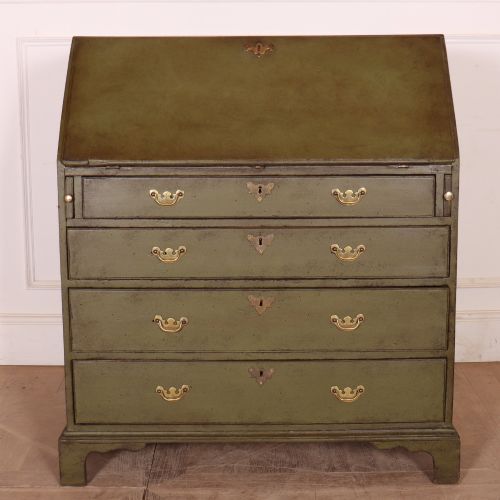
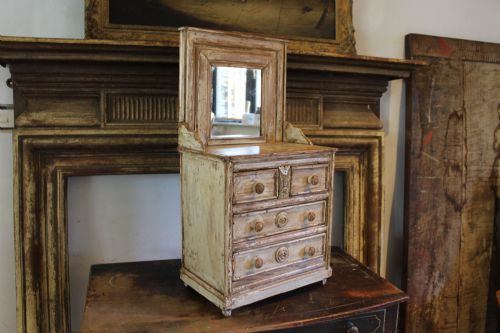
When you search for a distressed painted bureau, you are looking at practical writing furniture and related case pieces finished in decorative paint rather than clear polish. The examples gathered here span centuries of regional design, reaching from eighteenth-century English workshops to nineteenth-century continental provinces.
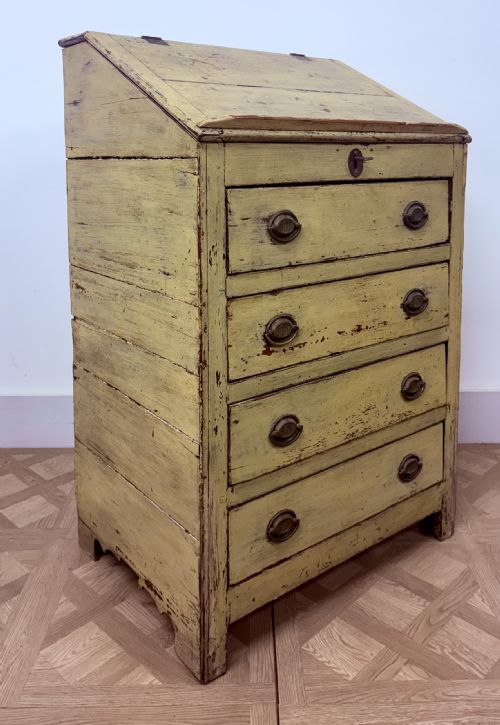
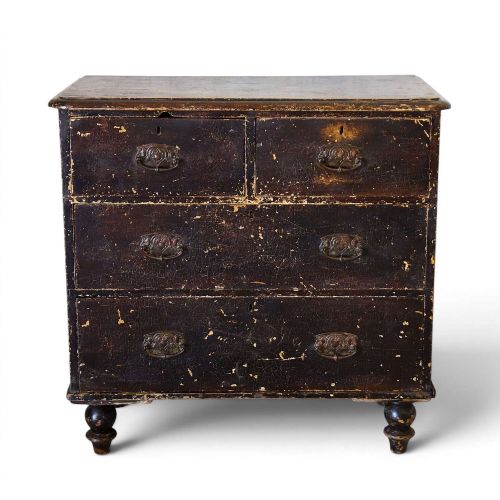
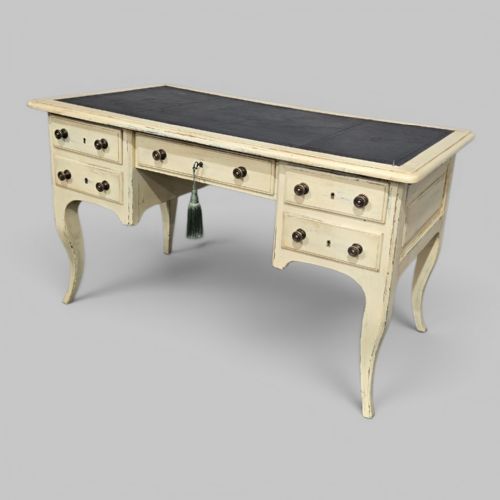
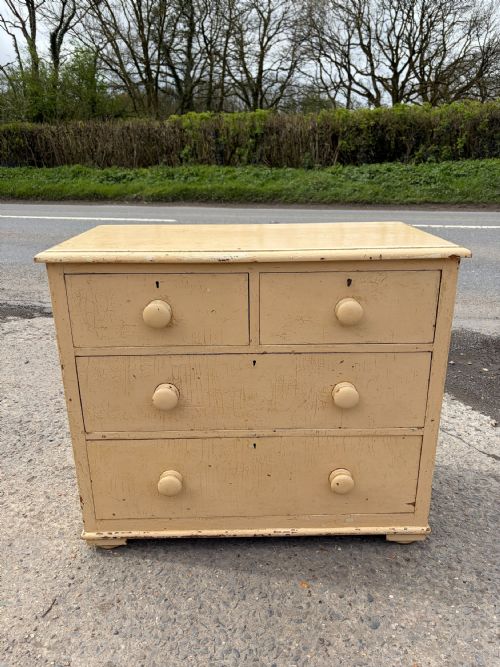
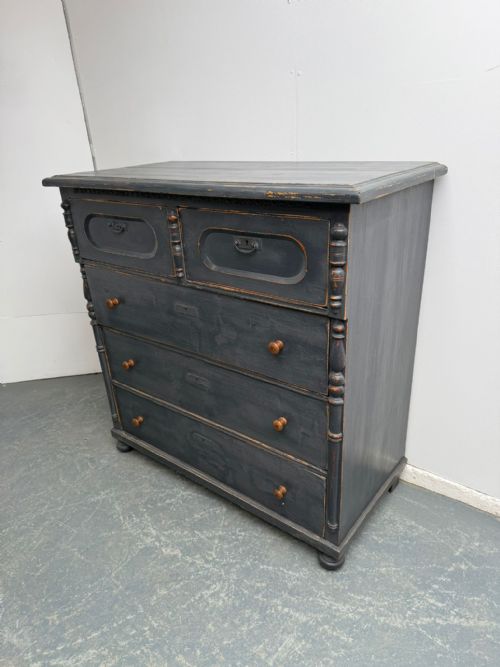
The most common forms on this page include drop-front writing bureaux, fitted writing slopes on chests, and kneehole desks designed for daily correspondence. Alongside these writing pieces, the selection includes related painted chests of drawers and commodes that share the same utilitarian origins.
Origin points range across England, France, Sweden, and the Netherlands, taking in styles from Georgian formality to country vernacular and Swedish Baroque Revival. These pieces reflect how ordinary households and provincial makers adapted standard cabinet forms with accessible timber and decorative paint finishes.
How they were made
The core structure relies on accessible domestic timbers, principally pine and mixed wood, joined using traditional cabinet-making methods suited to regional workshops. Drawers and writing compartments feature hand-cut joints, while carcases are built to support the daily weight of books, paper, and household ledgers.
Surfaces are prepared with historical paint layers, including scumble finishes and lighter decorative coats that have aged naturally through generations of use. Brass drop handles, escutcheons, and occasional leather writing inserts complete the construction, combining utilitarian metalwork with timber.
The listings here include pine, painted wood, and brass elements across eighteenth and nineteenth-century pieces from English, French, and Swedish traditions.
What varies in quality
Quality rests in the integrity of the original construction and the survival of the early paint surface rather than pristine condition. Better pieces retain their proportional balance, original hardware, and timber framing without structural compromise from damp or heavy past alterations.
The character of the paint finish itself defines much of the distinction between examples, separating genuine layered patination from later surface treatments. Pieces that show honest wear and consistent ageing across the timber and pigment carry greater visual cohesion.
The Distressed Painted Bureau Glossary
- Bureau
- A writing cabinet featuring a sloping fall-front that opens to reveal internal pigeonholes and small drawers. This form combines a traditional desk surface with enclosed drawer storage beneath.
- Scumble paint
- A translucent or semi-opaque glaze dragged or brushed over a lighter base colour to imitate grain or create mottled depth. It appears frequently on nineteenth-century country furniture.
- Kneehole desk
- A compact writing table featuring a central recess for the user's legs, flanked by pedestals of small drawers. This form gained popularity during the eighteenth and nineteenth centuries.
- Commode
- A low decorative chest of drawers or cabinet originating in France, often featuring bombe shaping or substantial proportions. These pieces served practical storage roles in principal rooms.
Distressed Painted Bureau: Frequently Asked Questions
How do I date a painted bureau?
Dating relies on examining the construction methods of the internal drawers, the timber thickness, and the profile of the mouldings. Nail types, dovetail cuts, and the composition of the underlying wood all point to specific manufacturing decades.
The surface paint layer also provides clues, though subsequent decoration must be distinguished from original finishing coats. Comparing the wear patterns around handles and keyholes helps confirm the age of the piece relative to its stated period.
Where should I place a painted bureau?
These pieces suit living rooms, studies, and larger hallways where their fitted interiors and writing surfaces can be used daily. Their painted finishes soften corners and provide a focal point without overwhelming surrounding furniture.
Keep them away from direct heat sources and strong sunlight to protect the aged timber and decorative paint layers from drying out or fading. Allowing space around the piece ensures the drop-front functions comfortably.
Are these desks practical for daily writing?
Most antique bureaux offer sturdy writing slopes and functional internal compartments that easily accommodate modern notebooks and writing tools. The drop-front provides a stable ledge when supported by its internal lopers.
Interior layouts vary, featuring small drawers and pigeonholes designed for historical correspondence rather than modern electronics. Checking the depth and height of the writing surface ensures it suits your intended use.
What is scumble paint?
Scumble paint is a decorative finishing technique where a tinted glaze is applied over a paler base coat and manipulated with brushes or rags. This creates mottled, textured surfaces that imitate more expensive timbers or add depth to plain pine.
On nineteenth-century pieces, original scumble finishes protect the underlying wood while providing a distinctive, patterned appearance. Surviving examples retain a soft sheen where handling has smoothed the glaze over time.