





West Persian Kurdish Rug
A west persian kurdish rug brings tactile warmth and tribal geometry into a room, shaped by village weavers across the highlands of western Persia.
West Persian Kurdish Rug
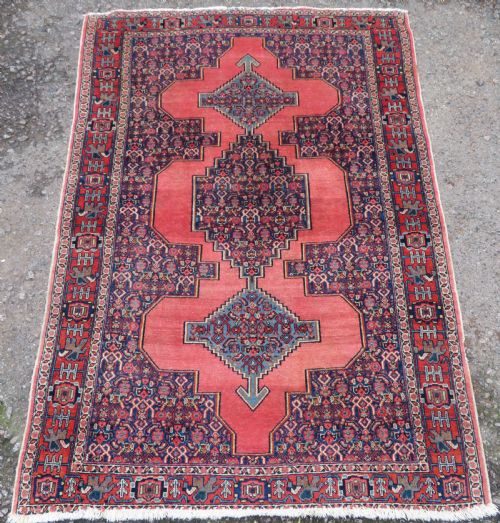
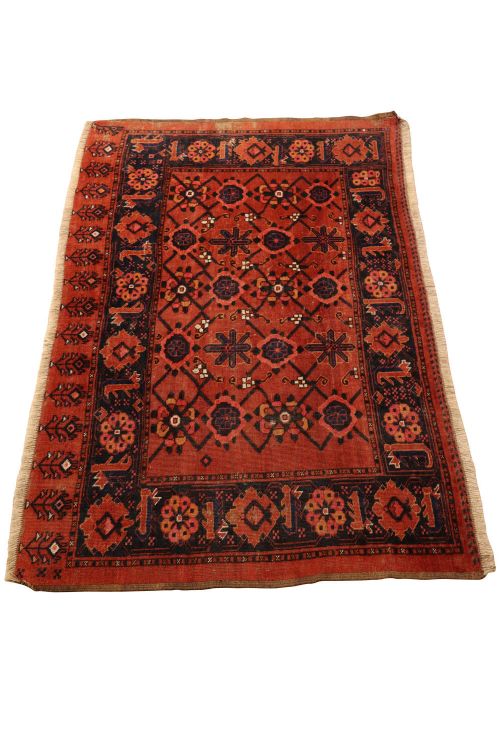
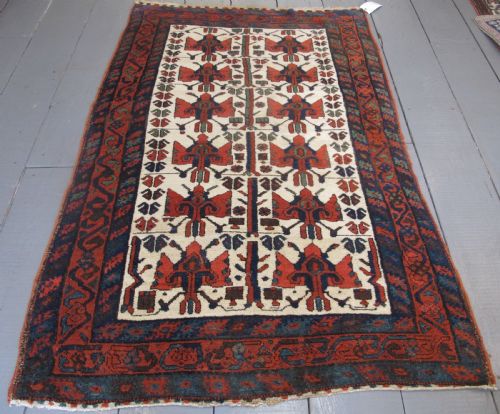
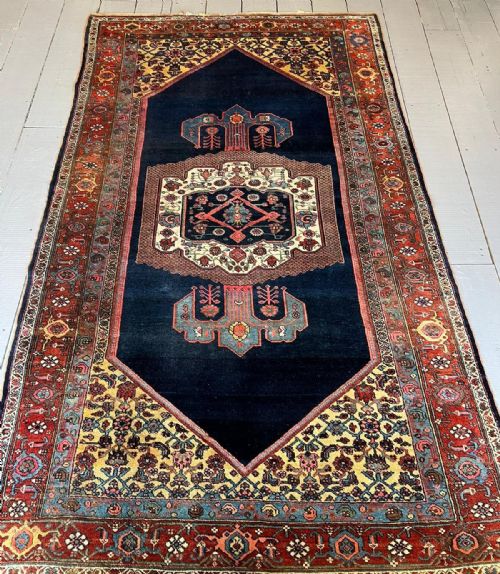
A west persian kurdish rug emerges from the weaving traditions of villages and tribal groups settled in the rugged valleys of western Persia, including regions like the Chahar Mahal Valley and Kurdish lands. These pieces span formats from square room-sized carpets down to long narrow hallway runners, flat-woven kilims, and specialised utility forms such as wheat sacks.
The aesthetic relies on tribal geometry, all-over boteh motifs, Herati patterns, and occasional pictorial elements like birds perched on trees or figures of tribeswomen. Most surviving examples date from the late nineteenth century through to the early twentieth century, reflecting generations of hand-knotting and flat-weaving traditions passed down through families.
The version most commonly encountered on this page is the narrow runner or village area rug produced around nineteen hundred, combining practical utility formats with robust construction. These textiles served everyday domestic roles in nomadic and village households before finding appreciation in modern interior design.
Factors of quality
Quality rests significantly on the grade and preparation of the wool, where hand-spun material with retained natural oils yields superior depth of colour and a more tactile handle. Tighter knot densities and precise structural integrity along the margins dictate the longevity and durability of each textile.
The visual articulation of traditional motifs - such as the clarity of border proportions, the sharpness of geometric repeats, and the preservation of original dimensions - separates standard village work from exceptional examples. Surviving pile depth and the organic vibrancy of natural dyes further elevate the standing of a piece within this tradition.
West Persian Kurdish Rug Retail Price Guide 2026
Typical asking prices for west persian kurdish rug among the pieces listed under this phrase on Sellingantiques today, from the lower quarter to the upper quarter. They describe what is for sale here now, not the wider market.
The listings here feature works from the nineteenth century up to the nineteen-thirties, utilising wool, cotton, and goat hair.
The West Persian Kurdish Rug Glossary
- Boteh
- A stylised almond or pear-shaped motif of Persian origin, frequently repeated across tribal and village carpets. It represents a traditional symbol of life and eternity.
- Herati
- A classic Persian repeating pattern composed of a central rosette enclosed by a diamond lattice and flanked by curved leaves. It is widely adapted in regional village weaving.
- Kilim
- A flat-woven textile produced without a pile, created by tightly interweaving warp and weft strands. These pieces function as lightweight coverings, rugs, or utility sacks.
- Tasheh
- A traditional flat-woven wheat sack utilised by pastoral tribes for storage and transport in agricultural valleys. These functional items double as collectible tribal textiles.
- Selvage
- The reinforced outer edge of a rug formed by wrapping the outermost warps, protecting the textile from fraying. Goat hair is frequently utilised here for extra strength.
West Persian Kurdish Rug: Frequently Asked Questions
How do I care for my rug?
Protect the pile by using a breathable underlay to prevent slipping and uneven wear in high-traffic hallways.
Vacuum gently without using rotating brush bars, and arrange for specialist professional cleaning when deep maintenance is required.
Where were these rugs made?
Weavers produced these textiles in the mountainous provinces and valleys of western Persia, particularly within Kurdish lands and the Chahar Mahal region.
Families and village communities worked on vertical or horizontal looms using locally sourced materials from their flocks.
How do I date an older piece?
Dating relies on assessing the subtle variations in natural dye palettes, the degree of hand-spinning evident in the wool, and structural wear patterns.
Stylistic markers such as specific border proportions and traditional village motifs also help place pieces within the late nineteenth and early twentieth centuries.