

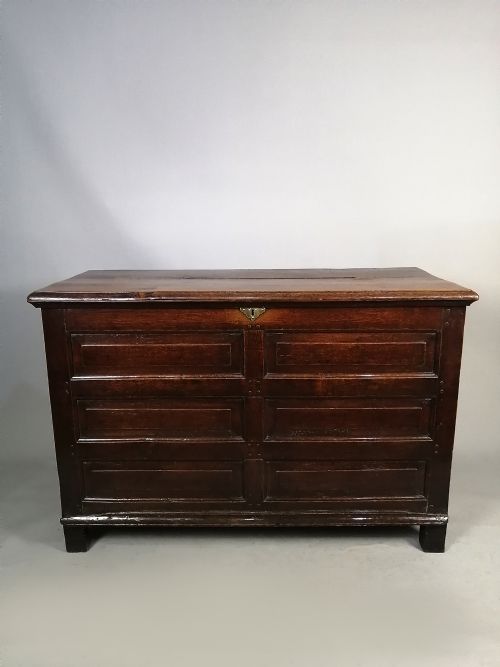
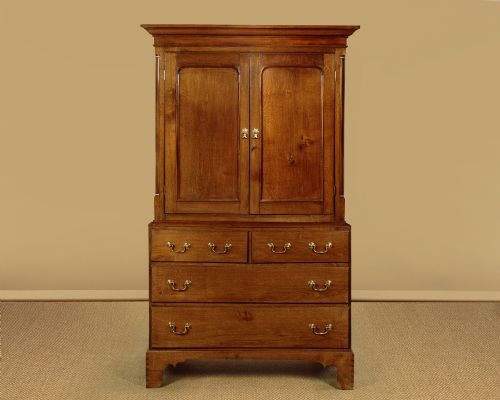




Welsh Vernacular Chest
These robust pieces of welsh vernacular chest utility span the seventeenth to the nineteenth centuries, offering honest domestic storage built from native timbers.
Welsh Vernacular Chest
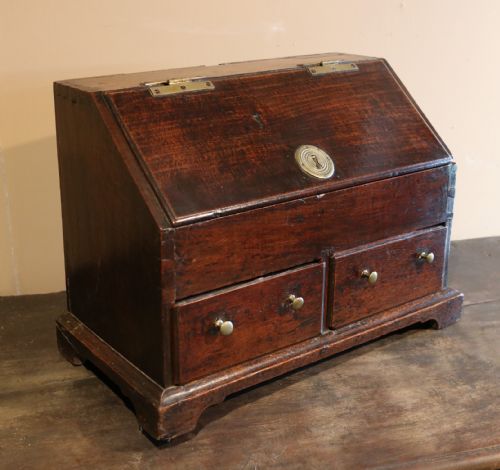
A welsh vernacular chest encompasses various domestic storage forms created for country houses, cottages, and farmhouses across the centuries. Buyers examining this selection will encounter a diverse range of objects, from large grain arks and press cupboards to smaller tabletop items like the coffor bach.
The material record shows a heavy reliance on native timber, principally oak alongside secondary uses of pine. These practical items served rural households for linen, dry goods, and valuables, evolving from seventeenth-century joined frames toward nineteenth-century painted and panelled variations.
Forms span low press cupboards, dressers, wall-hanging spice cupboards, and miniature bureaus reflecting distinct regional cabinet-making traditions. The surviving items demonstrate how rural makers adapted urban furniture types to local domestic needs using accessible regional materials.
Materials and Construction
Makers utilised solid native oak as the primary timber, occasionally supplemented by pine for panels and secondary framing. Construction relied on traditional joinery methods appropriate for rustic furniture, including panelled walls and robust board construction.
Surface ornamentation involved modest decorative techniques such as chip carving, fruitwood inlay, bone inlay, and painted finishes. Iron hinges, brass handles, and escutcheons provided functional hardware that secured lids and doors on these heavy domestic items.
Welsh Vernacular Chest Retail Price Guide 2026
Typical asking prices for welsh vernacular chest among the pieces listed under this phrase on Sellingantiques today, from the lower quarter to the upper quarter. They describe what is for sale here now, not the wider market.
Judging Quality
Quality rests upon the integrity of the timber, the crispness of any chip carving, and the survival of original surface patination. Pieces retaining their initial unstripped finish and early hardware command greater attention from discerning collectors.
Proportion and scale distinguish finer examples, particularly in miniature items where delicate turned feet or precise inlay dictate the overall harmony. Structural survival without excessive timber replacement separates standard utility objects from superior surviving specimens.
The Welsh Vernacular Chest Glossary
- Coffor Bach
- A miniature coffer or small chest traditionally made in Wales, often created as a love token or presentation piece to hold valuables. These small boxes frequently feature drawers beneath the main lidded compartment and stand on short feet.
- Grain Ark
- A large wooden storage chest designed specifically for keeping cereal crops or meal dry in agricultural households. These seventeenth-century pieces display heavy plank construction suited to farm storage.
- Press Cupboard
- A two-stage storage piece combining a wardrobe or linen press section above lower drawers or cupboards. Georgian and nineteenth-century examples provide substantial interior capacity.
- Chip Carving
- A surface decoration technique where small chips are removed from the solid wood surface to create geometric patterns. This traditional method appears frequently on seventeenth-century boxes and panels.
Welsh Vernacular Chest: Frequently Asked Questions
What is a coffor bach?
A coffor bach is a miniature coffer or chest made in Wales during the eighteenth century as a special gift or presentation piece.
These small boxes typically include a hinged lid above a small drawer and rest on bracket or turned feet.
How do I date an oak chest?
Dating relies on construction methods, timber selection, and decorative techniques like chip carving or panel styles.
Seventeenth-century examples display heavier joined framing while eighteenth and nineteenth-century pieces show evolving regional drawer configurations.
Were these chests painted originally?
Many pine and secondary timber pieces received painted finishes to protect the wood and brighten dark cottage interiors.
Surviving painted surfaces from the nineteenth century offer a distinct aesthetic compared to polished oak.
Where were these pieces made?
Country workshops across rural Wales produced these items for local domestic use in farmhouses and cottages.
Specific regional traits appear in items originating from areas like Snowdonia or Glamorgan.