

Welsh Dresser Base
A welsh dresser base provides generous domestic storage through deep drawers and lower shelves, bringing enduring utility to contemporary interiors.
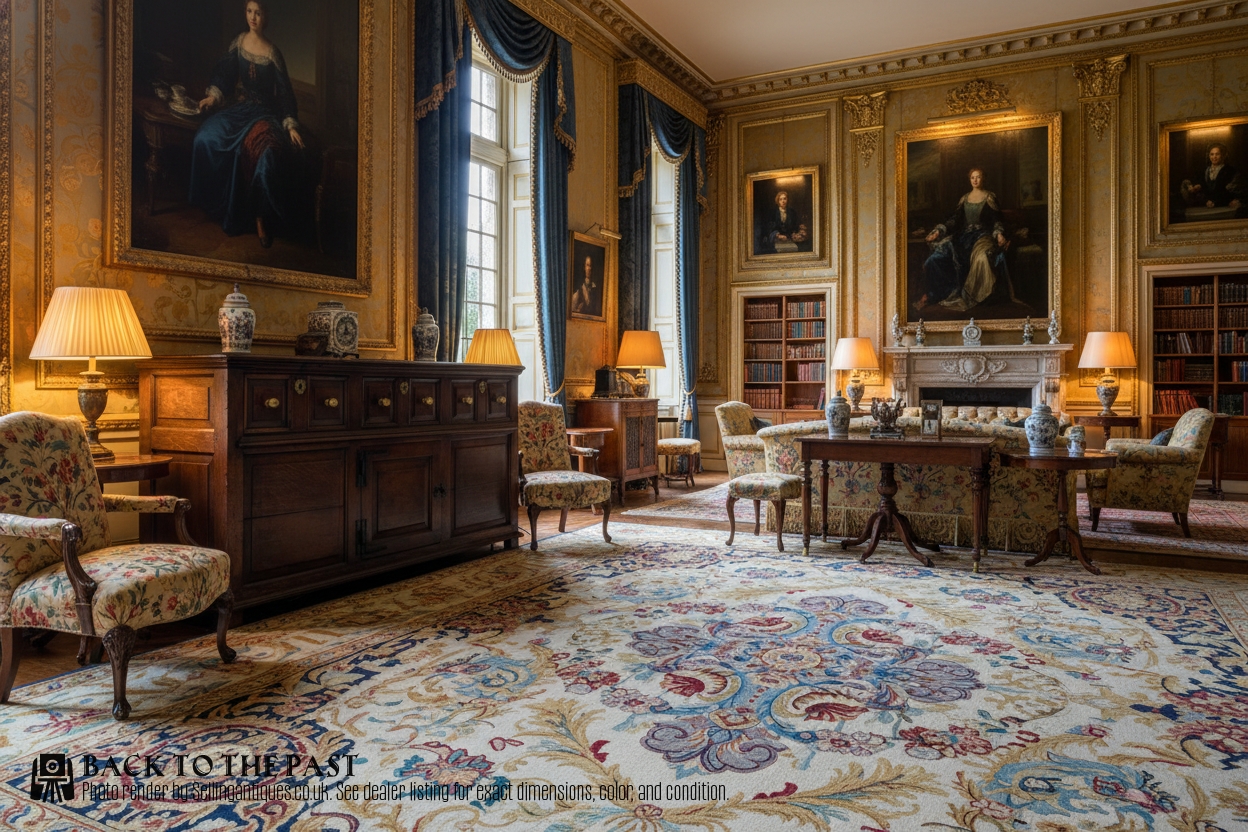
Welsh Dresser Base
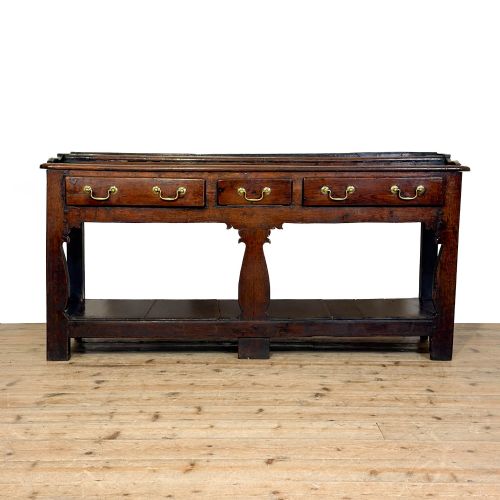
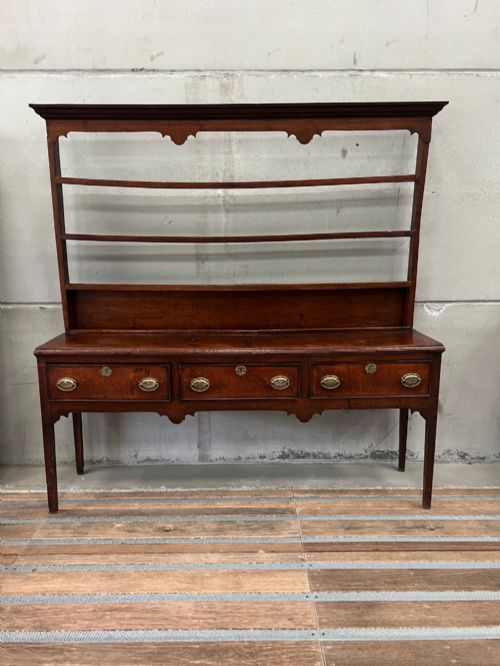
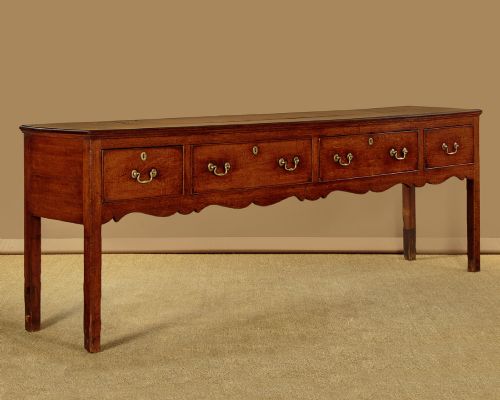
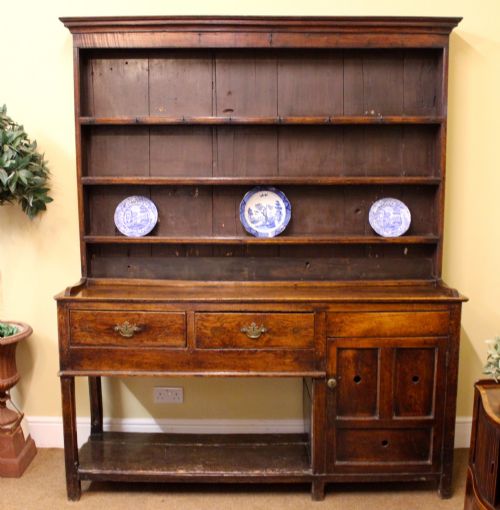
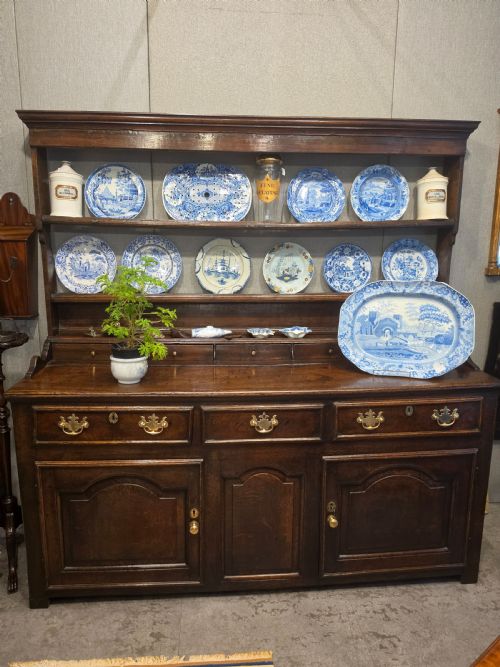
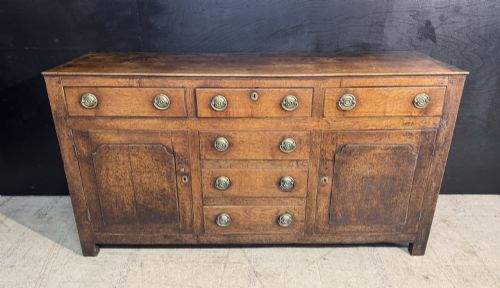
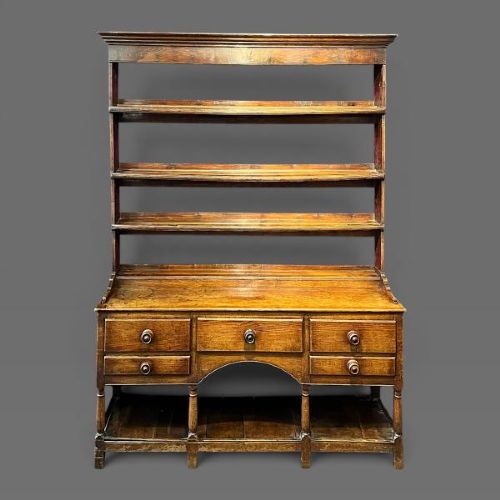
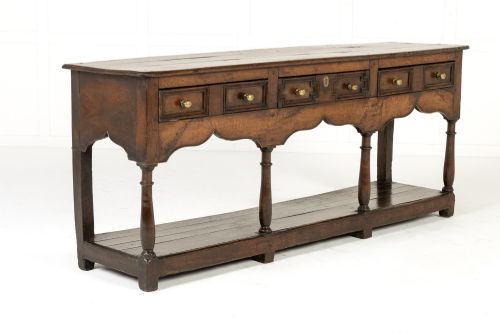
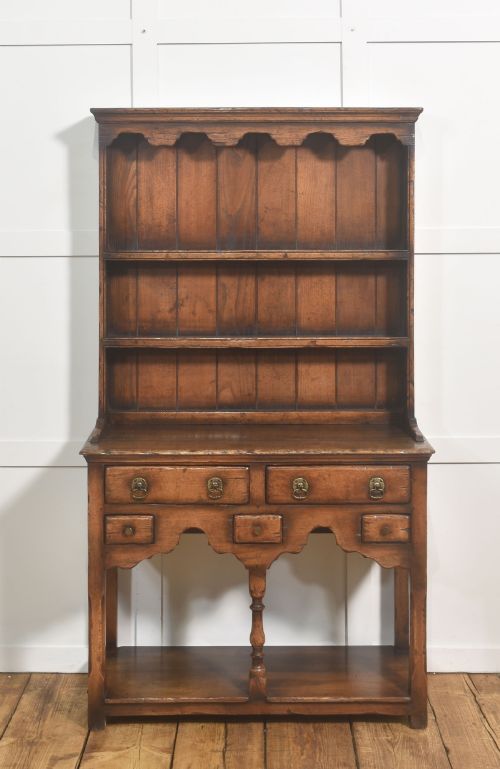
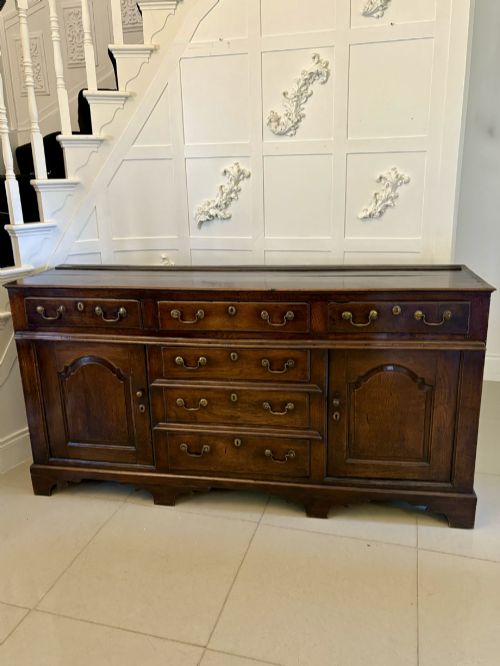
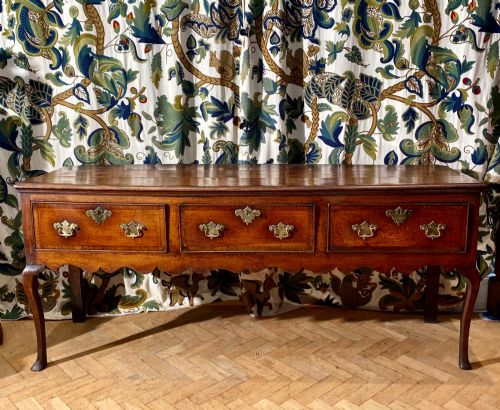
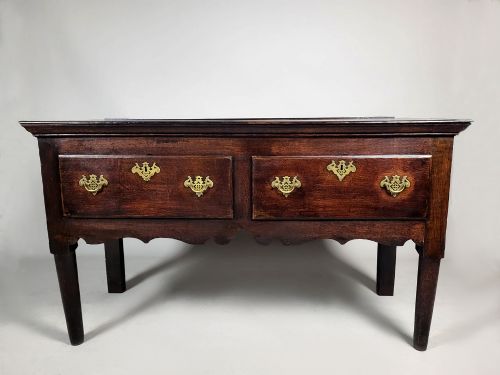
A welsh dresser base sits low to the floor, combining surface workspace with banks of drawers and lower potboards or cupboards originally designed for kitchen utensils and provisions.
The pieces seen here span the eighteenth and nineteenth centuries, originating from Georgian and Victorian country workshops in regions such as Montgomeryshire, Snowdonia, and Anglesey.
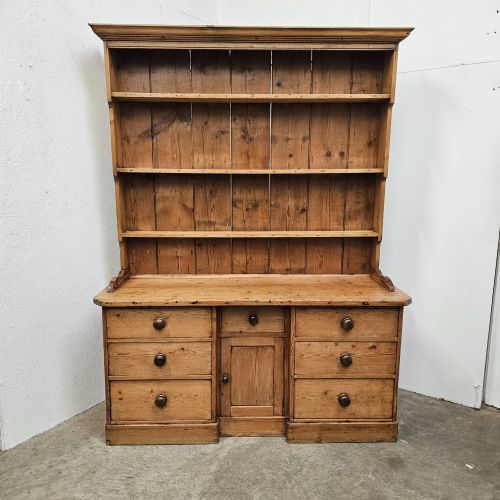
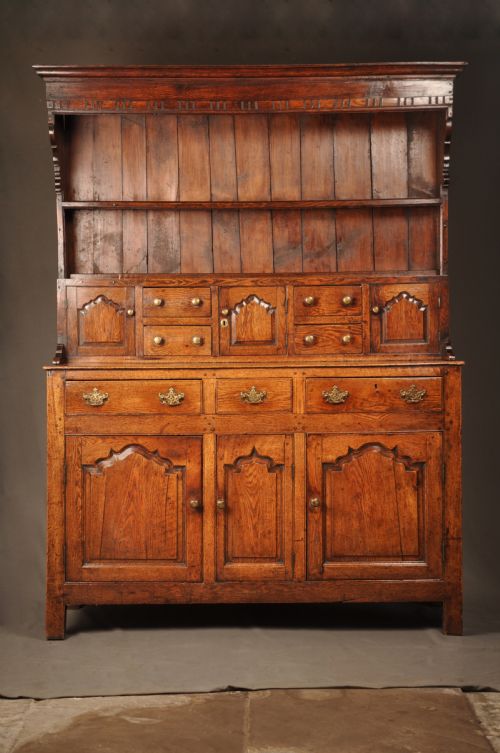
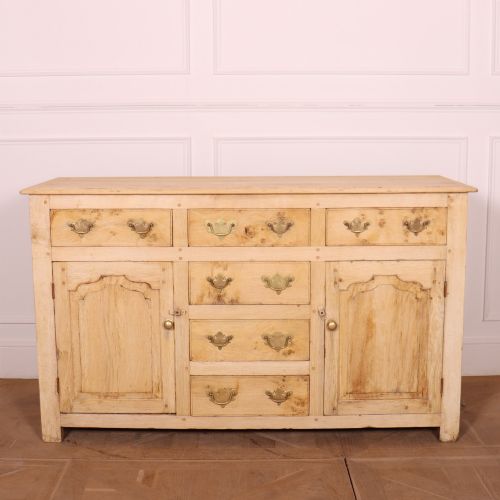
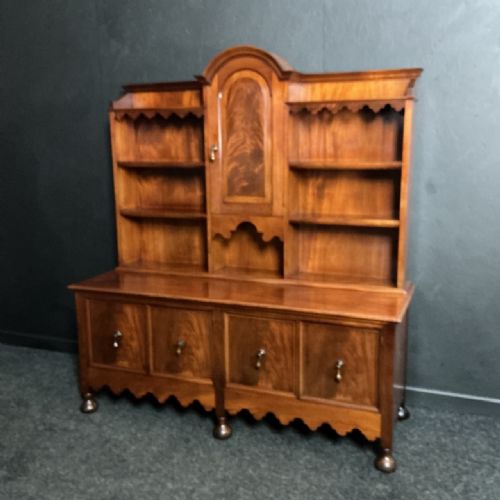
Most examples take the form of heavy oak or elm frameworks, though pine and mahogany variants also appear alongside open potboards, spice drawers, and enclosed cupboards.
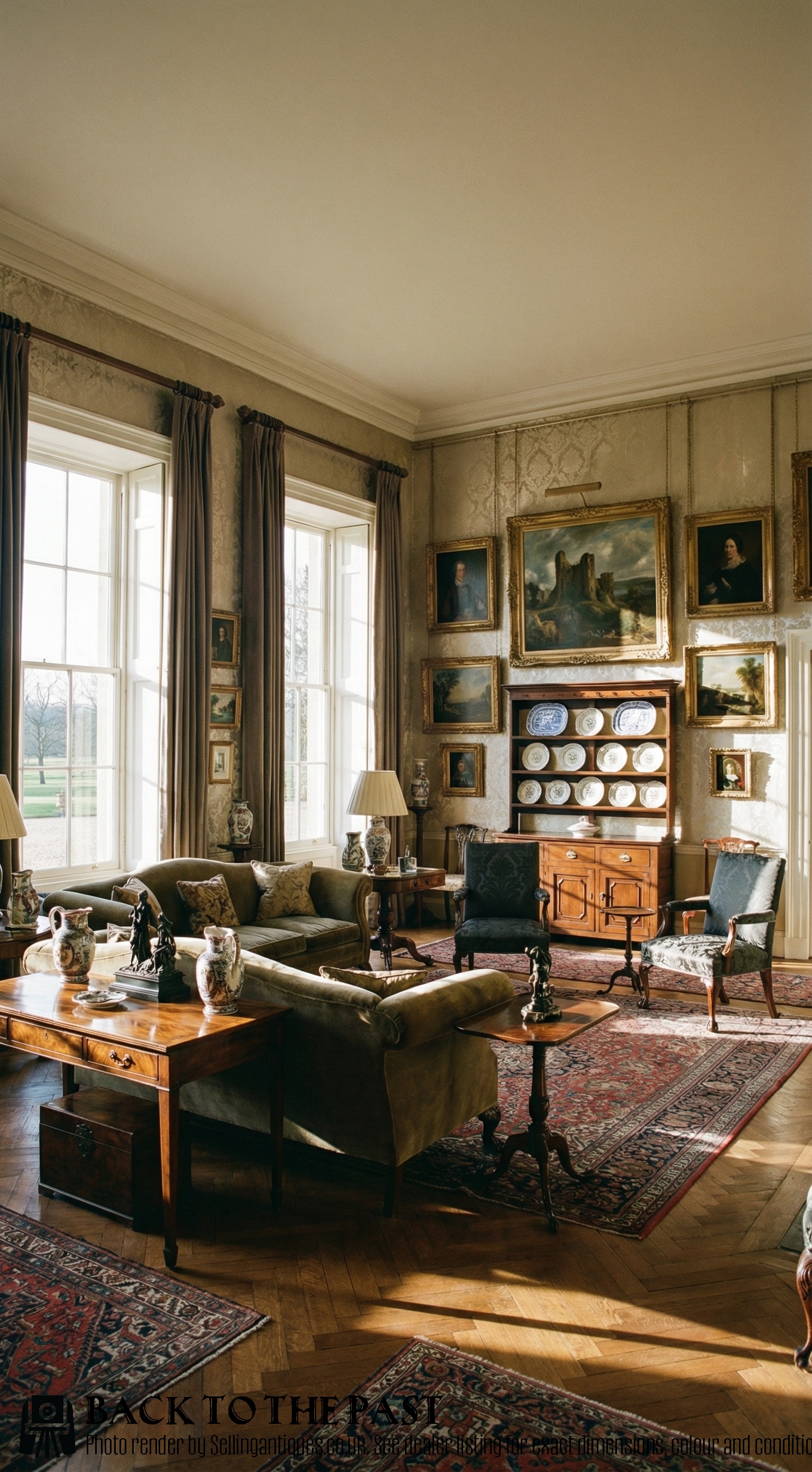
Materials and Construction
Local timbers such as native oak, elm, and pine provide the structural integrity for these country pieces, frequently joined using traditional pegging and panel-framing methods.
Hardware consists of brass drop handles or wooden knobs, while secondary woods support internal drawer linings and backboards.
Welsh Dresser Base Retail Price Guide 2026
Typical asking prices for welsh dresser base among the pieces listed under this phrase on Sellingantiques today, from the lower quarter to the upper quarter. They describe what is for sale here now, not the wider market.
Several examples preserve tiny spice drawers once hidden away for precious nutmeg and cloves.
Craftsmanship and Proportion
Distinction lies in the balance of proportions, the integrity of the timber panels, and whether original brasses or hardware remain intact.
Finer examples display careful regional joinery, such as raised fielded panels, shaped friezes, and well-integrated potboards without excessive structural replacement.

The Welsh Dresser Base Glossary
- Potboard
- A lower open shelf positioned close to the floor between the legs of a dresser, originally intended for storing heavy pots and pans.
- Spice drawers
- Small, multiple drawers arranged centrally or flanking the upper section, designed for culinary ingredients and dry goods.
- Crossbanding
- A decorative technique where thin strips of veneer are applied to drawer fronts or borders so the grain runs perpendicular to the surrounding surface.
- Vernacular
- Furniture built by regional craftsmen using local traditions and materials, prioritising functional domestic utility over metropolitan high style.
Welsh Dresser Base: Frequently Asked Questions
What is a welsh dresser base?
A welsh dresser base is a heavy wooden sideboard featuring multiple drawers and lower shelves or cupboards, created for rural domestic kitchens.
These pieces functioned as both work surfaces and storage units for heavy tableware and provisions before fitted kitchens existed.
How were they used historically?
Households utilised the timber top for food preparation and serving meals, while the lower drawers and potboards held ceramics, utensils, and cookware.
In some regions, specialised compartments like spice drawers kept valuable ingredients secure and dry within easy reach of the cook.
Where should I place a dresser base?
These low sideboards suit dining rooms, large kitchens, and hallways where their substantial timber presence and surface area provide practical utility.
Ensure adequate wall clearance and consider the depth of the drawers when positioning the furniture in domestic spaces.
How do I identify eighteenth-century examples?
Eighteenth-century pieces typically exhibit pegged oak joinery, hand-carved details, and rich patination developed through centuries of domestic use.
Examination of the drawer linings and backboards often reveals hand-planed surfaces and traditional construction methods distinct from later manufacturing.