




Weathered Stone Sculpture
Weathered stone sculpture brings timeless presence to grounds and terraces through classical figures, animals and architectural finials shaped from durable aggregates.
Weathered Stone Sculpture
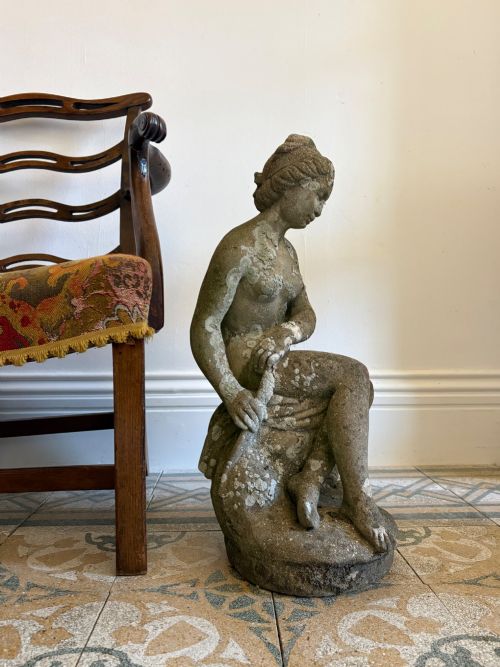
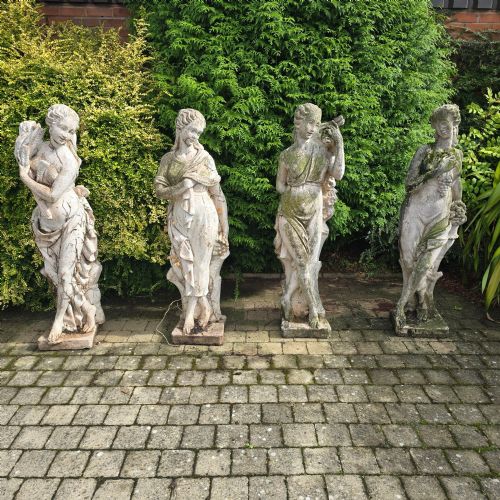
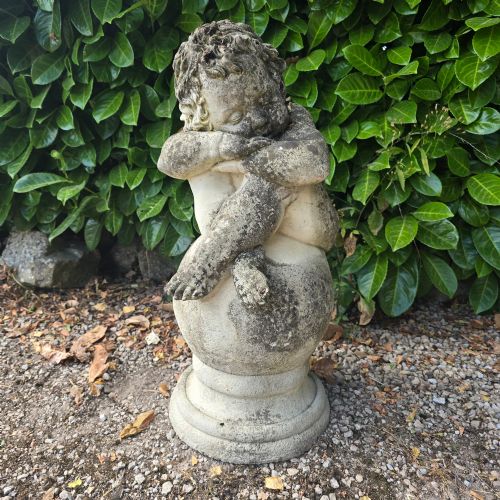
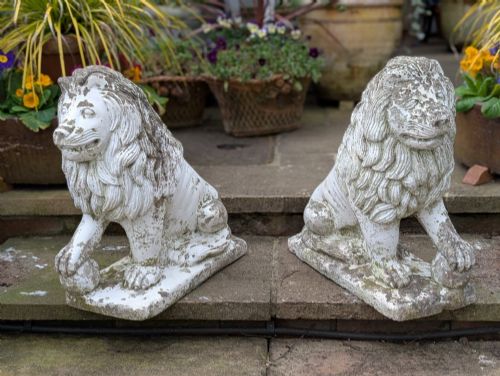
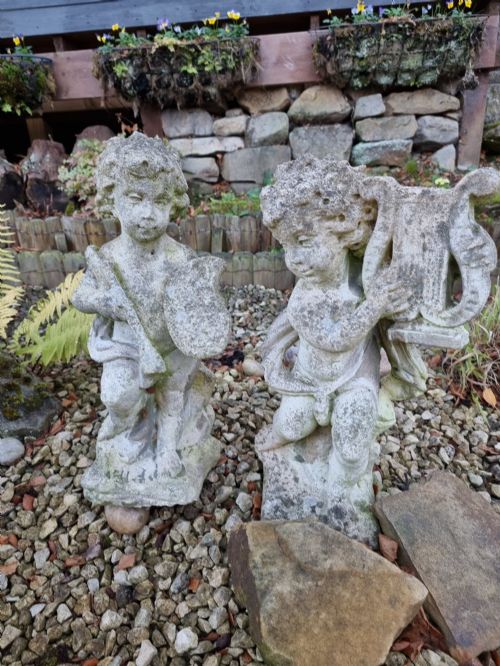
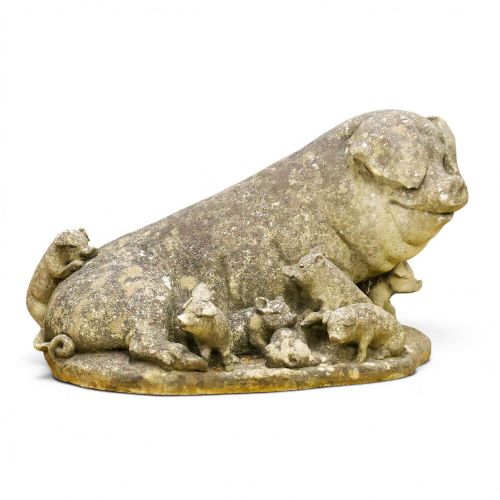
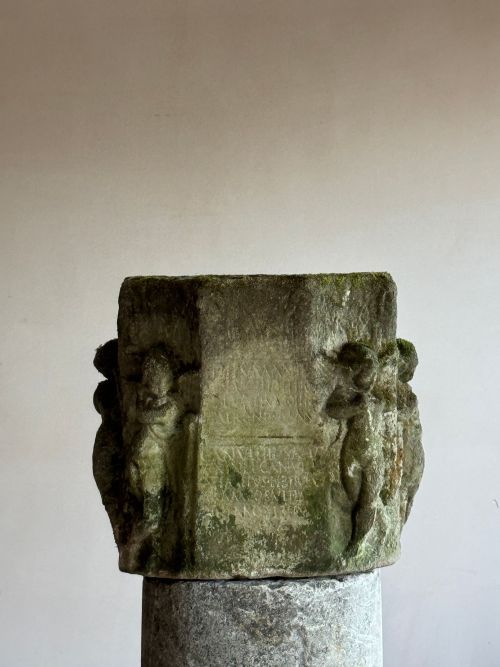
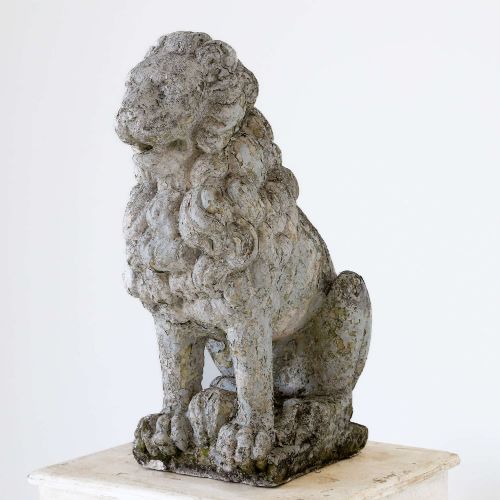
When you search for weathered stone sculpture, you encounter a diverse range of garden statues, architectural finials, staddle stones and animal figures that span multiple centuries. The selection includes everything from grand 19th Century French Medici lions and Italian marble beasts to mid-century cast stone cherubs, pigs, pigeons and gnomes.
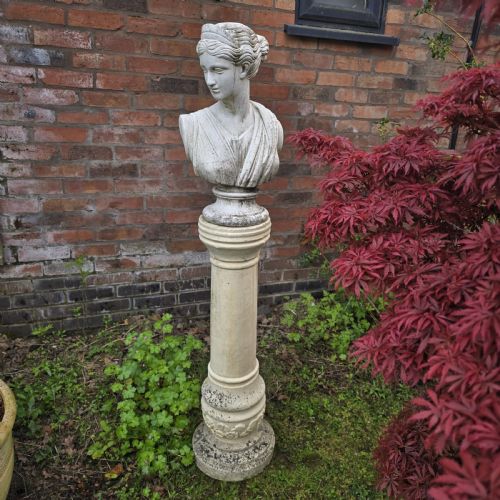
You are most likely to meet mid-20th century pieces alongside Edwardian and earlier 19th-century works, often rendered as figures on pedestals or paired gate guardians. These objects serve as focal points in landscaping, bringing classical revival themes and rustic vernacular charm directly to outdoor spaces.
Materials and Construction
The pieces are cast, reconstituted or carved using robust media such as cast stone, composition stone, reconstituted stone and concrete, alongside traditional carved sandstone and marble. Many examples retain traces of original old paint or accumulated surface patination developed over decades outdoors.
Makers utilised moulds for composite mixtures or applied direct carving techniques for harder stones like sandstone and marble. Architectural items such as pier finials and staddle stones often combine structural bases with detailed sculptural tops.
Materials span reconstituted stone, cast stone, concrete, composition stone, carved stone, sandstone, paint and marble across multiple centuries.
Judging Quality
The integrity of the material and the character of the surface weathering also determine distinction. Authentic age shows in deep, organic lichens, mosses and genuine surface wear rather than artificial distressing.
The Weathered Stone Sculpture Glossary
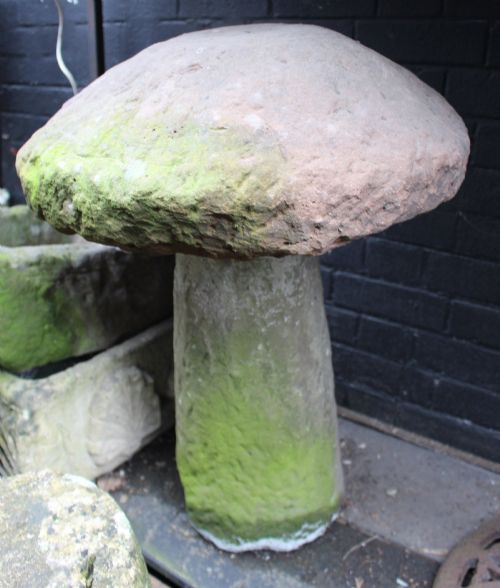
- Staddlestone
- A mushroom-shaped stone support originally used to elevate granaries above the damp ground to deter pests. These architectural antiques now serve as garden ornaments.
- Pier Finial
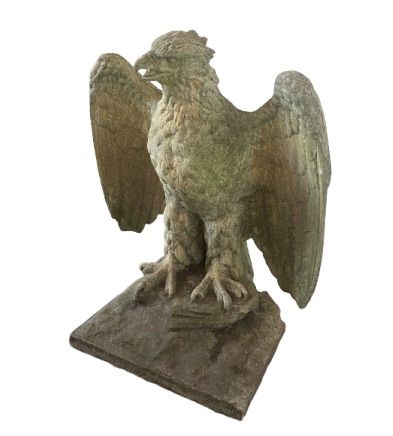
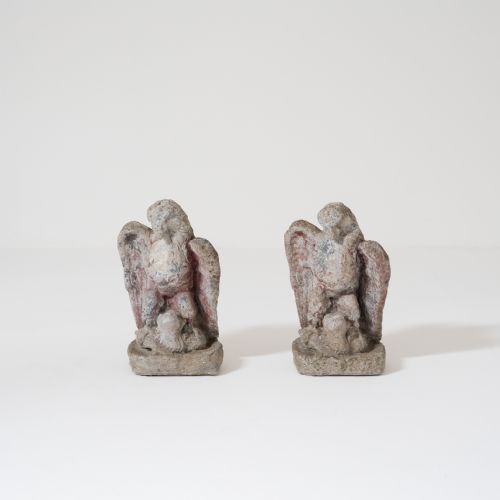
- An ornamental architectural stone sculpture placed on top of a gatepost, pier or wall end. Common forms include eagles, lions and decorative globes.
- Reconstituted Stone
- A composite material made from crushed natural stone aggregate and a binder such as cement, poured into moulds to replicate carved masonry.
- Classical Revival
- An artistic movement reviving the architectural and sculptural forms of ancient Greece and Rome. It influences many garden statues and busts of figures like David and Athena.
- Rustic Vernacular
- A style rooted in local, traditional building methods rather than formal academic design. Examples include garden gnomes and farm animals cast in stone.
Weathered Stone Sculpture: Frequently Asked Questions
How do I protect my stone sculpture in winter?
Most cast and reconstituted stone pieces withstand cold weather well, provided they sit on feet or gravel rather than directly on frozen soil to prevent moisture absorption.
Covering vulnerable carved stone or items with intricate protruding details during freezing spells helps prevent frost damage and surface spalling.
Can these sculptures stay outdoors all year?
Yes, materials like cast stone, sandstone and concrete are engineered for exterior placement and naturally develop a weathered patina over time.
Positioning them in sheltered garden spots away from standing water preserves both the material integrity and any remnants of old paint.
How do I clean a weathered stone sculpture?
Gentle brushing with water usually suffices to remove loose dirt while preserving the desirable organic lichens and mosses that accumulate outdoors.
Avoid harsh pressure washers and chemical cleaners, which strip away the historic surface patination and erode the softer outer layers of composite stone.
What is a staddle stone used for?
Historically, farmers used staddle stones in pairs or rows as solid pillar foundations to raise wooden grain barns off the earth. This kept stored crops dry and safe from rats and mice.
Today, gardeners repurpose these sturdy architectural antiques as decorative pedestals and low seating elements across lawns and borders.