
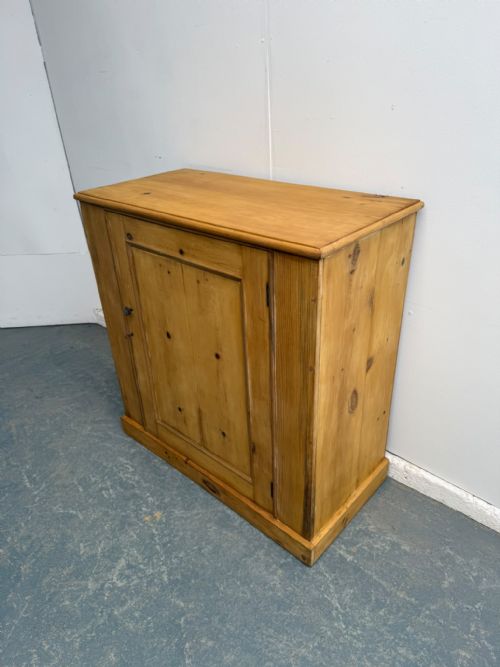
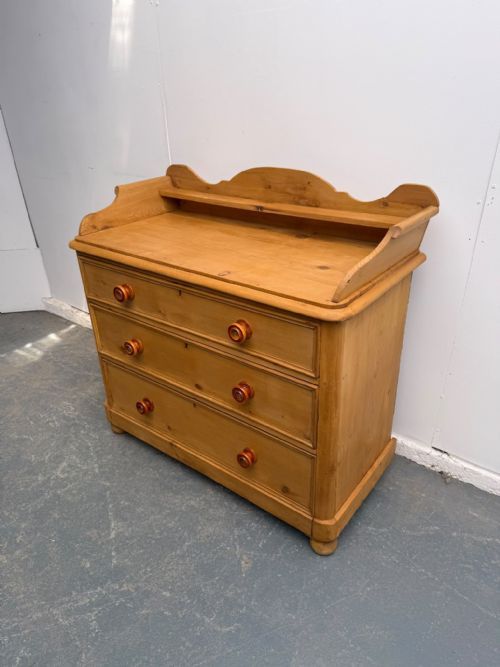
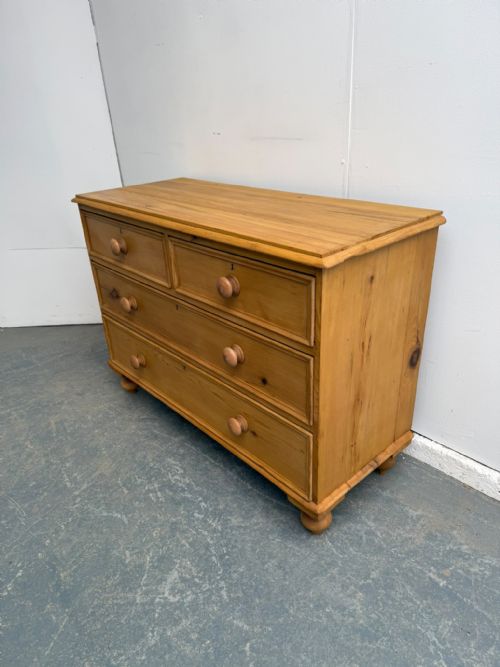
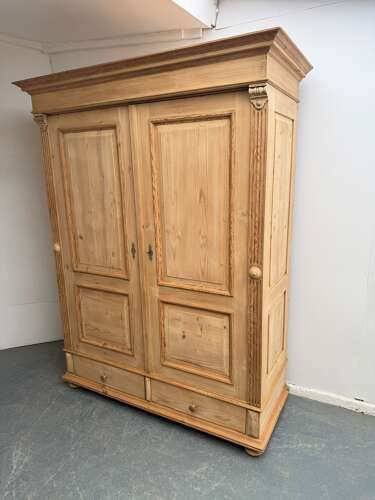
Waxed Pine Storage
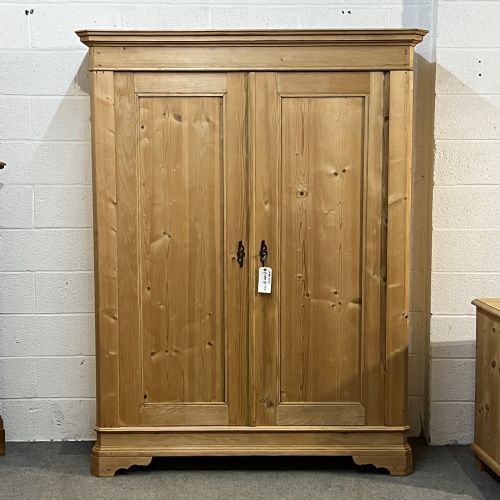
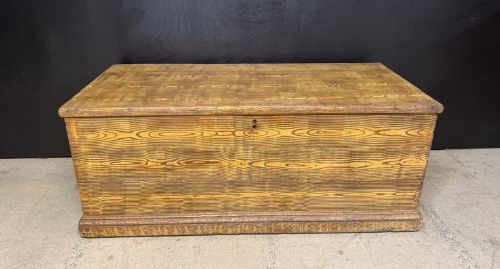
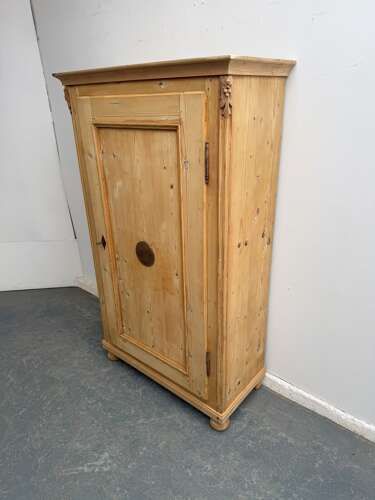
These pieces of waxed pine storage span periods from the Georgian era to the early twentieth century, offering practical utility through cupboards, wardrobes, and chests.
Waxed Pine Storage
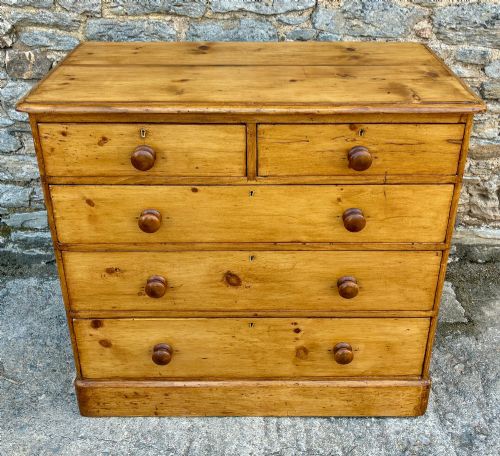
When a buyer searches for waxed pine storage, they encounter functional domestic furniture built primarily in the Victorian and Georgian periods, alongside pieces from Edwardian and Arts and Crafts contexts. The selection spans utilitarian forms such as cupboards, wardrobes, chests of drawers, and kitchen dressers originating from English, Welsh, Irish, and French provincial traditions.
Most items on this page date from the Victorian era, reflecting the heavy reliance on softwood timber for everyday household storage before mass-produced furniture took over. These domestic pieces served rural cottages, large kitchens, and town houses alike, designed specifically to hold linens, provisions, books, and clothing.
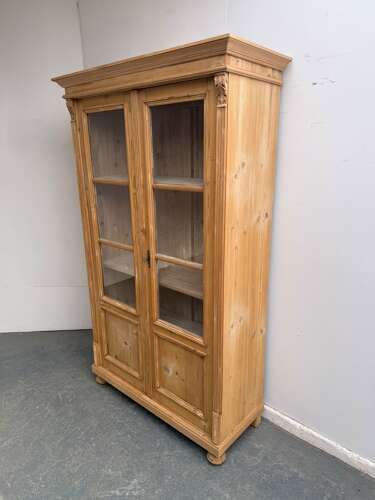
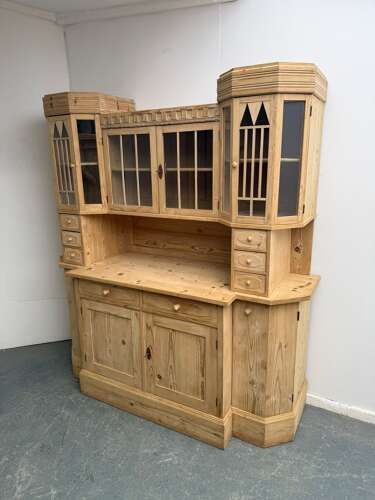
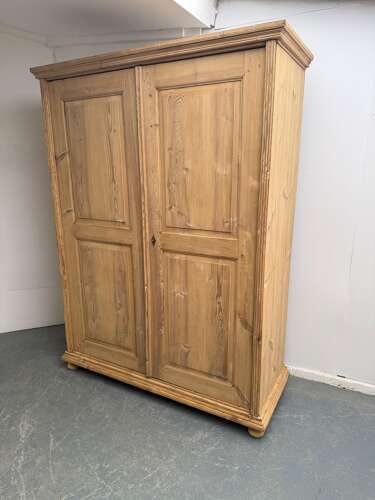
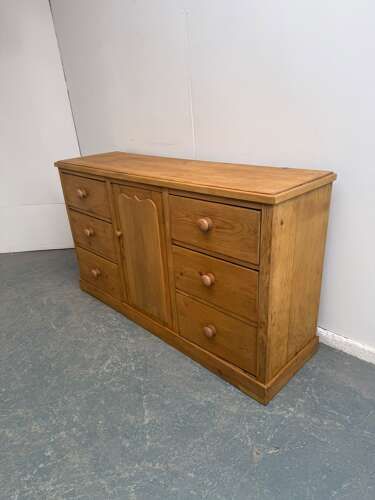
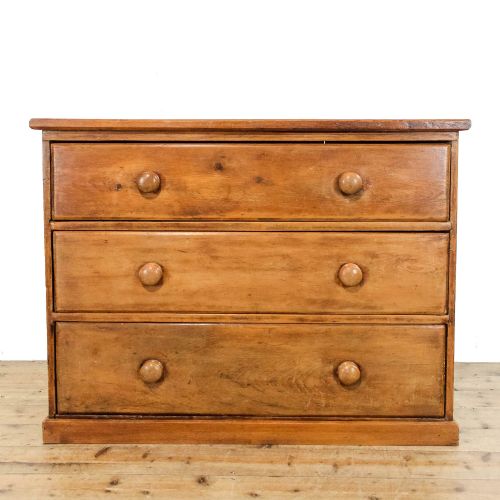
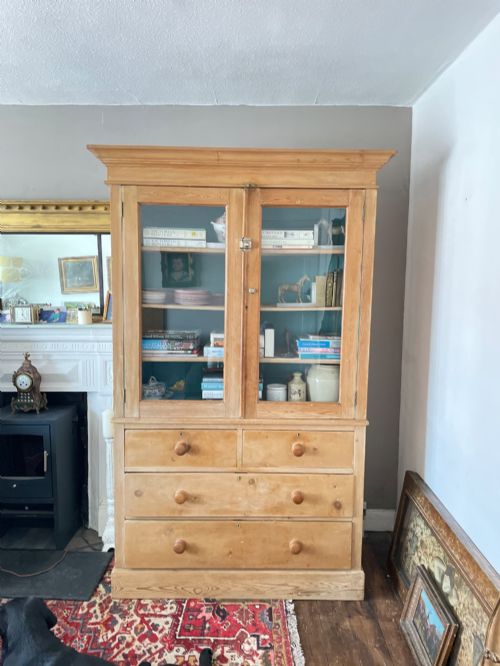
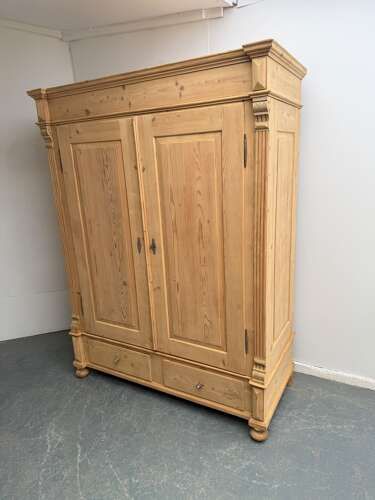
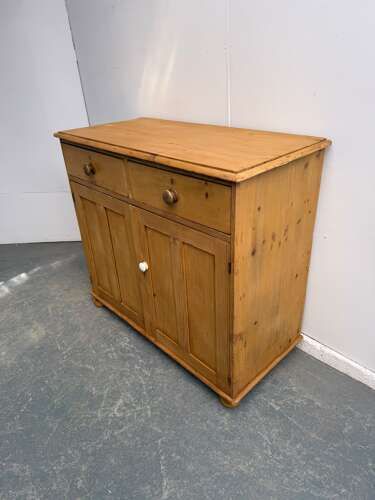
The format of these objects ranges from low, wide chests of drawers to tall, multi-door knockdown wardrobes and glazed bookcases. Regional variations appear clearly in Welsh and Irish dresser bases or French provincial wardrobes, each showing local vernacular details in the paneling and framing.
How they were made
Construction relies heavily on solid pine boards assembled using traditional joinery, often supplemented by iron, brass, and glass fittings. Many large wardrobes and bookcases utilise knockdown construction, allowing the main body to separate into manageable sections for transport and installation in domestic spaces.
The surfaces receive a traditional protective layer of wax rather than modern synthetic finishes, which nourishes the softwood and imparts a characteristic mellow sheen. Hardware components such as hinges, handles, and locks utilise forged iron or cast brass, while glazed doors incorporate clear glass panes held by wooden glazing bars.
Listings feature solid pine reinforced with iron, brass, and glass across Victorian, Georgian, and Edwardian periods.
What varies in quality
Quality in these pieces depends heavily on the grade of the timber and the integrity of the original construction rather than decorative ornamentation. Superior examples display tight, straight grain in the solid pine, minimal knot disruption, and robust joinery that keeps large wardrobes and dressers structurally stable over centuries.
Proportion and detailing separate ordinary utility furniture from finer vernacular pieces, particularly where artisans applied arched panels, fielded designs, or beaded mouldings. The retention of original hardware, glass, and the specific depth of the wax finish also define the caliber of an item.
The Waxed Pine Storage Glossary
- Knockdown
- A method of furniture construction using pegs, bolts, or slotting joints so large pieces like wardrobes dismantle into flat sections. This design enabled historical transport through narrow stairwells and doorways.
- Dresser base
- The lower section of a kitchen or dining room storage unit, typically combining cupboards and drawers beneath a solid timber top. These items served as standalone sideboards or work surfaces.
- Fielded panel
- A wooden panel with bevelled or thinned edges that fit into a surrounding frame, allowing the timber to expand and contract with seasonal humidity without splitting. This technique appears frequently on cupboard doors.
- Glazed cabinet
- A storage piece featuring glass-fronted doors designed to display books, china, or linen while protecting the contents from dust. The glass is held securely within traditional wooden framework.
- Softwood
- Timber derived from conifers, predominantly pine in these listings, which was favored for domestic furniture due to its availability and ease of working. It accepts wax finishes particularly well.
Waxed Pine Storage: Frequently Asked Questions
What periods do these storage pieces come from?
The listings span from the Georgian era through the Victorian period, extending into Edwardian times and the Arts and Crafts movement.
Most items date to the nineteenth century, capturing a time when softwood furniture formed the backbone of domestic organisation.
How do knockdown wardrobes work?
Knockdown wardrobes utilise structural joints, internal bolts, or wooden pegs that allow the sides, top, and base to separate completely.
This historical engineering made large pieces movable between rooms and properties without damaging the frame.
What is the difference between a cupboard and a dresser base?
Cupboards provide enclosed vertical storage with one or more doors, sometimes featuring adjustable shelving or interior drawers for organisation.
By contrast, a dresser base combines lower cupboards with drawers and a flat working top, originally built for farmhouse and kitchen use.
How should I care for waxed pine surfaces?
Waxed pine benefits from occasional applications of traditional furniture wax to maintain the protective seal and prevent the timber from drying out.
Avoid placing these pieces near direct heat sources or in damp environments to preserve the integrity of the solid wood.