


Warm Oak Writing Desk
A warm oak writing desk brings the honest grain and functional elegance of eighteenth-century and nineteenth-century craftsmanship into a modern study.
Warm Oak Writing Desk
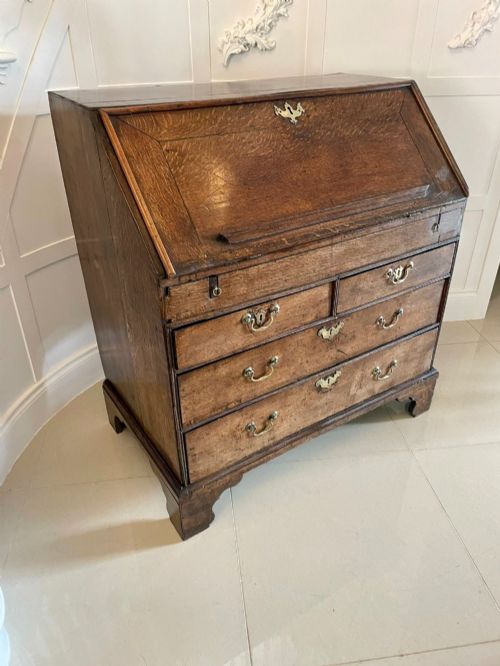
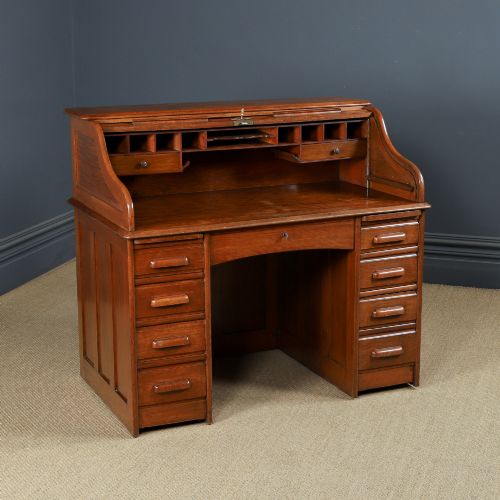
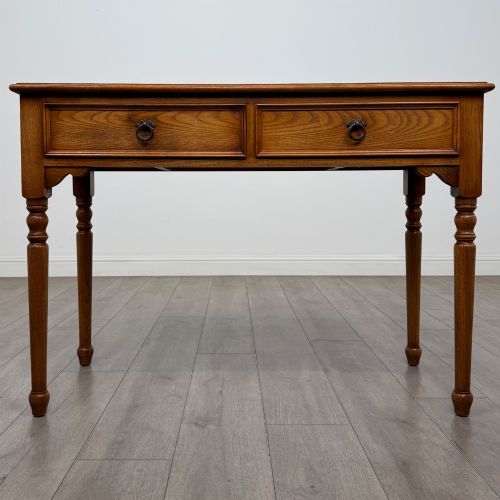
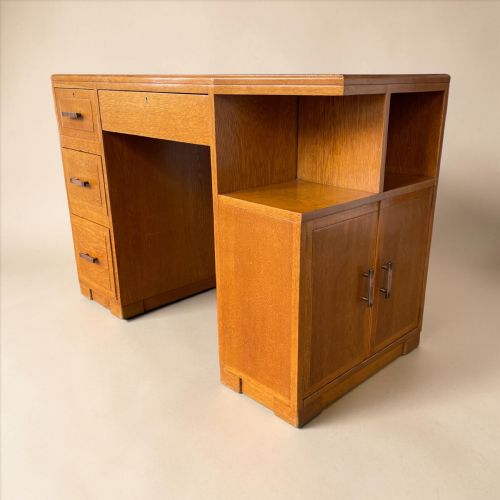
When you search for a warm oak writing desk, you encounter a practical surface designed for correspondence and clerical work, built from sturdy timber. The selection spans centuries of cabinetmaking, featuring forms ranging from Georgian writing tables to Edwardian roll tops.
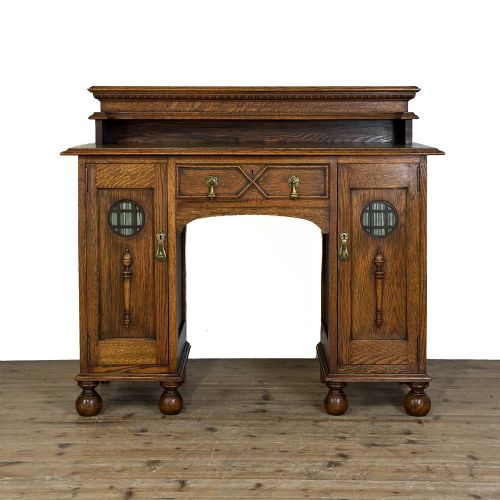
You are most likely to meet desks, lowboys, and bureaus originating from the eighteenth and nineteenth centuries, alongside regional examples like Welsh country pieces. These items demonstrate the durable utility demanded by past generations, shaped into functional furniture for daily use.
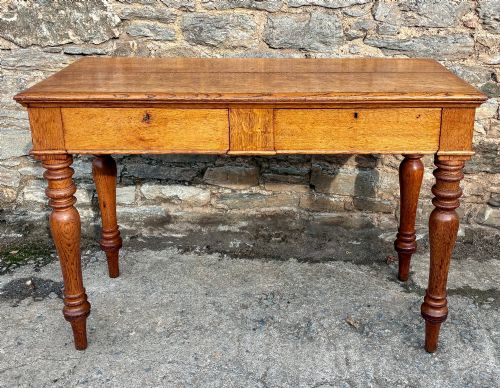
The objects include related forms such as side tables and lowboys that served similar domestic functions in period homes. Each piece reflects the specific structural needs of its era, from simple drawer arrangements to more complex pedestal designs.
How they were made
Cabinetmakers constructed these pieces primarily from solid oak, sometimes utilising fruitwood or pollard oak for contrast and decorative effect. Timber selection depended on regional availability and the desired finish, ensuring a robust carcass capable of withstanding heavy daily use.
Metal and brass hardware, including key escutcheons and drawer pulls, complemented the wooden structures while providing necessary mechanical function. Traditional joinery techniques secured the frames without modern adhesives, relying on precise cuts and fits that endured for centuries.
Some desks arrive with ink stains inside the small drawers, left behind by writers who abandoned their quips centuries ago.
What varies in quality
The refinement of timber selection and the skill of the hand-cut joinery dictate the standing of an individual piece. Better examples display carefully matched grain patterns across the primary surfaces and smooth drawer construction.
Proportion and decorative restraint separate standard utility furniture from finer regional or period pieces. The integration of quality brass fittings and secondary woods further distinguishes superior examples within the range.
The Warm Oak Writing Desk Glossary
- Lowboy
- A small side table with drawers, typically produced in the eighteenth century and often utilised as a writing or dressing surface.
- Bureau
- A sloping desk with a hinged fall-front that conceals internal compartments and pigeonholes for paperwork.
- Pollard oak
- Oak timber taken from pollarded trees, exhibiting a dense, clustered grain pattern highly prized for decorative veneer.
- Fruitwood
- Dense hardwood harvested from fruit-bearing trees, frequently employed for secondary elements or smaller country furniture.
- Pedestal
- A structural support column or set of drawers positioned beneath the main writing surface of a desk.
Warm Oak Writing Desk: Frequently Asked Questions
What is a lowboy used for?
A lowboy served multiple domestic purposes in period homes, functioning primarily as a small dressing table or a compact writing surface.
Its compact footprint allowed it to fit easily into smaller chambers where larger furniture pieces were impractical.
How do I identify a Georgian desk?
Georgian desks are typically characterised by restrained classical proportions, solid oak construction, and traditional brass drawer pulls.
They often feature straightforward rectangular outlines with careful attention to the joinery and timber grain.
What is pollard oak?
Pollard oak is a decorative wood derived from trees that were cut back near the trunk to encourage dense, knotty growth.
This growth creates a distinctive, highly figured grain pattern that cabinetmakers utilised for striking visual contrast.
How should I care for an antique oak desk?
Maintain antique oak by keeping it away from direct heat sources and sudden humidity changes that can cause the timber to split.
Regular dusting with a dry cloth and occasional application of traditional wax helps preserve the natural finish.