




Warm Oak Kitchen Dresser
A warm oak kitchen dresser anchors a room with generations of utility and character.
Warm Oak Kitchen Dresser
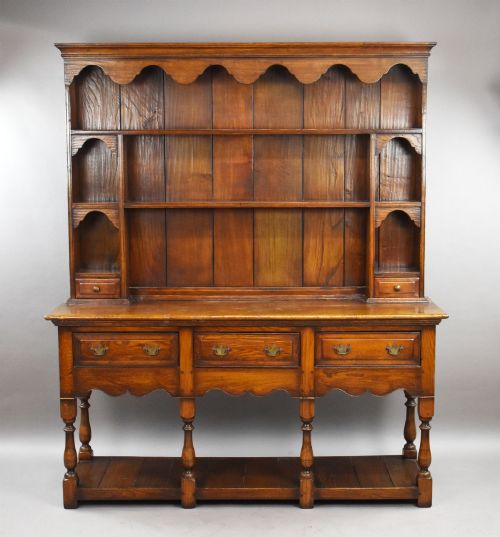
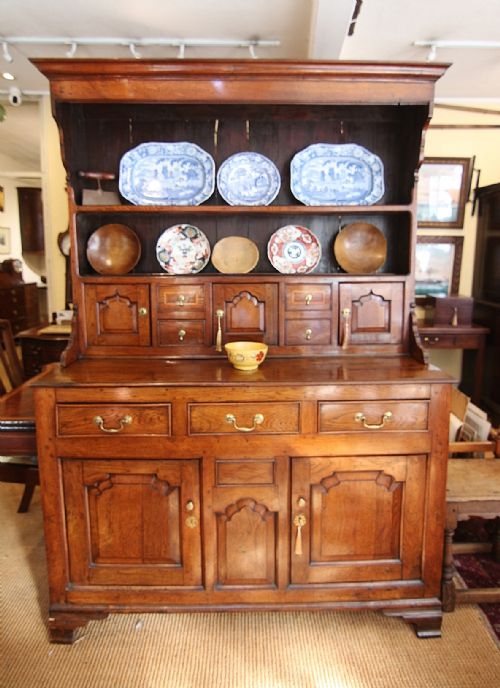
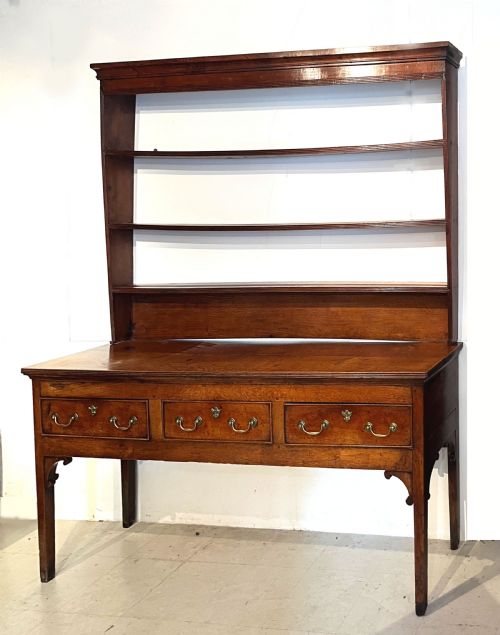
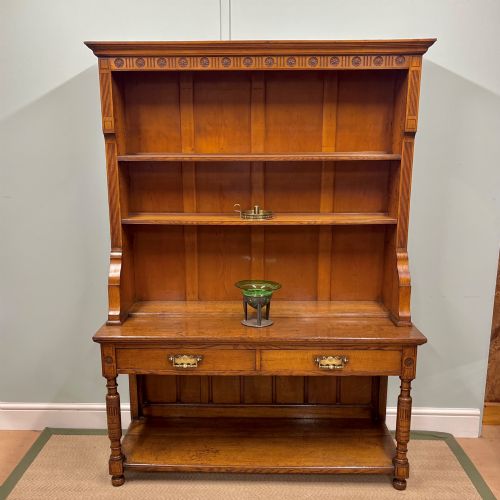
A warm oak kitchen dresser serves as both storage and display, bringing substantial presence to domestic spaces. When you search for a warm oak kitchen dresser, you encounter pieces spanning from the seventeenth century through to the early twentieth century, with Georgian and Victorian examples appearing frequently.
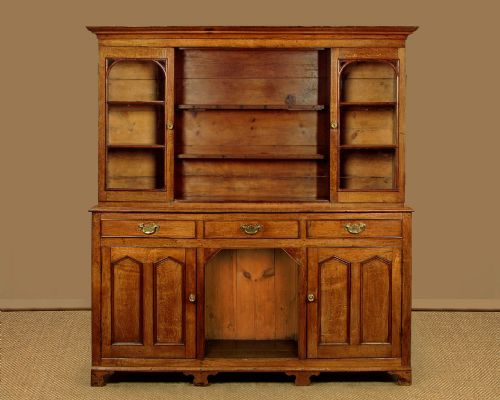
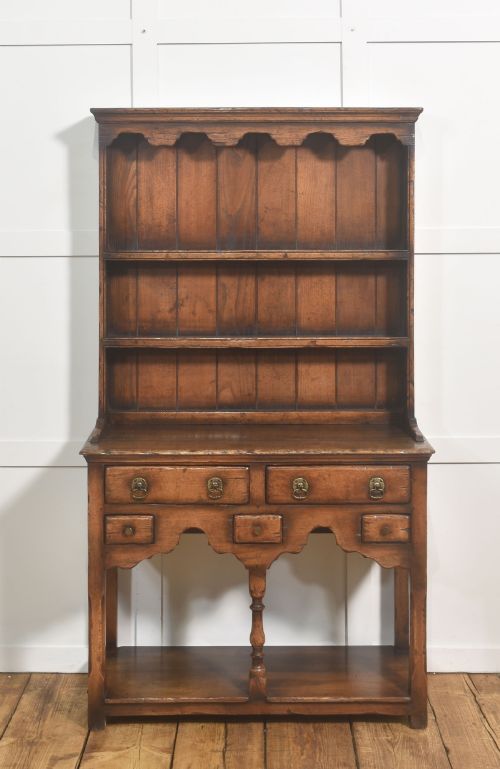
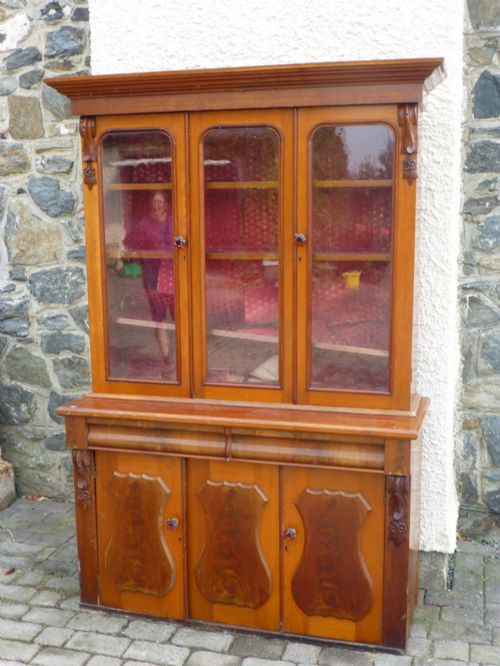
These items primarily take the form of traditional dressers and hutches, often featuring plate racks or glazed upper cupboards above enclosed bases. Regional variations such as Welsh and French provincial designs emerge across the selection alongside English country vernacular pieces.
The materials centre on solid oak, frequently complemented by fruitwood, mahogany, and pine. Upper sections generally incorporate shelves for display, while lower sections provide deep cupboard or drawer storage for culinary equipment.
Construction and materials
Cabinet makers utilised solid timber construction, employing oak as the primary structural and visual medium. Secondary woods like pine and fruitwood occasionally appear in drawer linings and internal shelving.
Hardware such as brass handles, escutcheons, and iron hinges contribute functional detail and structural support. Glazed doors incorporate glass panes set into timber frames, while inlay work in mahogany introduces contrasting detail on specific regional examples.
Warm Oak Kitchen Dresser Retail Price Guide 2026
Typical asking prices for warm oak kitchen dresser among the pieces listed under this phrase on Sellingantiques today, from the lower quarter to the upper quarter. They describe what is for sale here now, not the wider market.
One notable nineteenth-century Welsh dresser carries the evocative provenance of originating from a cafe near Snowdon.
Assessing quality and craftsmanship
The distinction between tiers of quality rests upon the integrity of the timber selection and the precision of the joinery. Pieces featuring well-figured oak boards with stable construction demonstrate superior longevity and visual depth.
Proportion and regional authenticity distinguish finer regional work, such as Snowdonia or Talwrn dressers, from standard utility pieces. The integration of original plate racks and hardware substantially elevates the character of the item.
Heals of London
The Warm Oak Kitchen Dresser Glossary
- Dresser base
- The lower cabinet portion of a dresser featuring cupboards or drawers without the upper plate rack.
- Plate rack
- The open shelving unit fixed to the upper back of a dresser, designed for displaying ceramic plates.
- Vernacular
- Furniture designed and built by local craftsmen for everyday domestic use, reflecting regional traditions rather than metropolitan styles.
- Escutcheon
- A protective plate surrounding a keyhole, frequently cast in brass on period cabinetry.
Warm Oak Kitchen Dresser: Frequently Asked Questions
What is a Welsh dresser?
A Welsh dresser traditionally combines an open plate rack on top with a base of drawers and cupboards. These pieces originated in Wales for domestic storage and display.
Regional variations display specific regional characteristics in their timber selection and moulding details.
How do I date an oak dresser?
Dating relies on examining construction methods, timber patination, and design styles across periods from the seventeenth to the twentieth century. Hand-cut dovetails and pegged joints generally indicate earlier Georgian or seventeenth-century origins.
Later Victorian and early twentieth-century examples display more standardised machine assistance and different hardware fittings.
Can I use a dresser in a modern kitchen?
These dressers integrate effectively into contemporary kitchens by providing substantial storage and display space for modern tableware. The warm tones of aged oak soften sleek modern kitchen units.
Ensure you measure ceiling height and floor space accurately before placement, as many period pieces have generous proportions.
What is fruitwood used for?
Fruitwood appears alongside oak in regional pieces, often utilised for contrasting banding, drawer linings, or secondary structural elements. Its fine grain complements the coarser texture of oak.
Makers selected these timbers for their resilience and attractive warm colour tones.