


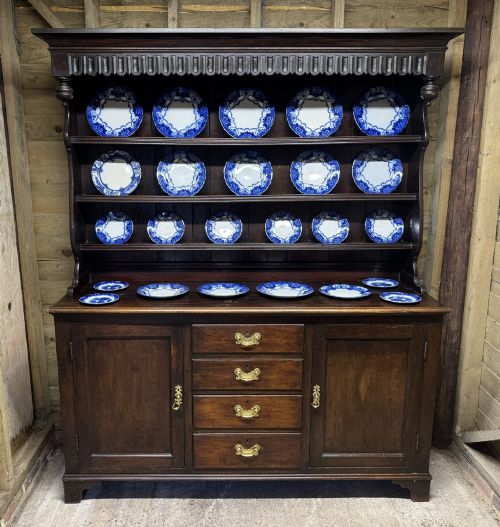
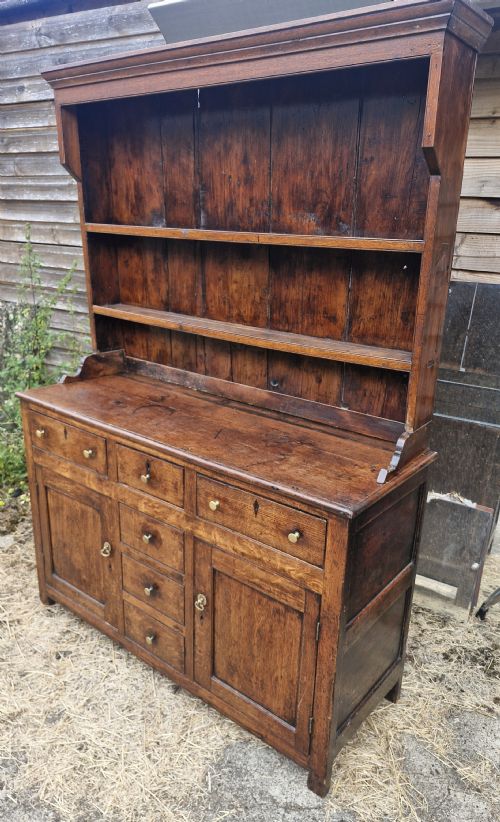
Antique Oak Kitchen Sideboard
An antique oak kitchen sideboard brings solid timber storage and rural character into a domestic space.
Antique Oak Kitchen Sideboard
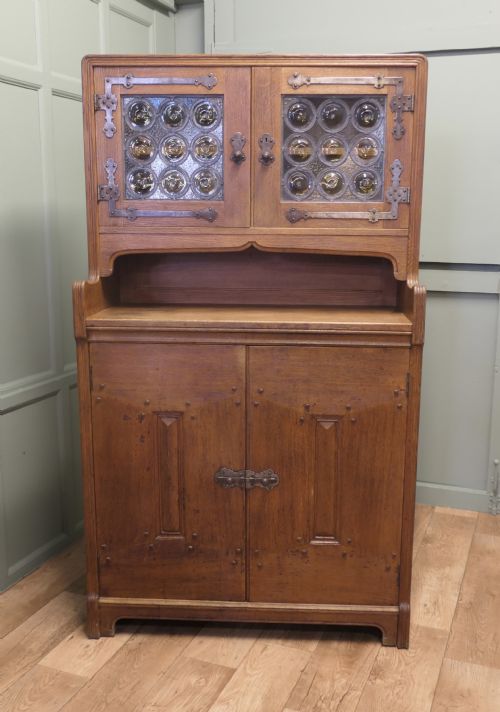
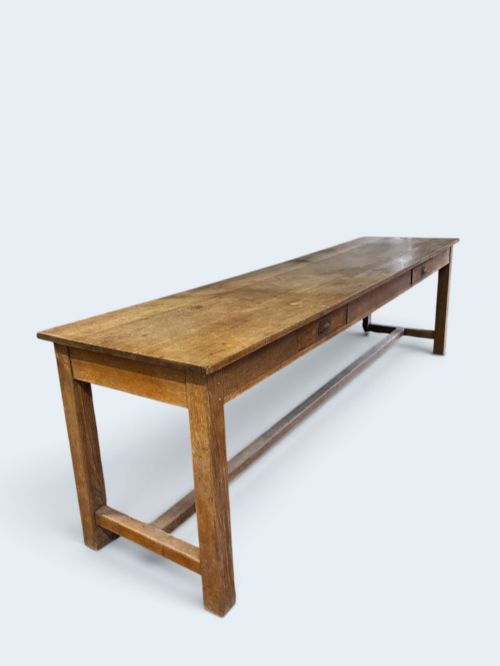
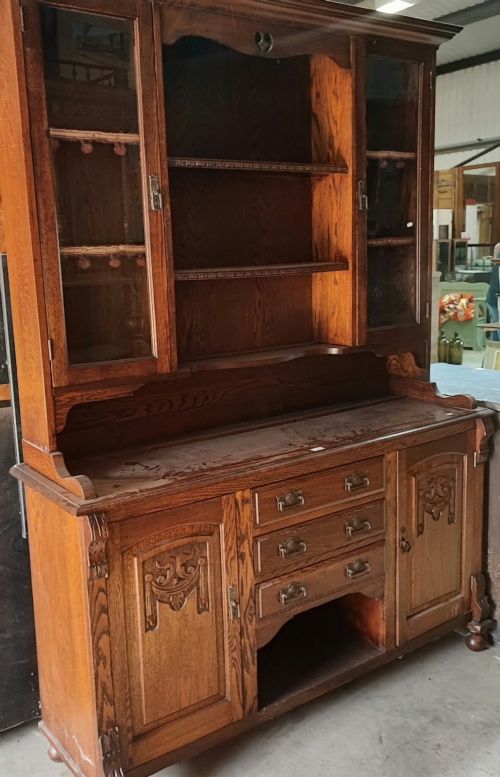
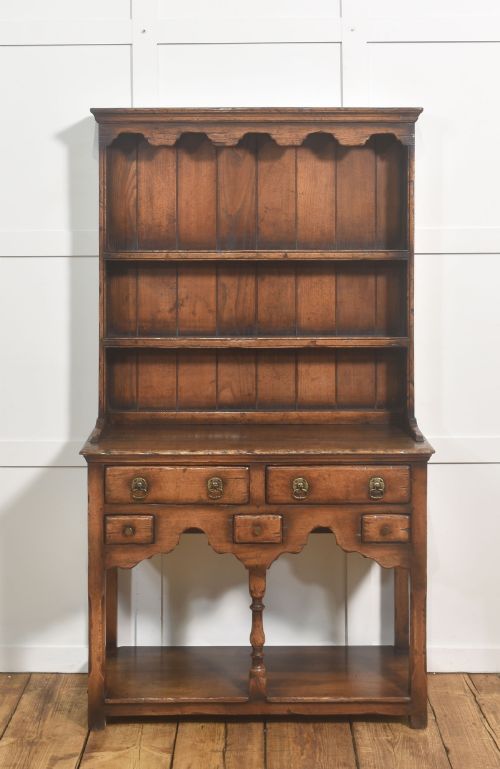
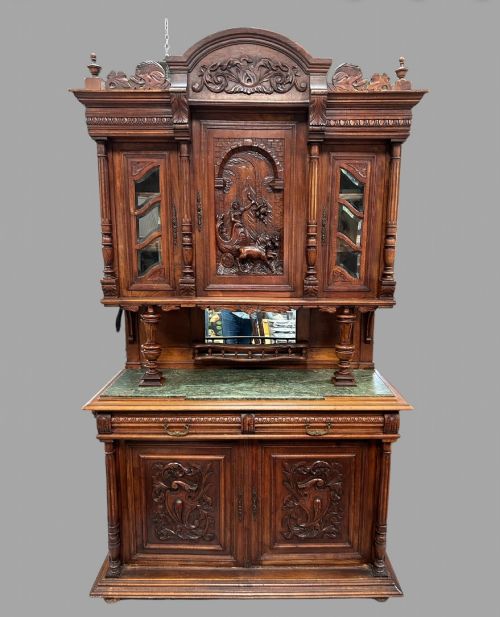
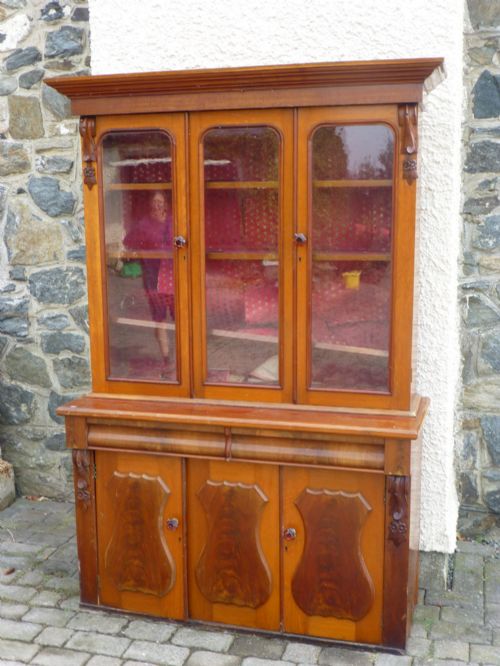
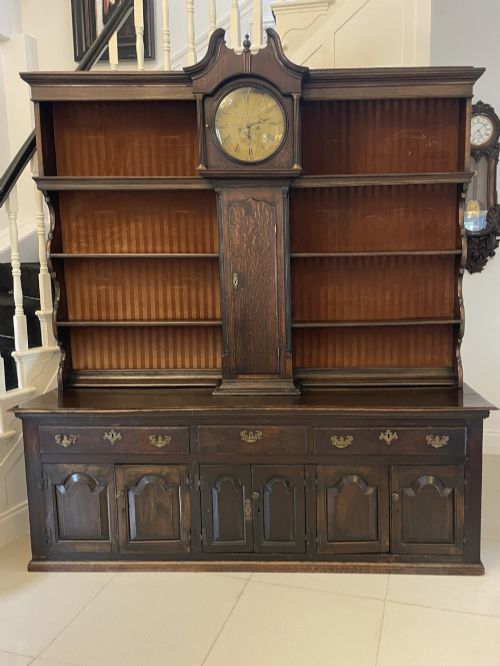
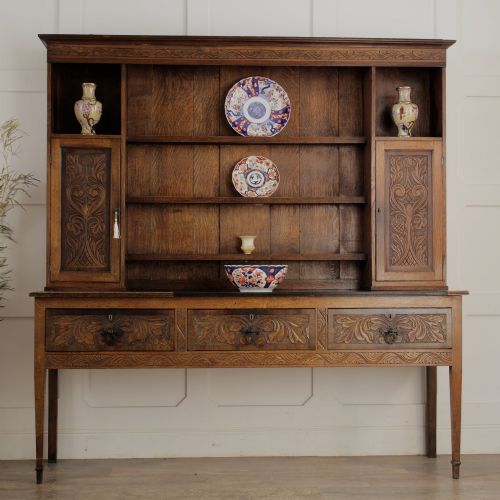
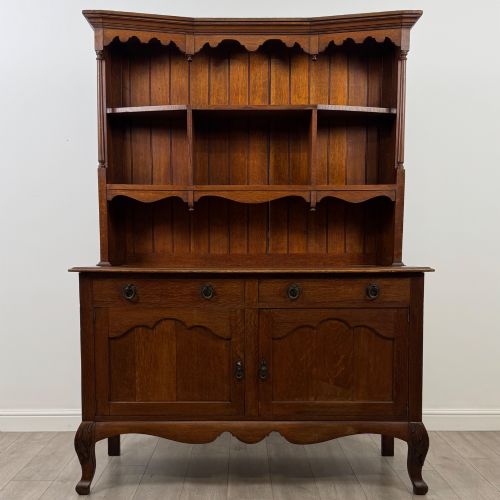
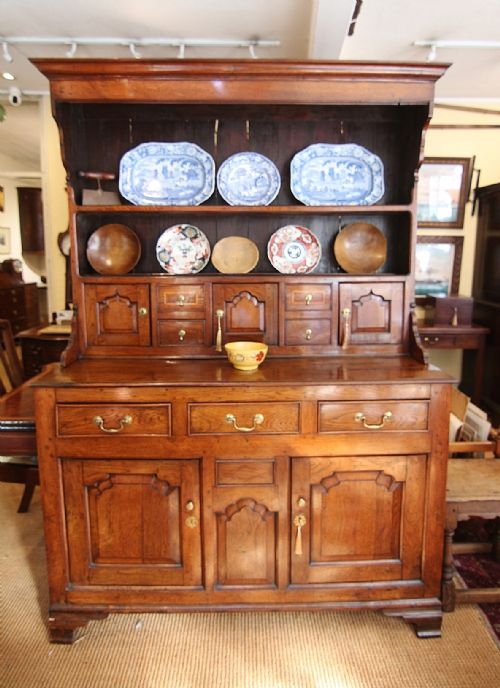
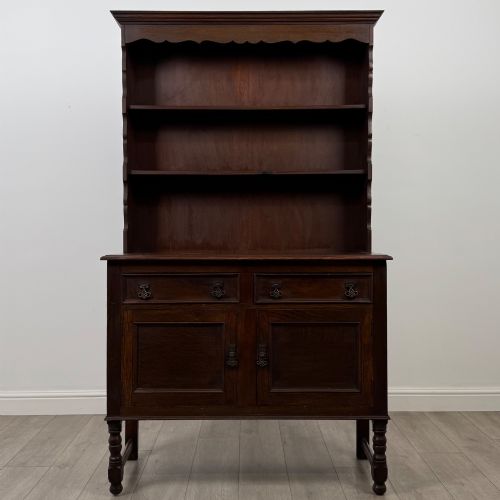
An antique oak kitchen sideboard generally takes the form of a potboard dresser base, a dresser with an upper plate rack, or a country serving table. These pieces originate from domestic kitchens and dining spaces across Britain and Europe, dating from the eighteenth century through to the Edwardian period.
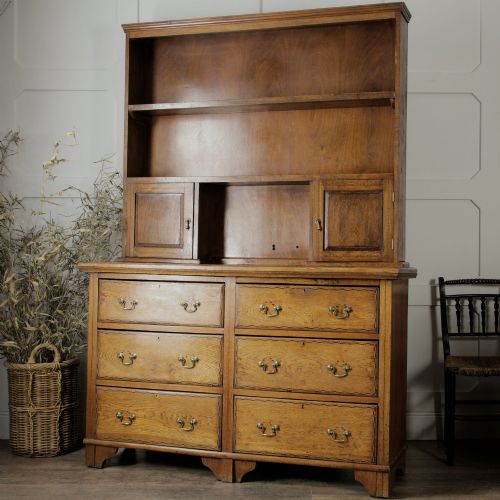
The version most commonly encountered on this page is the traditional Welsh or English country dresser, constructed with drawers above a lower shelf or cupboard base. Makers built these items to serve daily domestic functions, combining display space for tableware with enclosed storage for provisions and utensils.
Regional variations appear frequently, including Snowdonia and Llanrwst forms alongside English George III and French Provincial examples. Buyers encounter both open-rack dressers designed for ceramic display and closed sideboard bases intended purely for surface utility.
How they were made
Carpenters constructed these sideboards primarily using solid oak timbers, often supplemented with secondary woods such as pine, mahogany, or fruitwood for internal elements. Joinery relied on traditional mortise and tenon frames, hand-cut dovetails for drawer construction, and pegged joints to secure the heavy framework.
Surface finishing involved hand-planing and waxing the timber to protect the wood while developing a deep natural patina over decades of use. Hardware typically consisted of brass drop handles or iron fittings, while finer regional pieces incorporated subtle inlay work or carved details.
Bread and cheese cupboards feature ventilated wooden panels designed to keep rural snacks safe from mice.
What varies in quality
The standard of an antique oak kitchen sideboard depends largely on the integrity of its timber selection and the restraint of its construction. Pieces fashioned from thick, well-figured oak boards with original backboards and unaltered potboard bases command greater interest than those altered or assembled from mixed components.
Proportion and regional detail also separate ordinary examples from exceptional ones. Crisp hand-carving, well-proportioned drawer arrangements, and surviving original brass or iron hardware reflect higher workshop standards during the period of manufacture.
Liberty
The Antique Oak Kitchen Sideboard Glossary
- Potboard
- A low slatted shelf fitted between the legs of a dresser base, traditionally used for storing pots and pans. This open lower tier is a defining characteristic of many eighteenth-century country pieces.
- Dresser rack
- The shelving superstructure fixed to the top of a dresser base, featuring plate grooves and plate rails. It was designed to display ceramic plates and platters upright against the wall.
- George III period
- The era spanning the reign of King George III from 1760 to 1820, known for architectural proportion and solid timber construction in domestic furniture. Pieces from this time often exhibit balanced drawer layouts and understated mouldings.
- Bread and cheese cupboard
- A regional storage form featuring pierced splats or louvred panels for ventilation, historically used in rural kitchens to store perishable food items.
- Vernacular furniture
- Domestic items made by local country craftsmen using regional traditions and readily available local woods rather than following strict metropolitan design rules.
Antique Oak Kitchen Sideboard: Frequently Asked Questions
What is a potboard dresser base?
A potboard dresser base is a heavy wooden sideboard featuring drawers across the top and an open lower shelf near the floor. This bottom tier provided practical storage for heavy kitchen cookware in country homes.
Unlike standard sideboards with enclosed lower cupboards, the open potboard design allowed air circulation around metal and ceramic pots. These pieces form a significant portion of early oak kitchen furniture.
How do I date an oak sideboard?
Dating relies on examining construction methods, timber choice, and hardware fixings. Hand-cut dovetails, pegged joints, and timber shrinkage patterns typically indicate eighteenth or early nineteenth-century origins.
Later Victorian and Edwardian examples often feature machine-sawn components, standardised fixings, or revival styling such as carved green man motifs or Arts and Crafts influences.
Were plate racks originally attached?
Many traditional dressers were built as two-part units comprising a lower sideboard base and an upper plate rack. Over time, families sometimes separated the two components depending on ceiling height and space.
When evaluating a piece with a rack, look for consistent timber ageing, matching wood species, and evidence of original fixing points to determine if the combination is period-correct.
How do I care for antique oak furniture?
Antique oak benefits from stable room temperatures and protection from direct sunlight, which can dry out the timber and fade the patina. Applying a traditional beeswax polish occasionally helps nourish the wood surface.
Avoid placing these heavy wooden pieces near direct heat sources or damp exterior walls. Regular dusting with a soft, dry cloth preserves the finish without damaging the grain.