


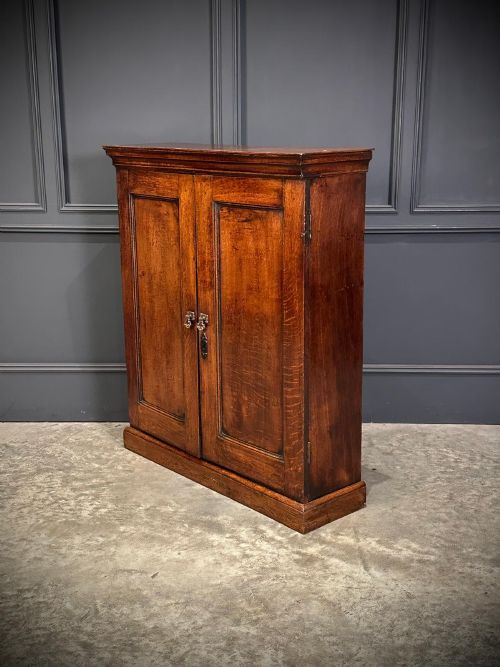
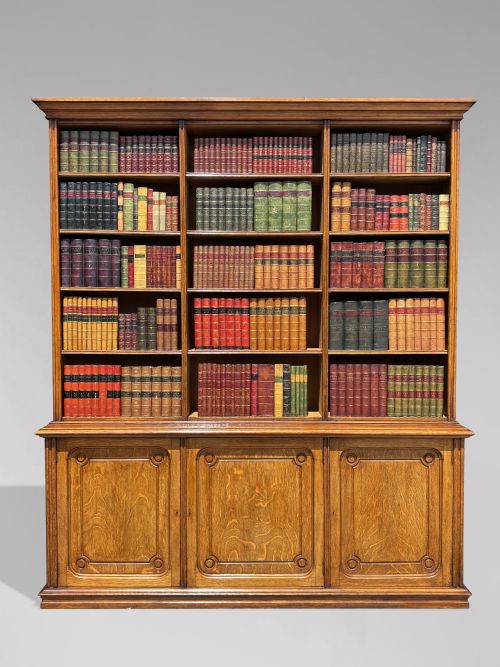
Warm Oak Cupboard
A warm oak cupboard brings dense, honest grain and centuries of utility straight into a modern hallway or kitchen.
Warm Oak Cupboard
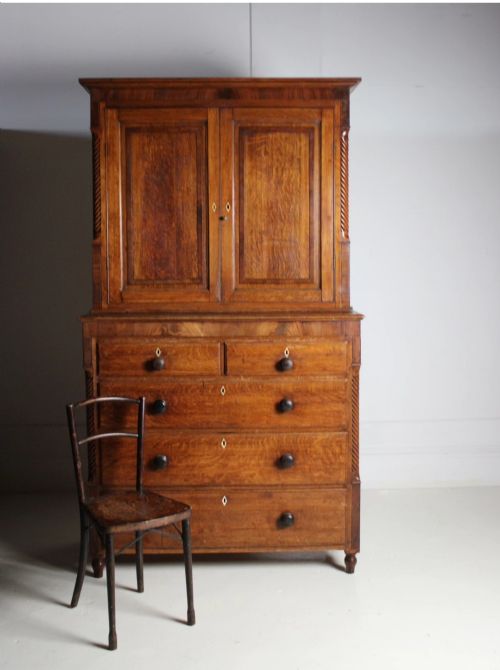
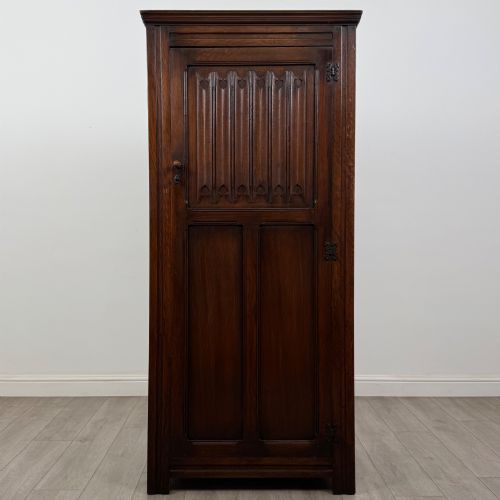
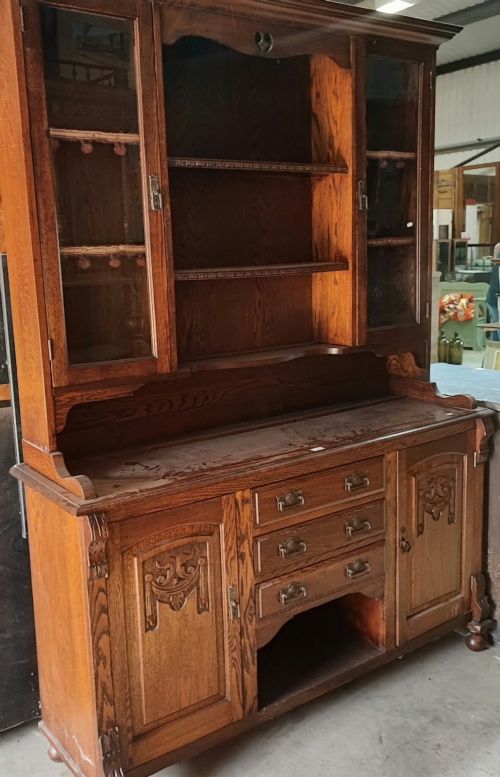
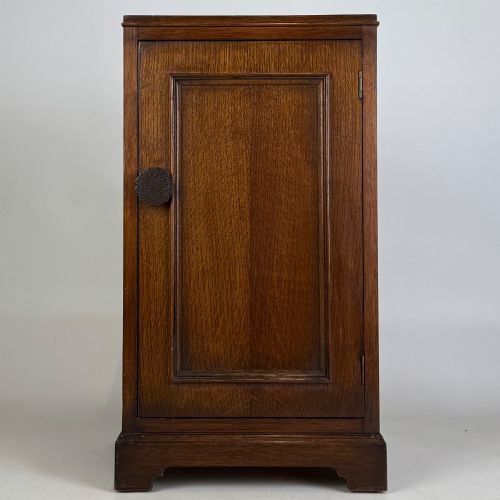
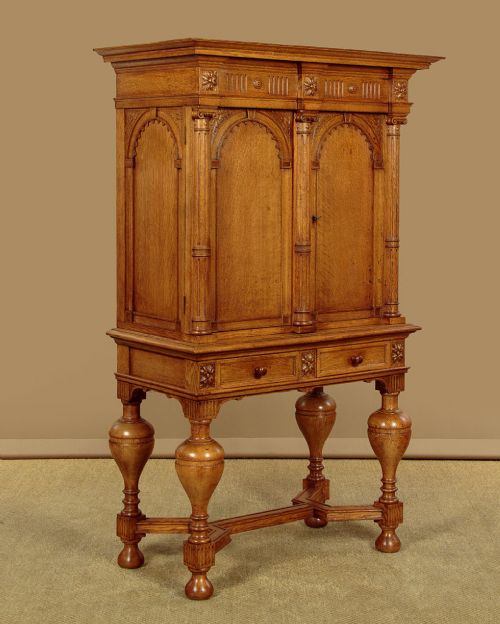
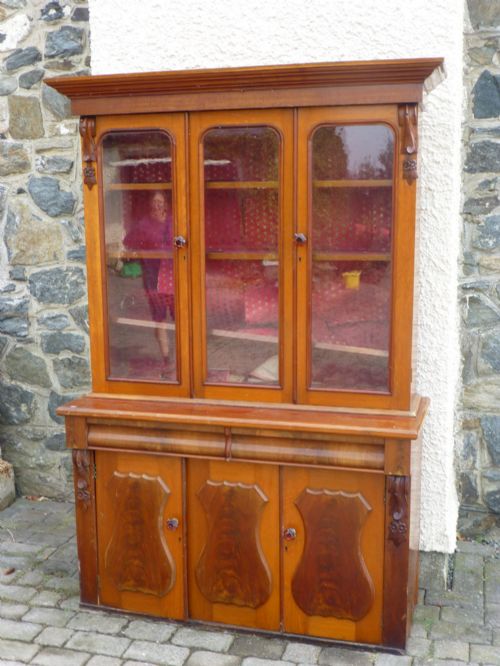
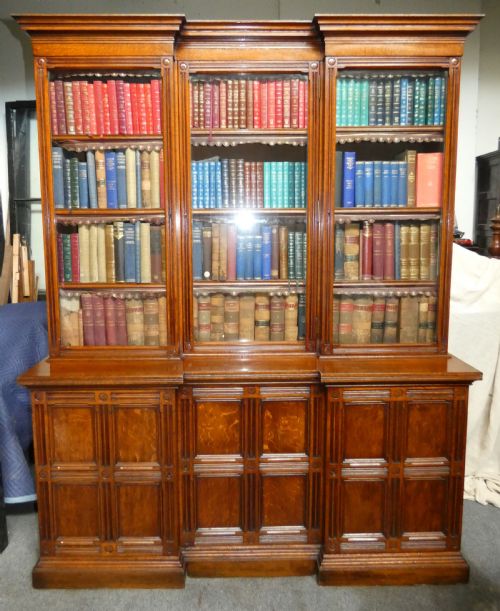
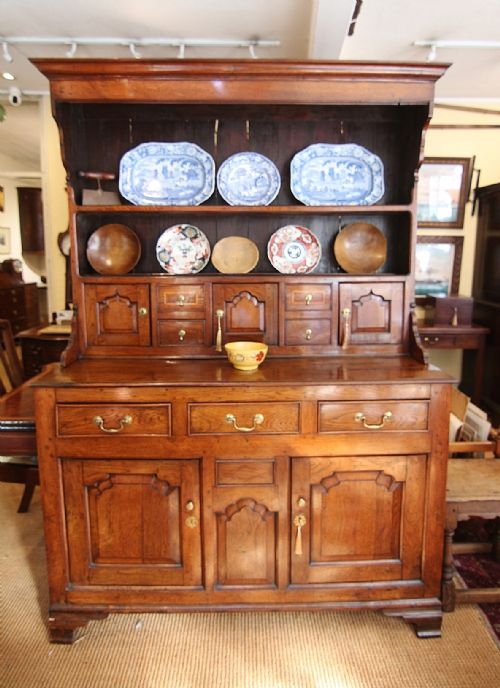
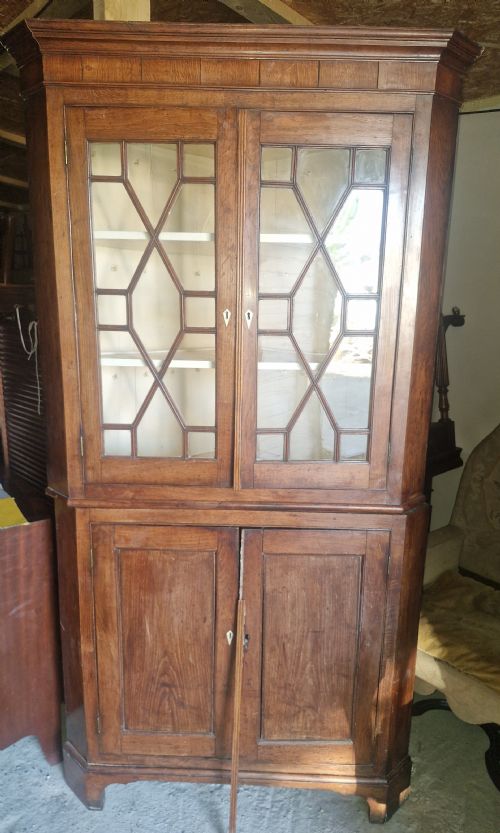
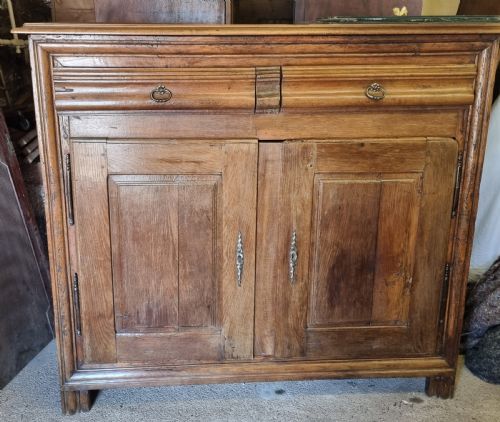
A warm oak cupboard encompasses a vast range of sturdy storage forms designed for domestic life across the centuries. When buyers search for a warm oak cupboard, they encounter heavy dressers, panelled corner units, spice cabinets, and tall housekeepers' repositories. These pieces span early country workshops to formal Georgian parlours and later Arts and Crafts studios.
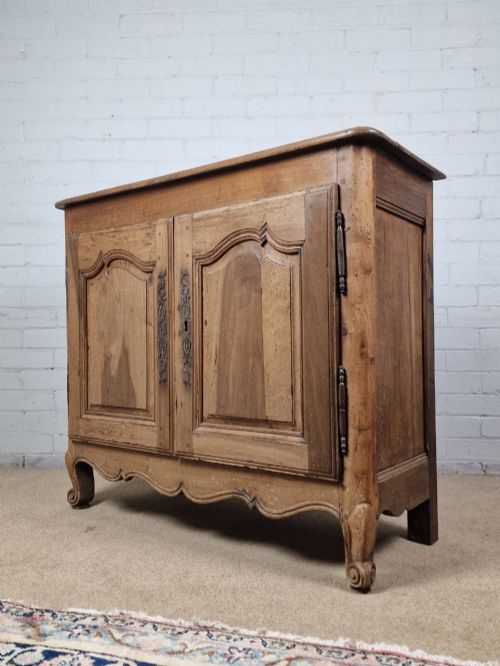
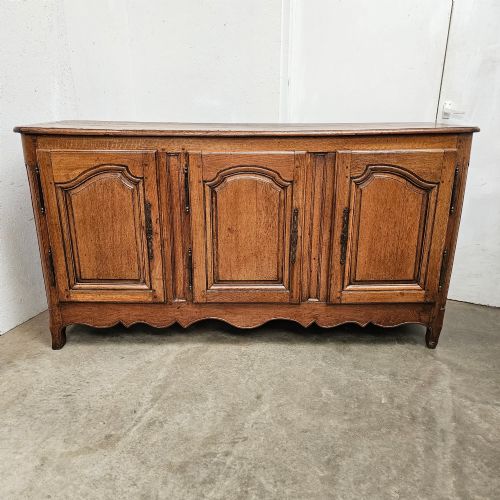
The pieces appearing on this page lean heavily towards traditional British and continental storage forms made from native hardwoods. Buyers will frequently find eighteenth-century Welsh dressers, corner cabinets with glazed doors, and low provincial sideboards shaped by regional carpentry traditions. Oak remains the constant thread, aged to a rich, honeyed tone through generations of polishing.
Domestic storage has evolved from simple joined boxes and court cupboards to elaborate dressers with shelved plate racks and linen presses. Each period leaves distinct marks on the timber, whether through hand-planed surfaces, pegged joints, or decorative inlay work. The surviving items reflect practical household needs, offering deep shelving and robust doors designed to endure.
Materials and construction methods
Cabinet makers relied primarily on solid oak, frequently paired with secondary woods such as fruitwood, walnut, or mahogany for contrast and interior framing. Timber was hand-sawn and seasoned carefully before construction, resulting in heavy, stable planks that resist warping. Brass hinges, iron latches, and wrought iron strapwork provide durable functional hardware.
Traditional joinery defined these cabinets, utilising tight mortise and tenon joints secured with wooden pegs rather than modern metal fasteners. Panels were allowed to float within grooves to accommodate natural expansion and contraction of the solid timber through changing seasons. Drawer linings typically employed hand-cut dovetails, showing clean interior craftsmanship.
Regional variations appear clearly across the selection, featuring traditional Welsh dressers alongside French provincial enfilades and Dutch cabinets.
Judging quality and proportion
Quality rests heavily on the integrity of the timber selection and the restraint of the maker's hand. Superior examples display striking medullary rays in quarter-sawn oak, coupled with crisp, deep mouldings and well-balanced proportions. Lesser pieces may suffer from heavy-handed later alterations, clumsy restorations, or replacement hardware that disrupts the historical harmony.
The distinction between ordinary utility items and exceptional cabinet work often lies in surface patination and structural honesty. Untouched surfaces retain a soft, waxy build-up accrued over centuries, whereas over-stripped timber loses its characteristic warmth. Subtle details like pegged joints, original backboards, and fine inlay elevate a straightforward storage unit into a notable piece of vernacular art.
Heals of London·Maple and Co
The Warm Oak Cupboard Glossary
- Court cupboard
- An early two-tier storage piece, usually featuring an upper recessed cabinet supported by sturdy posts above a larger lower section.
- Housekeepers cupboard
- A large, tall storage unit traditionally utilised for housing household linens, dry goods, and kitchen provisions.
- Welsh dresser
- A prominent kitchen and dining room form combining a base of drawers and cupboards with an open upper plate rack.
- Cwpwrdd Gwydr
- A traditional Welsh term for a glass-fronted display cupboard or cabinet designed to protect and showcase tableware.
- Medullary rays
- Natural ribbon-like flecks visible in quarter-sawn oak that indicate high-quality timber conversion and structural stability.
Warm Oak Cupboard: Frequently Asked Questions
How do I date an oak cupboard?
Dating relies on observing construction techniques, tool marks, and hardware styles. Hand-sawn boards, pegged joints, and vernacular drawer dovetails point towards earlier centuries.
Later Victorian and Edwardian pieces often incorporate mechanical screws, machine-cut mouldings, and standardised brass fittings. Comparing the secondary woods inside drawers also helps establish the era of manufacture.
Where should I place a heavy oak cupboard?
These robust pieces suit kitchens, dining rooms, and spacious hallways where their deep storage proves genuinely useful. Ensure the floor is level, as heavy hardwood cabinets require stable placement to keep doors hanging truly.
Keep solid oak away from direct heat sources like radiators to prevent the timber from drying out and splitting over time.
Are these cupboards made of solid oak?
Most traditional pieces utilise solid oak for the primary structural frame, doors, and visible exterior panels. Secondary timbers like pine or fruitwood frequently appear on concealed parts such as drawer bases and backboards.
Examining the grain pattern across panel edges helps confirm whether the timber is solid or veneered.
How do I care for antique oak furniture?
Maintain the finish by applying a natural beeswax polish occasionally and buffing it gently with a soft cloth. Avoid silicone-based sprays, which can build a sticky residue and dull the historic surface patination.
Dust regularly with a dry cloth to prevent airborne grit from settling into the deep grain of the wood.