


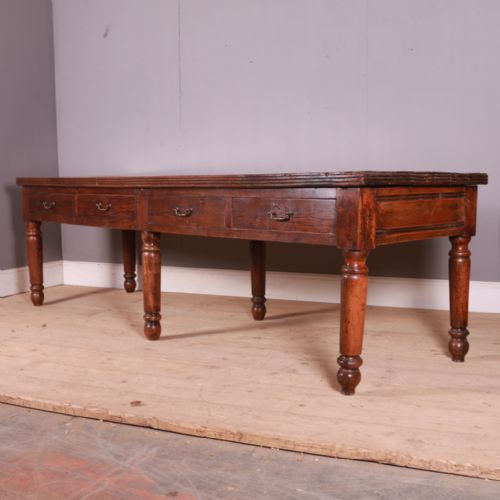


Warm Brown Work Table
These warm brown work table pieces bring rich timber tones and practical charm to any room, offering versatile surfaces and clever storage.
Warm Brown Work Table
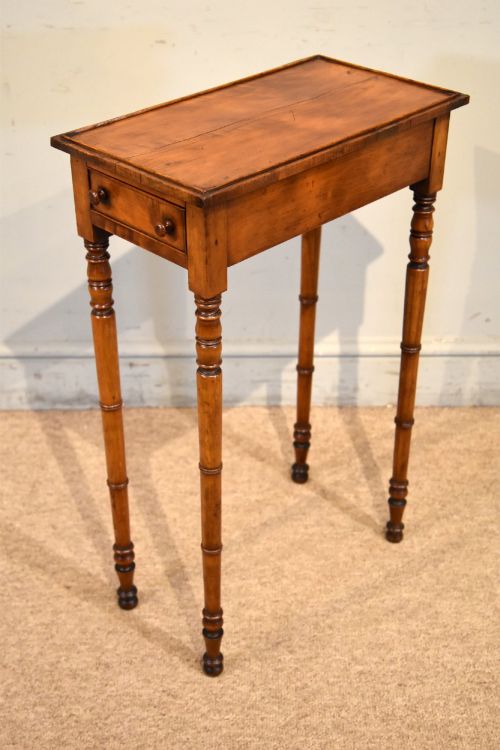
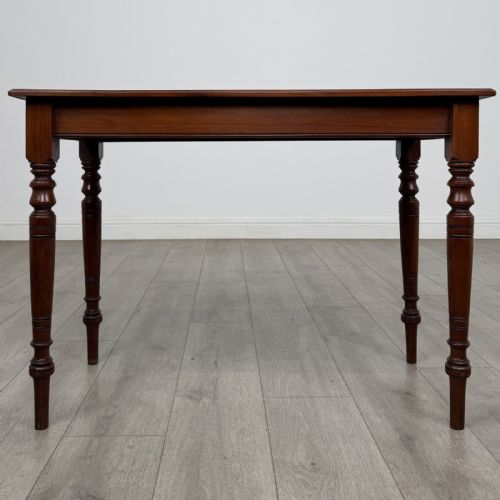
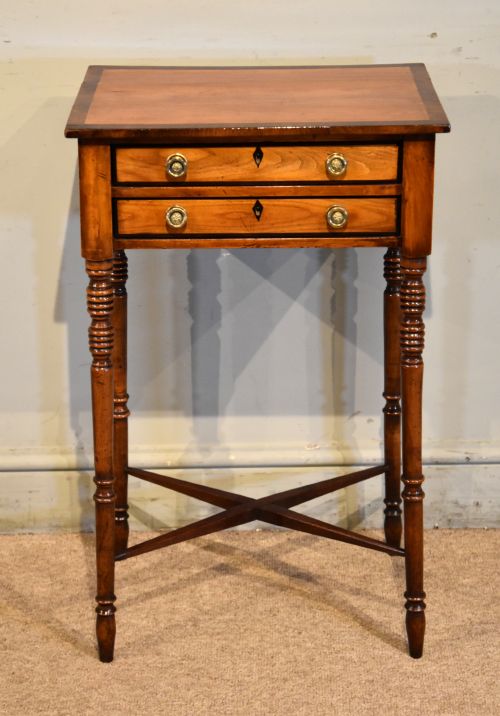
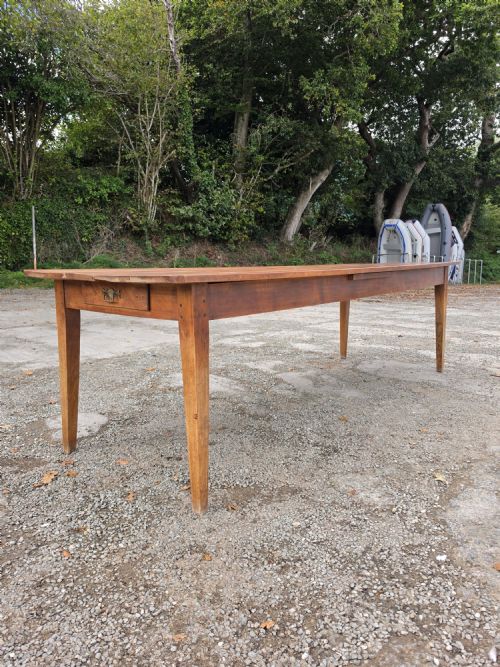
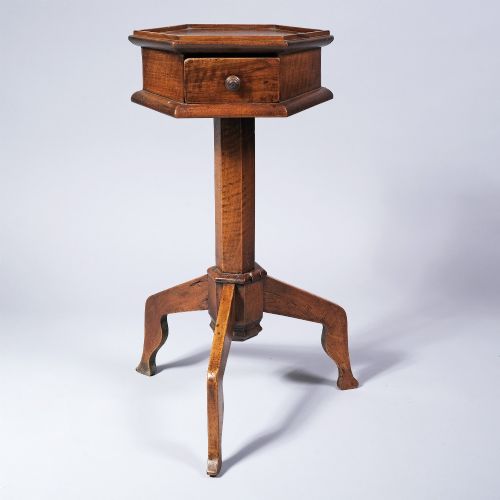
A warm brown work table brings practical nineteenth century utility into modern rooms through compact proportions, drawers, and drop leaves designed for domestic tasks. Buyers searching for a warm brown work table encounter diverse forms ranging from Victorian drop leaf designs to early nineteenth century fruitwood occasional pieces.
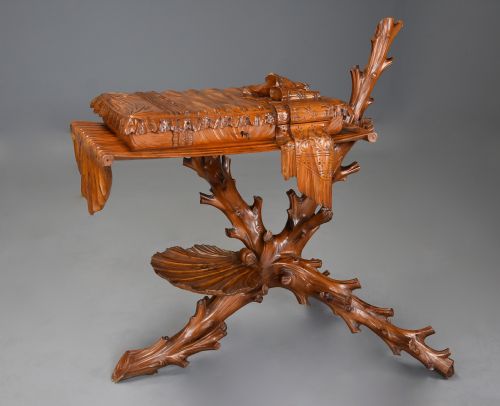
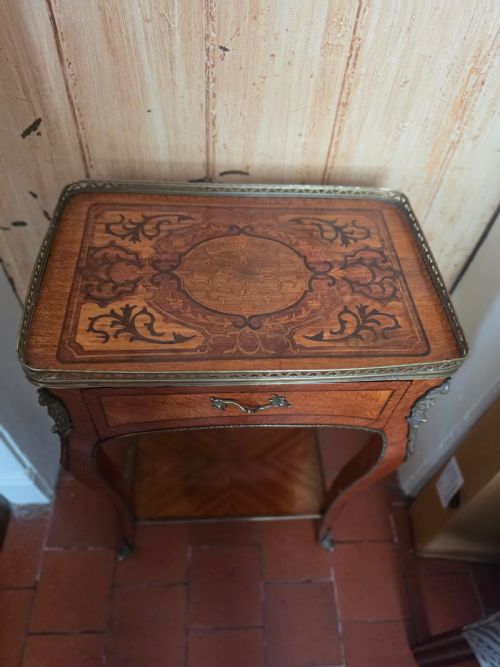
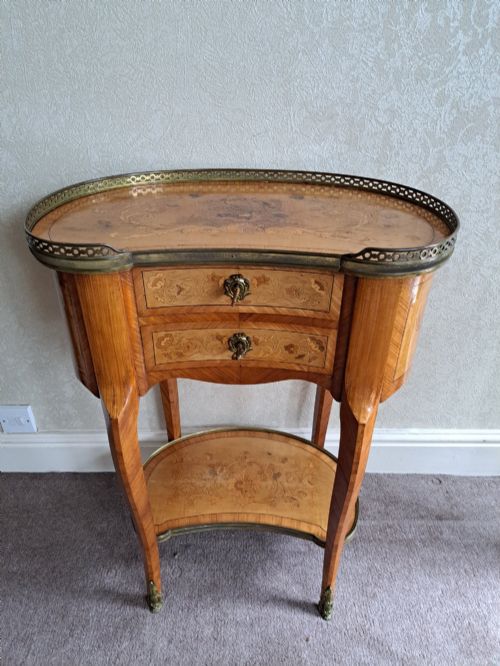
The selection on this page spans Georgian, Victorian, and Edwardian eras alongside distinct stylistic interpretations like French Louis XVI and Italian Grotto. These tables serve multiple roles in everyday living, functioning easily as side tables, lamp tables, or dedicated writing desks.
How they were made
Cabinet makers utilised dense hardwoods such as mahogany, walnut, fruitwood, and kingwood to construct sturdy frames and smooth working surfaces. Timber selection focused on rich grain patterns and deep natural colourations that deepened over centuries.
Decorative techniques include intricate marquetry inlays, boxwood stringing, and applied brass or gilt-metal mounts. Work tables frequently incorporate clever internal compartments, fitted drawers, and drop leaf mechanisms requiring precise joinery.
Listings feature nineteenth century pieces spanning the Georgian, Victorian, and Edwardian periods, constructed from mahogany, walnut, fruitwood, pine, and kingwood.
What varies in quality
Quality rests upon timber selection, where highly figured burr walnut, rosewood, and finely matched veneers distinguish superior examples from plain pine or simpler fruitwood pieces. The crispness of carved details, such as the naturalistic motifs found on Grotto pieces, signals skilled craftsmanship.
Construction integrity defines the upper tier of pieces, visible in tight joints, smooth drawer operation, and original brass hardware. Tables retaining their fitted interior compartments and original timber patination achieve greater architectural harmony.
The Warm Brown Work Table Glossary
- Work table
- A small functional table equipped with drawers or drop leaves designed for needlework, writing, or general domestic tasks. These pieces combine decorative presence with practical compartmentalised storage.
- Marquetry
- The art of applying decorative veneer pieces in various woods to form geometric or pictorial patterns. This technique enhances table tops and drawer fronts with contrasting tones.
- Drop leaf
- A hinged table flap that folds down to reduce the footprint of the furniture or lifts to extend surface area. Brass hinges and sturdy support brackets usually secure these moving sections.
- Kingwood
- A dense, heavily figured timber valued by cabinet makers for its rich brown and violet-brown tones with darker striping. It appears frequently on French inlaid side tables.
- Grotto style
- A nineteenth century decorative aesthetic featuring carved naturalistic elements inspired by coral, shells, and marine motifs. This style often manifests in carved pine furniture.
Warm Brown Work Table: Frequently Asked Questions
What is a work table used for?
A work table provides a compact surface with built-in storage, originally intended for sewing, writing, or crafts.
Today these versatile pieces serve easily as lamp tables, bedside tables, or small desks in modern living spaces.
How do I identify a Victorian work table?
Victorian work tables often feature rich timbers like burr walnut or mahogany, frequently accompanied by drop leaves and fitted interior compartments for small items.
Look for nineteenth century construction methods, such as hand-cut dovetails in the drawers and traditional timber patination.
Are these tables suitable for small rooms?
These tables fit small spaces exceptionally well due to their modest nineteenth century proportions and functional drop leaf designs.
Many examples offer clever storage drawers without occupying excessive floor space in a hallway or sitting room.
What woods were commonly used?
Cabinet makers utilised a variety of timbers including mahogany, walnut, fruitwood, pine, and exotic woods like kingwood and rosewood.
Lighter woods such as boxwood frequently provided contrasting inlay details against the darker main surfaces.