
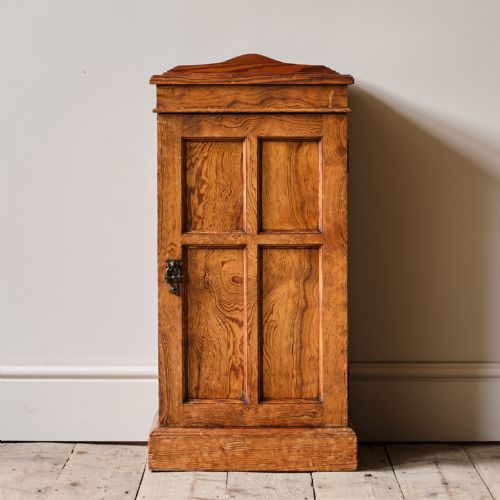
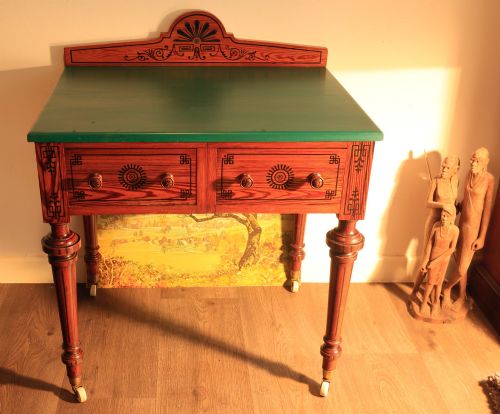


Carved Pine Side Table
A carved pine side table brings warmth and utility to a room, offering practical surface space shaped through Victorian cabinet-making.
Carved Pine Side Table
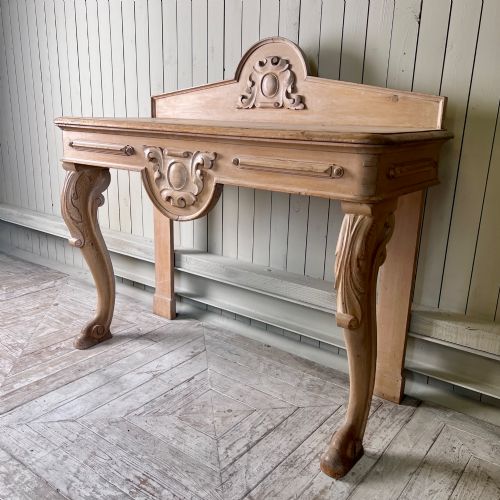
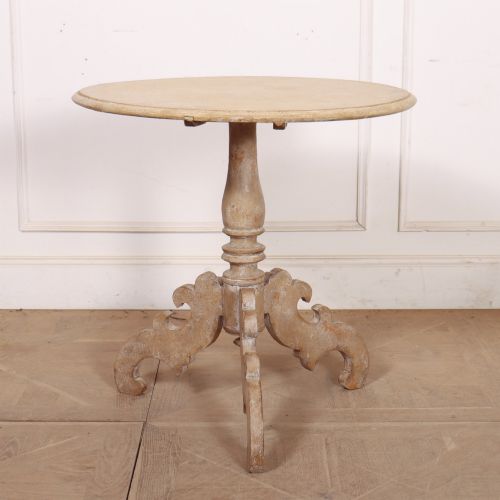
A carved pine side table appears primarily in nineteenth-century forms, connecting domestic utility with decorative regional styles. The pieces on this page span console tables, bedside cabinets, and occasional tables originating from various European traditions.
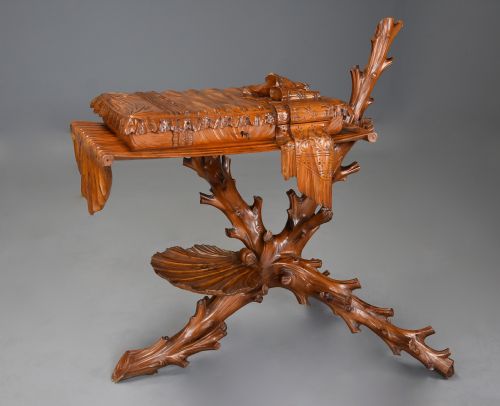
Victorian examples dominate the selection, often displaying regional characteristics such as Gothic Revival detailing, painted surfaces, or Italian Grotto carving. Buyers encounter versatile side tables, narrow pitch pine freestanding forms, and ecclesiastical altar tables.
Origins stretch across English workshops, Scandinavian country houses, and continental workshops, demonstrating how makers adapted softwoods into functional hallway stands, writing desks, and serving tables.
Materials and construction methods
Makers relied on pine and pitch pine for the primary framework, occasionally combining oak or incorporating marble tops and brass handles for durability and contrast. Softwood construction allowed carvers to execute deep relief work, intricate mouldings, and structural turnings with relative ease.
Surfaces frequently received decorative treatments including paint, black finishes, or gold leaf applications to elevate the status of the timber. Joinery methods range from simple pegged construction in country pieces to sophisticated cabinet work on console tables and writing desks.
Listings feature periods from the 1860s through 1900, using pine, pitch pine, oak, and marble.
Quality and craftsmanship variations
Depth and precision of the carving distinguish standard utilitarian pieces from high-end decorative examples, such as Italian grotto work or Gothic Revival altar tables. Superior pieces exhibit crisp relief, balanced proportions, and integrated secondary timbers like oak or structural marble.
The integrity of the original surface finish heavily influences character, where undisturbed historical paint or patinated pitch pine commands greater interest than later stripping or repainting.
The Carved Pine Side Table Glossary
- Gothic Revival
- An architectural and decorative style popular in the nineteenth century, characterised by pointed arches, quatrefoils, and ecclesiastical motifs. Pieces in this style often mimic medieval stone ornamentation in wood.
- Console table
- A table designed to be fixed against a wall, frequently supported by decorative legs or brackets. In nineteenth-century interiors, these served as hallway stands or decorative display surfaces.
- Grotto work
- Highly ornamental carving mimicking natural caves, shells, and marine elements, popular in nineteenth-century Italian furniture. This technique transforms standard pine into elaborate, sculptural surfaces.
- Occasional table
- A small, movable table intended for specific, intermittent use within a room rather than primary dining or writing. These forms include lamp tables and bedside cabinets.
Carved Pine Side Table: Frequently Asked Questions
Where should I place a carved pine side table?
These tables suit hallways, living rooms, and bedrooms where surface space is required without overwhelming the room's proportions.
Narrow console versions fit well in entrance spaces beneath mirrors, while painted bedside cabinets function effectively as compact storage beside a bed.
How do I identify a Victorian pine table?
Victorian pine furniture typically displays construction traits consistent with nineteenth-century workshop methods, including hand-cut joints and specific timber selections.
Look for period-appropriate characteristics such as pitch pine grain, Gothic Revival mouldings, or original painted finishes documented across the era.
What is the difference between standard pine and pitch pine?
Pitch pine contains higher resin content, making the timber heavier, harder, and more durable than standard softwood varieties.
This increased density allowed nineteenth-century makers to carve sharper details and build robust structural tables that withstood heavier daily use.
Are these tables suitable for everyday use?
Most pieces were built for functional domestic environments, ranging from writing desks to serving tables and bedside cabinets.
Their robust timber construction ensures they handle standard daily placement of lamps, books, and decorative objects reliably.