



Warm Brown Wooden Credenza
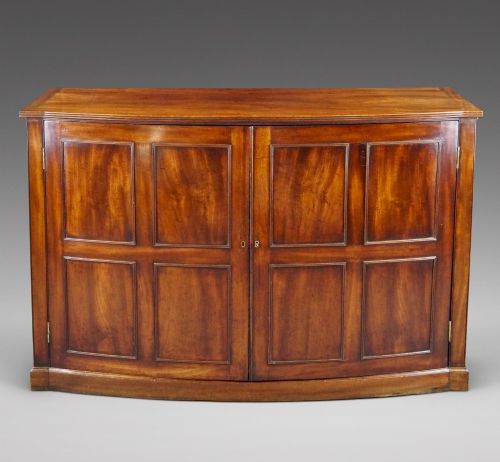
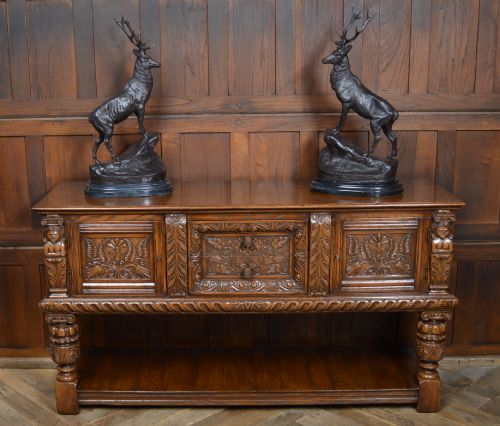
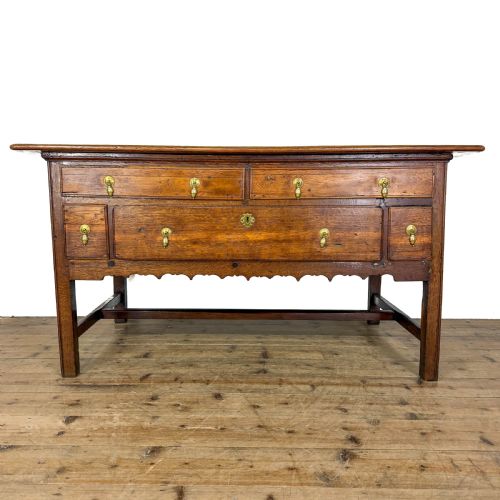
A warm brown wooden credenza brings solid presence and rich grain to a dining room or hallway.
Warm Brown Wooden Credenza
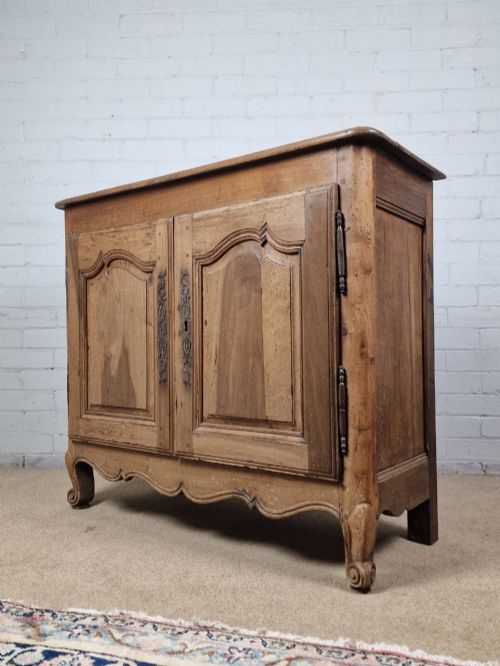
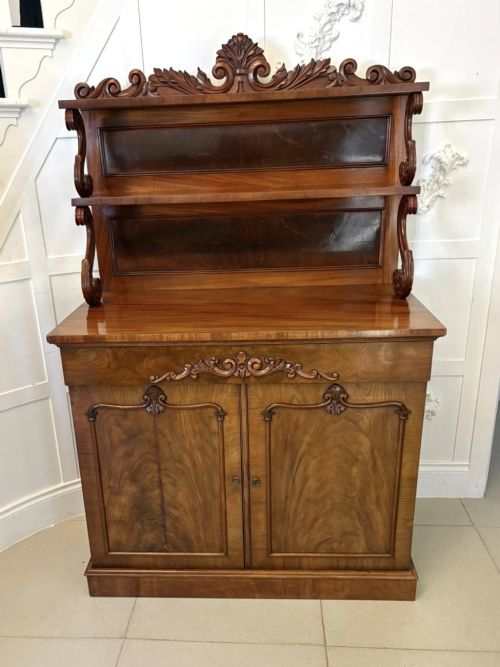
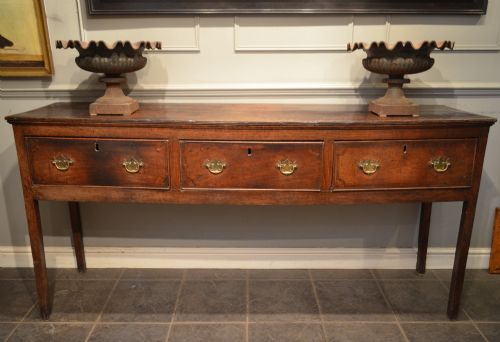
A warm brown wooden credenza encompasses sturdy oak dresser bases, mahogany sideboards, and walnut side cabinets designed for practical storage and display. These items span from the 18th century through the Edwardian period and the 1920s, reflecting diverse origins from British country houses to French provincial kitchens.
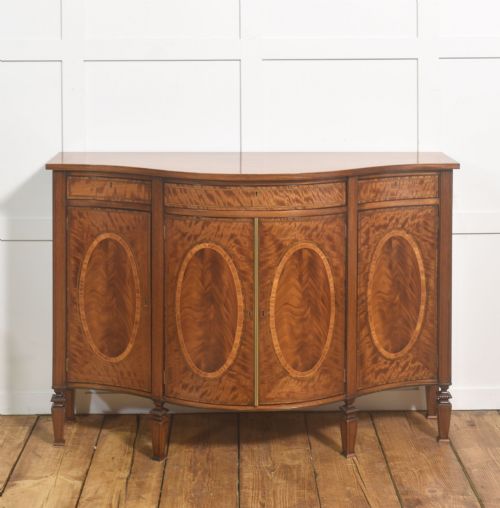
Buyers most frequently encounter mahogany and oak sideboards alongside regional variations such as French cherrywood buffets and satinwood servers. The forms range from simple two-door cupboards and pot board bases to breakfront chiffoniers fitted with brass hardware.
How they were made
Cabinet makers utilised dense native and imported timbers, pairing solid oak, mahogany, and walnut with decorative flame mahogany veneer, satinwood, and boxwood stringing. Surfaces frequently display marquetry inlay or polished natural grain enhanced with brass galleries and handles.
Construction methods rely on traditional joinery techniques appropriate to each period, from sturdy pegged frames on 18th century dresser bases to refined cabinetwork on Edwardian and Art Nouveau sideboards.
What varies in quality
The standard of timber selection and veneer matching dictates visual depth, separating utilitarian pieces from exhibition quality items with striking grain patterns like plum pudding mahogany or Gonçalo Alves. Superior execution shows in crisp carving, well-fitted drawers, and intact original hardware.
Proportion and structural integrity distinguish exceptional regional furniture and named maker examples from simpler provincial storage cupboards.
Pietro Ferrario·Maple and Co
The Warm Brown Wooden Credenza Glossary
- Dresser Base
- A low freestanding table with drawers and cupboards beneath, originally used in kitchens and dining rooms for food preparation and storage.
- Chiffonier
- A compact sideboard, popular during the Victorian era, often featuring enclosed shelving below and a tiered superstructure above.
- Breakfront
- A piece of furniture whose central section projects forward from the recessed flanking wings.
- Marquetry
- Decorative veneer work forming intricate patterns or pictures using thin slices of various coloured woods.
- Pot Board
- An open slatted lower shelf fitted between the legs of a dresser base, traditionally used for storing pots and pans.
Warm Brown Wooden Credenza: Frequently Asked Questions
Where should I place a wooden credenza?
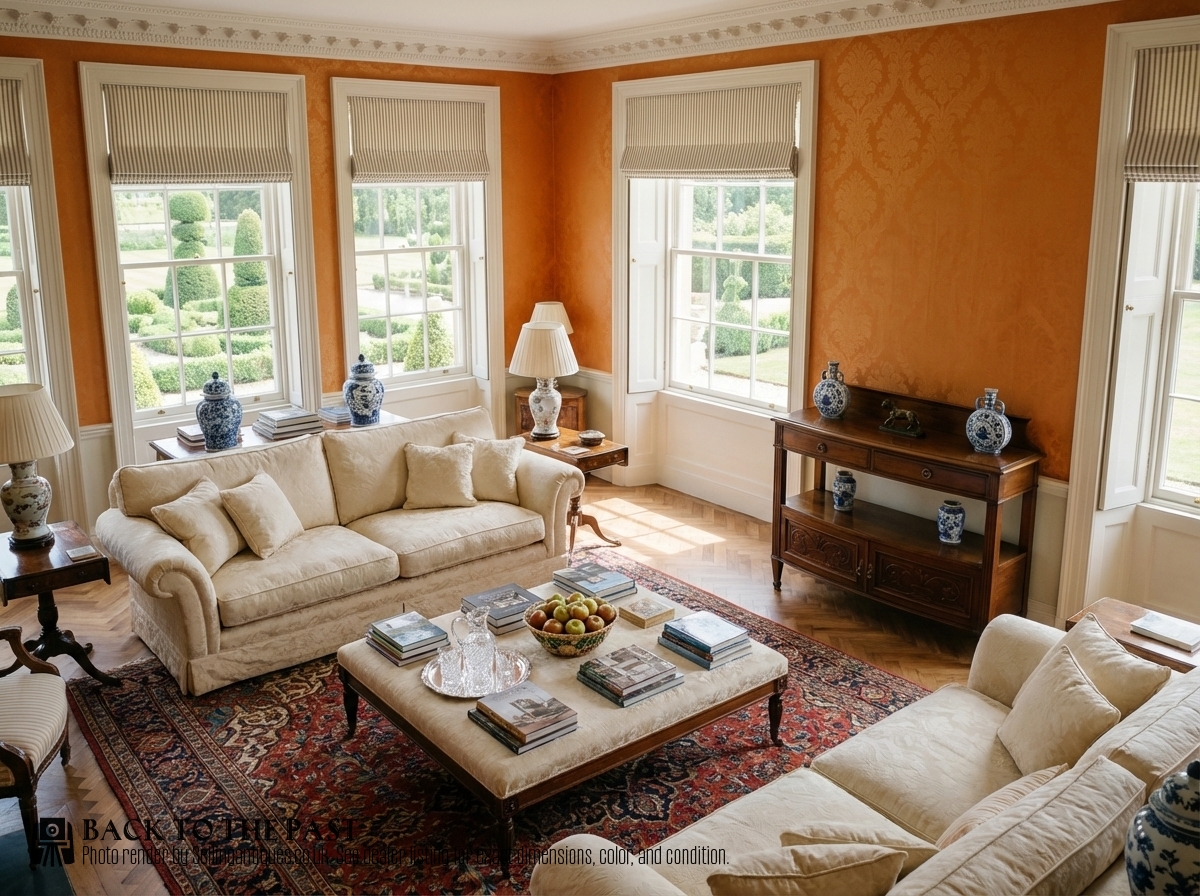
These cabinets suit dining rooms for storing tableware, or hallways as a surface for lamps and correspondence. Their varied depths allow them to fit narrow passageways or anchor large living spaces.
Ensure you measure the clearance for opening doors and drawers fully before final placement.
How do I care for antique wood surfaces?
Maintain timber surfaces by dusting regularly with a soft, dry cloth and applying natural beeswax periodically to nourish the grain. Avoid placing furniture in direct sunlight or near heat sources to prevent timber splitting.
Keep humidity levels stable within the room to preserve both solid wood and delicate veneers.
What is the difference between a sideboard and a credenza?
Sideboards traditionally function as dining room servers with generous enclosed storage for china and linen. Credenzas share similar low storage purposes but often incorporate refined decorative details like marquetry and display shelving.
Both terms describe low storage furniture, though regional naming conventions vary across periods.
How can I identify the period of a wooden cabinet?
Examine the construction methods, handle styles, and timber choices to determine the era of manufacture. Georgian pieces often display clean classical lines in mahogany or oak, while Edwardian examples favour satinwood inlay and lighter proportions.
Matching secondary woods inside drawers and examining tool marks provide further clues to age.