
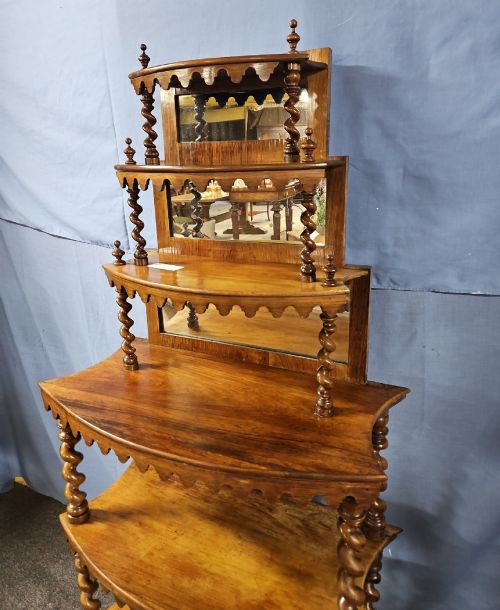
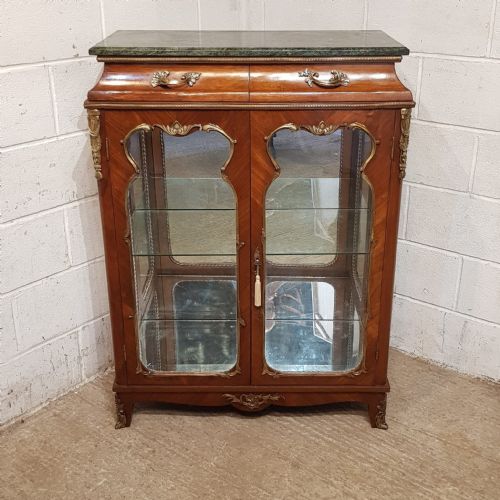
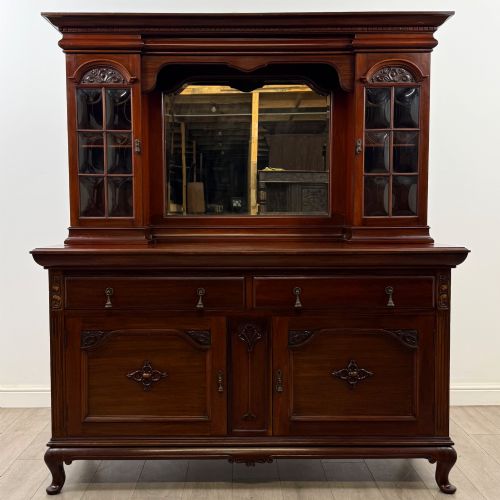
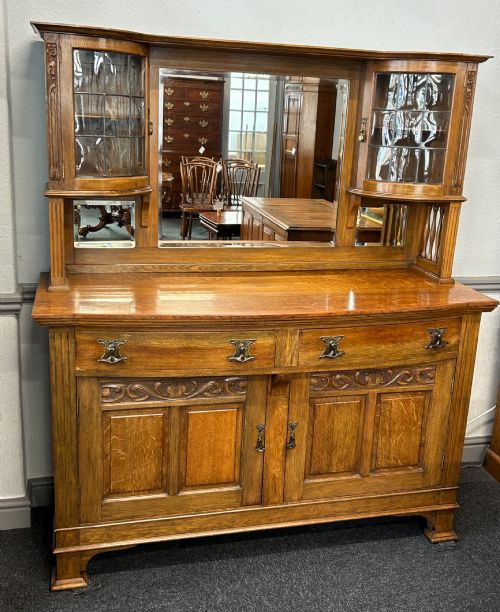


Vintage Mirror Back Cabinet
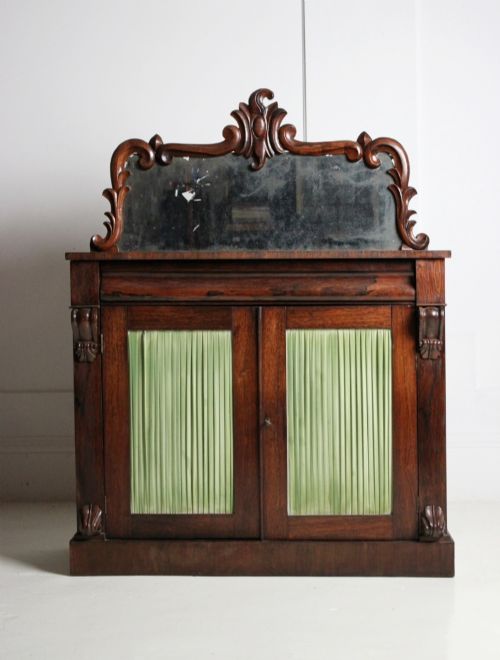
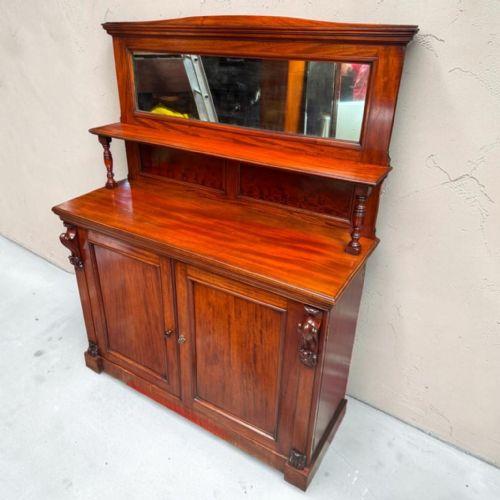
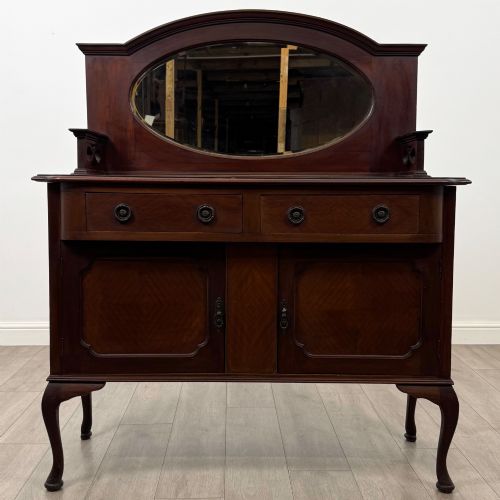
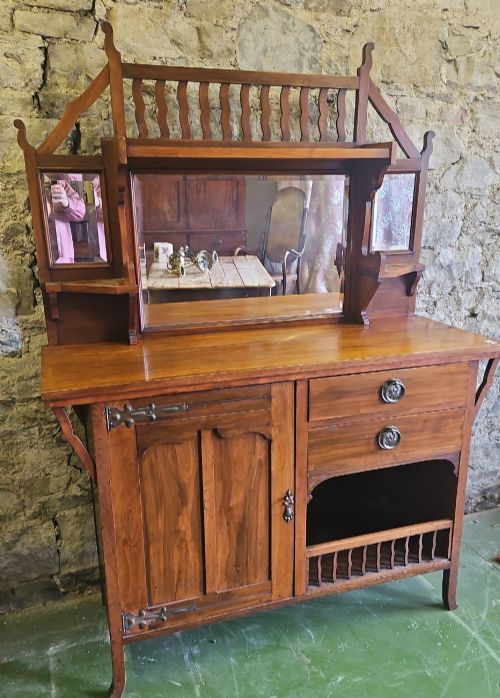
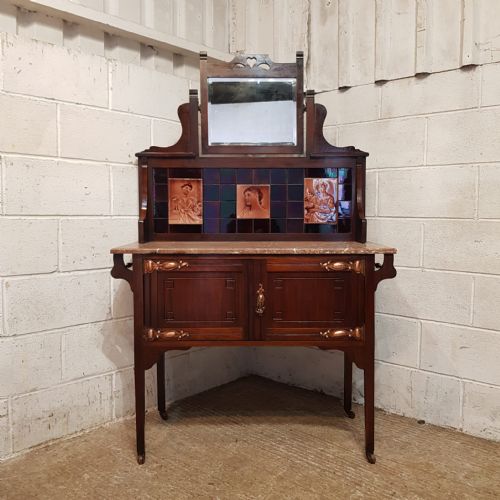
A vintage mirror back cabinet brings depth and reflected light to a room through glass, mirrored panels, and polished wood.
Vintage Mirror Back Cabinet
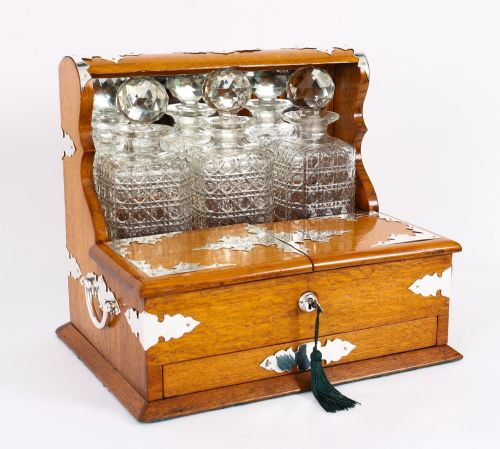
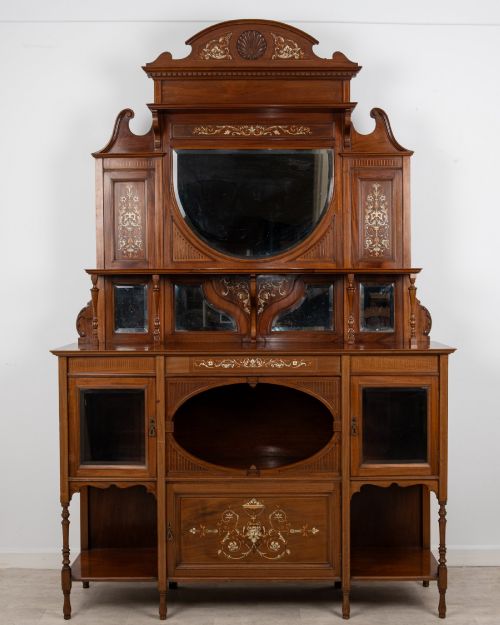
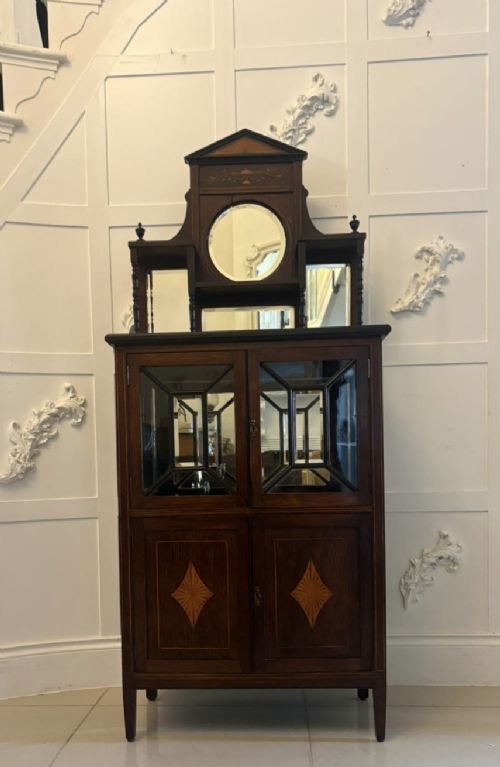
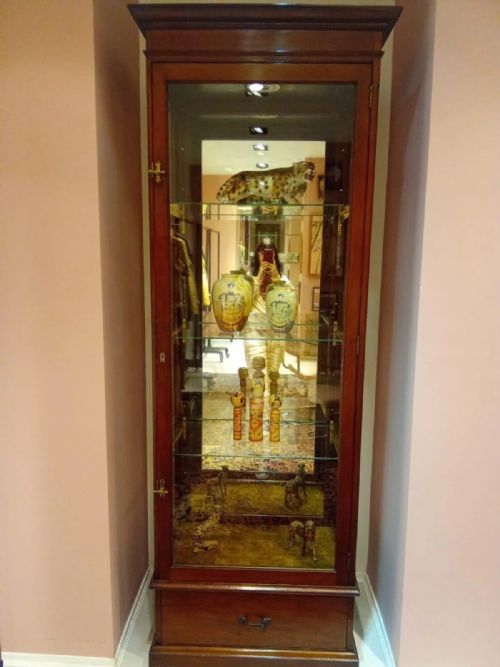
A vintage mirror back cabinet encompasses an array of large furniture forms designed for display and storage, prominently featuring glass and mirrored components. Buyers seeking this phrase encounter sideboards, display cabinets, credenzas, and washstands originating primarily from the Victorian and Edwardian periods.
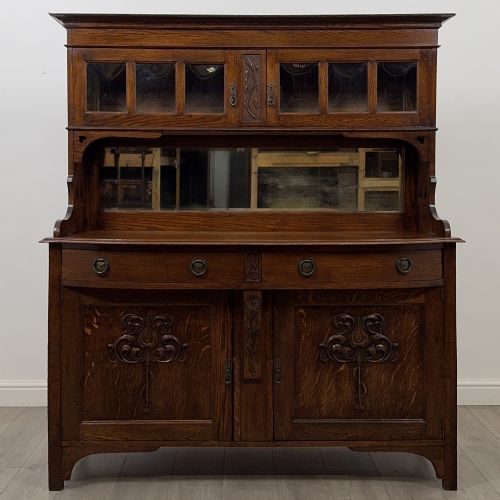
The Edwardian and Victorian versions dominate the selection, utilising rich timbers such as mahogany, oak, and walnut. These pieces range from substantial sideboards with integrated mirror backs to slender display cabinets and countertop shop fittings.
Makers and craftsmen of the nineteenth and twentieth centuries applied varied revivals and regional designs, resulting in pieces spanning Arts and Crafts simplicity, Art Nouveau curves, and period revivals.
Materials and Construction
Cabinet makers relied on solid and veneered hardwoods, notably mahogany, oak, walnut, and satinwood, paired with brass mounts and bevelled mirror glass. Timber frames often incorporated marquetry stringing, inlay, and intricate carvings.
Glass found application in adjustable shelves, display doors, and internal mirrors to brighten the cabinet interior. Marble tops frequently reinforced washstands and sideboards, providing durable surfaces alongside polished wood finishes.
Cabinet interiors occasionally surprise new owners with forgotten velvet linings, secret compartments, or original brass key tags still dangling from their locks.
Defining Quality
Quality rests upon the selection of timber figures, such as burr walnut or pollard oak, and the precision of inlaid details and marquetry. Superior examples exhibit refined carving work and substantial brass hardware.
Construction integrity distinguishes the output of workshops, seen in tight joinery, original mirrored glass without excessive foxing, and the presence of adjustable internal glass or wooden shelving.
The Vintage Mirror Back Cabinet Glossary
- Mirror back
- A wooden superstructure incorporating a mirror panel positioned above a sideboard, credenza, or washstand surface. This feature reflects light and displays objects placed on the ledge below.
- Vitrine
- An enclosed glass display cabinet designed to showcase porcelain, glassware, or small decorative items. These cabinets often feature glazed doors and sides for all-around visibility.
- Credenza
- A low dining room or parlour cabinet for serving and storage, frequently elevated on feet or a plinth base. Nineteenth-century versions often incorporate central mirrored doors flanked by curved glass cabinets.
- Marquetry
- Decorative woodwork where thin pieces of veneer are assembled to form pictorial or geometric patterns on the cabinet surface. Craftsmen utilised contrasting woods to create depth and visual texture.
- Chiffonier
- A compact sideboard or cabinet developed in the nineteenth century, typically featuring a small shelved superstructure or mirror back above enclosed cupboard doors.
Vintage Mirror Back Cabinet: Frequently Asked Questions
What is a mirror back cabinet used for?
These cabinets served multiple domestic purposes, acting as display surfaces for porcelain in reception rooms or as functional storage in dining spaces and bedrooms.
The integrated mirror allowed owners to reflect light into darker corners of nineteenth and early twentieth-century interiors while highlighting decorative objects placed on the ledge.
How do I date a vintage mirror back cabinet?
Dating relies on identifying stylistic markers, timber types, and construction methods characteristic of periods like the Victorian, Edwardian, or Arts and Crafts eras.
Victorian pieces often display heavier proportions and rich mahogany or burr walnut, whereas Edwardian examples frequently utilise lighter satinwood inlay and more slender frames.
Are mirror back cabinets heavy?
Most of these cabinets possess substantial weight due to their dense hardwood construction, marble tops, and large glass or mirror components.
Moving them typically requires two people, particularly larger sideboards and credenzas originating from the nineteenth century.
How do I clean a vintage mirror back?
Maintaining the glass and mirrored panels requires gentle cleaning solutions applied to a soft cloth rather than directly onto the surface, protecting the surrounding wood frame.
Wooden surfaces benefit from occasional polishing with traditional beeswax to preserve the natural grain and finish of the mahogany, oak, or walnut.