


Warm Brown Cupboard
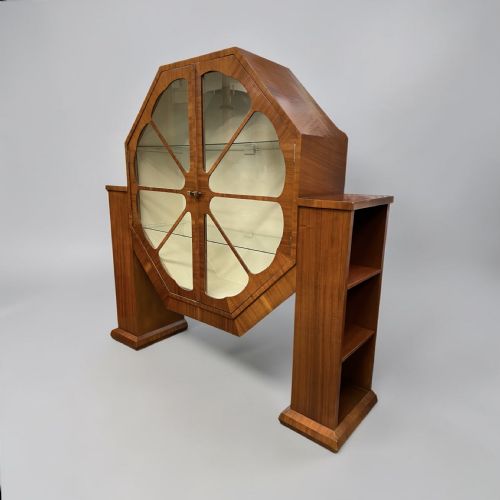
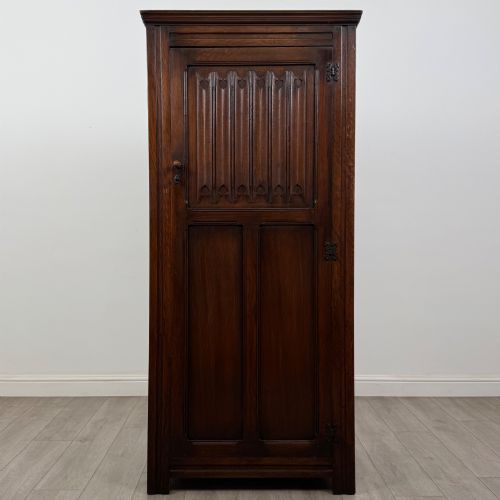
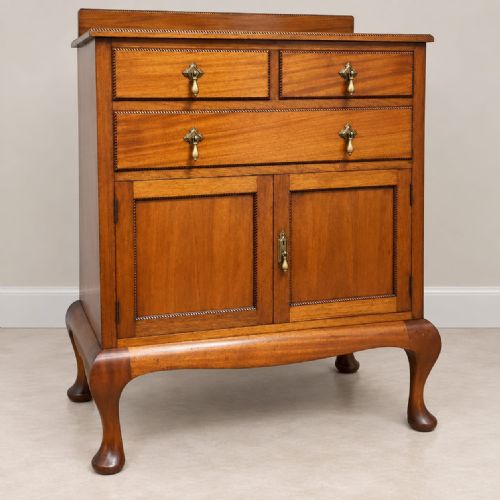
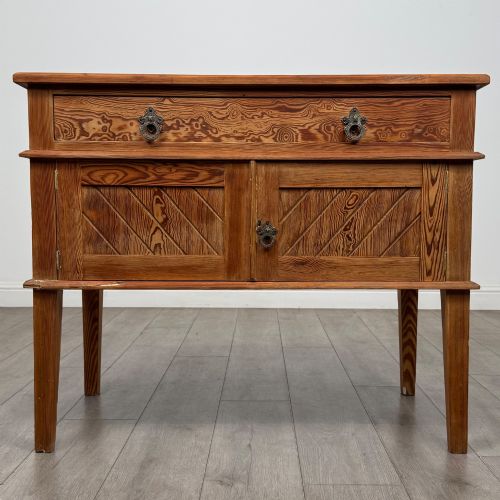
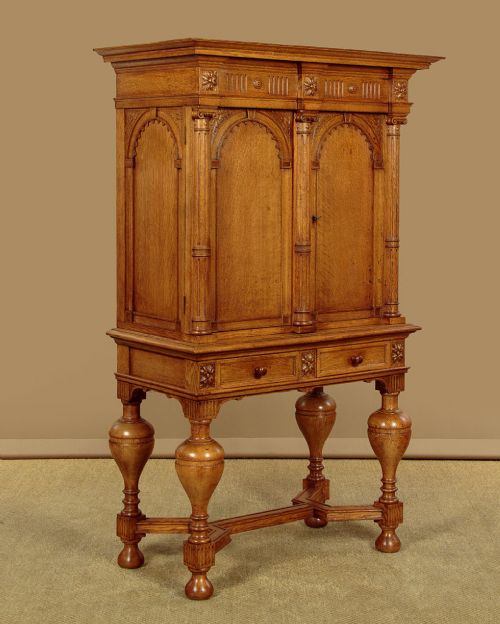
A warm brown cupboard brings rich timber tones and practical storage to a room, spanning periods from the seventeenth century to the art deco era.
Warm Brown Cupboard
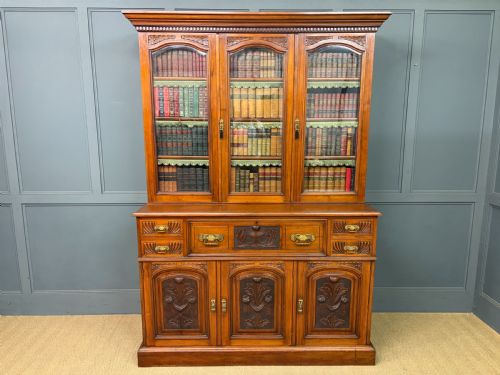
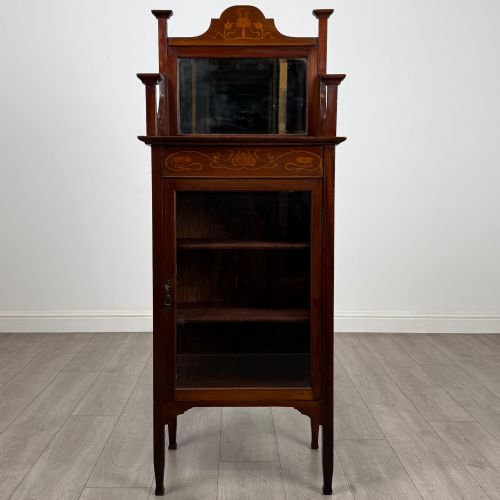
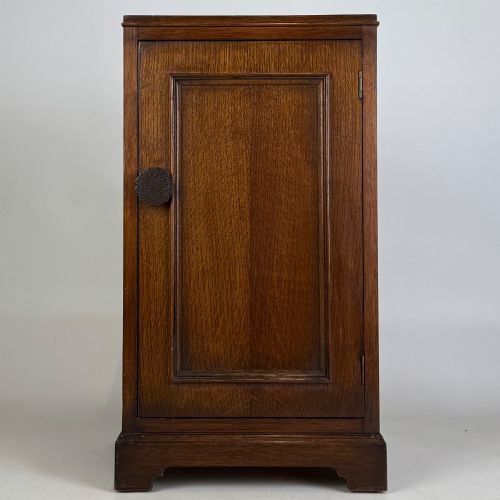
When you search for a warm brown cupboard, you encounter a wide variety of storage furniture including wardrobes, dressers, display cabinets, bookcases, and bedside tables. These pieces originate from distinct eras such as the eighteenth century, the Victorian period, and the Edwardian epoch.
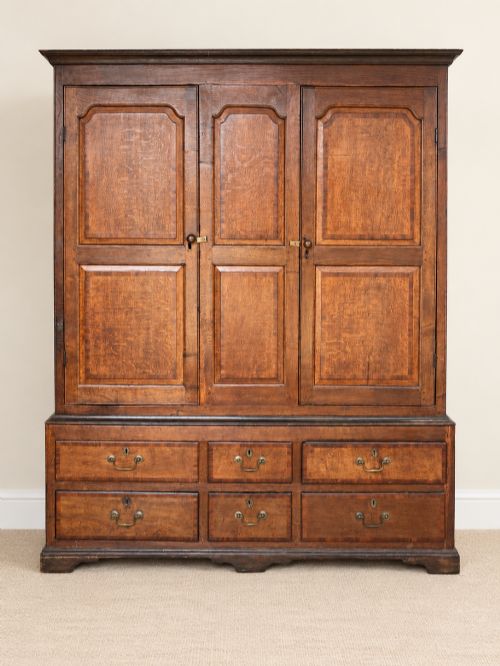
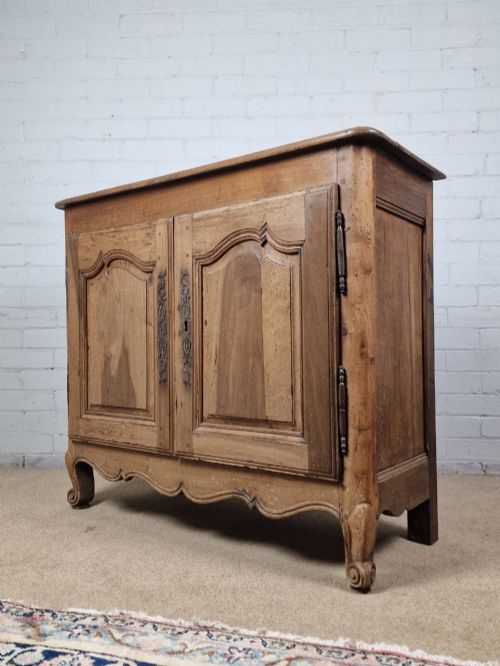
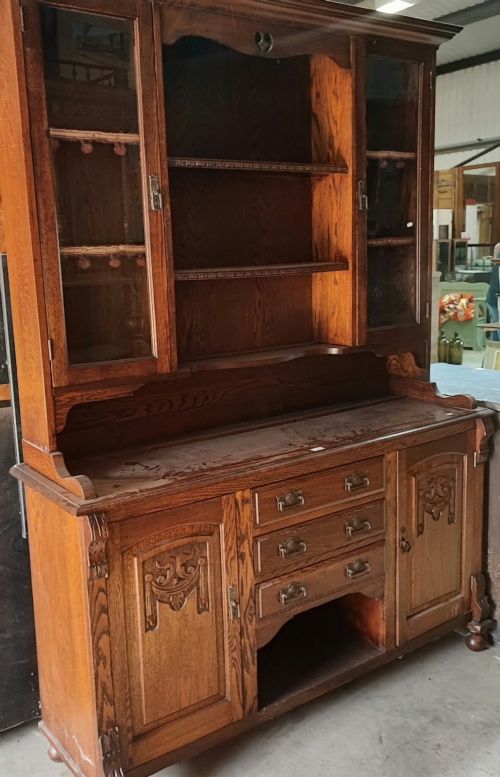
Oak forms a large proportion of these pieces, particularly in country styles, Welsh dressers, and house keepers cupboards. Mahogany, walnut, and cherrywood also appear frequently, spanning formal Georgian designs and French provincial pieces.
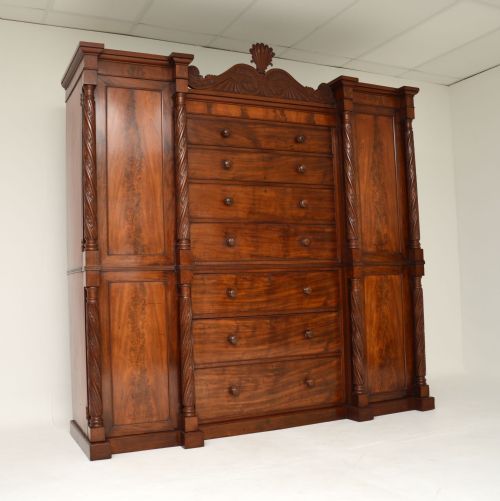
Buyers often meet side cabinets, corner cupboards, and tallboys alongside larger items like compactum wardrobes and linen presses. The timber surfaces display natural grain variations shaped by decades of use and polish.
Materials and construction methods
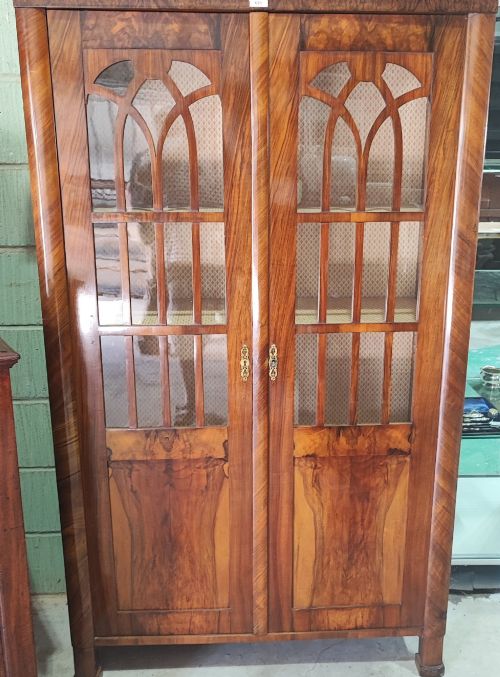
Cabinet makers utilised solid hardwoods like oak, walnut, mahogany, and ash, frequently applying burr walnut veneers to curved and flat surfaces for decorative depth. Brass handles, hinges, and occasional porcelain plaques provide contrast to the dark timber.
Joinery methods reflect the period of origin, ranging from traditional pegged joints in eighteenth century oak pieces to machine-cut elements in later twentieth century examples. Glass panels are incorporated into glazed display cabinets and bookcase doors.
Warm Brown Cupboard Retail Price Guide 2026
Typical asking prices for warm brown cupboard among the pieces listed under this phrase on Sellingantiques today, from the lower quarter to the upper quarter. They describe what is for sale here now, not the wider market.
Some nineteenth century corner cupboards manage to turn awkward dead space into a dignified architectural feature.
Distinguishing quality in timber storage
Quality rests upon the selection of timber figures, such as figured mahogany or burr walnut, and the integrity of the original construction. Pieces with uncompromised timber thickness and minimal later timber replacement command higher regard.
The finesse of carved details, inlay work, and the original pairing of brass hardware distinguish superior examples from standard utility pieces. Proportion and balance in architectural cornices and door panels also separate finer items from simpler workshops.
The Warm Brown Cupboard Glossary
- Compactum
- A multi-compartment wardrobe designed with internal hanging space, shelves, and drawers combined in one unit. This form saves floor space while offering diverse storage.
- Tallboy
- A tall chest of drawers standing upon another chest or a support frame, maximising vertical storage capacity. It frequently dates from the eighteenth or early twentieth century.
- Enfilade
- A long sideboard or low cupboard system, typically originating from France and featuring multiple doors in a continuous line. It provides substantial surface and internal volume.
- Chiffonier
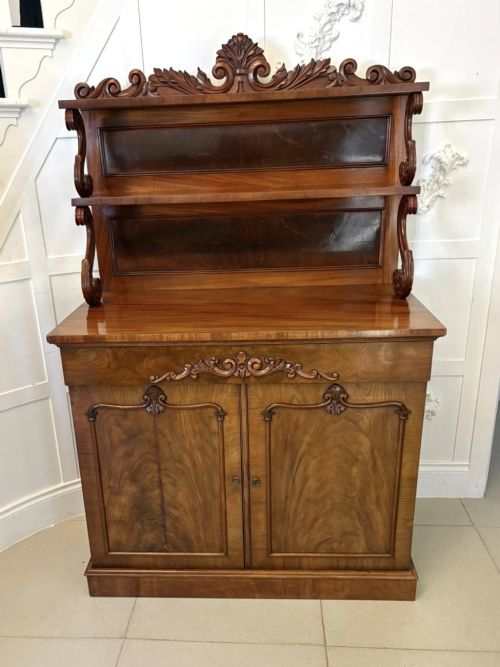
- A low sideboard or cabinet with a raised tier or shelf on top, popular during the Victorian period. It often includes enclosed cupboards below.
- Deux Corps
- A large two-part cupboard or cabinet where a smaller upper section sits upon a deeper base. These pieces often employ ash, elm, or oak.
Warm Brown Cupboard: Frequently Asked Questions
How do I date a wooden cupboard?
Dating relies on observing construction methods, timber types, and hardware styles. Early pieces often display hand-cut joinery and pegged joints, while later examples incorporate machine-sawn components and different screw types.
Design motifs also offer clues, as Georgian pieces follow classical proportions whereas Edwardian and art deco items reflect twentieth-century aesthetic shifts.
Are these cupboards suitable for daily use?
Many of these pieces function effectively for modern storage needs, provided interior depths and shelf configurations match your belongings. Wardrobes, bookcases, and bedside cabinets adapt readily to contemporary rooms.
Care should be taken with antique drawer runners and older locks to ensure smooth everyday operation without straining original timber.
What is the difference between an oak dresser and a sideboard?
An oak dresser typically includes open shelving or a glazed cabinet superstructure above a base fitted with drawers and cupboards. They originated primarily in kitchens and dining areas for displaying and storing tableware.
A sideboard or chiffonier generally stands lower without an upper plate rack, functioning as a serving surface and enclosed storage unit in dining rooms.
How should I maintain timber surfaces?
Maintenance involves applying appropriate beeswax or furniture polish periodically to nourish the grain and protect the finish. Avoid placing timber furniture in direct sunlight or near extreme heat sources to prevent warping.
Dusting regularly with a soft, dry cloth prevents particulate build-up and preserves the natural lustre of walnut, mahogany, and oak.