
Warm Brown Console
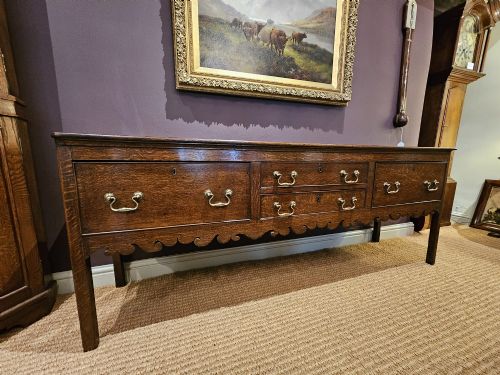
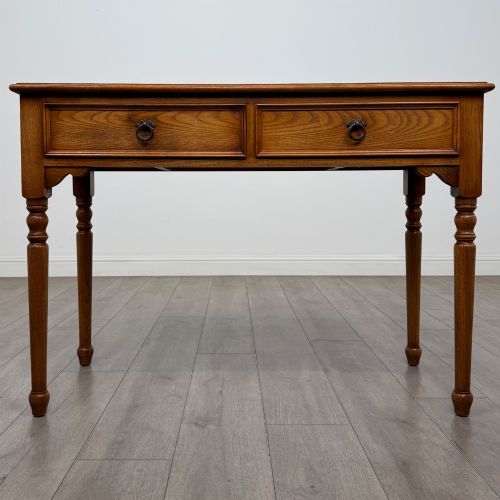
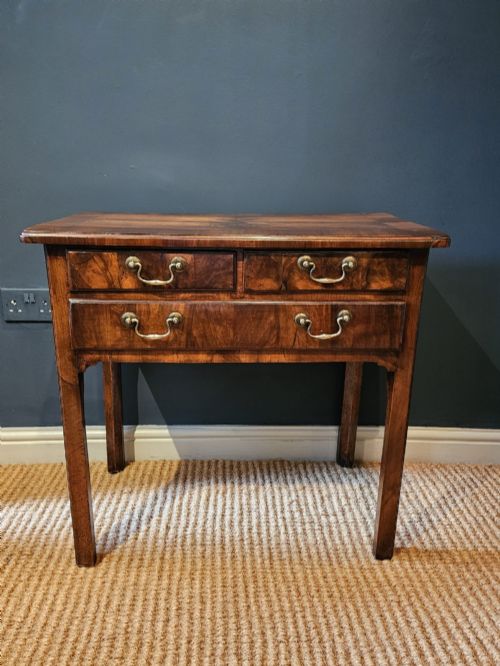
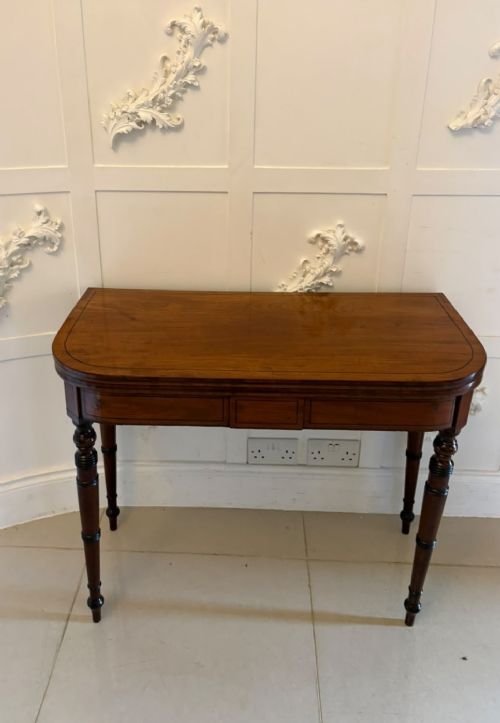
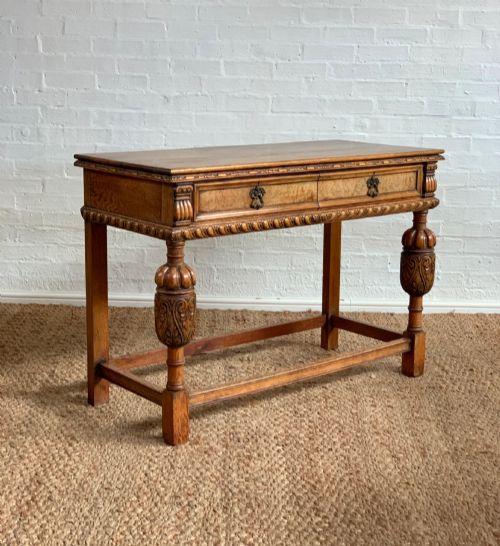
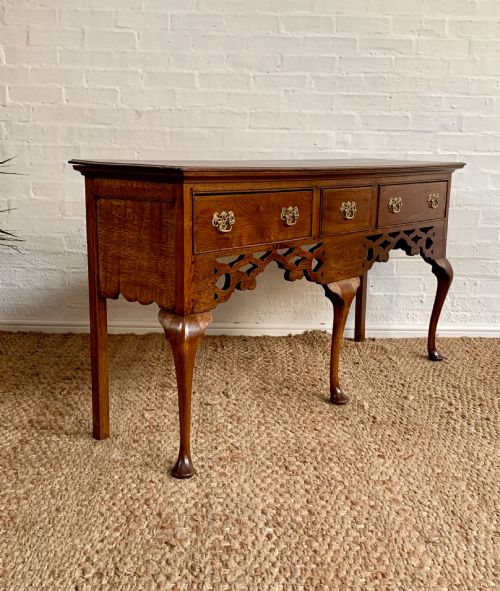
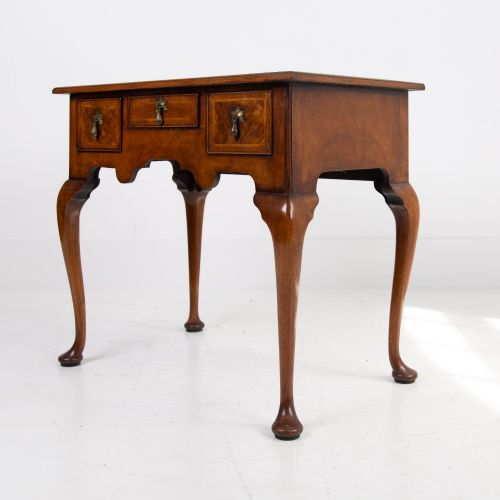
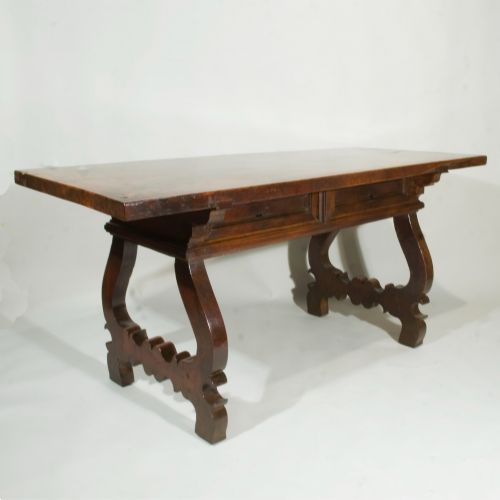
A warm brown console brings rich timber tones and practical surface space to a hallway or reception room, anchored by historic craftsmanship.
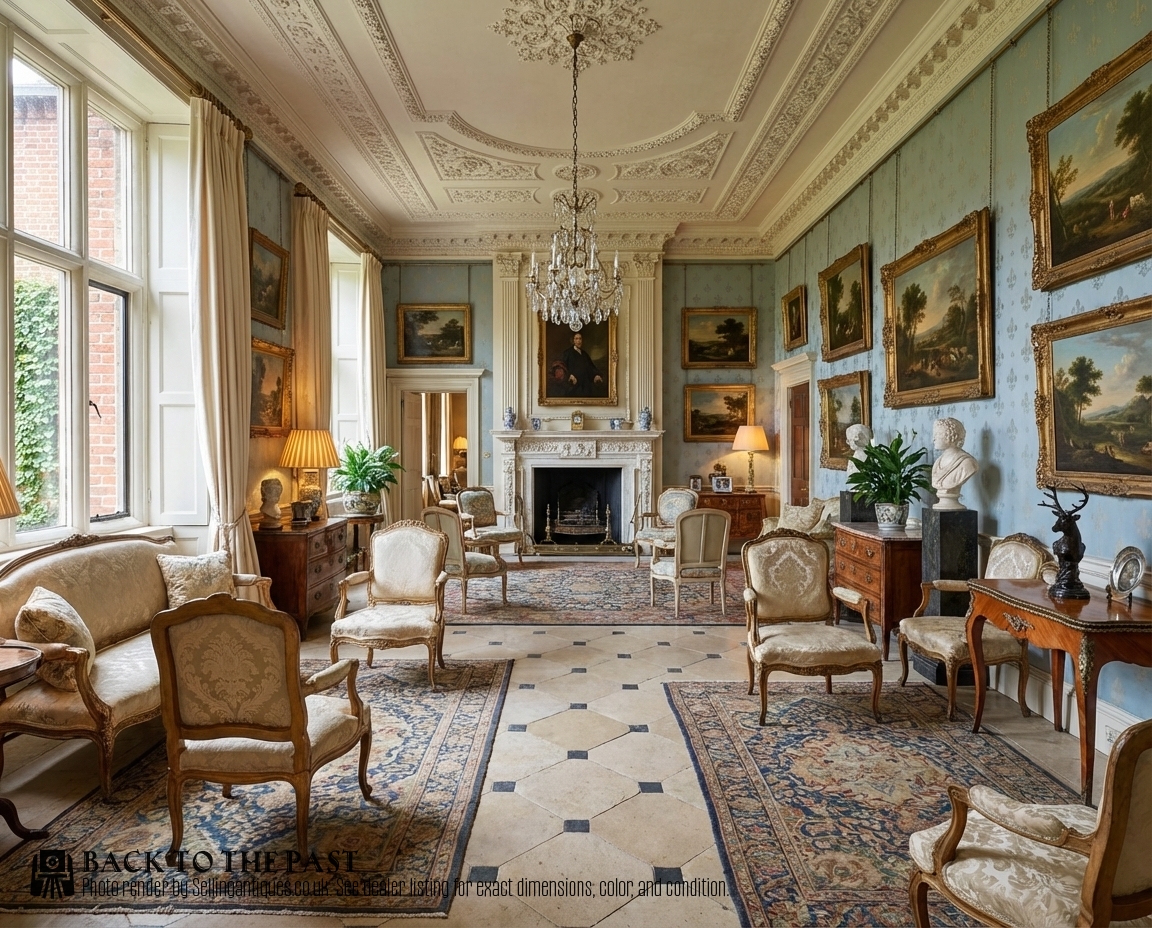
Warm Brown Console
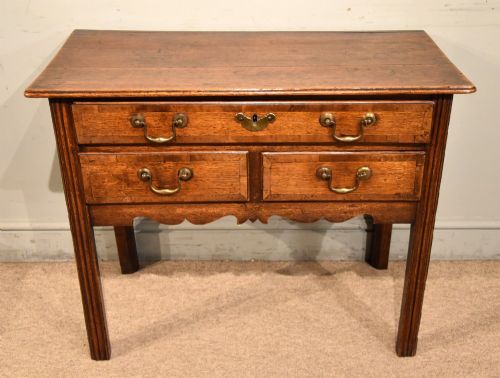
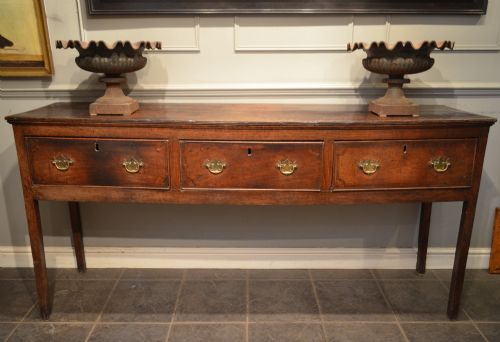
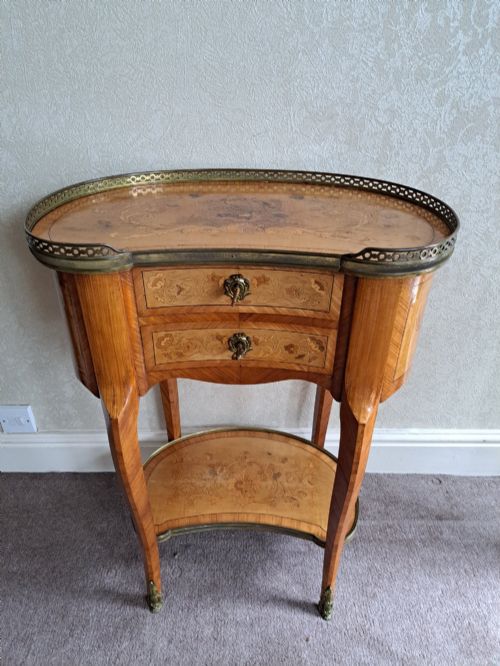
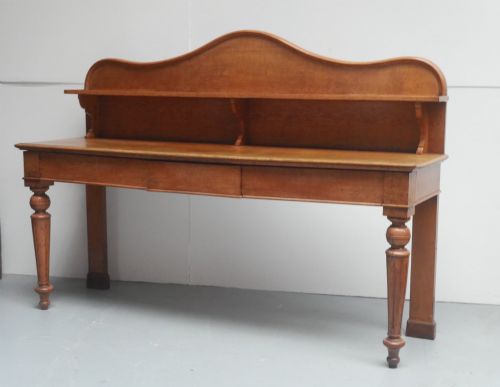
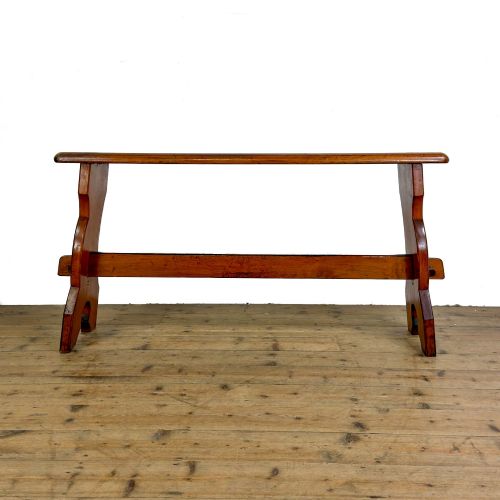
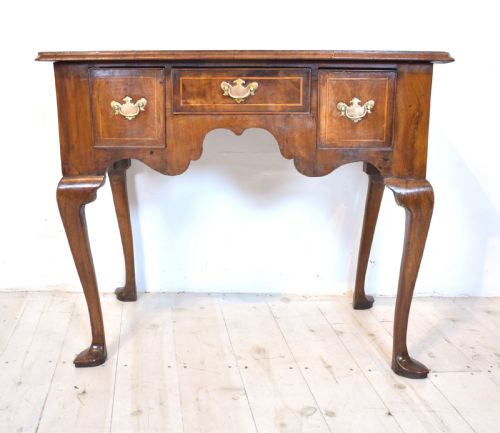
A warm brown console encompasses a diverse group of narrow surface tables designed to sit against a wall, including lowboys, serving tables, and traditional console forms. When searching for a warm brown console, buyers encounter pieces spanning the eighteenth and nineteenth centuries, alongside Edwardian and later interpretations.
The selection ranges from compact oak lowboys with drawer storage to expansive mahogany and walnut serving pieces. French cherrywood and continental walnut examples also appear, offering distinct regional proportions and decorative traits.
Makers and craftsmen utilised practical formats that served domestic routines in dining spaces and reception rooms. These tables bridge the gap between utility and display, relying on timber colour and grain to establish presence.
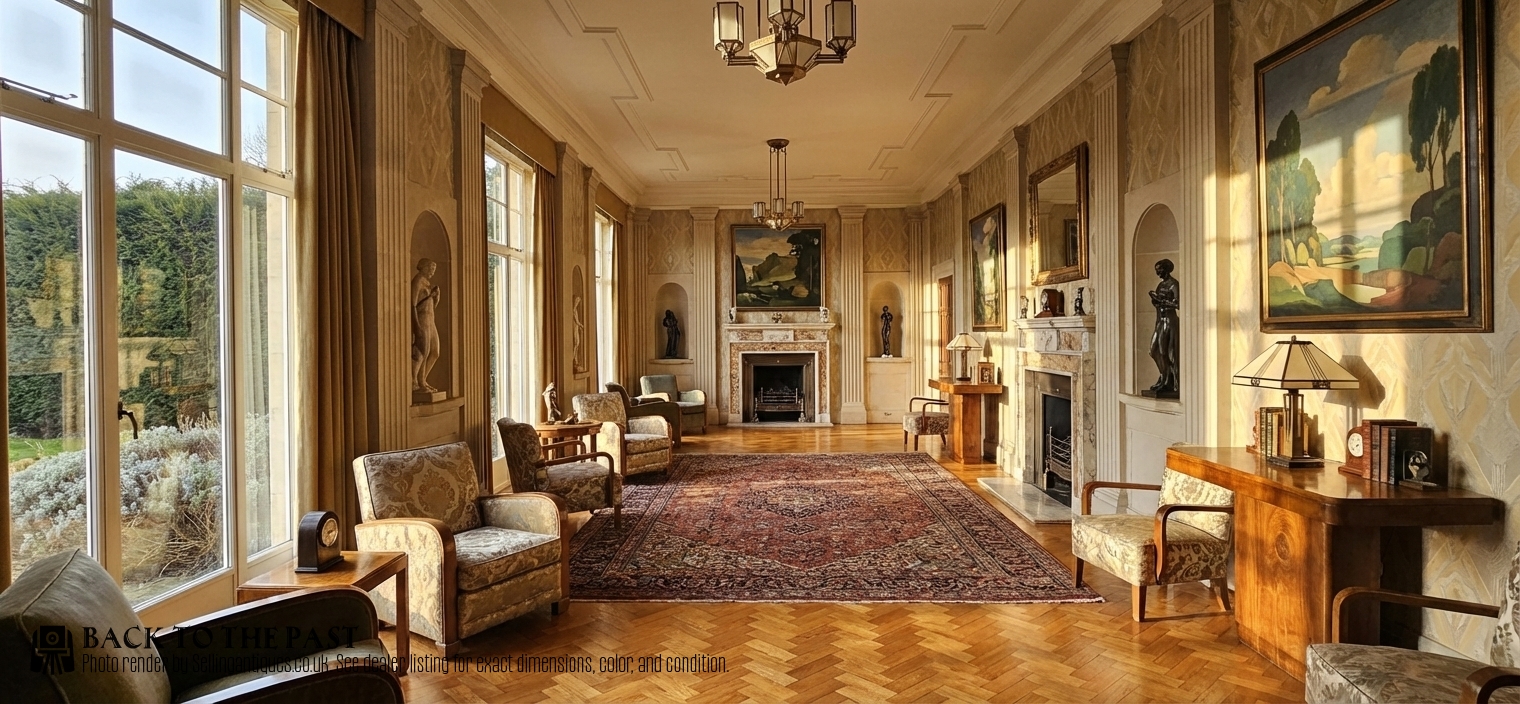
Materials and Construction
Cabinetmakers relied on native and imported hardwoods, working extensively with oak, walnut, and mahogany. Secondary timbers like fruitwood and cherrywood appear frequently in regional and continental pieces, while rosewood and elm provide decorative contrast.
Construction techniques involve traditional joinery, incorporating dovetailed drawers, turned or cabriole legs, and occasional inlay or marquetry. Timber selection prioritised deep natural grain patterns that developed rich patination through decades of use.
Listings feature oak, walnut, and mahogany predominantly, alongside regional fruitwoods and cherrywood from the eighteenth and nineteenth centuries.
Assessing Quality and Character
Quality rests in the selection of the timber and the crispness of the joinery rather than mere age. Superior examples display well-figured grain across primary surfaces, with careful attention paid to the matching of veneers or solid boards.
Proportion and structural integrity separate standard utility pieces from finer commissions. Refined turning, well-executed carving, and original hardware elevate a piece, whereas heavy alterations or mismatched timber diminish its integrity.
Beresford and Hicks London
The Warm Brown Console Glossary
- Lowboy
- A small dressing or side table featuring drawers, typically raised on four legs. These tables gained popularity during the eighteenth century.
- Console table
- A table designed to be fixed against a wall, often supported by brackets or legs at the front. The form emerged to display decorative objects in formal rooms.
- Sofa table
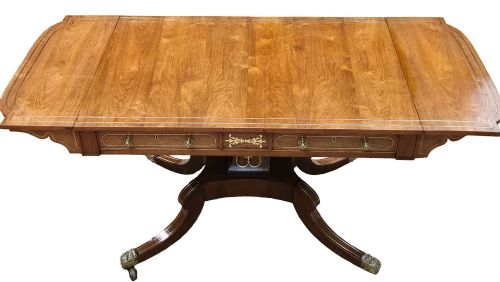
- A small library or writing table designed to stand in front of a sofa, featuring drop leaves on either side. These tables date predominantly from the Regency period.
- Dresser base
- A heavy wooden sideboard or serving table equipped with drawers and sometimes an open pot board beneath. They anchor country house and provincial dining spaces.
- Marquetry
- The art of applying pieces of veneer to a structure to form decorative patterns and pictorial designs. Craftsmen utilised contrasting timbers to depict flowers, birds, and architectural motifs.
Warm Brown Console: Frequently Asked Questions
Where should I place a console table?
A console table fits naturally in narrow entryways, hallways, or behind a sofa where floor space is at a premium. Their shallow depth allows them to provide surface area without obstructing movement through a room.
They also serve well in dining rooms as serving tables or against living room walls for displaying lamps and decorative objects.
How do I identify eighteenth century oak?
Eighteenth century oak typically exhibits deep colour, heavy grain, and visible medullary rays known as silver grain. The construction involves hand-cut joints and pegged tenons rather than modern fixings.
Surface patination develops over centuries of polishing, creating a warm, tactile finish that machine-sawn modern timber cannot replicate.
How do I care for antique wood surfaces?
Maintain antique timber by dusting with a dry, soft cloth and applying traditional beeswax sparingly to nourish the grain. Avoid placing wooden tables in direct sunlight or near heat sources to prevent timber shrinkage and splitting.
Using coasters and placemats protects the historic finish from moisture rings and heat damage.