

Louis XV Revival
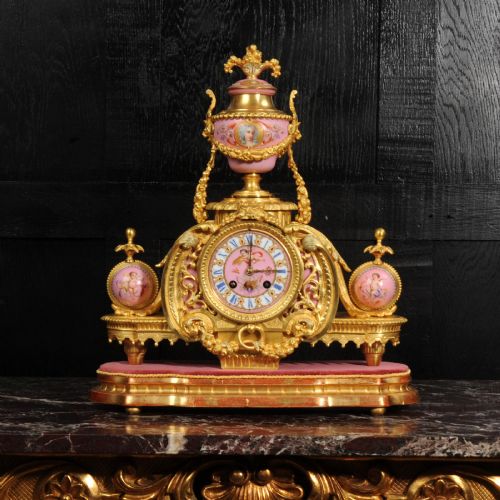
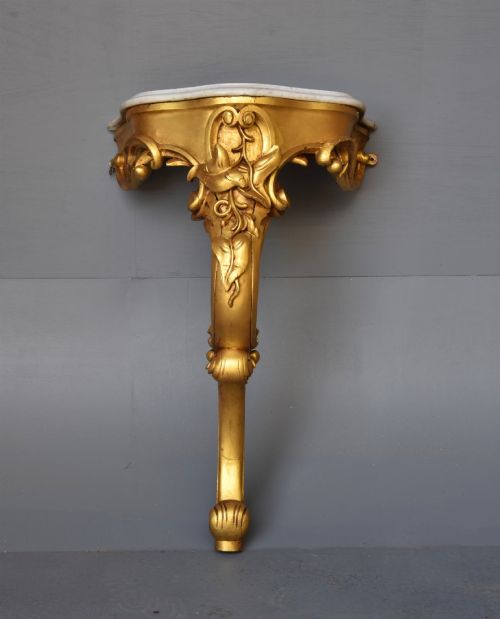
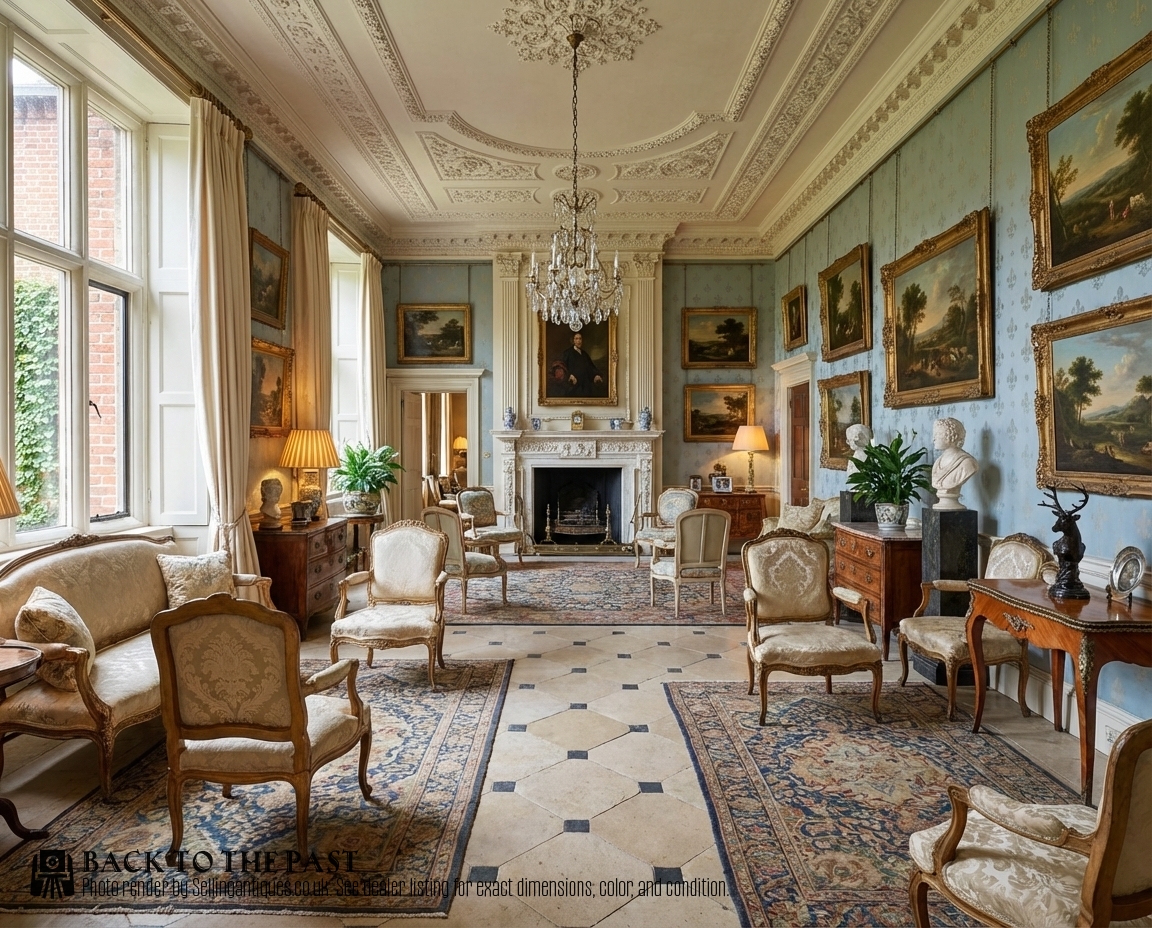
Louis xv revival furniture brings opulent serpentine curves, delicate marquetry and rich ormolu mounts into domestic spaces.
Louis XV Revival
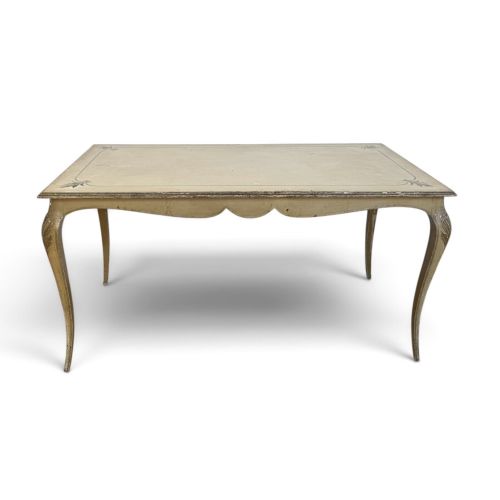
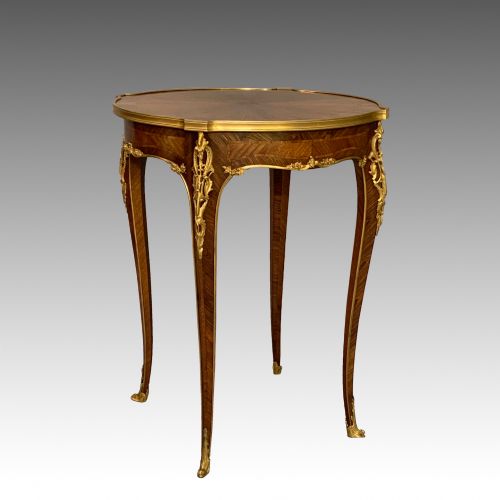
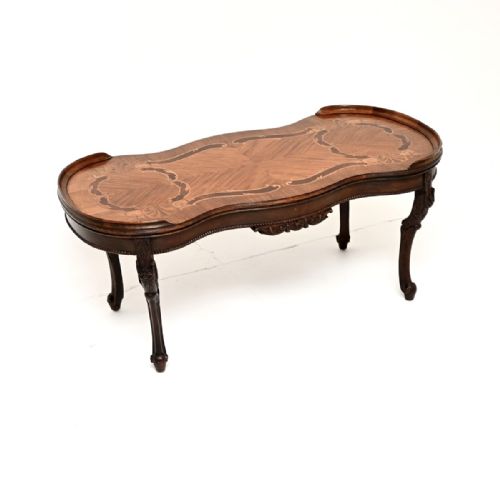
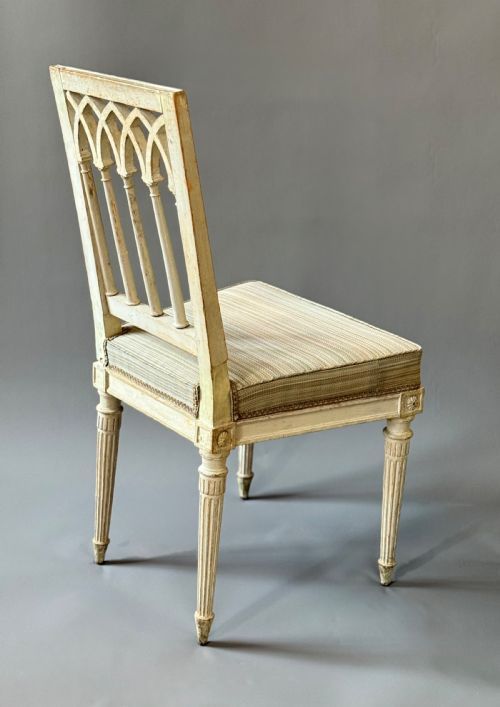
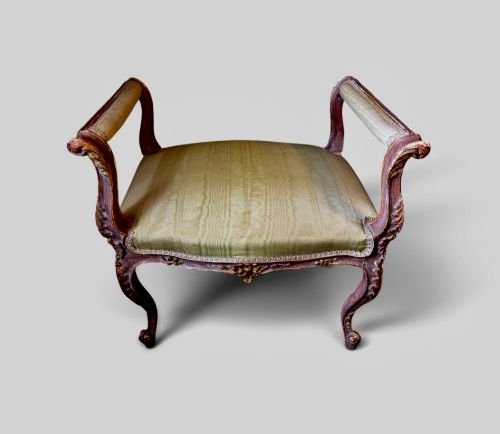
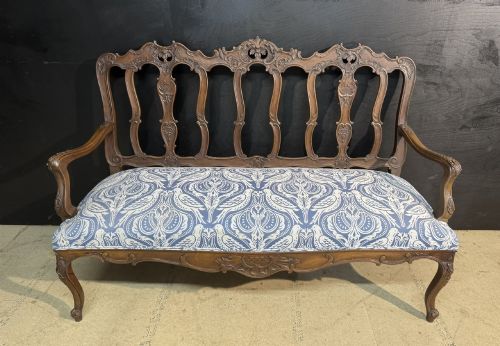
When searching for louis xv revival, buyers examine an array of nineteenth and early twentieth century seating, tables, and cabinets inspired by eighteenth century French rococo forms. The selection most frequently includes kingwood or walnut side tables, giltwood armchairs, and marble-topped commodes.
Makers and workshops across Britain and France produced these ornate designs to satisfy Victorian and Edwardian tastes for continental grandeur. Pieces range from intimate writing desks and occasional tables to large double bedsteads and vitrine cabinets.
How they were made
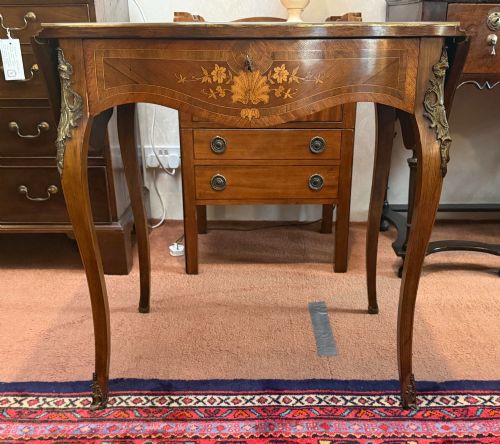
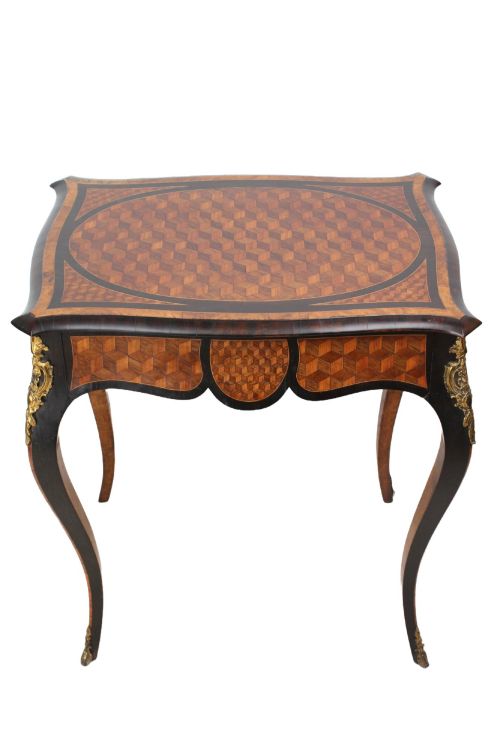
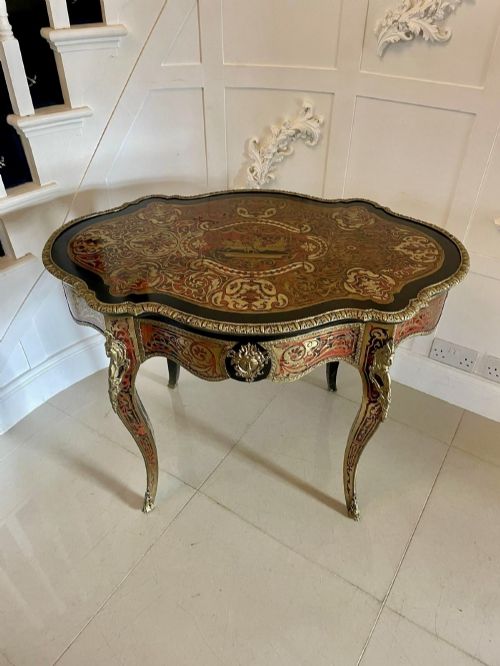
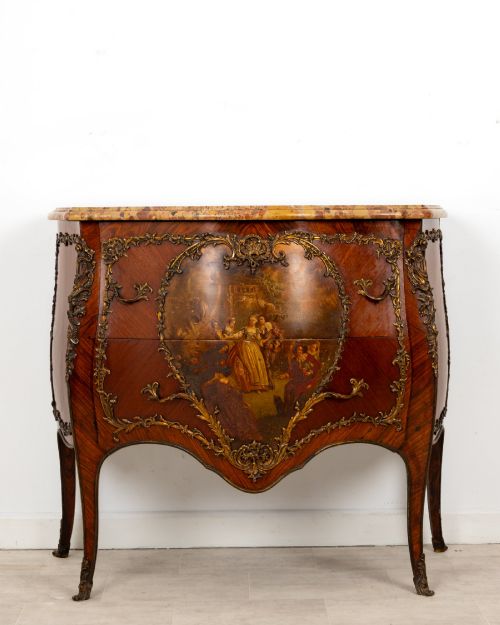
Cabinetmakers utilised dense exotic hardwoods such as kingwood, satinwood, and walnut as a base for intricate parquetry and floral marquetry patterns. Gilt-bronze or ormolu mounts were cast and chased to highlight the sinuous contours of each piece.
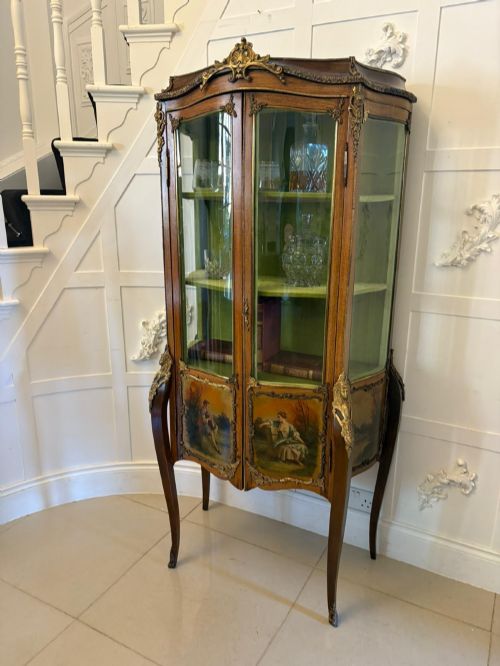
Surfaces often featured hand-painted Vernis Martin panels depicting pastoral scenes, while tables and commodes were frequently finished with shaped marble tops.
Several pieces arrive with secret compartments hidden behind serpentine marquetry drawers.
What varies in quality
The standard of execution depends heavily on the precision of the marquetry and the weight and chasing of the ormolu mounts. Finer examples display crisply cast bronze mounts that are individually fitted to the timber rather than mass-produced additions.
Cabinetwork quality is visible in the choice of veneers, the tightness of the joinery on serpentine fronts, and the subtlety of the hand-carved giltwood frames.
JAS Shoolbred·Achille Brocot·Joseph-Emmanuel Zwiener·CH. Jeanselme and Co·Edward Holmes Baldock
The Louis XV Revival Glossary
- Ormolu
- Gilded bronze used for decorative mounts on furniture and clocks. This technique involves applying a mercury and gold amalgam to cast bronze before heating.
- Marquetry
- The art of applying small pieces of veneer to a structure to form decorative patterns or pictures. Craftsmen selected various tinted woods to create contrasting pictorial designs.
- Vernis Martin
- A type of simulated Japanese lacquer developed in France. It uses successive layers of varnish to create glossy, translucent decorative panels.
- Parquetry
- Geometric wood mosaic work used for flooring or furniture surfaces. Triangles, squares, and diamonds of contrasting timber create repeating patterns.
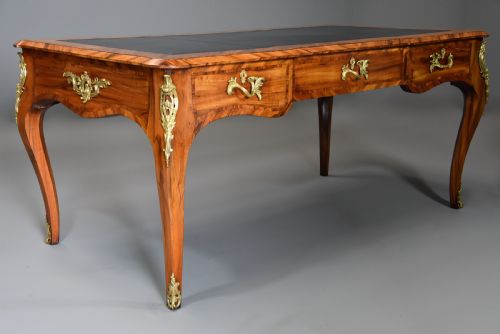
- Bureau Plat
- A large, flat-topped writing desk fitted with drawers. These desks usually stand on cabriole legs and feature gilt-metal mounts.
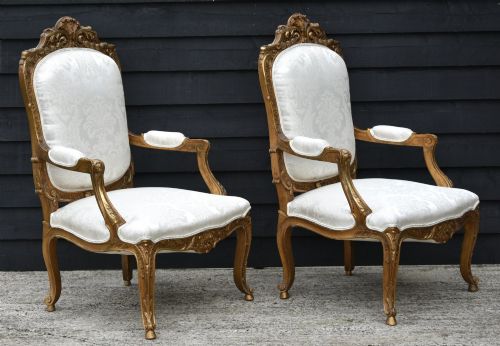
- Fauteuil
- An open-armed upholstered armchair with exposed wooden framing. The arms typically feature padded elbow rests.
Louis XV Revival: Frequently Asked Questions
How do I identify louis xv revival furniture?
Look for characteristic serpentine shapes, cabriole legs, and asymmetrical rococo scrolling motifs executed in nineteenth-century materials. These pieces frequently combine kingwood or walnut with cast ormolu mounts.
Makers often incorporated floral marquetry and Vernis Martin panels, distinguishing these later revival pieces from genuine eighteenth-century originals through construction methods and secondary timbers.
Where should I place a vitrine cabinet?
A vitrine or display cabinet suits formal reception rooms or drawing rooms where porcelain and glassware can be viewed safely behind glass panels. Their narrow footprints allow them to sit against feature walls.
Ensure the cabinet is positioned away from direct sunlight to protect delicate wood veneers and interior fabric linings from fading.
Can I use a bureau plat as a desk?
A bureau plat functions well as a freestanding writing desk when placed in the centre of a room rather than against a wall. Their finished backs and elaborate ormolu mounts allow them to be viewed from all angles.
Modern desk chairs should be measured carefully against the kneehole height of nineteenth-century tables to ensure a comfortable seating position.