



Warm Brass Clock
These warm brass clock pieces combine timekeeping with rich metalwork, offering both functional utility and traditional character for the home.
Warm Brass Clock
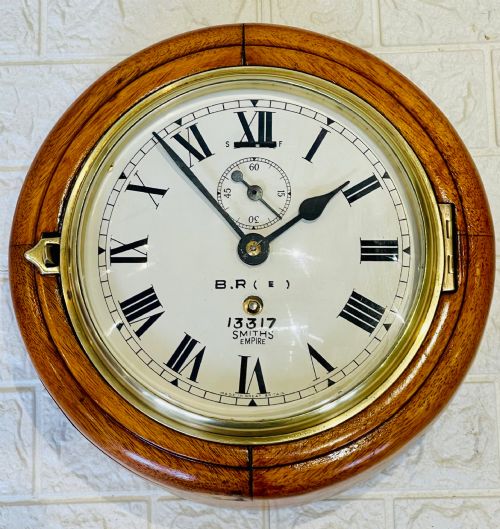
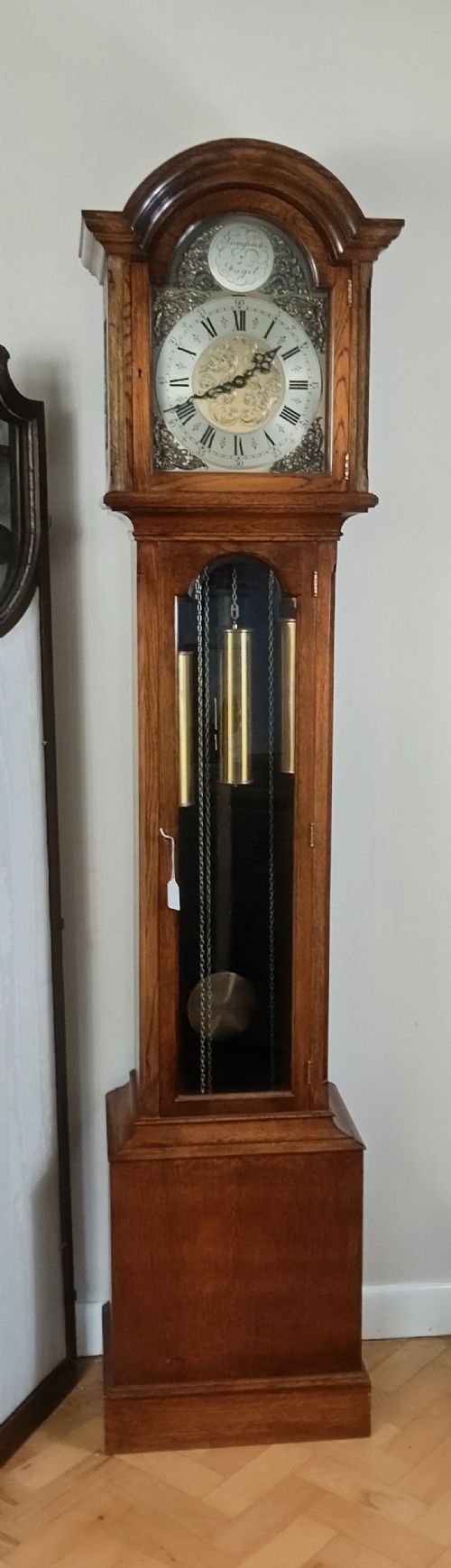
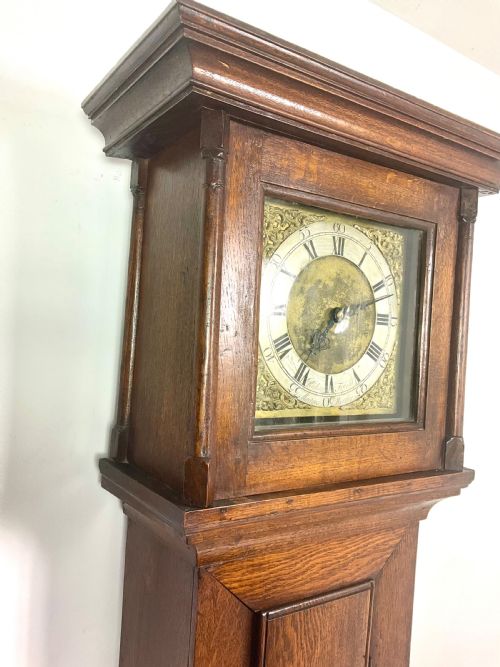
When you search for a warm brass clock, you encounter a selection spanning the 18th century, Georgian period, 19th century, and the early decades of the 20th century. The most common forms on this page include longcase clocks, wall clocks, and smaller bracket or lantern clocks.
The materials paired with the brass metalwork reflect traditional cabinet-making, featuring oak, mahogany, glass, and elm across various listings. Origins and styles vary from early Georgian and George III designs to later Victorian, Edwardian, Art Deco, and industrial interpretations.
Grandfather longcase clocks dominate the selection, often housing brass dials alongside timber cases. Smaller wall clocks and weather stations also appear, providing diverse options for domestic spaces.
Construction and materials
These items utilise brass primarily for dials, bezels, and movement components, paired with solid cabinet timbers such as oak, mahogany, and elm. Smiths and clockmakers shaped the metal components by hand or early industrial methods, cutting gears and engraving brass faces with intricate detail.
Cabinet makers constructed the clock bodies using traditional joinery techniques suited to hardwood, enclosing glass viewing panels where appropriate. The integration of brass fittings with timber housings created durable timepieces designed to last for centuries.
Warm Brass Clock Retail Price Guide 2026
Typical asking prices for warm brass clock among the pieces listed under this phrase on Sellingantiques today, from the lower quarter to the upper quarter. They describe what is for sale here now, not the wider market.
Some clocks track the lunar cycle with a painted penny moon spinning quietly behind the brass dial.
Assessing quality
The refinement of the brass engraving and the complexity of the movement separate standard timepieces from finer examples. Clocks featuring quarter chiming, twin fusee movements, or penny moon complications represent a higher tier of horological skill.
The choice and preservation of the timber case also influence overall quality, with well-figured mahogany or early oak housings adding distinction to the piece. Original components and signed dials by known makers elevate the standing of an individual clock.
HENRY SMITH·DeLa Salle And Christie·SMITH
The Warm Brass Clock Glossary
- Longcase clock
- A tall pendulum clock enclosed in a wooden case, commonly known as a grandfather clock. These standing timepieces often feature brass dials and weighted movements.
- Fusee
- A conical pulley used in clockwork to maintain a constant force on the gear train as the mainspring unwinds. This mechanism improves the accuracy of the timekeeper.
- Bracket clock
- A portable spring-driven clock designed to sit on a bracket or table. They frequently incorporate brass carrying handles and glass viewing panels.
- Lantern clock
- An early form of domestic mechanical clock made mostly of brass, driven by weights or springs. They typically hang on a wall or rest on small feet.
- Penny moon
- A painted or brass rotating disc showing the phases of the moon through an arched aperture on the clock dial. This complication appeared on better quality longcase clocks.
Warm Brass Clock: Frequently Asked Questions
How do I wind a longcase clock?
Wind the weights or spring barrels using the provided crank key, turning slowly until the weights rise to the correct height.
Avoid over-winding to prevent damage to the internal brass gears and mainsprings.
Where should I place a brass wall clock?
Mount the clock on a stable interior wall away from direct sunlight, damp areas, and extreme temperature fluctuations.
Ensure the wall can support the weight of the timber and metal components securely.
How do I tell an 18th-century clock apart from a later revival piece?
Examine the construction methods of the timber case, the hand-engraving on the brass dial, and the wear patterns on the movement.
Earlier pieces often display hand-cut fasteners and subtle irregularities characteristic of period craftsmanship.
What maintenance does a brass clock require?
Keep the brass components clean with a dry microfibre cloth and avoid harsh chemical polishes that strip original patination.
Arrange for professional servicing periodically to clean the internal movement and re-oil the pivots.