

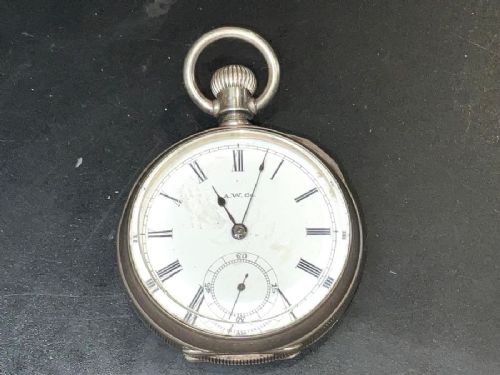
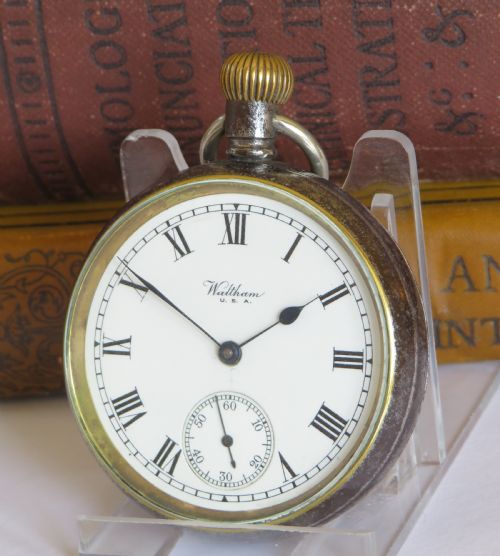
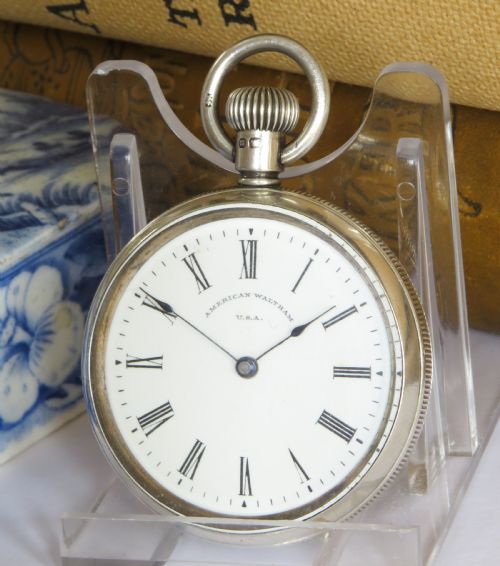
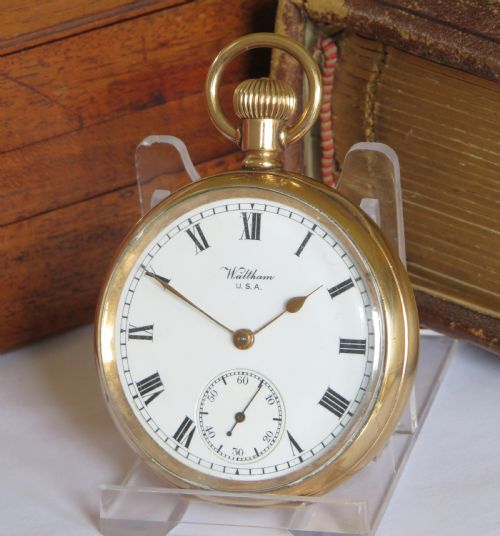
Waltham Pocket Watch
A waltham pocket watch is a dependable timepiece offering mechanical precision and Victorian or Edwardian craftsmanship.
Waltham Pocket Watch
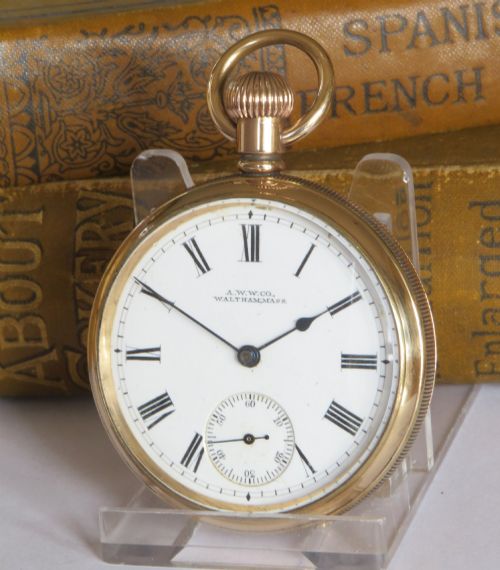
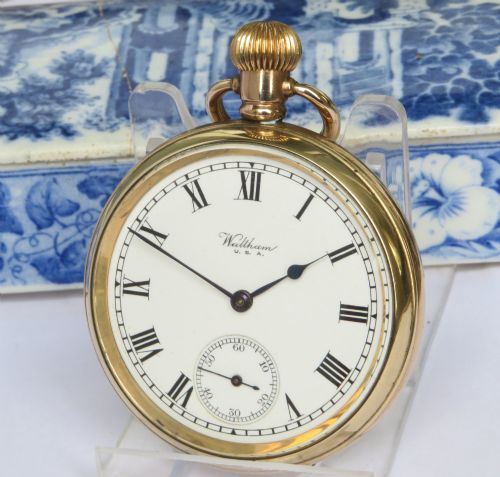
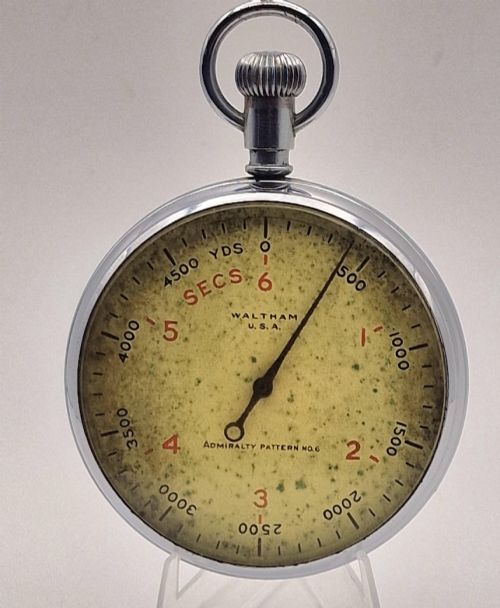
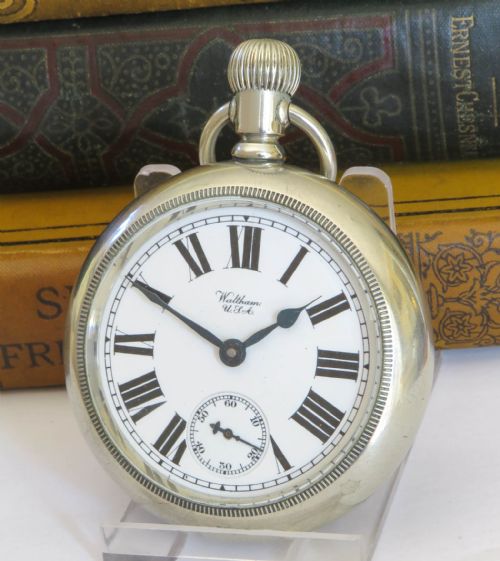
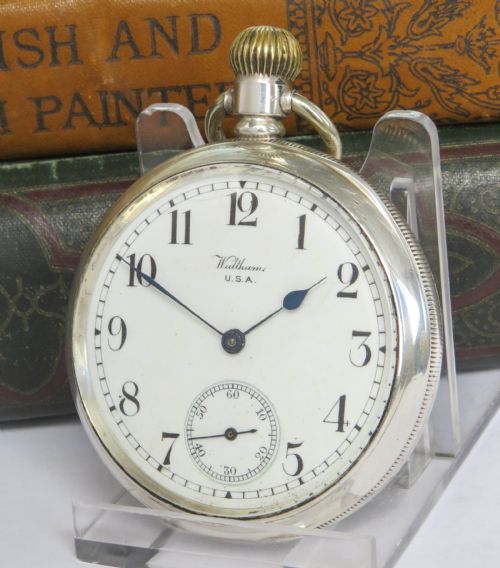
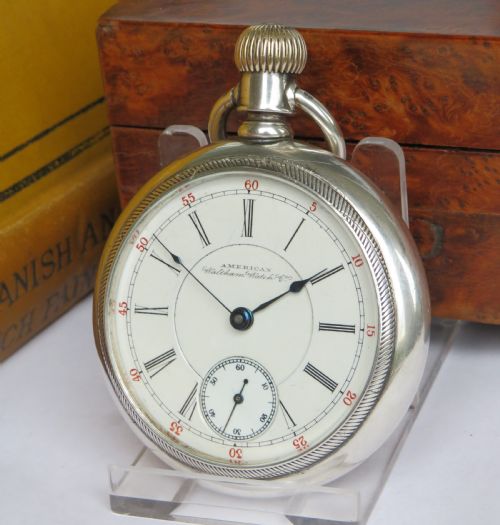
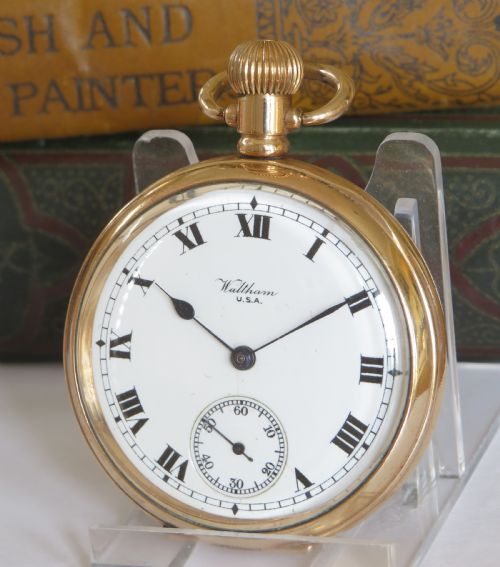
A waltham pocket watch is a mechanical portable timepiece originating from American manufacturing traditions spanning the late nineteenth century into the twentieth century. These instruments range from plain utility models to specialised railway and presentation pieces.
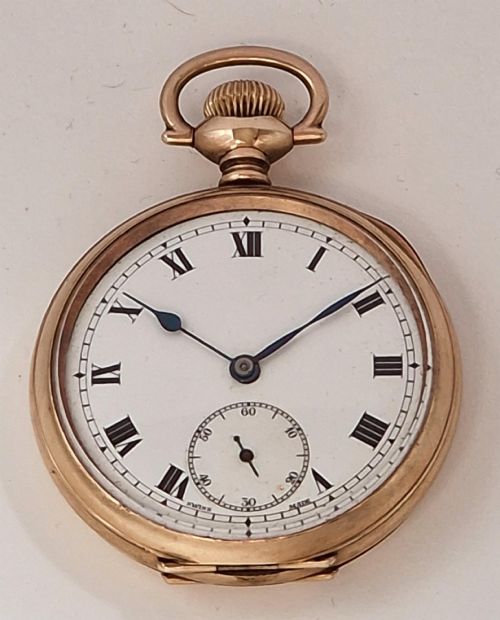
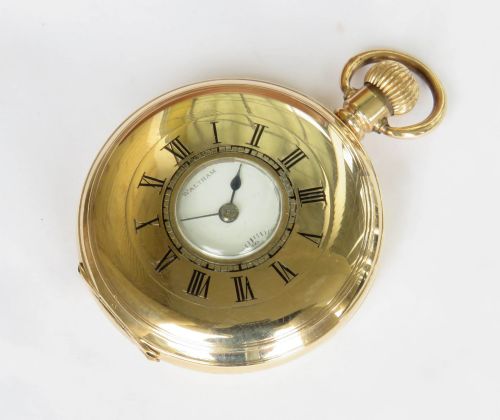
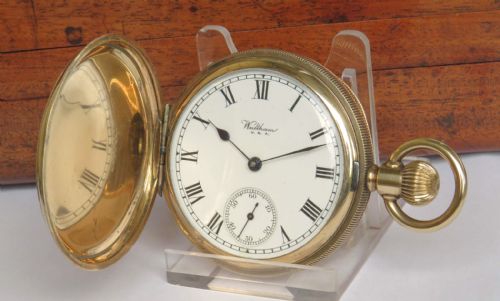
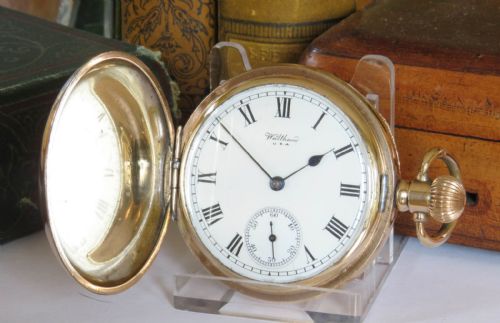
The versions most commonly met on this page date from the 1890s through to the 1920s, encompassing styles from the Victorian, Edwardian, and Art Deco periods. They appear as open-faced pocket watches, full hunter designs with protective metal covers, and half hunter variants featuring glass inspection windows.
Specialised editions also occur, including named railway issues like the Lancs & Yorks and Traveller series, alongside smaller fob watches intended for ladies. Many examples retain their original chains or presentation inscriptions detailing railway or military service.
How they were made
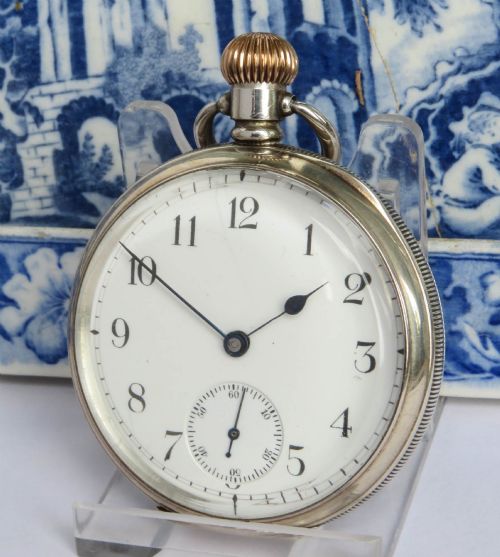
These timepieces rely on metal casings formed from solid silver, gold, gold filled, gold plate, brass, or steel to protect the internal mechanical movement. Enamel dials provide the face, featuring painted numerals protected by fitted glass crystals.
Manufacturing methods combined precision machinery with hand finishing for the delicate gear trains and escapements housed within the metal shells. Cases often display engine-turned patterns, smooth polished finishes, or engraved decorative motifs depending on the specific model tier.
Waltham Pocket Watch Retail Price Guide 2026
Typical asking prices for waltham pocket watch among the pieces listed under this phrase on Sellingantiques today, from the lower quarter to the upper quarter. They describe what is for sale here now, not the wider market.
Several watches carry silent witness to bygone railway timetables and Great War presentation ceremonies in their engraved casebacks.
What varies in quality
The distinction between standard utility pieces and higher grades rests in the complexity of the movement and the preciousness of the exterior metal. Solid gold or heavy silver cases combined with named railway or presentation movements sit at the upper end of the scale.
Simpler brass or gold plated casings housing standard time-only movements represent the more common everyday tier. The crispness of dial enamel and the retention of original matching chains further separate individual specimens.
Waltham Watch Company·Thomas Russell
The Waltham Pocket Watch Glossary
- Full hunter
- A pocket watch featuring a spring-loaded metal cover that encloses and protects the glass dial. Depressing the crown releases the lid to reveal the time.
- Half hunter
- A pocket watch style incorporating a metal outer cover with a central glass aperture. This allows the wearer to read the hands without opening the case.
- Gold filled
- A manufacturing technique where a layer of gold is mechanically bonded to a base metal core. This provides the appearance and wear resistance of solid gold at a different weight.
- Railway watch
- A high-accuracy timekeeper built to meet strict timing standards required by train operators. These dials prioritize clear legibility with bold Arabic numerals.
Waltham Pocket Watch: Frequently Asked Questions
How do I wind a waltham pocket watch?
Most pieces from this era utilise a keyless mechanism wound by turning the crown clockwise between your thumb and forefinger until resistance is felt.
Avoid over-winding the mainspring, as excessive force can damage the internal tension components. Stop winding the moment the spring reaches its limit.
What is the difference between open face and hunter?
An open face watch has the dial exposed directly beneath the glass crystal, allowing immediate viewing without manipulating any covers.
A full hunter incorporates a hinged metal lid that shields the glass face from scratches and impacts until released via the crown button.
How do I date my pocket watch?
Dating relies primarily on the serial numbers engraved upon the internal movement plate rather than external case hallmarks.
Comparison against production ledgers matches these numbers to specific manufacturing years spanning the late nineteenth and early twentieth centuries.
Can I carry a pocket watch every day?
Daily wear is entirely practical provided the mechanical movement receives routine servicing and cleaning by a qualified horologist.
Securing the watch to a waistcoat or belt loop using an appropriate chain prevents accidental drops onto hard surfaces.