

Walnut Wood Frame
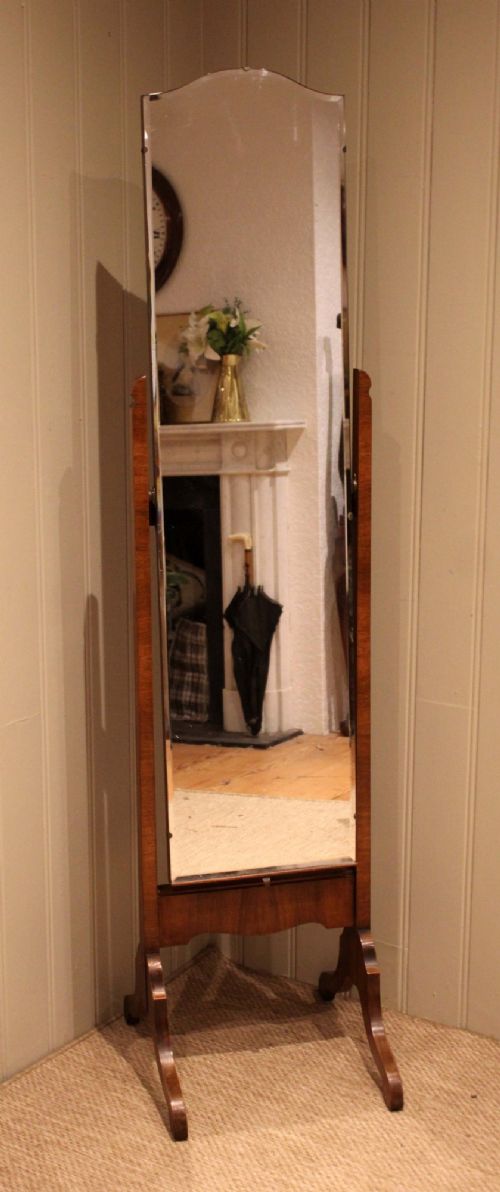
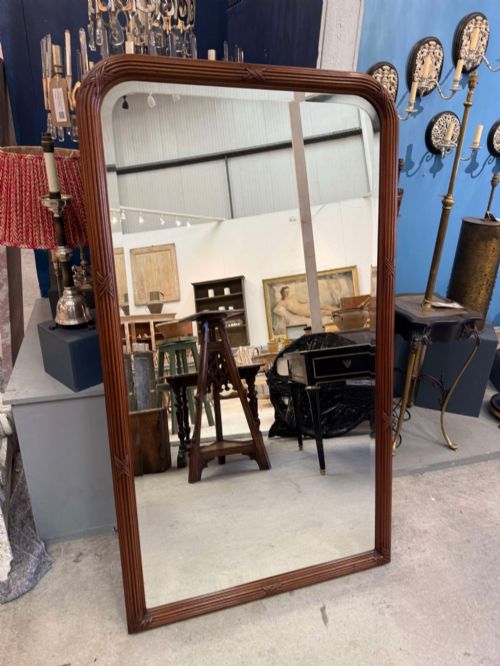
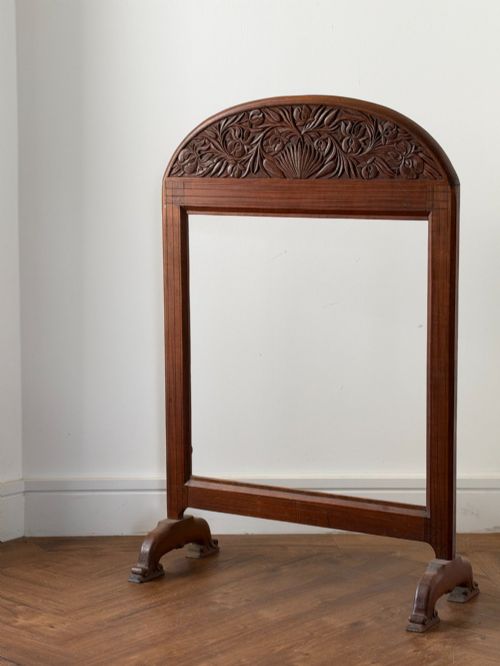
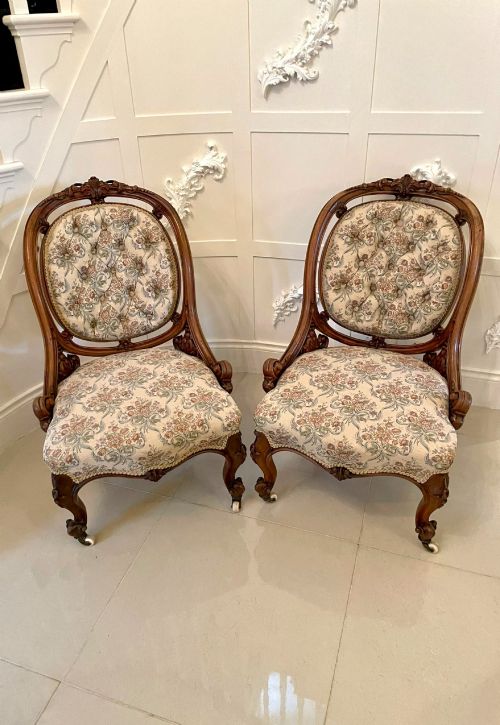
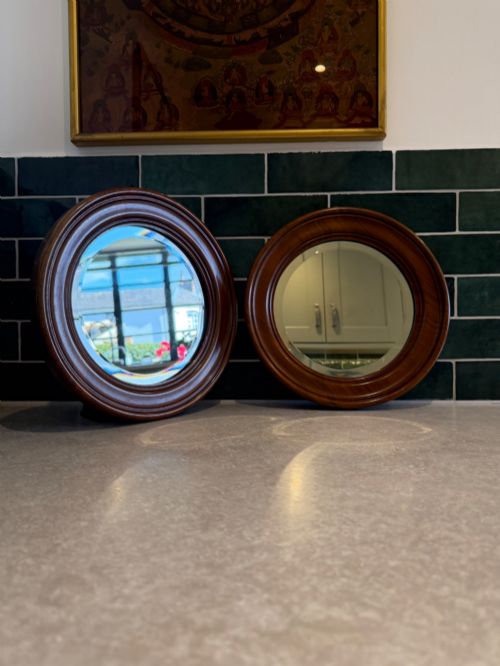
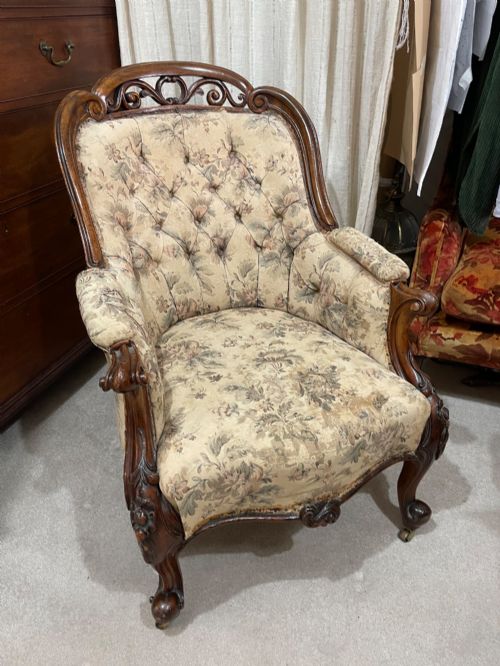
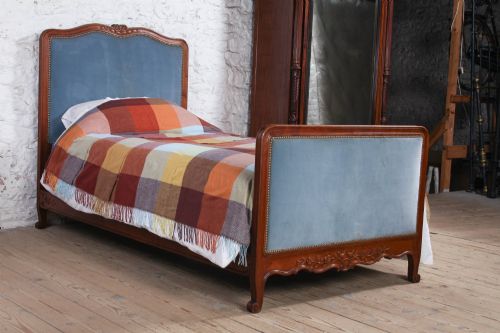
These pieces for walnut wood frame encompass centuries of polished timber surrounds, mirrors and seating designed to anchor a room.
Walnut Wood Frame
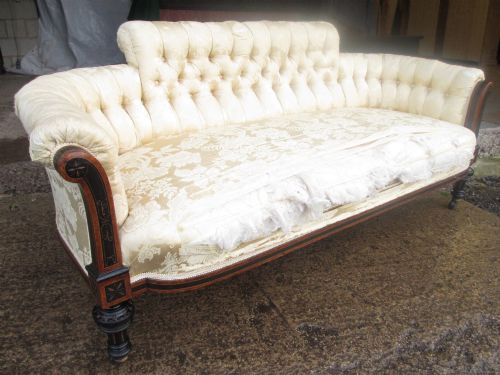
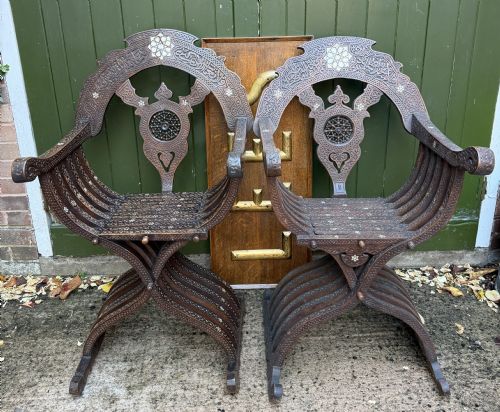
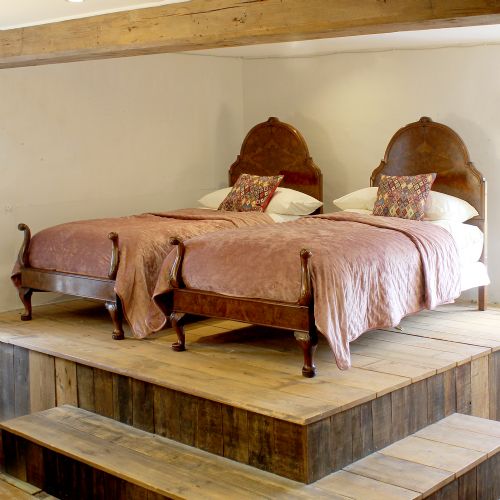
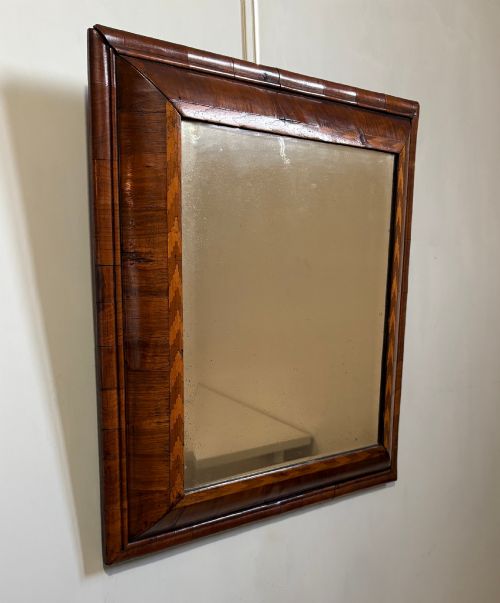
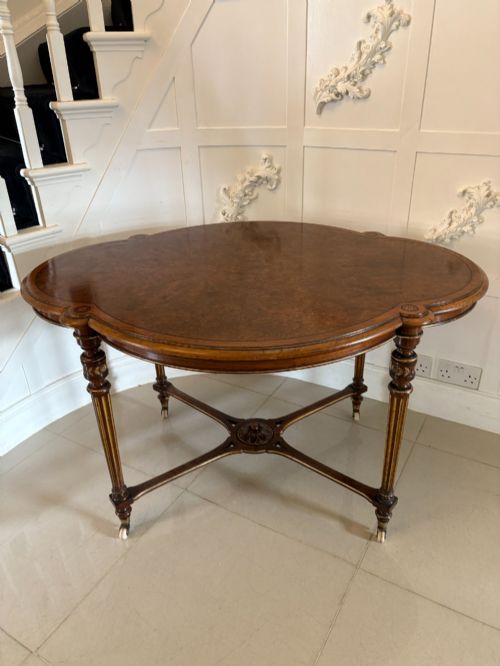
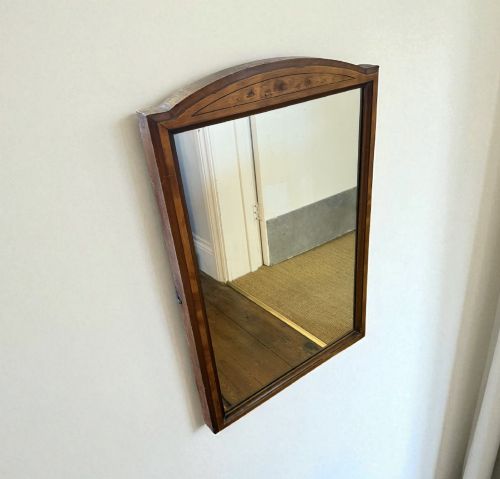
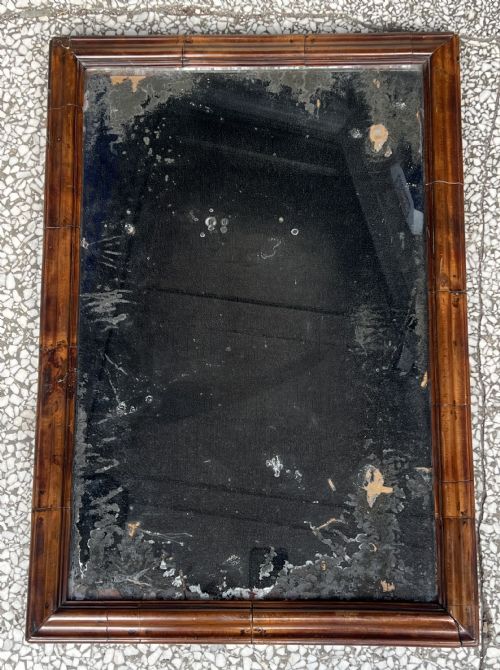
When you search for walnut wood frame, you encounter a diverse array of structural surrounds and furnishings spanning the eighteenth to the twentieth centuries. The selection ranges from Georgian and Victorian wall mirrors to Edwardian beds and seating bearing distinct period characteristics.
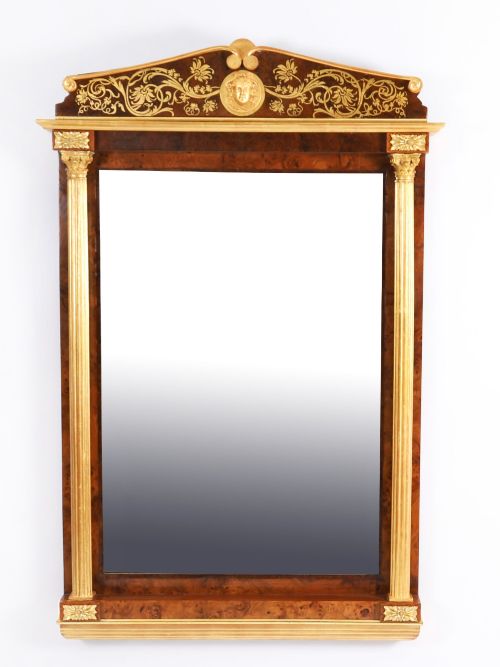
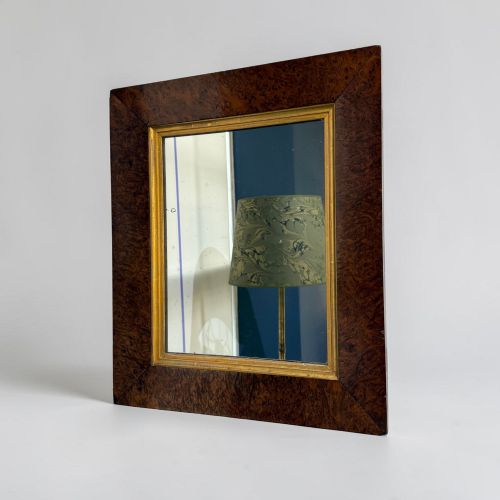
Mirrors and bed frames dominate the forms available on this page, often incorporating burr walnut veneers or parcel gilt details. These items reflect stylistic revivals from French Rococo to Art Deco, showing how makers adapted the timber across different decades.
Distinguishing quality
The distinction at the upper end of the range lies in the selection of figured burr timber and the precision of hand-carved elements. Finer examples display harmonious grain matching across large surfaces such as bed headboards and mirror frames.
Simpler provincial pieces rely on plain walnut boards and minimal shaping, contrasting with elaborate revival styles that incorporate intricate inlay or ebonised details. The depth and clarity of the original polish further differentiate the standard of execution.
Walnut Wood Frame Retail Price Guide 2026
Typical asking prices for walnut wood frame among the pieces listed under this phrase on Sellingantiques today, from the lower quarter to the upper quarter. They describe what is for sale here now, not the wider market.
Object forms include wall mirrors, beds, armchairs and oil paintings by named artists.
Carl Whitfield·John Moore of Ipswich
The Walnut Wood Frame Glossary
- Burr walnut
- A prized timber harvested from tree growths that produce complex, swirling grain patterns. It is typically sliced into thin veneers for furniture and mirror frames.
- Parcel gilt
- A decorative technique involving partial gilding with gold leaf applied to specific carved details against a walnut or painted ground.
- Trumeau
- A tall pier mirror or decorative wall panel originating in France, often combining painted or carved woodwork with a lower mirror plate.
- Ebonised
- Wood treated with a dark stain or finish to imitate ebony, frequently utilised on Art Deco and Victorian frames for contrast.
Walnut Wood Frame: Frequently Asked Questions
How do I date a walnut frame?
Dating relies on observing structural joins, backing boards and stylistic cues such as Georgian parcel gilt or Art Deco geometry.
Secondary woods and mirror glass characteristics also provide reliable clues to the period of manufacture.
What is burr walnut?
Burr walnut comes from a tree deformity that creates highly decorative, swirling patterns in the grain.
Cabinet makers slice this wood into thin veneers to adorn the front surfaces of frames and furniture.
How should I care for walnut wood?
Keep wooden frames away from direct sunlight and sudden temperature shifts to prevent the timber and veneer from splitting.
Dust gently with a dry cloth and avoid silicone-based polishes that build up over time.
Are these pieces English or continental?
The selection includes both English items from Georgian and Victorian workshops alongside French and continental pieces.
French pieces frequently display provincial styles, Louis XV influences or trumeau formats.