
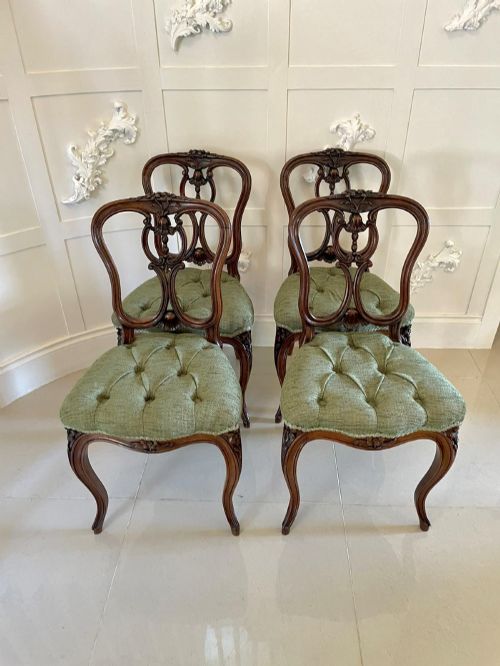

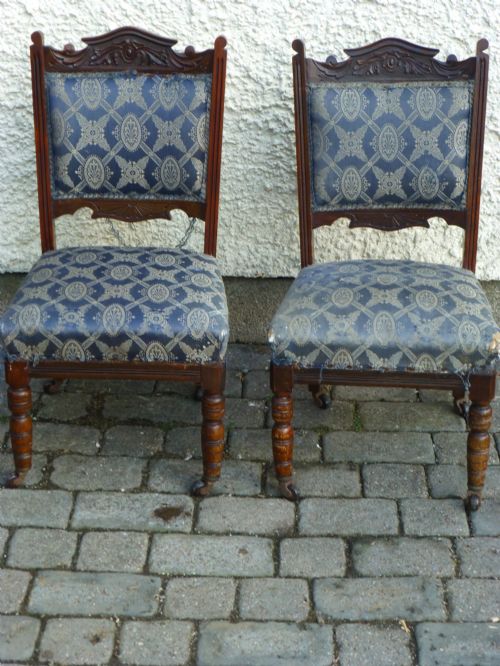
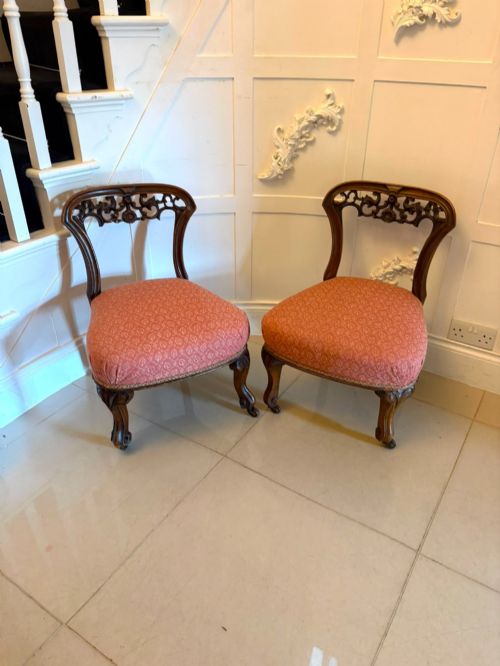
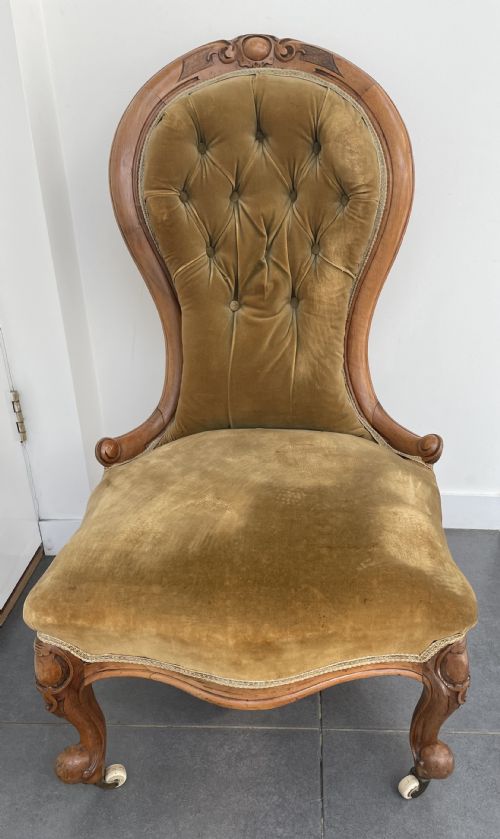
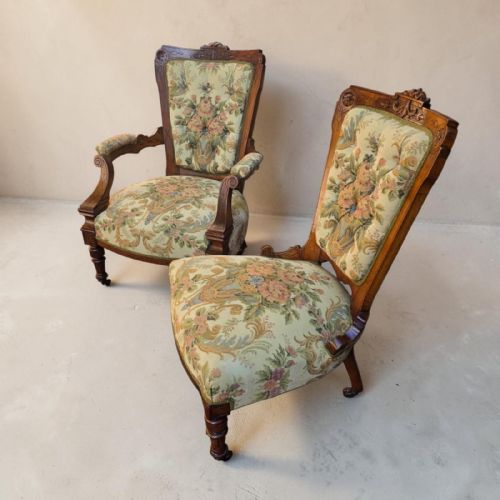
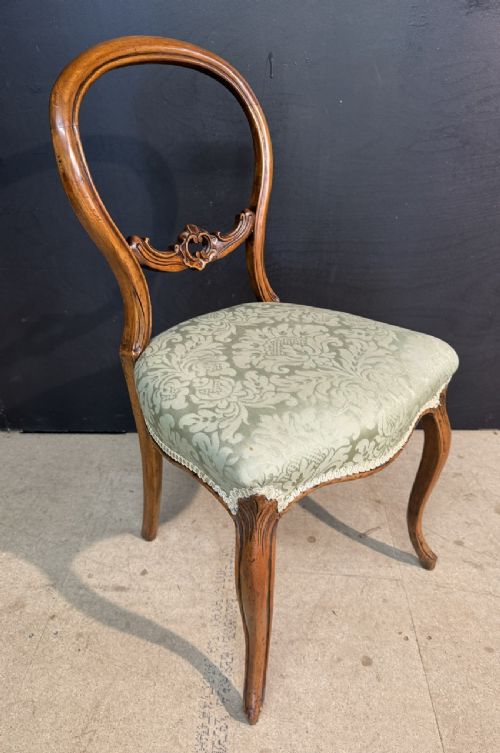
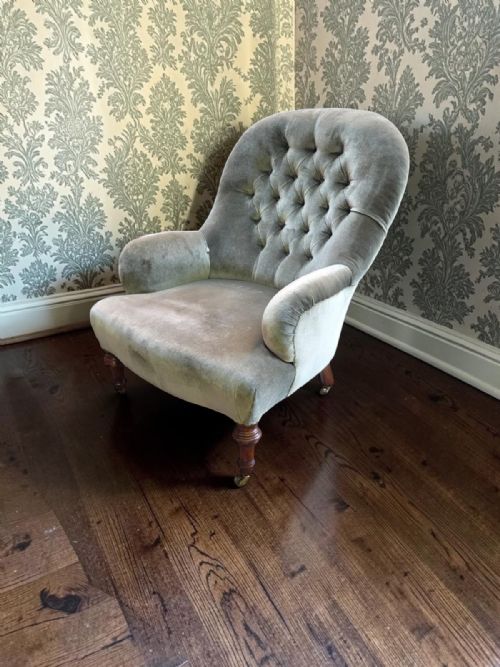
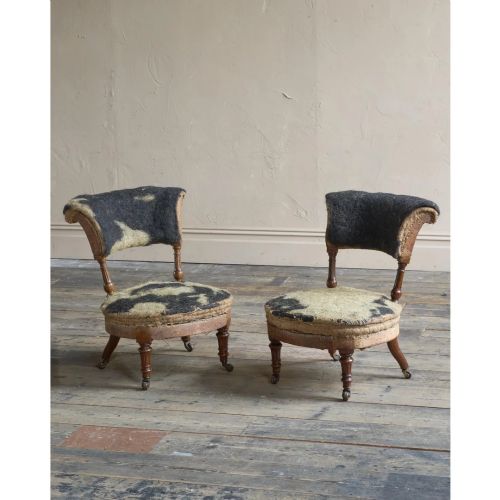
Walnut Victorian Bedroom Chair
A walnut victorian bedroom chair brings tactile warmth and carved detail into a modern interior through rich timber and period upholstery.
Walnut Victorian Bedroom Chair
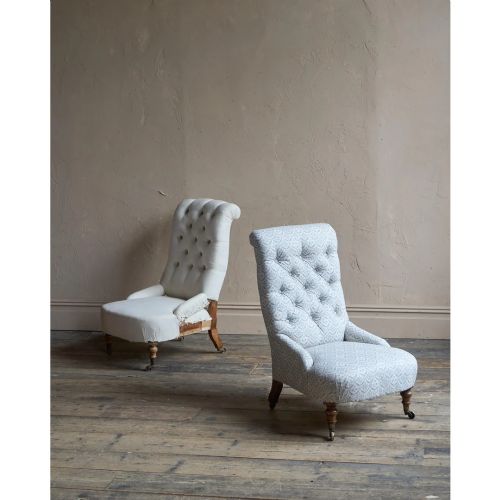
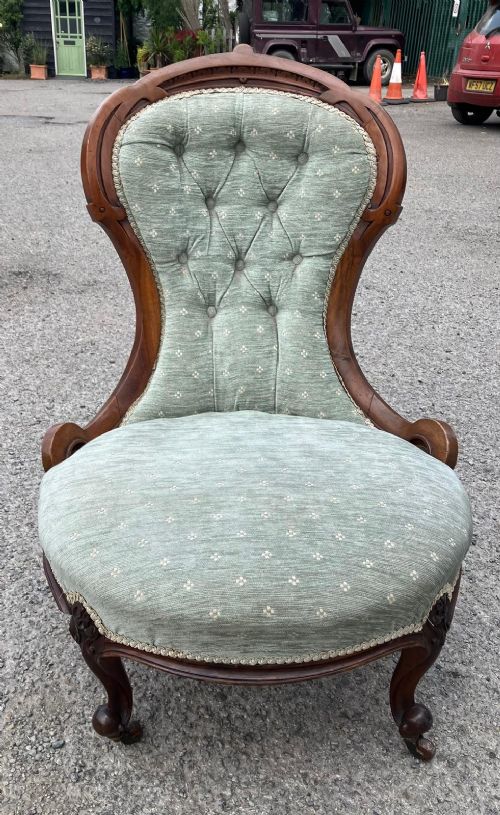
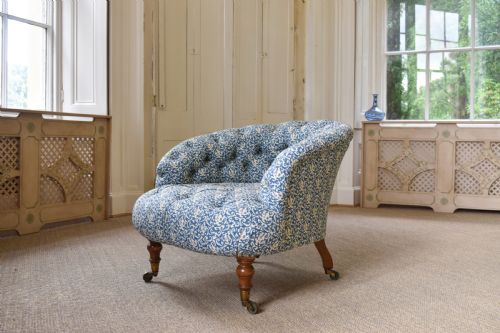
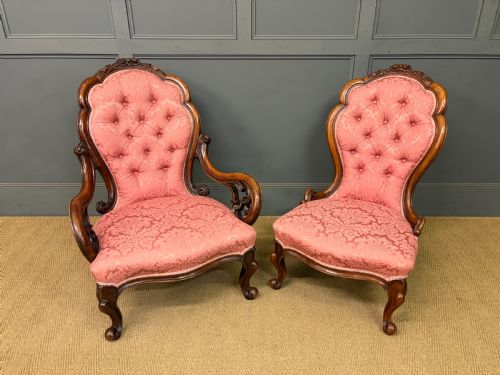
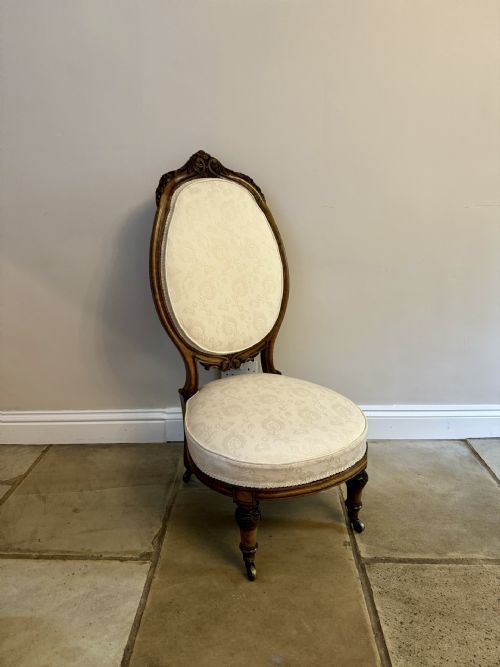
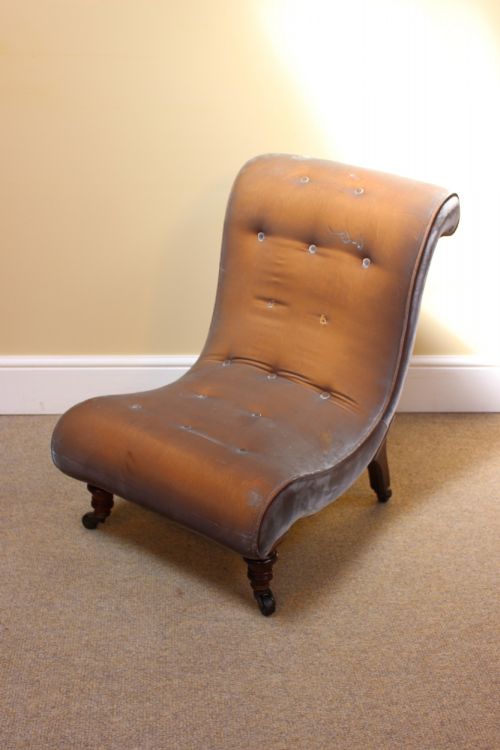
A walnut victorian bedroom chair is a compact seating piece typically designed for personal chambers, dressing rooms, or intimate parlours during the nineteenth century. These forms appear in various functional styles such as low nursing chairs, spoon-back ladies chairs, occasional seats, and carved side chairs.
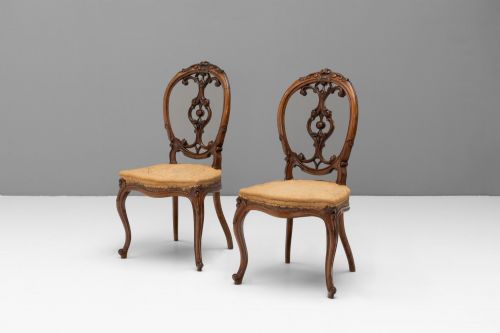
The prevailing examples span the Victorian and Edwardian eras, featuring rich walnut frames shaped into cabriole legs or twisted supports. Buyers frequently encounter low-slung profiles intended for comfort during dressing or resting near a hearth.
How They Were Made
Cabinet makers built these frames primarily from solid walnut and figured walnut veneers, often applying intricate hand-carvings and marquetry inlay. Structural strength relied on traditional joinery methods combined with turned components like barley twist legs.
Upholstery formed an integral part of the construction, utilising textile covers, velvet, and button-backed padding supported by internal webbing and stuffing.
Some nineteenth-century nursing chairs were built intentionally low so ladies could tend to infants without tripping over voluminous petticoats.
What Varies in Quality
The refinement of the hand-carved ornamentation on the walnut frame distinguishes standard production from exceptional examples. Deeper relief carving, sophisticated curvilinear shapes, and detailed marquetry inlay signal superior craftsmanship.
Proportion and wood selection also dictate the standard, with figured walnut grains and balanced cabriole leg formations holding greater distinction than plain timber frameworks.
Howard and Sons·Hindley and Sons
The Walnut Victorian Bedroom Chair Glossary
- Nursing chair
- A low-seated chair originally designed for comfort during infant feeding or personal dressing. These pieces often feature sprung upholstery and low profiles.
- Spoon back
- An oval chair back shaped in a concave recess resembling the bowl of a spoon. This design emerged prominently during the mid-Victorian period to fit the human spine.
- Cabriole leg
- A furniture leg that curves outward at the knee and tapers inward toward the foot. This form derives from classical furniture traditions revived in nineteenth-century designs.
- Marquetry
- Decorative patterns formed by fitted veneers applied to wood surfaces. Craftsmen used contrasting timber grains to create elaborate floral or geometric imagery.
- Aesthetic Movement
- A late nineteenth-century design style emphasising artistic expression over strict historical revival. Pieces from this movement often display simpler, more refined structural lines.
Walnut Victorian Bedroom Chair: Frequently Asked Questions
How were bedroom chairs used?
These chairs served private spaces like dressing rooms and bedrooms for resting, dressing, or holding garments.
Their compact proportions allowed them to fit easily beside vanity tables or fireplaces without overcrowding the chamber.
Where should I place a Victorian chair?
A Victorian walnut chair works well as an accent piece in a living room, hallway, or reading corner.
Its distinct timber grain and carved silhouette add historic character and texture to contemporary interiors.
How do I identify a Victorian walnut frame?
Victorian walnut exhibits a rich, dark brown tone with subtle grain patterns and accepts deep relief carving readily.
Frames from this period often display stylistic traits like spoon backs, cabriole legs, or button-backed textile upholstery.
Can I use these chairs daily?
Most antique bedroom chairs remain sturdy enough for regular seating if the internal frame and joinery are sound.
Historic pieces benefit from careful weight distribution and occasional checks of the underlying webbing and upholstery support.