



Walnut Tripod Plant Stand
These walnut tripod plant stands are raised supports for flora, offering both practical display and classical proportion.
Walnut Tripod Plant Stand
When you search for walnut tripod plant stand, you encounter pieces designed to elevate greenery and decorative objects within a room. These supports appear across several periods, stretching from the late seventeenth century through the Victorian era and into the early twentieth century.
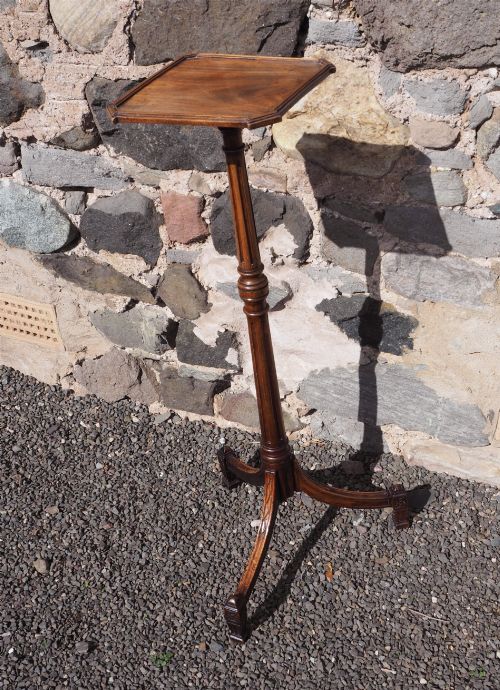
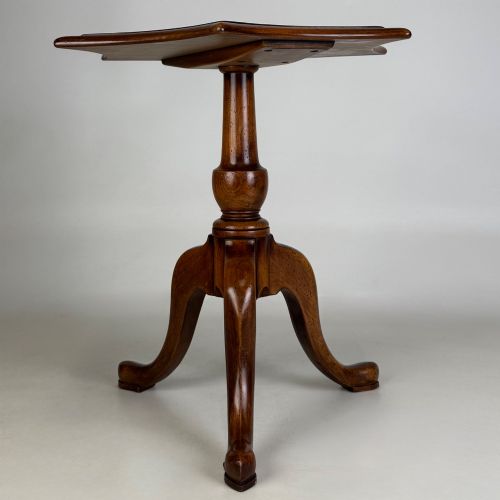
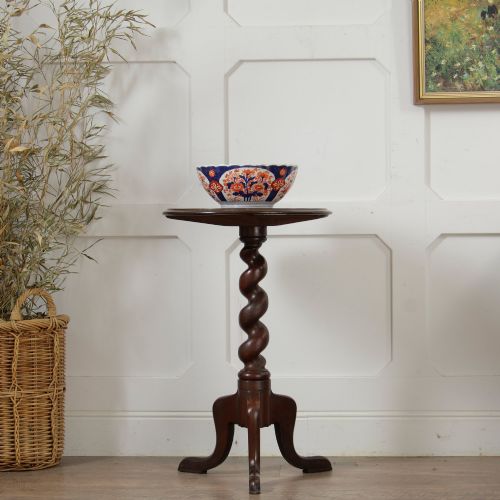
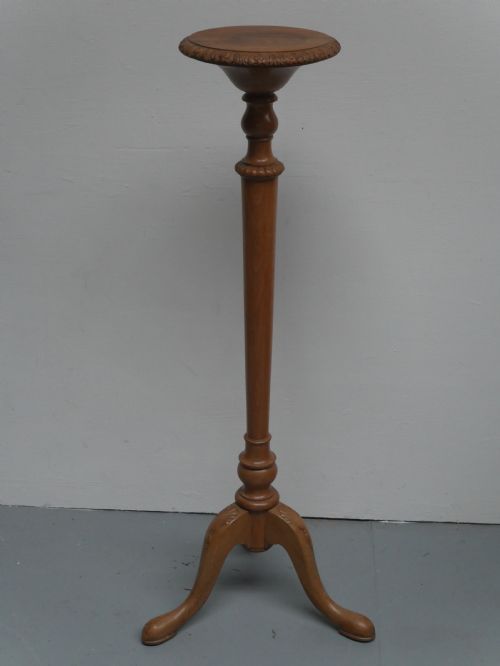
The most common forms on this page include torcheres, jardiniere stands, and occasional tables adapted for botanical display. Makers fashioned these works with three-legged bases to ensure stability on uneven floorboards.
Examples range from restrained George III and Georgian designs to ornate Dutch marquetry and French revival pieces. Buyers select these stands to introduce vertical interest and natural timber tones into traditional interiors.
Materials and Construction
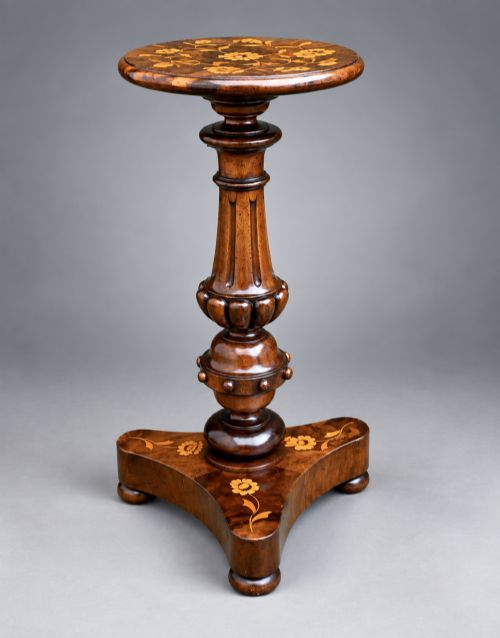
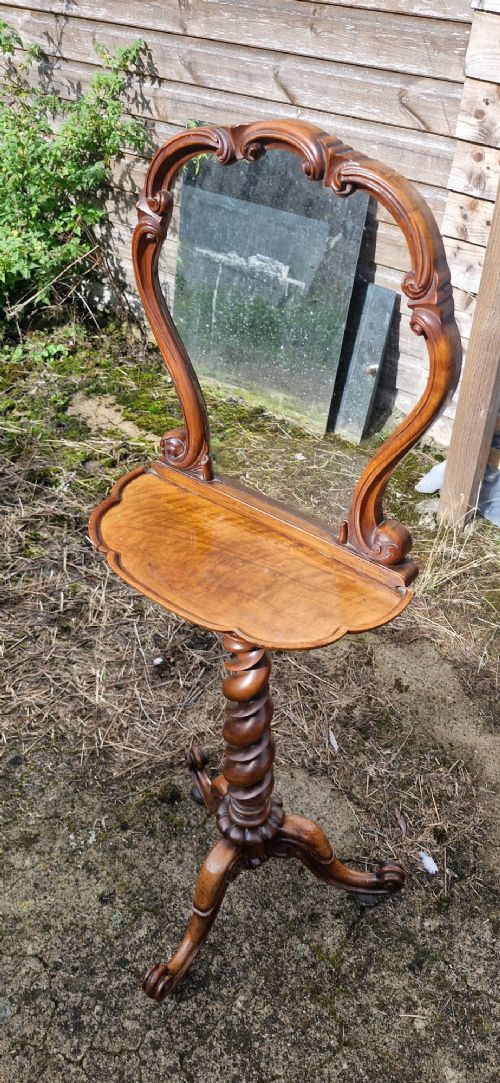
The primary material across these pieces is walnut, frequently utilised alongside fruitwood marquetry, mahogany, and hardwood for secondary framing. Cabinetmakers turned central pedestals on lathes, sometimes incorporating barley twist motifs or carved details.
Inlays of floral marquetry and contrasting veneers decorate the tops of finer examples, demonstrating meticulous woodworking skills. Supplementary elements such as brass mounts, glass inserts, and inset onyx surfaces appear on specific French and Victorian variants.
One unexpected piece carries a motoring moniker in its title, linking fine timber furniture with the world of luxury automobiles.
Distinctions in Quality
Quality in these supports rests upon the crispness of the carving, the complexity of the veneer work, and the structural integrity of the tripod base. Superior pieces exhibit precise marquetry and well-proportioned turned columns rather than mechanical mass-production.
Condition and originality dictate the standing of individual examples, with intact patination and period-correct hardware distinguishing better pieces. Simpler utility stands meet basic display needs, whereas elaborately inlaid torcheres reflect advanced craftsmanship.
The Walnut Tripod Plant Stand Glossary
- Torchere
- A tall ornamental stand originally designed to hold a candle or light source. These pieces now frequently support plants and urns.
- Marquetry
- Decorative veneer applied to furniture in geometrical or pictorial patterns using various woods. This technique often displays floral or scroll motifs.
- Jardiniere
- An ornamental pot or stand for holding plants and flowers. The term often describes taller pedestals built specifically for botanical display.
- Pedestal
- An upright architectural support or column holding a tabletop or plant tray. They form the central pillar of a tripod stand.
Walnut Tripod Plant Stand: Frequently Asked Questions
What fits on a plant stand?
These supports accommodate potted plants, small sculptures, and decorative bowls depending on the diameter of the top.
Heavier planters require sturdy pedestals with wide tripod bases to prevent tipping.
How do I date a stand?
Dating relies on timber choice, construction methods, and stylistic cues such as barley twists or marquetry patterns.
Earlier examples from the seventeenth and eighteenth centuries show distinct hand-tool marks compared to twentieth-century alternatives.
Where should I place it?
These stands suit corners, empty hallway spaces, or beside seating where vertical height adds balance to a room.
Keep them away from direct heat sources to protect the walnut veneer from drying and splitting.
Are tripod bases stable?
Three-legged construction rests firmly on uneven historic floors without rocking.
Properly balanced proportions ensure that the weight of a plant remains centered over the base.