
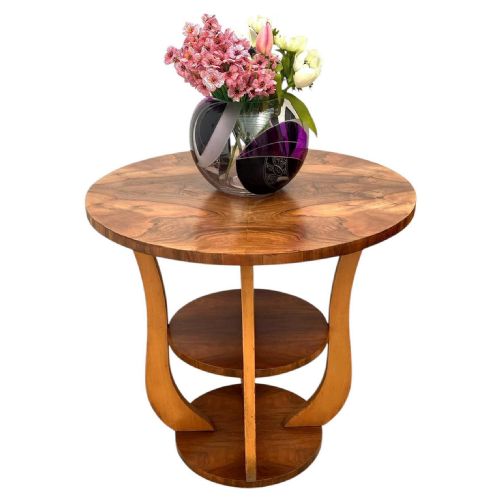
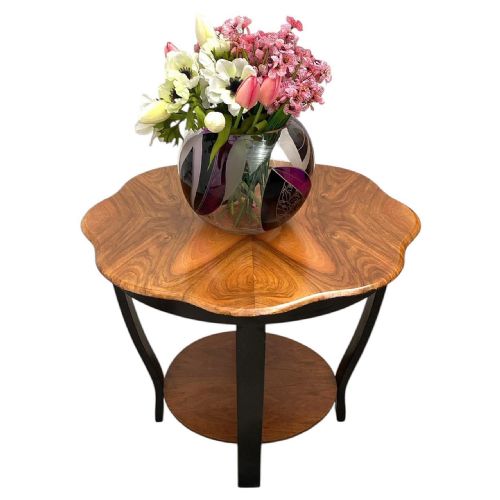
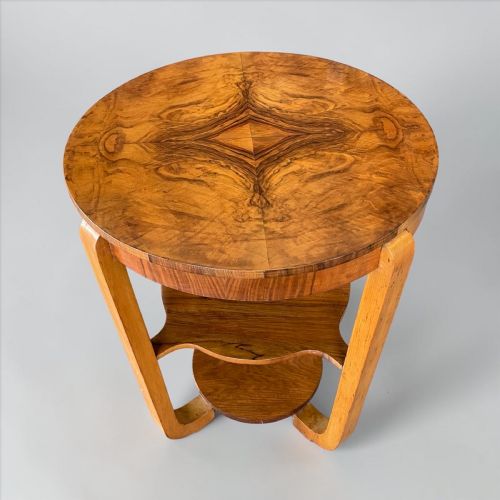
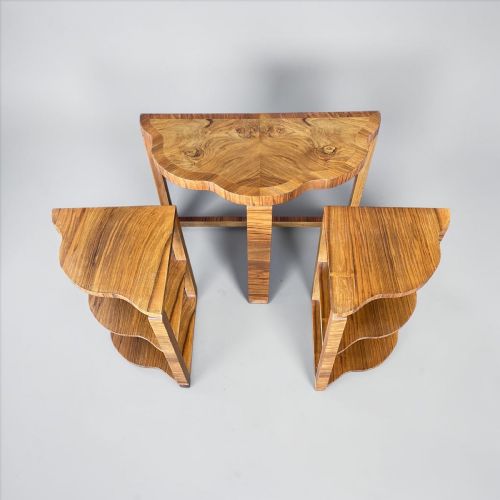
Walnut Tier Side Table
A walnut tier side table brings multi-level timber display to compact spaces through various periods.
Walnut Tier Side Table
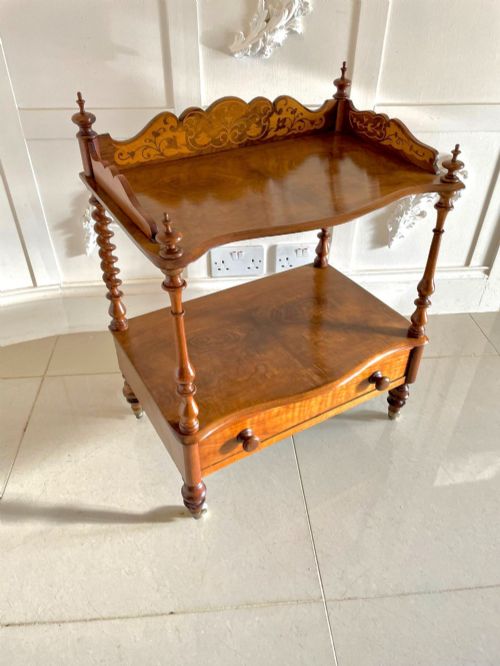
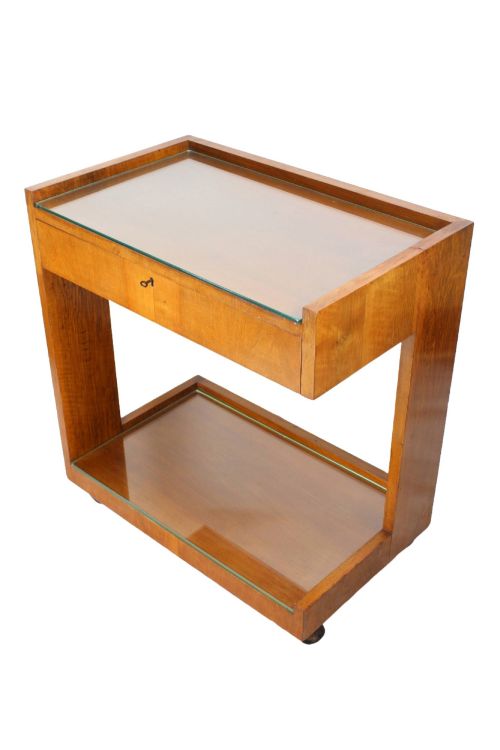
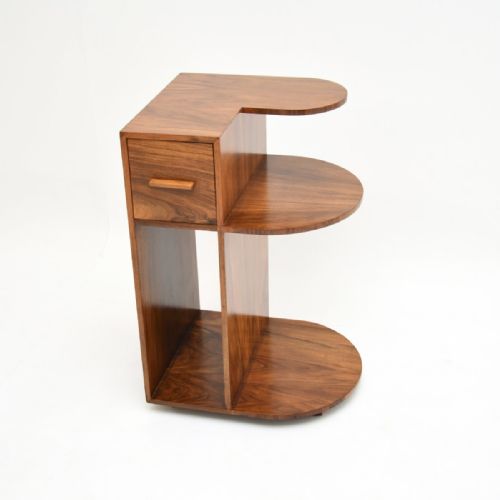
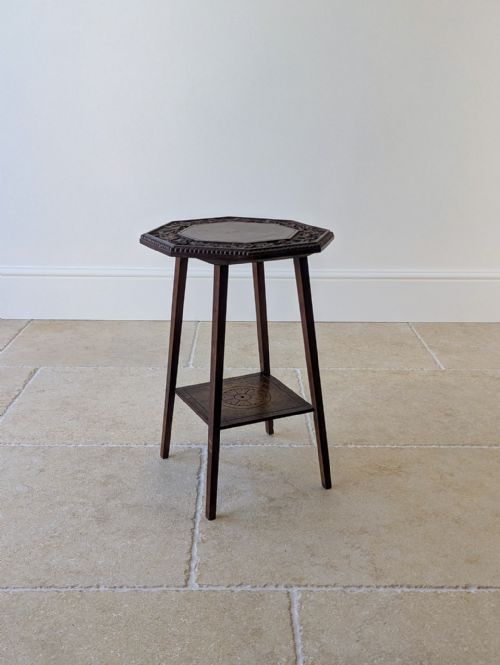
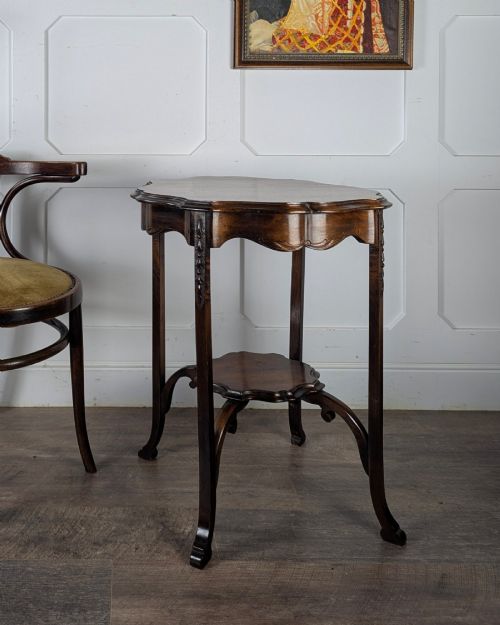
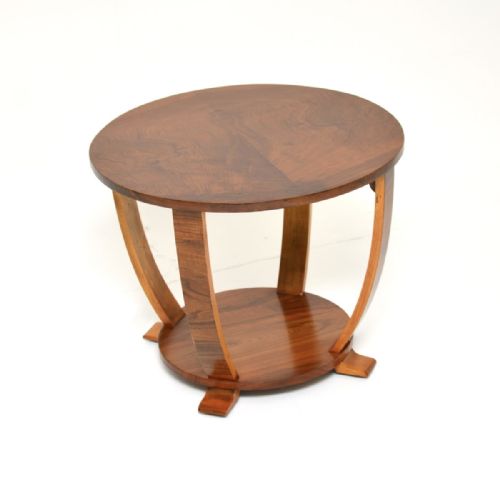
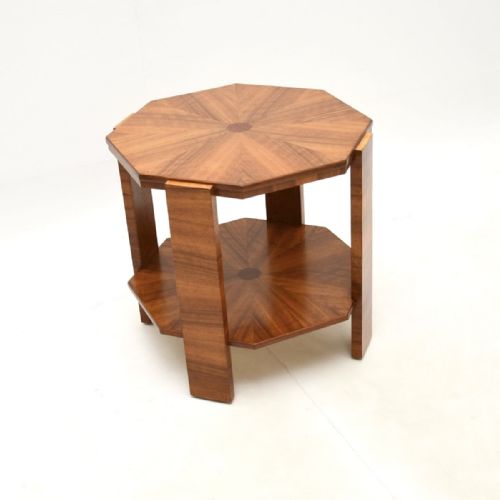
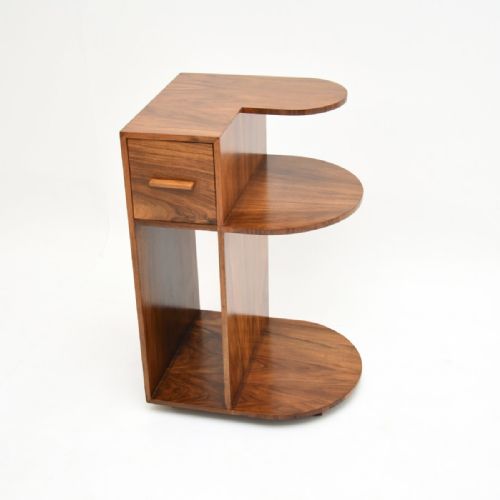
A walnut tier side table is an adaptable surface piece featuring multiple levels for display or storage, most frequently encountered in Victorian, Edwardian, and Art Deco iterations.
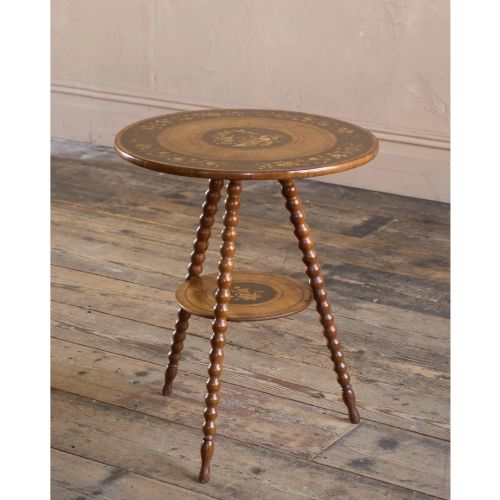
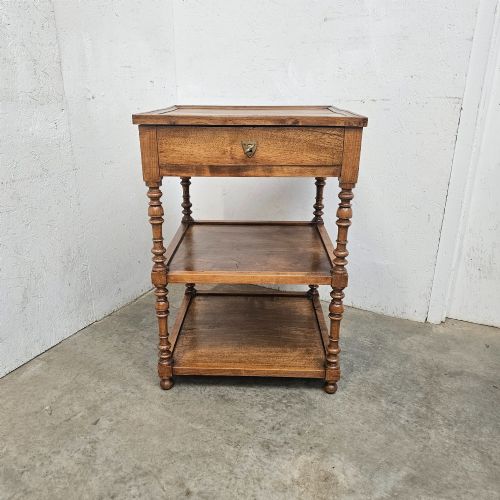
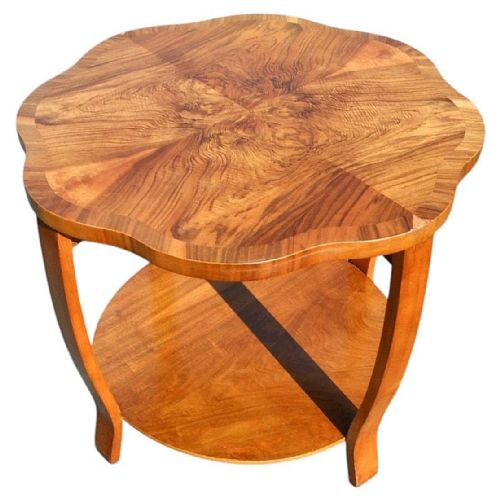
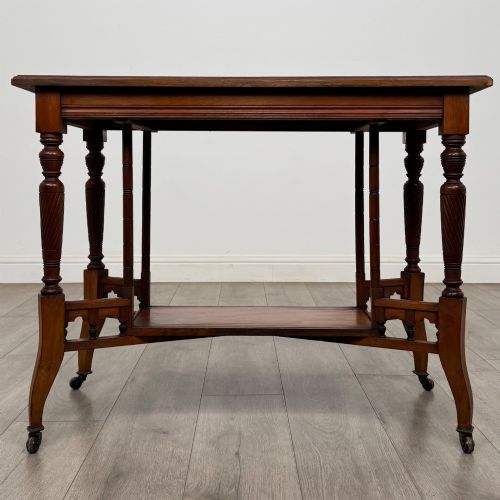
The selections span from late nineteenth-century Victorian and Arts and Crafts examples to interwar Art Deco designs, utilising diverse forms such as two-tier trolleys, lamp tables, and nested sets.
These tables function as practical occasional surfaces beside seating or beds, offering supplemental shelf space in walnut, burr walnut, and figured veneers.
Materials and Construction
Cabinet makers utilised solid walnut, mahogany, and ebonised wood alongside decorative veneers like burr walnut to create patterned surfaces on frames.
Structural embellishments incorporated brass hardware, ormolu mounts, marquetry inlay, and turned or bobbin legs to support the multiple tiers.
Some tables double as nested sets that multiply into five separate surfaces when guests arrive.
Evaluating Quality
Quality rests in the selection of figured burr walnut veneers and the precision of marquetry inlay across the multiple tiers, distinguishing superior examples from plain builds.
The structural integrity of the tiered supports, whether turned legs or brass-accentuated frames, dictates the durability and finish of each piece.
Liberty of London·William Birch·Holland and Sons·Tehan
The Walnut Tier Side Table Glossary
- Burr Walnut
- A figured wood grain obtained from walnut tree growths, prized for its swirling patterns on table tops.
- Etagere
- A piece of furniture consisting of a set of open shelves for displaying small articles.
- Marquetry
- Decorative veneer applied to furniture in patterns using thin pieces of wood.
- Ormolu
- Gilded bronze used for decorative mounts on furniture during the nineteenth century.
Walnut Tier Side Table: Frequently Asked Questions
What periods do these tables come from?
The pieces span from the Victorian and Edwardian eras through to Art Deco interwar designs.
They reflect shifting stylistic preferences from ornate nineteenth-century carving to clean twentieth-century geometric lines.
How were tiered side tables used historically?
They served as versatile occasional tables for lamps, drinks, books, or decorative objects in drawing rooms.
Additional shelves provided practical storage without occupying a larger floor footprint.
Where do I place a tier side table?
These tables fit easily beside sofas, armchairs, or beds as functional surfaces.
The multiple tiers allow for displaying ornaments below while keeping the top clear for daily use.
What distinguishes Art Deco examples?
Art Deco versions often feature figured walnut veneers, geometric shapes, and simpler two-tier or nested configurations.
They date primarily from the 1920s and 1930s with minimal ornamentation compared to Victorian predecessors.