

Walnut Storage Box
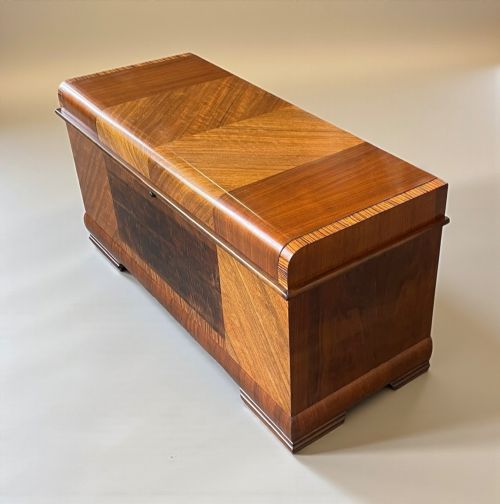
A walnut storage box brings solid timber grain and clever compartment work into a room, holding everything from tea to documents.
Walnut Storage Box
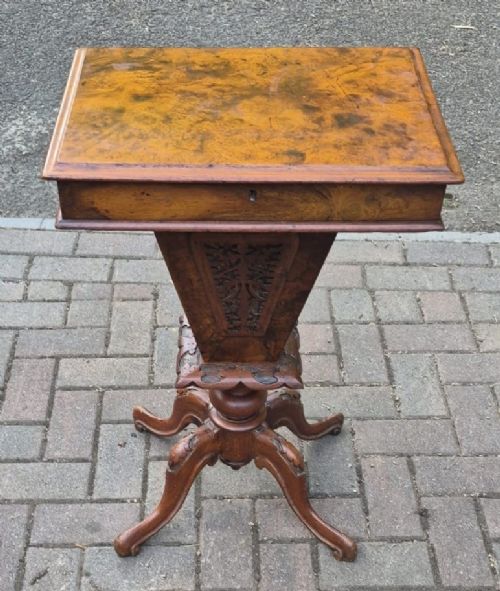
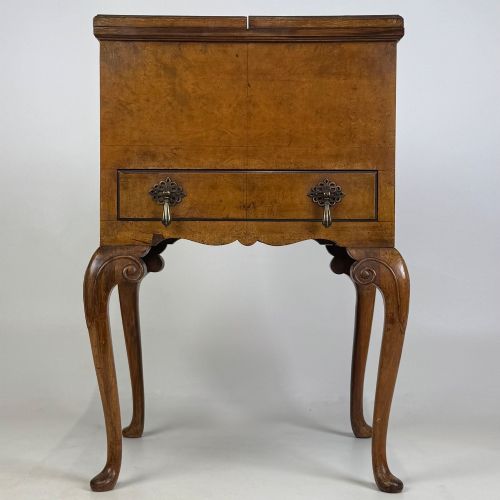
A walnut storage box spans a vast range of domestic vessels, from tea caddies and small table caskets to large blanket chests and collectors' cabinets. When exploring this selection, buyers encounter diverse forms shaped across centuries for specific household duties.
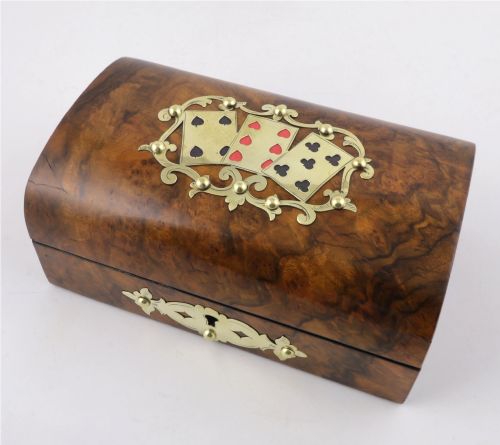
The material identity centres firmly on walnut, often chosen for its rich figuring, alongside burr walnut veneers that create striking surface patterns. Pieces emerge from periods including the Georgian, Victorian and Edwardian eras, reflecting changing domestic habits.
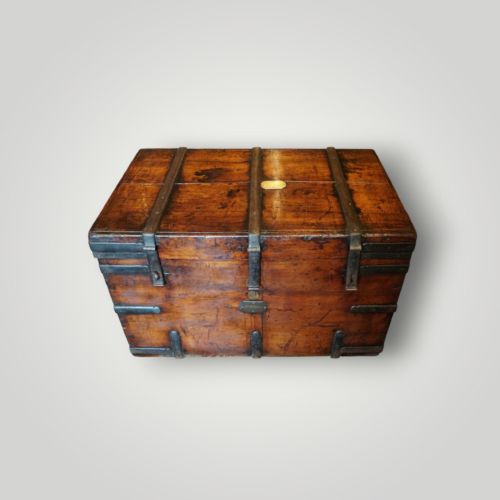
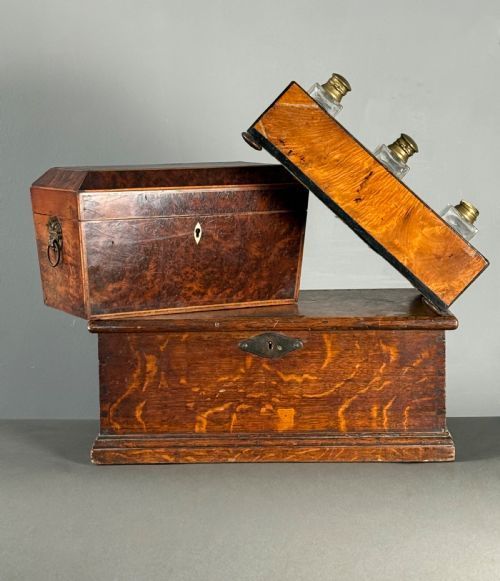
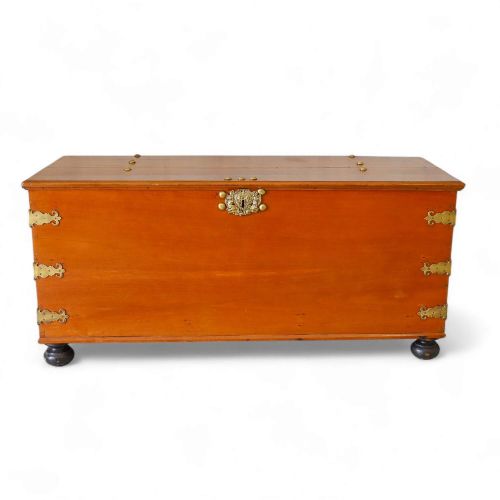
Smaller tabletop boxes sit alongside substantial coffers and trunks fitted with iron or brass hardware. Each vessel serves a practical containment role while displaying the prevailing decorative style of its origin.
How they were made
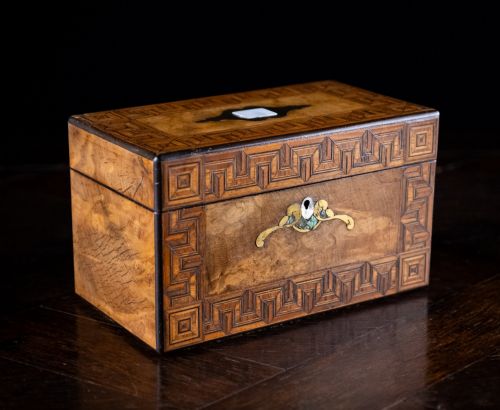
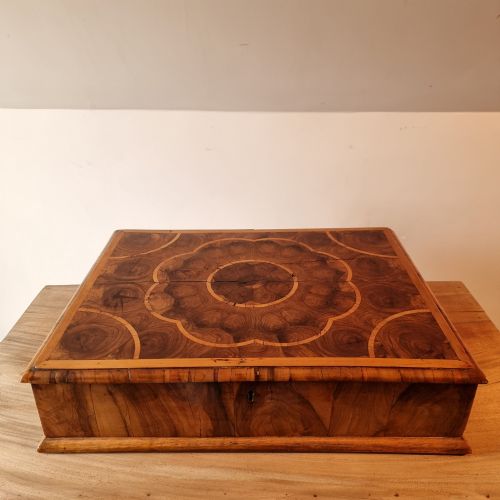
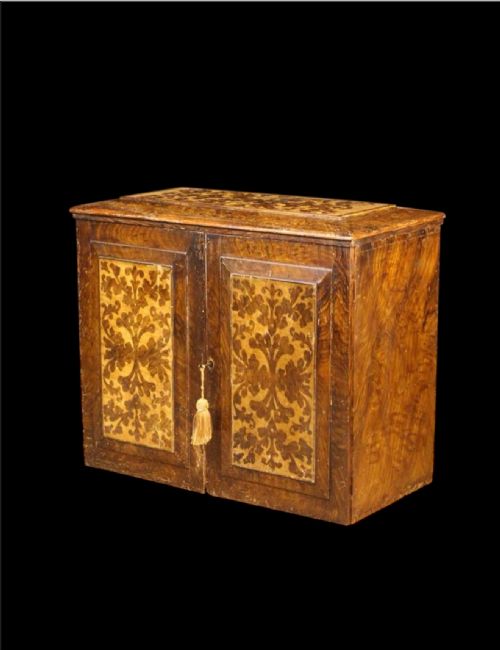
Cabinet makers utilised solid walnut and decorative burr walnut veneers applied to secondary timbers, building sturdy carcases designed to withstand decades of handling. Surfaces often received parquetry work or contrasting stringing in boxwood.
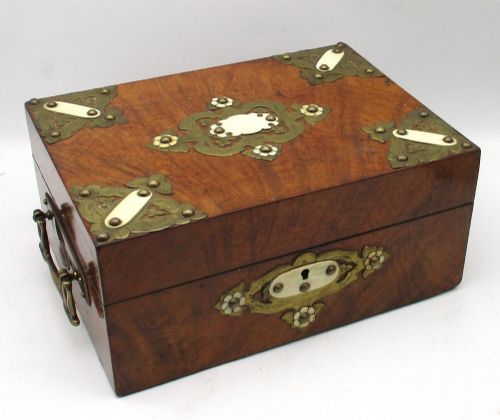
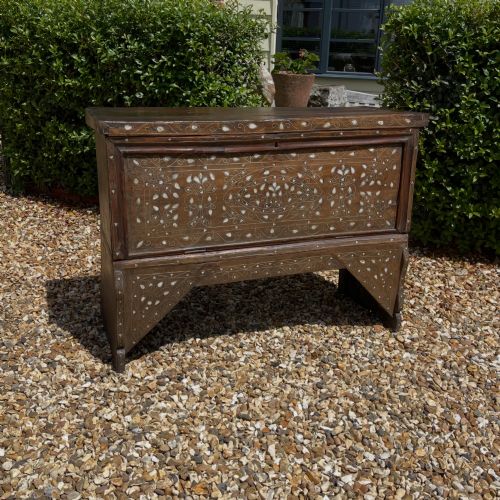
Metal components such as brass hinges, escutcheons, and iron bindings provided both structural reinforcement and secure fastenings. Inlaid details incorporated bone and mother of pearl into the timber lids and panels.
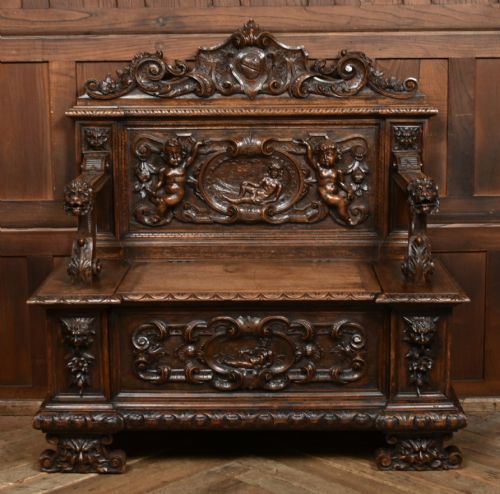
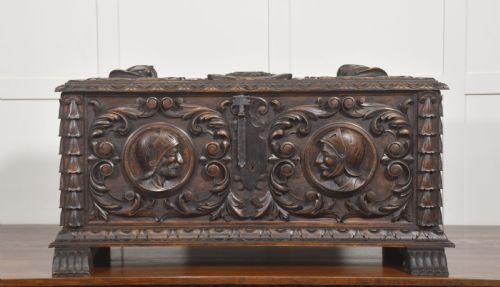
Carving techniques appeared on heavier coffers and cassapanca benches, displaying figural medallions and geometric motifs. French polishing or wax finishes sealed the grain while enhancing the natural warmth of the wood.
Some Victorian gentleman kept their cigars safe in walnut humidors while mice nibbled silently in the wainscot.
What varies in quality
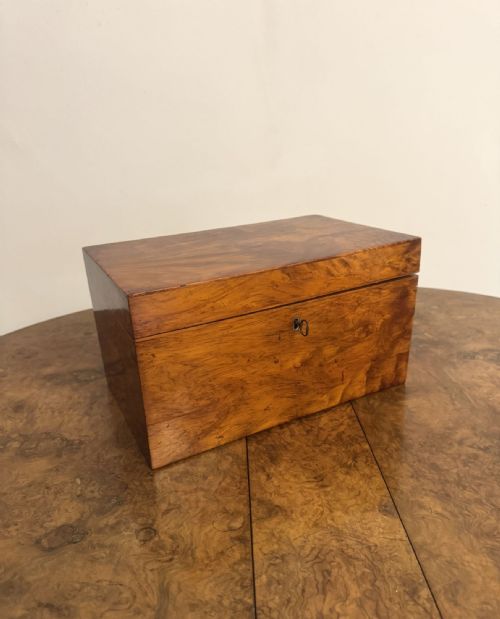
The standard of timber selection sets individual pieces apart, particularly where burr walnut veneer displays complex, matched grain patterns across a lid. Superior examples maintain intact parquetry and precise inlay without missing sections of bone or mother of pearl.
Hardware integrity defines finer boxes, showing original brass mounts, working locks with keys, and tight-fitting joints. Poor execution appears in crude repairs, replacement brassware that ignores period conventions, and warped timbers that prevent lids closing flush.
The Walnut Storage Box Glossary
- Burr walnut
- A prized timber harvested from tree growths, yielding intricate swirling grain patterns used for decorative veneer on fine boxes.
- Tea caddy
- A specialised container designed to store loose tea leaves securely, often featuring internal lidded compartments.
- Parquetry
- Geometric wood mosaic work arranged in repeating patterns across the surface of a box or cabinet.
- Escutcheon
- A protective metal plate surrounding a keyhole, frequently cast in brass on period storage pieces.
- Cassone
- A large Italian chest or coffer, typically constructed from walnut and used historically for storing household valuables.
- Purdonium
- A Victorian coal box or scuttle designed to keep hearth fuel contained neatly beside the fireplace.
Walnut Storage Box: Frequently Asked Questions
What fits inside a walnut tea caddy?
These boxes contain hinged lids opening to reveal foil-lined or wooden compartments meant for dividing different tea varieties. Small internal mixing bowls of glass often sit centrally.
Collectors utilise them today for storing trinkets, jewellery or modern tea bags while maintaining period character on a sideboard.
How do I care for antique walnut wood?
Keep wooden surfaces away from direct heat sources and strong sunlight to prevent the timber and burr veneers from drying out or splitting. Apply a quality natural beeswax periodically to nourish the grain.
Avoid excessive moisture during cleaning and use a soft, dry cloth to remove dust from carved details and brass fittings.
How can I date a Victorian storage box?
Examine the construction methods, secondary timbers, and lock mechanisms visible inside the compartment walls. Victorian pieces often incorporate machine-sawn elements alongside hand-finishing, paired with brass hinges stamped by period makers.
Stylistic markers like Gothic Revival brass mounts or Tunbridge Ware mosaic banding point directly to mid to late nineteenth-century manufacture.
Were large walnut chests used for travel?
Substantial trunks and iron-bound chests served as luggage for transport by ship or carriage during earlier centuries. Their robust timber construction and heavy metal strapping protected contents across long journeys.
Later colonial examples provided secure storage in distant postings before finding permanent placement in domestic country houses.