


Walnut Settee Sofa
When searching for a walnut settee sofa, collectors encounter solid timber frames spanning the Victorian, Edwardian, and Art Deco periods.
Walnut Settee Sofa
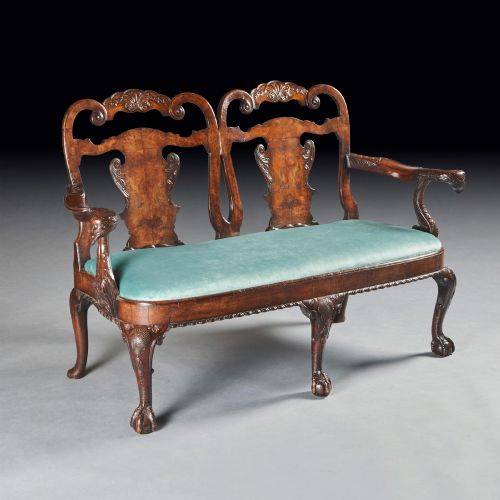
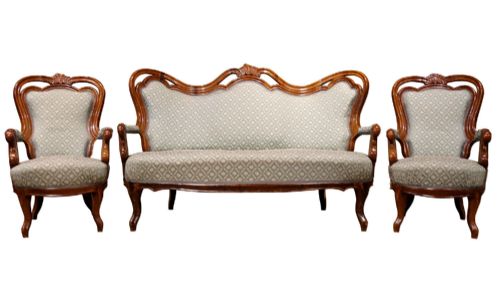
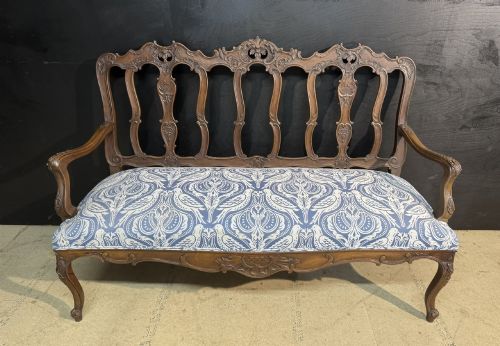
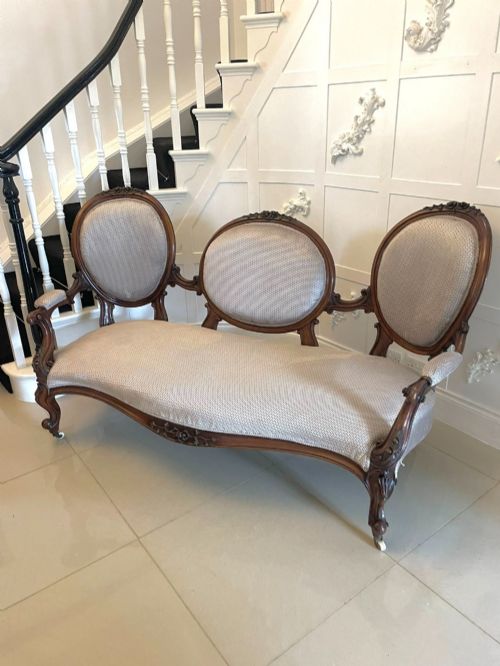
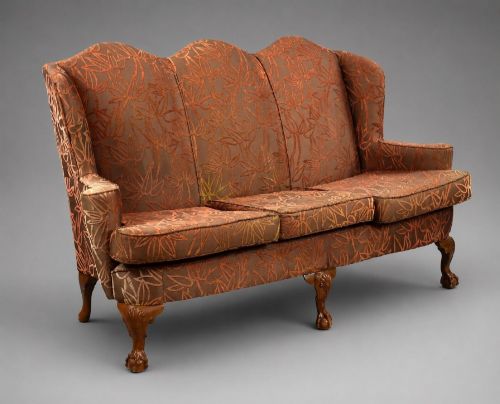
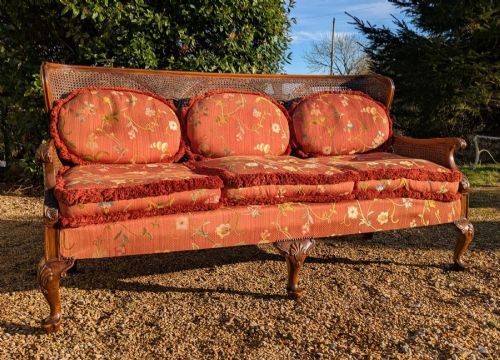
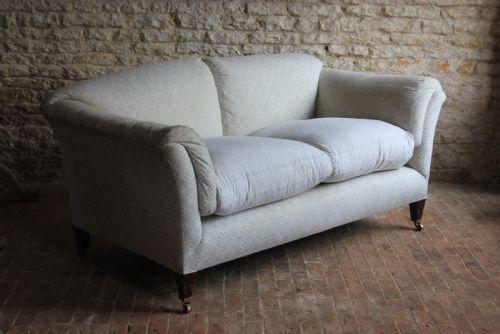
A walnut settee sofa represents formal domestic seating developed across multiple centuries, appearing in forms ranging from compact Victorian button-backed frames to expansive Edwardian bergere suites. The walnut settee sofa encompasses distinct historical revivals, including Queen Anne, Louis XV, and Rococo styles executed in rich native and continental hardwoods.
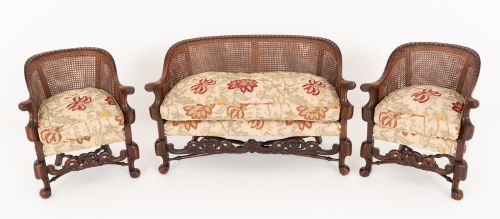
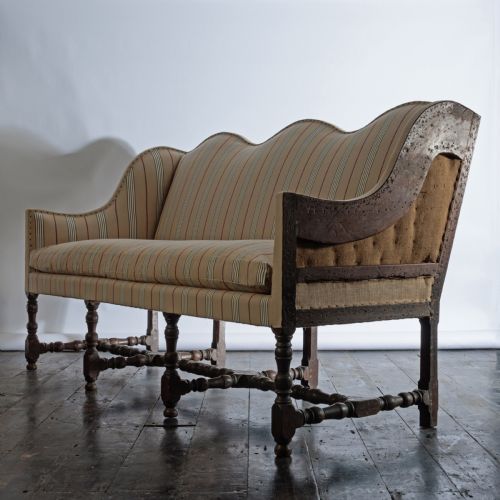
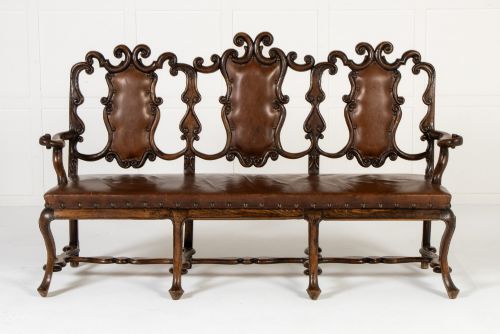
The pieces on this page are principally 19th and early 20th century iterations, blending structural woodwork with upholstered textiles, cane work, and leather. Buyers regularly encounter multi-piece salon suites alongside individual couches, daybeds, and twin chair-back settees designed for principal reception rooms.
How They Were Made
Cabinetmakers utilised figured walnut veneers and solid timber for the exposed frames, often shaping the show-wood through intricate carving, scrollwork, and subtle boxwood stringing. Frames were joined using traditional mortise and tenon techniques to support heavy internal webbing and stuffing.
Upholstery methods varied by decade, transitioning from horsehair stuffing secured with traditional coil springs to feather cushions and tight silk damask, velvet, or leather coverings. Caned panels were woven by hand into drilled frame apertures on French and English bergere models.
Listings feature walnut frames spanning the seventeenth century through the Art Deco era, paired with silk damask, cane, and leather.
What Varies in Quality
Quality rests upon the crispness of the hand-carved woodwork, the depth and figure of the walnut grain, and the integrity of the frame construction. Superior examples retain original finish without excessive sanding, alongside well-proportioned cabriole legs or turned supports that balance decorative restraint with structural strength.
The grade of secondary materials, such as tight hand-woven cane and substantial internal joinery, separates standard commercial production from bespoke workshop output. Original upholstery treatments and surviving matching salon chairs elevate the historical integrity of a suite.
Howard and Sons·Harry and Lou Epstein
The Walnut Settee Sofa Glossary
- Bergere
- A closed-arm armchair or sofa with upholstered sides enclosed in cane or upholstery. This French seating form gained widespread popularity in English Edwardian and Art Deco drawing rooms.
- Show-wood
- The exposed polished timber frame of an upholstered piece of furniture. Cabinetmakers displayed the figured walnut grain around the crest rails and cabriole legs.
- Cabriole leg
- A furniture leg that curves outward at the knee and tapers inward toward the foot. This classical support derived popularity during the Queen Anne and Louis XV revival periods.
- Caning
- Woven rattan material utilised for seat panels and backrests. Skilled artisans threaded the strands through holes drilled directly into the walnut frame.
- Settee
- A medium-length upholstered wooden bench with a backrest and arms. The form accommodates multiple sitters in formal reception spaces.
Walnut Settee Sofa: Frequently Asked Questions
How do I identify a Victorian walnut settee?
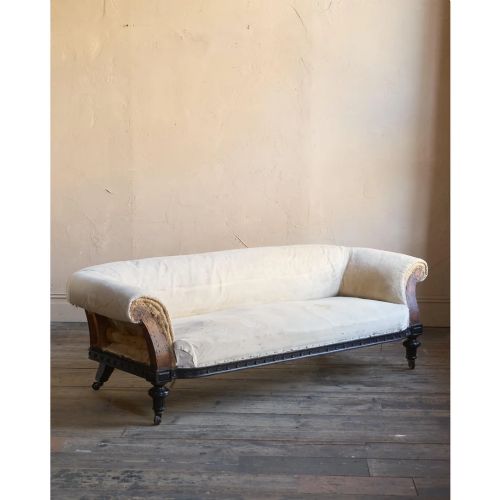
Victorian walnut settees typically feature dark, heavily figured timber frames adorned with elaborate hand-carvings, button-backed upholstery, and serpentine front rails. These pieces often display robust springing and scrolled arm supports characteristic of mid-nineteenth-century domestic comfort.
Later Victorian variations introduce lighter walnut tones and stylistic nods to earlier Georgian aesthetics, blending traditional joinery with the era's expanding repertoire of revival ornament.
What is a bergere sofa?
A bergere sofa incorporates woven cane panels along the sides and backrest within an exposed walnut frame. Originating in France, this seating type provides a lighter visual weight compared to fully upholstered Victorian frames.
These models frequently feature loose feather seat cushions and delicate cabriole legs, making them well-suited for light-filled garden rooms and formal drawing spaces.
Are Art Deco walnut settees comfortable?
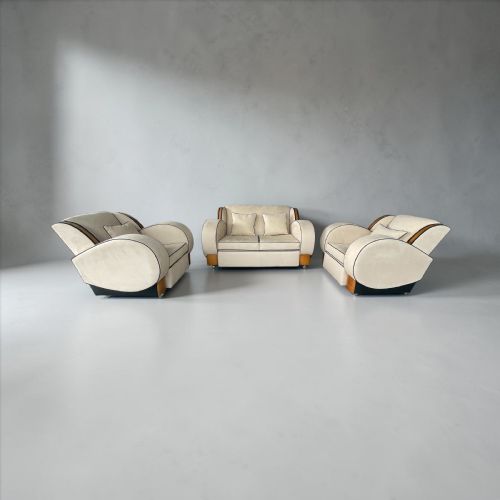
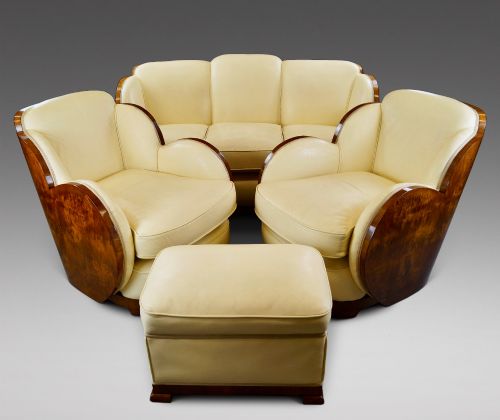
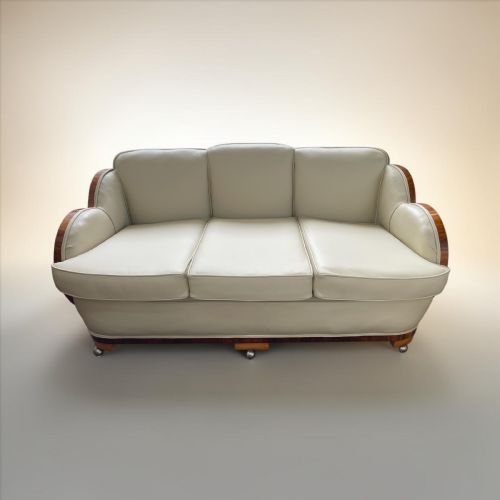
Art Deco walnut settees prioritize deep, rounded upholstery forms such as the characteristic cloud suites. Interior padding relies on dense stuffing and supportive springing designed for relaxed lounging.
The smooth walnut veneers and streamlined wooden bases anchor the plush textile upholstery, combining modernist geometry with traditional seating comfort.
How should I care for antique walnut furniture?
Antique walnut furniture requires protection from direct sunlight and extreme humidity fluctuations to prevent timber splitting and veneer lifting. Maintaining a stable indoor climate preserves the integrity of the polished show-wood.
Routine dusting with a dry, soft cloth prevents particulate buildup on both the carved wooden frames and the delicate textile or cane upholstery components.