


Walnut Marquetry Furniture
Walnut marquetry furniture combines figured timber with intricate inlaid decoration, offering a focal point for traditional interiors.
Walnut Marquetry Furniture
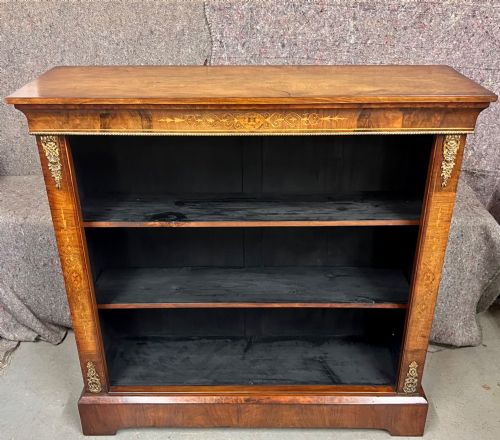
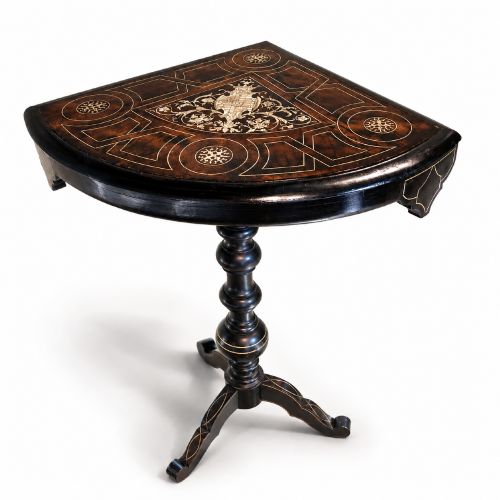
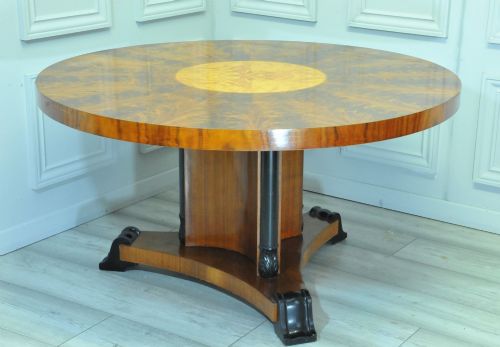
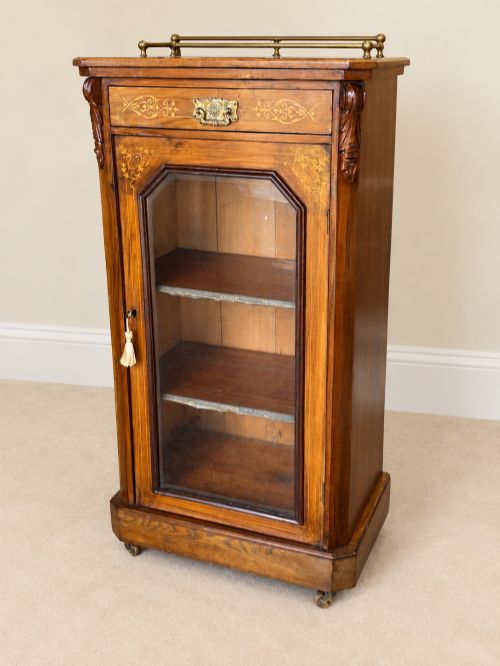
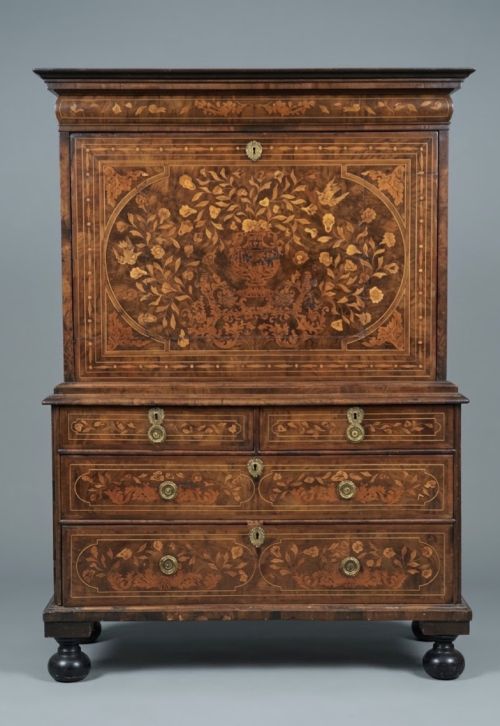
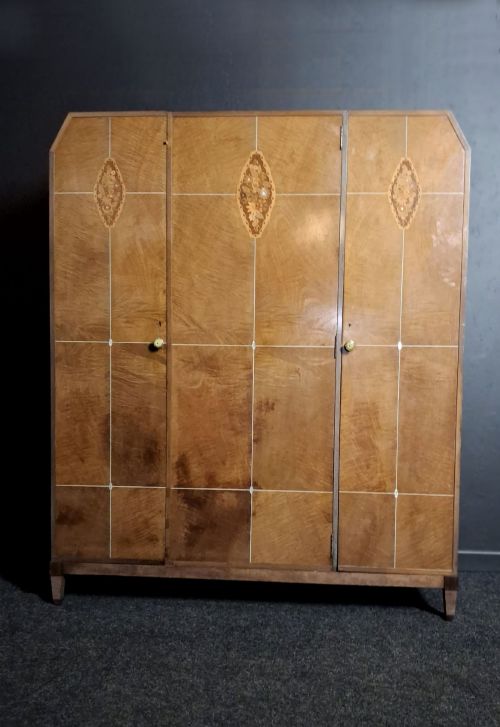
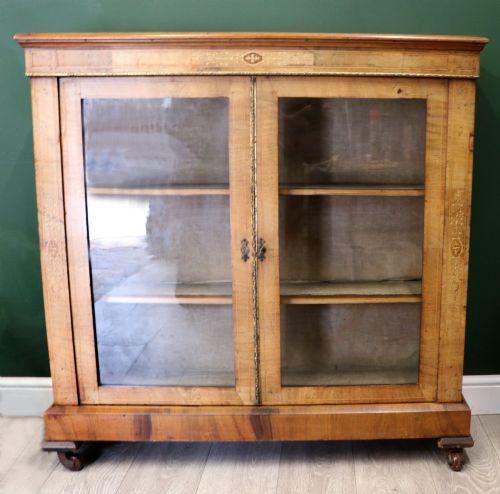
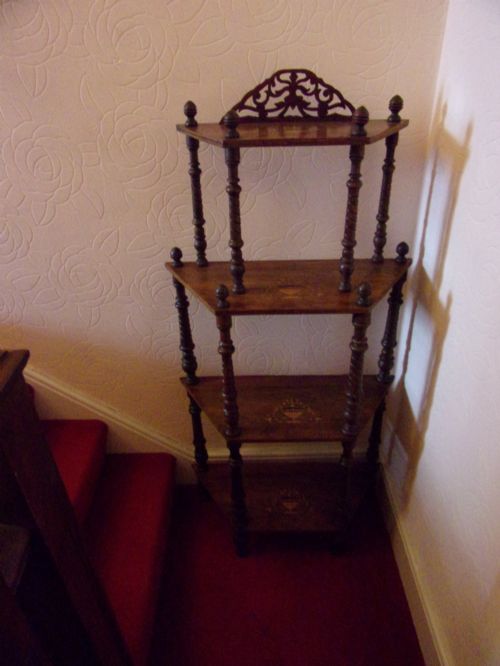
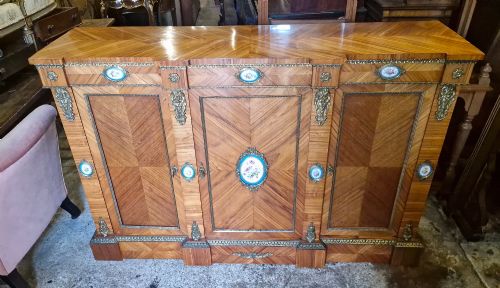
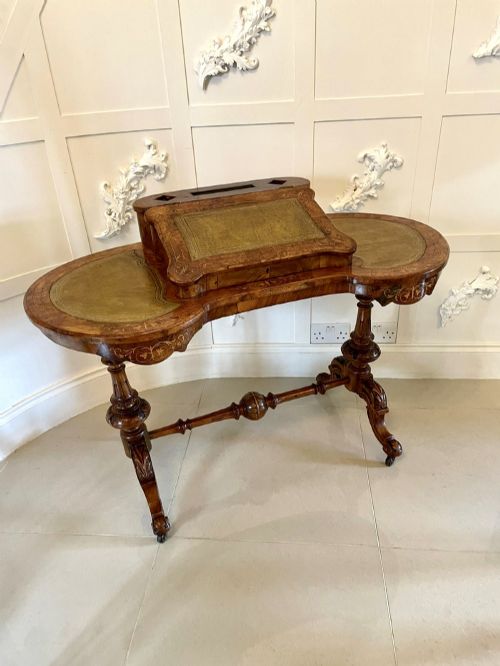
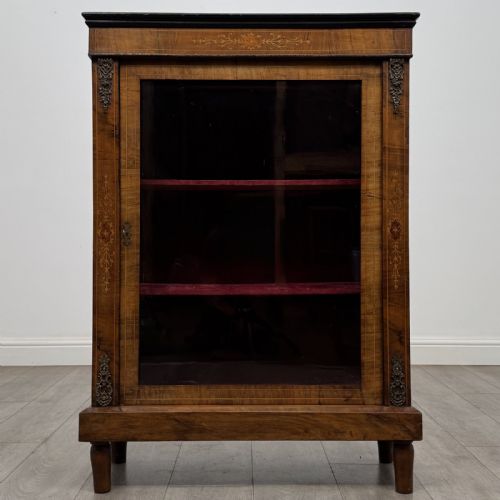
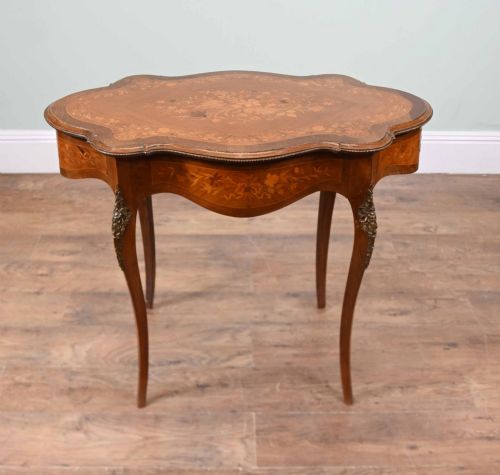
Walnut marquetry furniture comprises cabinets, tables, desks, and chests decorated with detailed wood veneers arranged to form pictorial or floral patterns. When searching for walnut marquetry furniture, buyers encounter pieces ranging from seventeenth-century cabinets on stands to nineteenth-century display cabinets and writing desks.
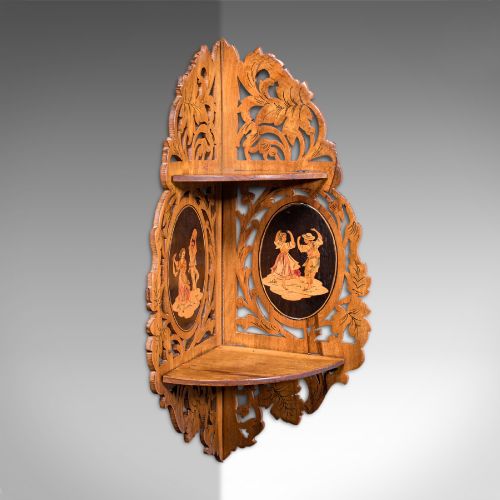
Dutch and Victorian examples dominate the selection, spanning styles from Dutch Baroque and Rococo to Victorian revivalism. The forms vary from large bureau bookcases and commodes to smaller lamp tables and corner cabinets, utilising rich timber grains as a background for the inlay.
The objects serve both decorative and practical roles in a room, offering functional storage alongside complex surface ornamentation. Many items integrate glass doors, marble tops, or specialised writing compartments.
How They Were Made
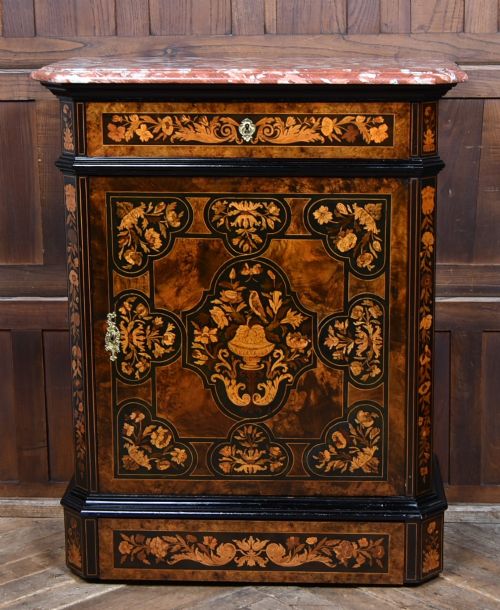
Cabinet makers built these pieces using solid pine or oak carcases covered in walnut, burr walnut, or kingwood veneers. Artisans cut thin sheets of contrasting woods, fruitwoods, and occasionally bone or pewter to create intricate floral and geometric marquetry panels.
Surface detailing frequently incorporated brass mounts, ormolu, and ebonised wood mouldings to frame the veneered panels. Tables and cabinets often received multiple hand-rubbed polish coats to highlight the natural grain and colour variations of the timber.
Walnut Marquetry Furniture Retail Price Guide 2026
Typical asking prices for walnut marquetry furniture among the pieces listed under this phrase on Sellingantiques today, from the lower quarter to the upper quarter. They describe what is for sale here now, not the wider market.
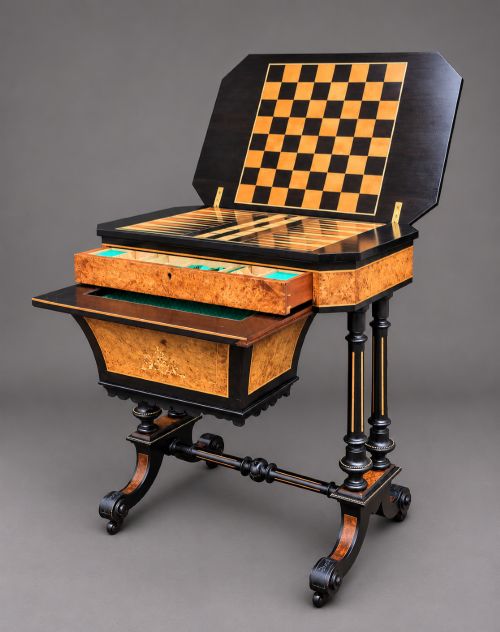
Some nineteenth-century tables manage to incorporate hidden compartments alongside their elaborate floral marquetry tops.
What Varies in Quality
The refinement of the marquetry cutting and the choice of timber figure determine the standing of an individual piece. Elaborate floral compositions executed with a wide palette of contrasting woods indicate high craftsmanship.
Structural integrity and the preservation of original veneers distinguish finer examples from heavily restored ones. Ormolu mounts, brass hardware, and interior fittings that remain intact add to the integrity of the object.
Gillows·Lamb of Manchester·Maggiolini
The Walnut Marquetry Furniture Glossary
- Marquetry
- Decorative veneer work forming pictures or patterns by assembling small pieces of wood, bone, or metal onto a carcase.
- Burr Walnut
- Timber taken from a tree growth that produces swirling, highly figured grain patterns prized for furniture veneers.
- Ormolu
- Gilded bronze used for decorative mounts and furniture hardware during the eighteenth and nineteenth centuries.
- Commode
- A low chest of drawers or cabinet developed in France during the seventeenth century.
- Credenza
- A sideboard or display cabinet often standing low to the ground and fitted with doors.
Walnut Marquetry Furniture: Frequently Asked Questions
How do I clean walnut marquetry furniture?
Dust surfaces regularly with a soft, dry cloth to prevent dirt accumulation in the veneer joints. Apply a quality beeswax periodically to nourish the timber and maintain the lustre of the polished finish.
Avoid placing these items in direct sunlight or near heat sources to prevent the veneer from drying out and lifting. Moisture should be kept away from the inlaid panels to protect the delicate wood assembly.
What is the difference between marquetry and inlay?
Inlay involves inserting pieces of contrasting material into a recessed cavity carved directly into a solid wood surface. Marquetry covers the entire structural carcase with a mosaic of veneers assembled beforehand on paper.
Marquetry creates a picture or repeating pattern across large panels like table tops and cabinet doors. This technique allows for complex pictorial designs using multiple timber species.
Where should I place a marquetry cabinet?
Position the piece away from radiators and fireplaces where temperature fluctuations can cause the wood to shrink or warp. Stable indoor humidity levels preserve the integrity of the glue holding the intricate veneers.
Choose a location with ambient light that highlights the grain and contrasting woods without fading the dyes. Rooms with controlled environments protect the surface polish and decorative mounts.
How do I identify Dutch marquetry?
Dutch examples often feature abundant floral and bird motifs executed in light fruitwoods against a darker walnut background. These pieces frequently date from the eighteenth century or reflect earlier Baroque revival styles.
Cabinets and bureau bookcases from this tradition display bulbous forms, shaped drawer fronts, and elaborate scrolling foliage. The density of the floral work covers entire visible surfaces including drawer interiors and sides.