


Walnut Marble Washstand
A walnut marble washstand brings durable stone and rich timber together for a practical bedroom fixture with enduring decorative appeal.
Walnut Marble Washstand
When you search for a walnut marble washstand, you are looking at utilitarian bedroom furniture that combined timber framing with a hygienic stone surface designed to hold basins and ewers. These pieces frequently date from the Victorian and Edwardian eras, spanning the nineteenth and early twentieth centuries.
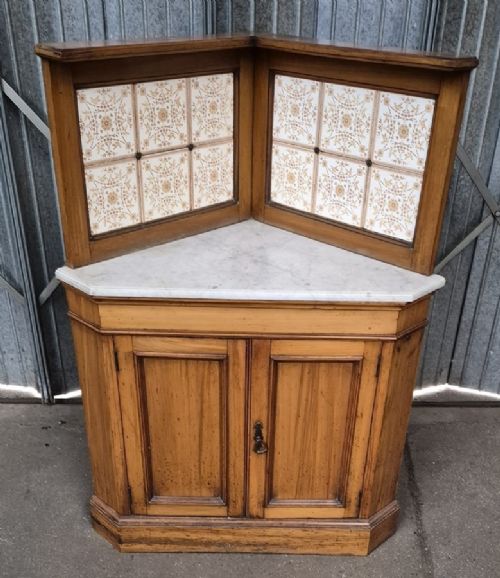
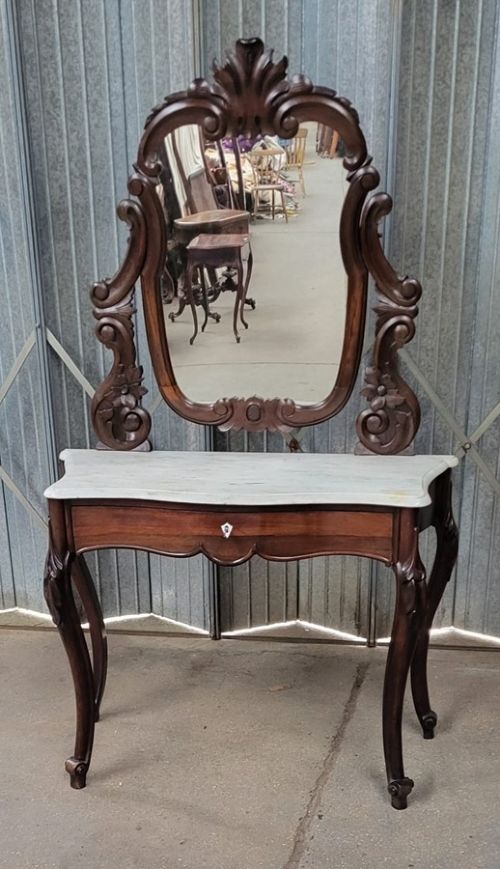
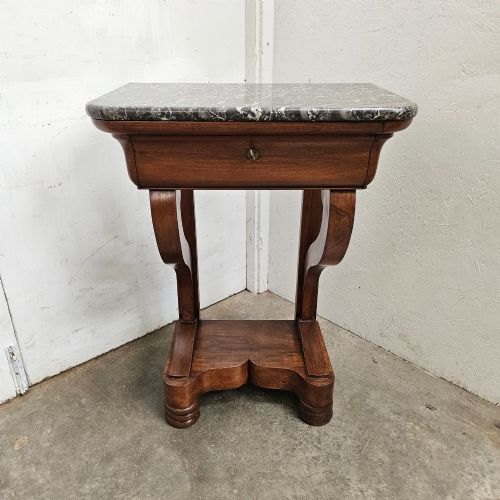
The most common form you will meet on this page is the British or French washstand, often featuring a fitted marble top paired with walnut, burr walnut, or satin walnut bodies. Some examples include tile backs, mirror glass, or lower drawers, while others take corner forms or resemble low commodes and console tables.
Construction and materials
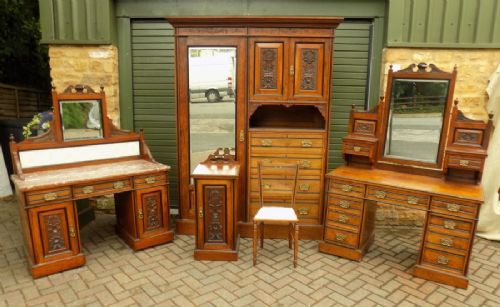
Cabinetmakers built these pieces using solid and veneered walnut, frequently selecting figured burr walnut or satin walnut for visible surfaces to display intricate grain patterns. Marquetry inlay occasionally appears on select cabinet doors and panels.
Slab marble served as the functional upper surface to resist water damage from daily washing routines. Auxiliary materials such as ceramic tiles, brass hardware, and mirror glass were incorporated into backsplashes and drawers.
Some washstands include hidden compartments behind tiled splashbacks, originally intended to keep early morning shaving soap dry.
Judging quality in walnut and marble
Quality rests heavily on the selection of the timber and the depth of the grain figures. Figured burr walnut and meticulous floral marquetry inlay elevate a piece far above plain timber constructions.
Walker And Sons
The Walnut Marble Washstand Glossary
- Burr walnut
- A prized timber cut from walnut tree growths, producing swirling and mottled grain patterns that add decorative complexity to cabinet fronts.
- Carrara marble
- A type of white or blue-grey Italian marble frequently used for the upper slabs of washstands due to its dense and durable composition.
- Marquetry
- Decorative patterns formed by fitting small pieces of veneer into wooden frames, often seen in floral motifs on Victorian cabinet doors.
- Tile back
- A vertical ceramic panel section mounted above the marble surface to protect bedroom walls from water splashes during washing.
Walnut Marble Washstand: Frequently Asked Questions
What is a walnut marble washstand?
A walnut marble washstand is a piece of antique bedroom furniture combining a wooden framework with a stone top designed for morning hygiene routines.
These pieces typically date from the Victorian and Edwardian periods, serving as precursors to modern indoor plumbing and fitted bathroom vanities.
How were these washstands used?
They held ceramic basins, water jugs, and washing accessories on their protective stone surfaces during a time before permanent running water in bedrooms.
Lower shelves, drawers, and cupboards provided enclosed storage for chamber pots, soap, linens, and personal care items.
How do I date a walnut washstand?
Dating relies on stylistic clues, construction methods, and materials, with Victorian examples often displaying heavier proportions while Edwardian versions can appear lighter.
The inclusion of aesthetic movement details, specific tile patterns, and French regional characteristics also helps narrow down the decade of manufacture.
Can I use a washstand as a dressing table?
Many historical washstands share dimensions and forms with dressing chests and console tables, making them adaptable for modern living spaces.
The water-resistant marble top makes these tables practical for placement in hallways, bedrooms, or even contemporary bathrooms.