
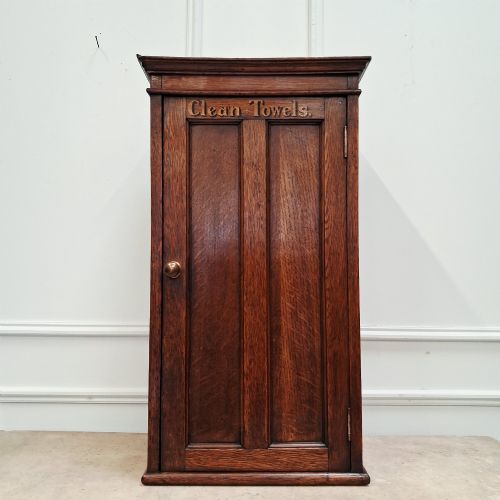
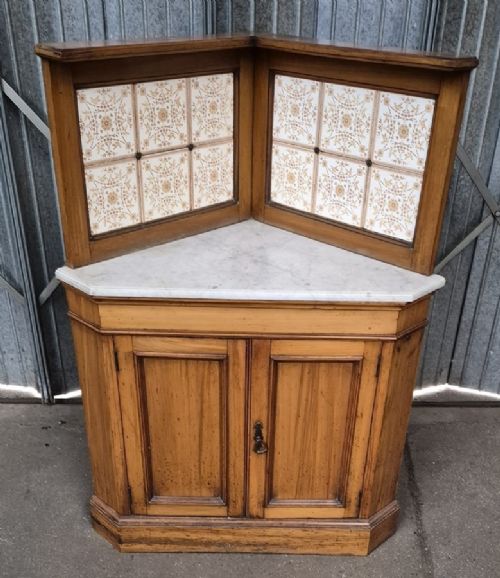
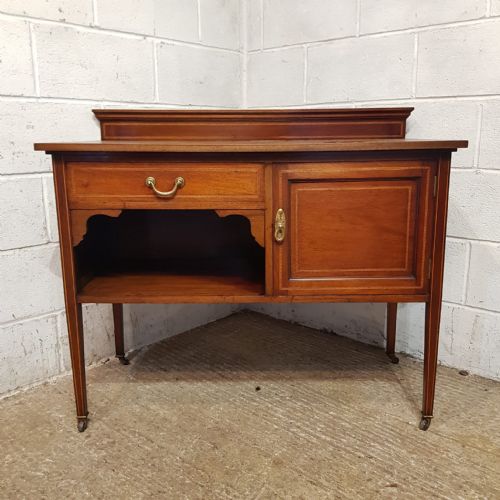


Edwardian Bathroom Cabinet
These edwardian bathroom cabinet pieces bring period utility and solid timber construction to a home, offering genuine Edwardian and Victorian character.
Edwardian Bathroom Cabinet
An edwardian bathroom cabinet or washstand serves as a functional piece of period furniture designed for personal grooming. The pieces appearing here span Edwardian and Victorian periods, alongside nineteenth-century examples.
Most items you encounter on this page take the form of washstands or wall-mounted cabinets. These combine timber structures with functional surfaces, frequently incorporating marble tops for water resistance during daily use.
Makers utilised styles such as Aesthetic Movement, Arts and Crafts, and Sheraton Revival across these pieces. The resulting forms range from corner washstands to wall hanging shaving mirrors and cabinet shelves.
Materials and construction
Cabinet makers constructed these pieces using hardwoods including mahogany, walnut, oak, and satinwood. Many items incorporate inlaid details to ornament the timber surfaces.
Marble slabs form the tops of numerous washstands to provide a durable, wipe-clean surface. Brass fittings, ceramic elements, and glass components complete the construction of these functional fittings.
Listings feature items spanning the Victorian and Edwardian periods, constructed from materials including mahogany, walnut, oak, marble, brass, and ceramic.
Judging quality
Quality rests upon the selection of timbers and the integration of secondary materials like marble and brass. Finer examples display careful satinwood inlay and robust framing that withstands damp environments.
The sophistication of the design distinguishes standard utility pieces from works reflecting Aesthetic Movement or Arts and Crafts ideals. Proportion, decorative restraint, and the quality of the timber grain determine the standing of each piece.
Walker And Sons·Gillows
The Edwardian Bathroom Cabinet Glossary
- Washstand
- A piece of bedroom or bathroom furniture designed to hold a basin, ewer, and washing accessories. These frequently feature marble tops and tiled splashbacks.
- Aesthetic Movement
- A late nineteenth-century design style emphasising visual beauty over narrative content. Pieces in this style often incorporate ebonised wood or specific decorative motifs.
- Arts and Crafts
- A design movement valuing traditional craftsmanship and simple forms. Objects from this tradition display honest construction and visible material qualities.
- Sheraton Revival
- A late nineteenth-century revival of eighteenth-century neoclassical furniture designs. These pieces typically feature delicate satinwood inlays and balanced proportions.
- Satinwood
- A durable, lustrous timber native to India and Ceylon used for fine cabinet-making. It provides a pale, golden yellow surface suitable for contrasting inlay.
Edwardian Bathroom Cabinet: Frequently Asked Questions
What is an edwardian bathroom cabinet?
An edwardian bathroom cabinet or washstand is a piece of antique furniture built for washing and personal grooming. These items typically combine wooden cabinetry with functional surfaces like marble.
They reflect the domestic habits of the early twentieth and late nineteenth centuries. Many double as wall-hanging storage or corner units designed to fit specific domestic spaces.
How do I identify an Edwardian washstand?
Edwardian washstands usually display lighter timbers such as mahogany or walnut, sometimes featuring satinwood inlay. They often incorporate marble tops and ceramic tiles.
Compared to earlier Victorian pieces, they tend to show simpler lines influenced by Arts and Crafts ideals or Sheraton Revival styles.
Were these cabinets used in bathrooms?
Many of these pieces originated in bedrooms before modern indoor plumbing placed washing facilities in dedicated bathrooms. Washstands held basins and ewers for morning ablutions.
Smaller wall-hanging versions served as shaving mirrors and cabinet shelves in dressing rooms or hallways.
How should I care for marble-topped furniture?
Marble surfaces require regular cleaning with mild, non-acidic soap and water to prevent staining from moisture. Avoid harsh chemical cleaners that can etch the polished stone.
Treat the supporting wood frames with appropriate furniture wax to maintain the timber finish without affecting the stone.