
Walnut Glazed Vitrine
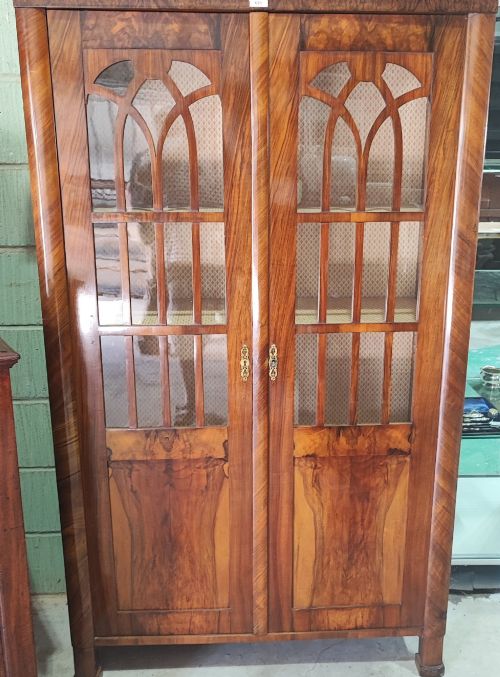
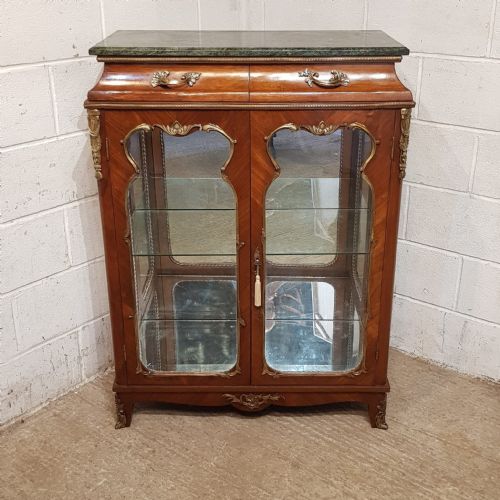
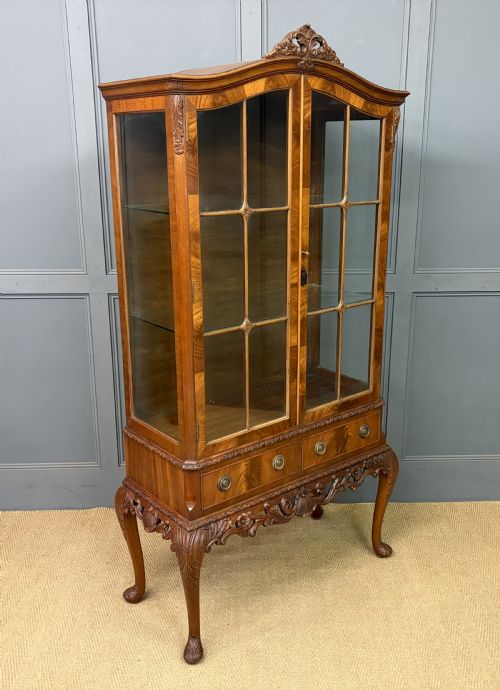
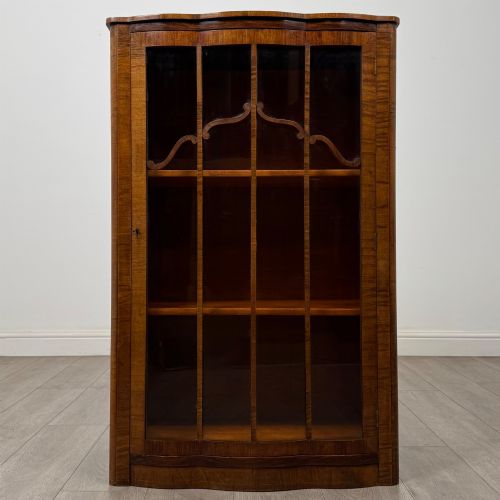
A walnut glazed vitrine holds porcelain and silver behind glass, bringing rich grain and French or Dutch revival forms into a room.
Walnut Glazed Vitrine
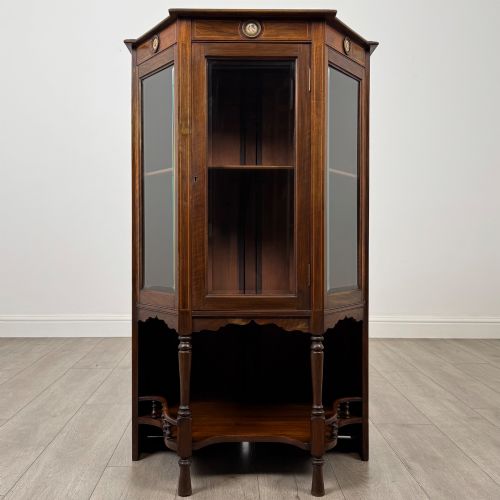
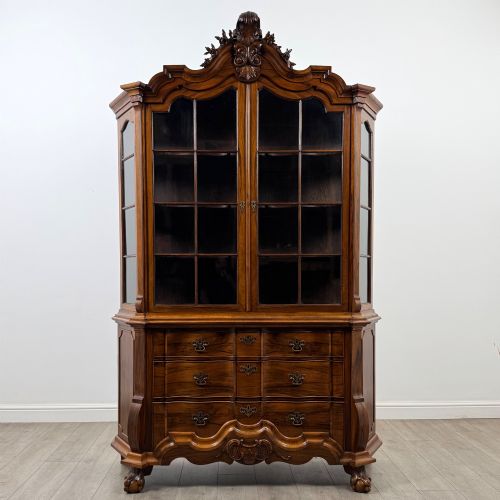
When you search for a walnut glazed vitrine, you look at display cabinets designed to showcase collections behind glass panels. The versions met on this page span the eighteenth century through the Art Deco era, encompassing styles from Dutch Baroque and Queen Anne revival to French Louis XV and English modernism.
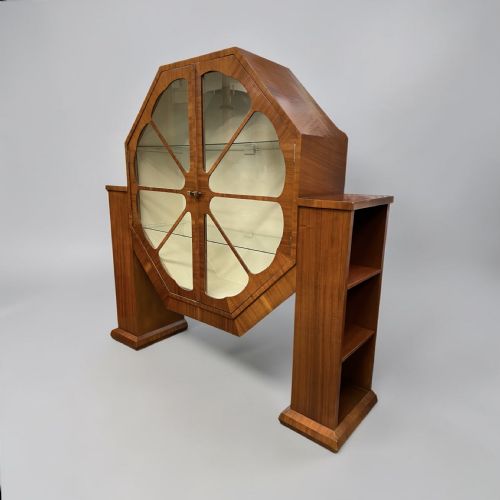
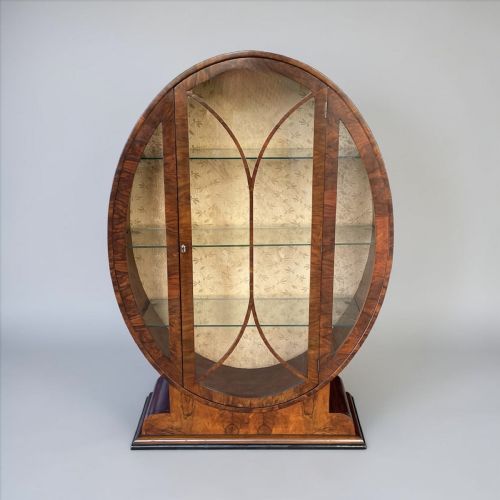
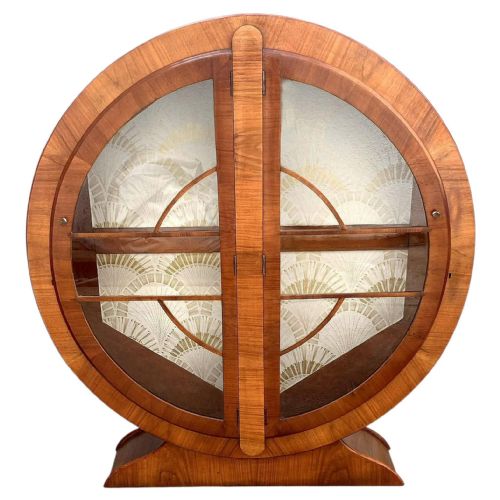
Forms range from tall wall cabinets and corner units to round rocket cabinets, clover shapes, and table top bijouterie. These pieces serve primarily as exhibition spaces for precious objects, utilising clear glass doors or sides to let light reach the interior shelves.
Origins stretch across England, France, and the Netherlands, reflecting regional preferences for marquetry inlay or architectural mouldings. Buyers choose these cabinets to display ceramics, glass, or small sculptures while adding warmth from figured timber.
How they were made
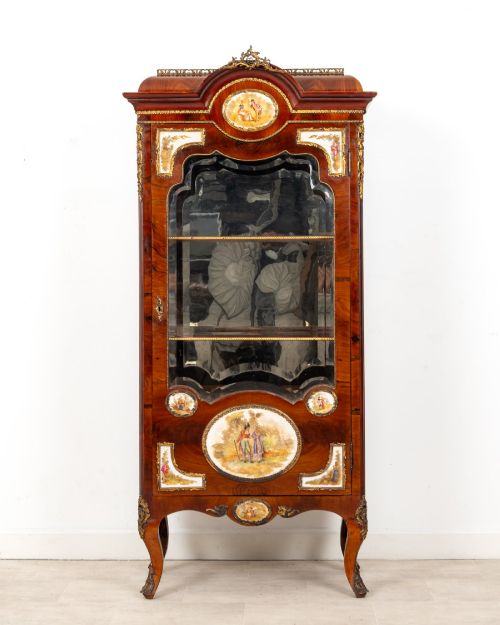
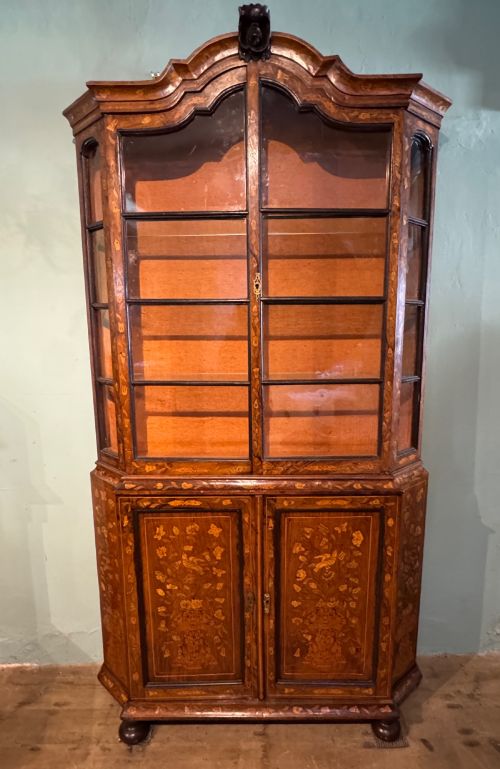
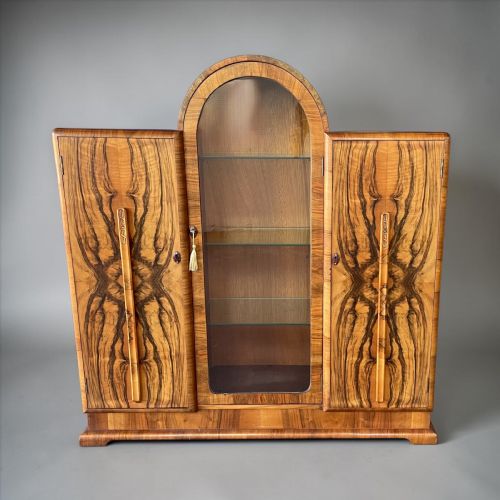
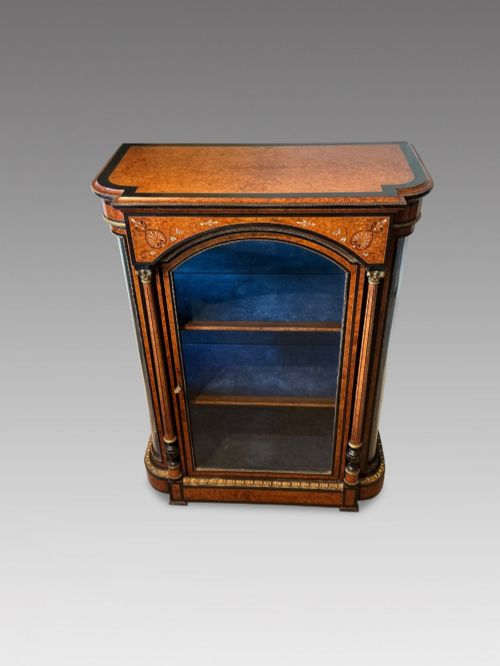
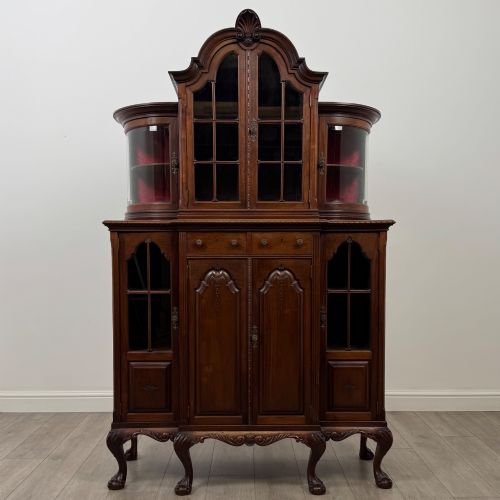
Cabinet makers built these pieces using solid timber frames overlaid with figured walnut veneers or burr walnut to create dramatic grain patterns on doors and panels. Marquetry inlay featuring floral or scrolling motifs frequently decorates Dutch and continental examples.
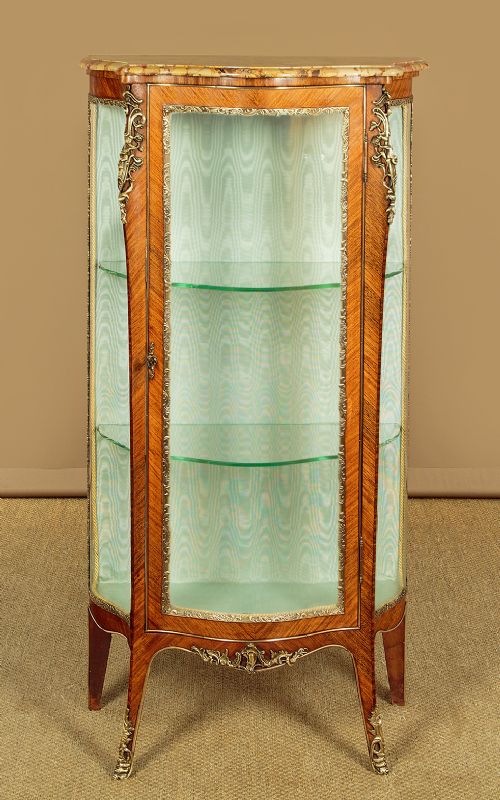
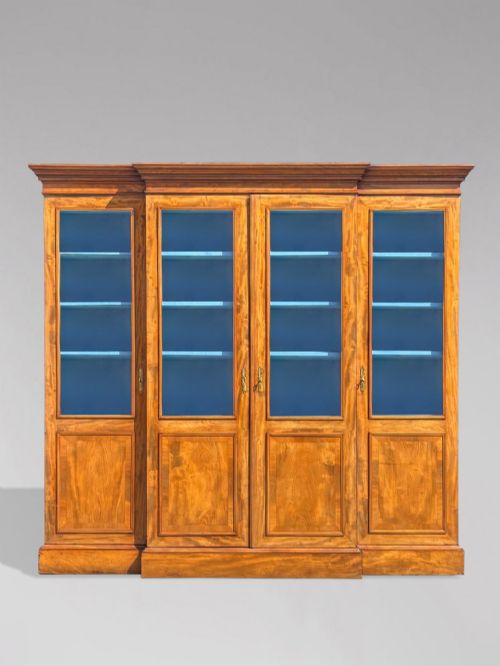
Glass is set into timber framing or held by gilt metal mounts, brass details, and ormolu. Interiors often lined with fabric or velvet provide a soft background for displayed items, whilst internal wooden or glass shelves distribute the weight of collections.
A rocket cabinet from the Art Deco era brings streamlined curves and vertical display space to a collection of vintage curiosities.
What varies in quality
The sophistication of the timber selection distinguishes standard items from superior works, particularly where book-matched burr walnut or intricate floral marquetry create balanced visual rhythms across the facade. The crispness of carved details, such as cabriole legs or moulded pediments, also marks the hand of a skilled workshop.
Hardware integration plays a role in overall execution, with chased ormolu mounts, cast brass handles, and tightly fitted glazed doors demonstrating care in construction. The architectural proportion between the glazed upper display area and the base determines the visual harmony of the finished cabinet.
Maple & Co.·Edwards & Roberts
The Walnut Glazed Vitrine Glossary
- Vitrine
- A glass-sided display cabinet designed to exhibit porcelain, curiosities, and decorative objects. These pieces often feature glazed doors on the front or sides to maximise visibility.
- Burr walnut
- A veneer sliced from the gnarly growth on a walnut tree, prized for its swirling, highly figured grain patterns. It creates a decorative surface texture on cabinet doors and panels.
- Marquetry
- The art of applying pieces of veneer to a structure to form decorative patterns and pictures. Dutch examples frequently employ floral and bird motifs in various woods.
- Ormolu
- Gilt bronze mounts applied to furniture for decorative enrichment, common in French revival pieces. The technique involves applying a gold amalgam to bronze.
- Pier cabinet
- A low display cabinet designed specifically to fit the wall space between windows. Victorian examples often incorporate brass mounts and inlaid motifs.
Walnut Glazed Vitrine: Frequently Asked Questions
What is the difference between a vitrine and a bookcase?
A vitrine incorporates glazed sides as well as doors to allow light to enter from multiple angles for the display of objects. Bookcases typically feature solid wooden sides with glass restricted to the front doors.
Display cabinets often include mirrored backs and velvet-lined shelves tailored for small decorative items rather than heavy volumes.
How do I care for walnut veneer?
Keep walnut furniture away from direct sunlight and radiators to prevent the wood from drying out and the veneer from lifting. Dust gently with a dry, soft cloth and avoid chemical polishes.
Maintain a stable room humidity to protect both the timber substrate and the historic glue used in marquetry work.
Where should I place a corner vitrine?
A corner cabinet fits neatly into architectural angles, utilising dead space while drawing the eye upward. They work well in dining rooms or drawing rooms to display collections without dominating the floor area.
Ensure the floor is level so the glazed doors hang true and latch correctly against the frame.
How do I distinguish eighteenth-century pieces from later revivals?
Eighteenth-century cabinets often show hand-cut joinery, older secondary woods like oak or pine inside, and patination developed over centuries. Revival pieces from the Victorian or Edwardian periods utilise machine-sawn elements and later hardware styles.
Construction methods and nail types inside the carcass help reveal the actual period of manufacture.