

French Glazed Door Bookcase
A french glazed door bookcase combines timber cabinetry with glass panels to display volumes while keeping them dust-free.
French Glazed Door Bookcase
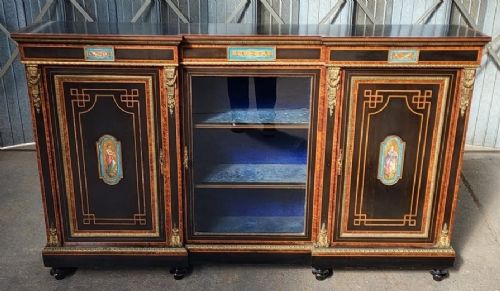
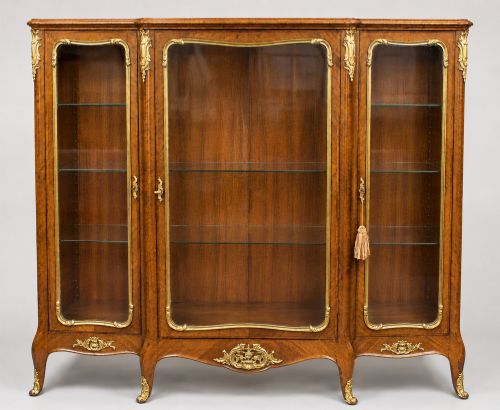
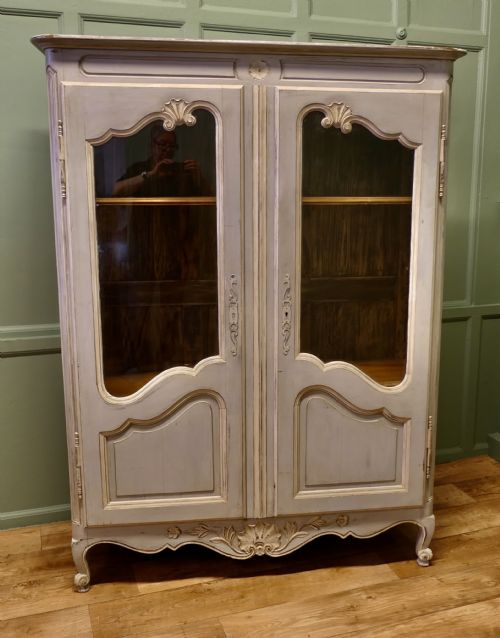
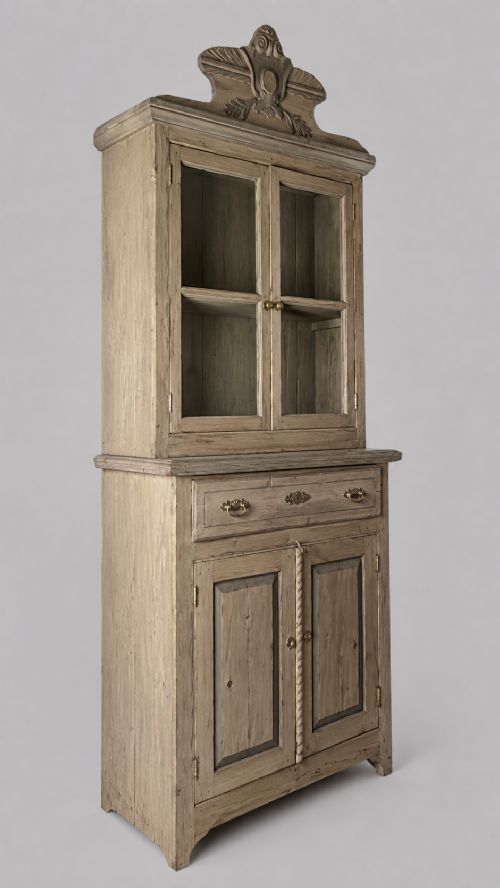
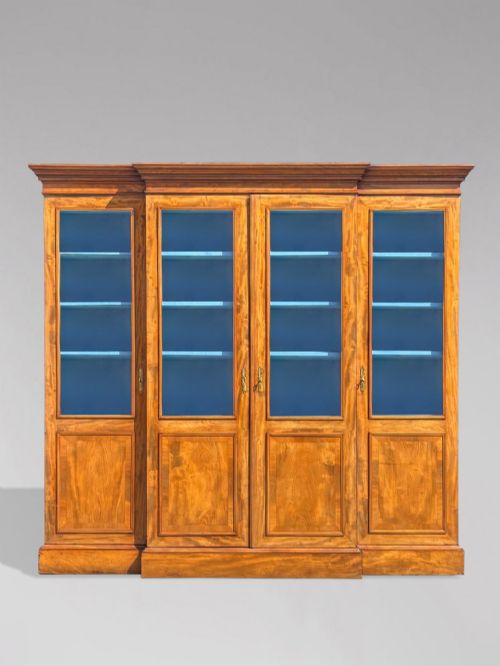
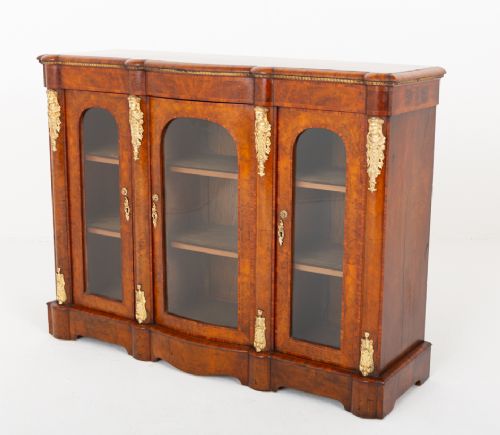
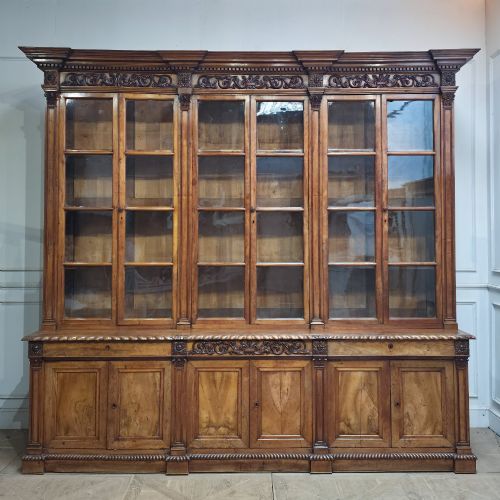
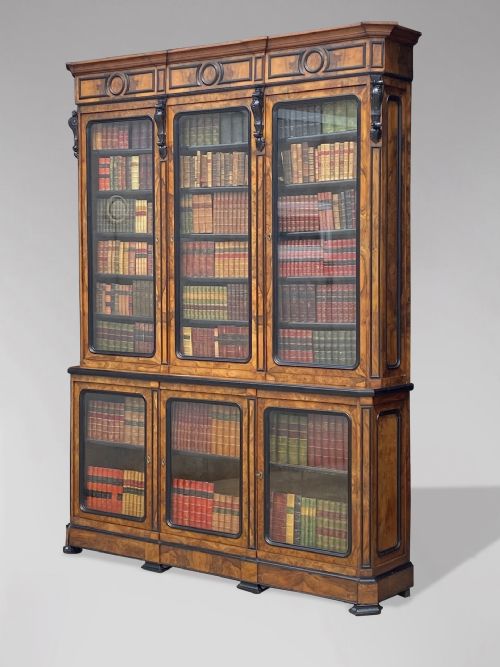
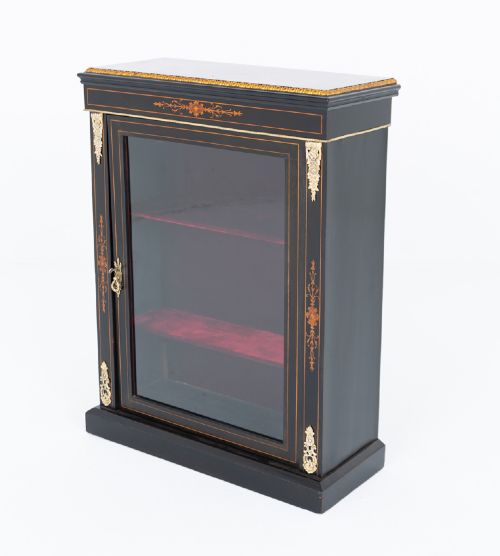
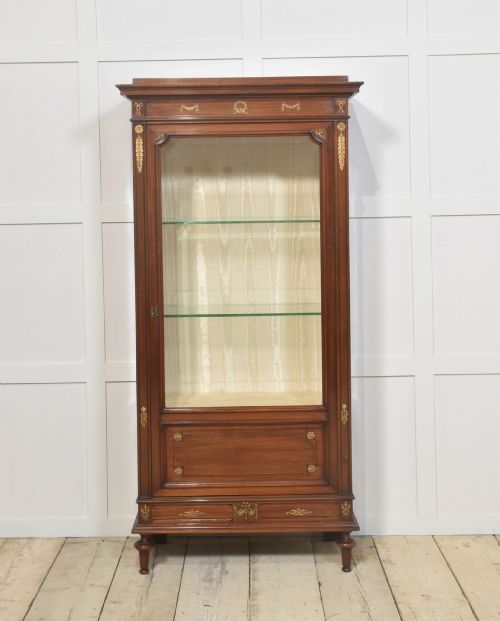
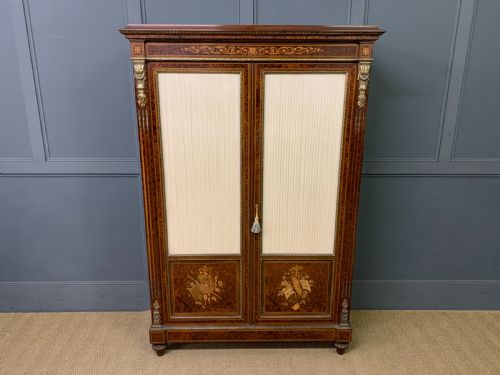
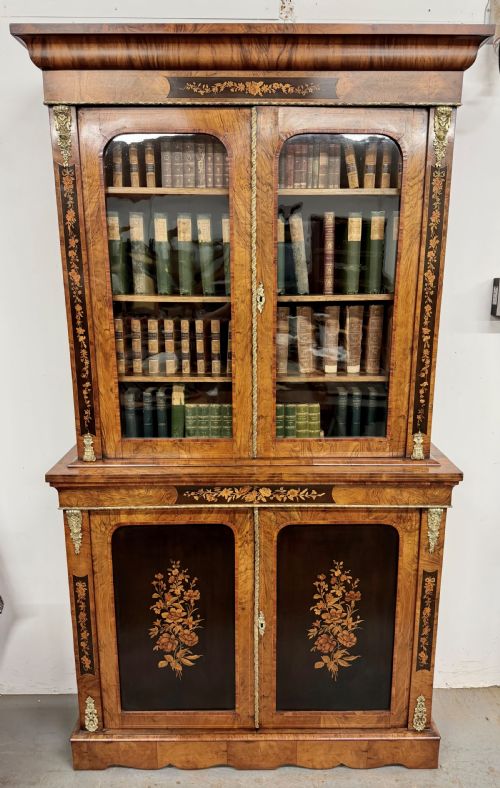
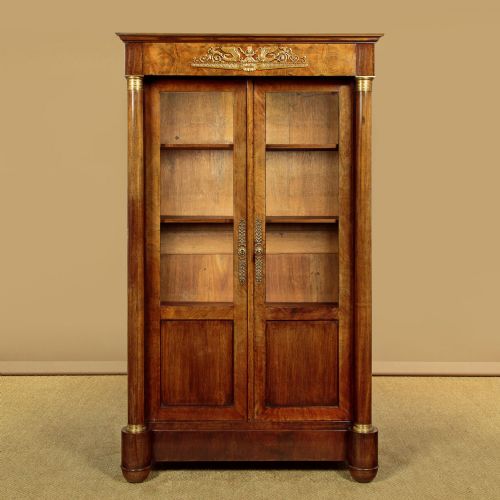
When you search for a french glazed door bookcase, you are looking at large library furniture, display cabinets, and tall cupboards originating primarily from nineteenth century France alongside related Victorian pieces. These items range from compact pier cabinets and single door vitrines to massive breakfront library bookcases with walnut, mahogany, or ebonised surfaces.
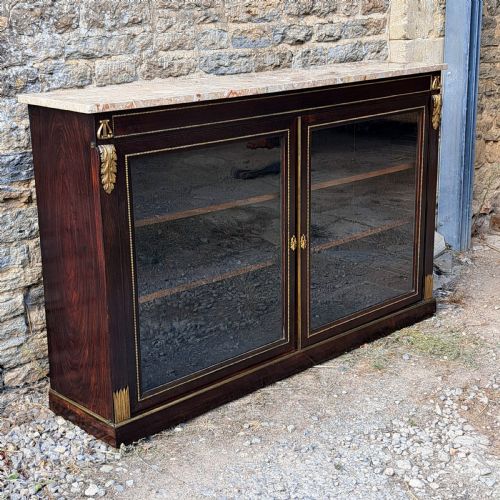
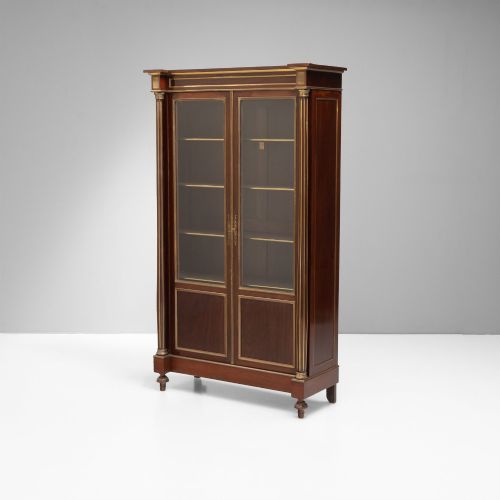
The version you are most likely to meet on this page is a double door walnut or mahogany bookcase dating from the eighteen eighties, often featuring glass door panels and sometimes surmounted by a marble top. These pieces reflect regional styles such as French provincial, Louis XV and XVI revivals, and the Empire influence.
Materials and construction
Cabinet makers utilised dense hardwoods like walnut, mahogany, kingwood, and rosewood, frequently applying burr veneers or marquetry inlay to flat surfaces. Structural elements were often reinforced with brass and ormolu mounts, while ebonised wood provided a dark, dramatic finish.
Glass panels were fitted into wooden doors using traditional joinery, occasionally utilising curved or concave glass for specialised display cabinets. Marble tops appeared on select pier cabinets and sideboards to provide a durable and decorative upper surface.
The listings here feature pieces spanning the nineteenth century, including specific dates from eighteen twenty up to nineteen thirty.
Distinctions in quality
The upper tier of these bookcases is defined by the selection of figured timber veneers, intricate marquetry inlay, and heavy fire-gilt ormolu mounts rather than plain cast brass. Superior examples exhibit refined proportions, particularly in tall library bookcases and breakfront designs where timber grain runs harmoniously across multiple doors.
Execution of the joinery and the clarity of the glass panels separate standard utility furniture from exceptional cabinet work. Cabinets featuring specialised elements such as concave glass or elaborate ebonised finishes demand greater technical skill from the maker.
The French Glazed Door Bookcase Glossary
- Ormolu
- Gilded bronze mounts applied to furniture for decoration. These metal details range from simple brass accents to elaborate cast designs.
- Vitrine
- A glass-fronted cabinet designed specifically for the display of porcelain, curiosities, or fine books. These pieces often feature glass sides alongside glazed doors.
- Marquetry
- Decorative patterns formed by the insertion of pieces of wood, shell, or ivory into a veneer. This technique creates pictorial or geometric designs on cabinet doors.
- Pier Cabinet
- A low cabinet designed to fit against the wall space between windows. They frequently feature marble tops and single glazed doors.
- Breakfront
- A piece of furniture where the central section projects forward from the flanking sections. This configuration adds architectural depth to large library bookcases.
French Glazed Door Bookcase: Frequently Asked Questions
What is a french glazed door bookcase used for?
These pieces were originally built to house private library collections and display valuable volumes while protecting them from dust and moisture.
Today they serve the same function while acting as prominent architectural focal points in a room for both books and decorative objects.
How do I date a nineteenth century bookcase?
Dating relies on identifying stylistic markers such as Empire influence, Louis XV revival curves, or Victorian proportions alongside timber choices like figured walnut and ebonised wood.
Construction methods and the presence of specific hardware styles help narrow the period down to specific decades like the eighteen eighties.
How do I clean an antique wood bookcase?
Dust timber surfaces regularly with a soft, dry cloth and avoid modern silicone sprays that can damage antique French polishes.
Nourish the wood periodically with appropriate specialist wax to maintain the depth and lustre of the grain without buildup.