



Walnut Glazed Sideboard
A walnut glazed sideboard brings rich timber and glass display together, offering a refined focal point for dining or drawing rooms.
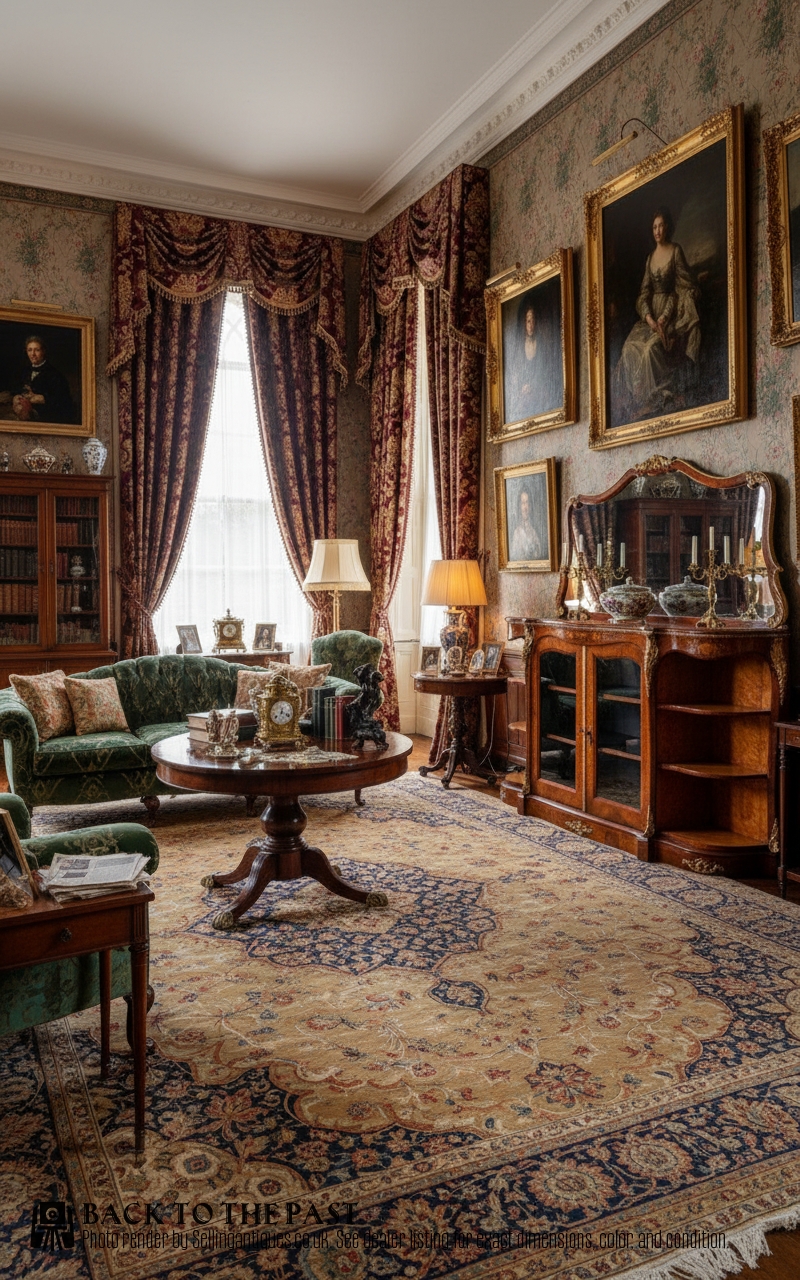
Walnut Glazed Sideboard
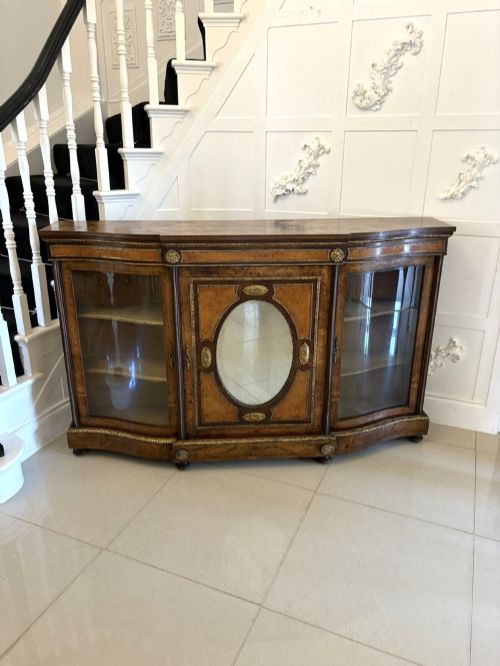
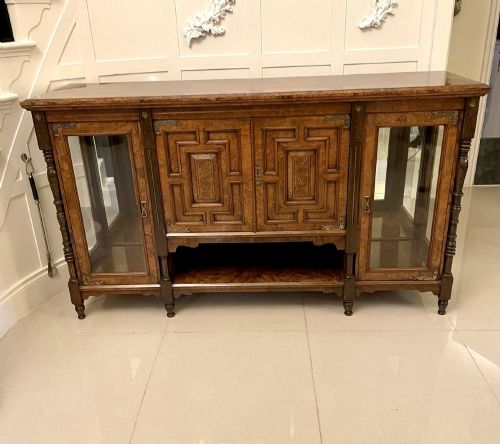
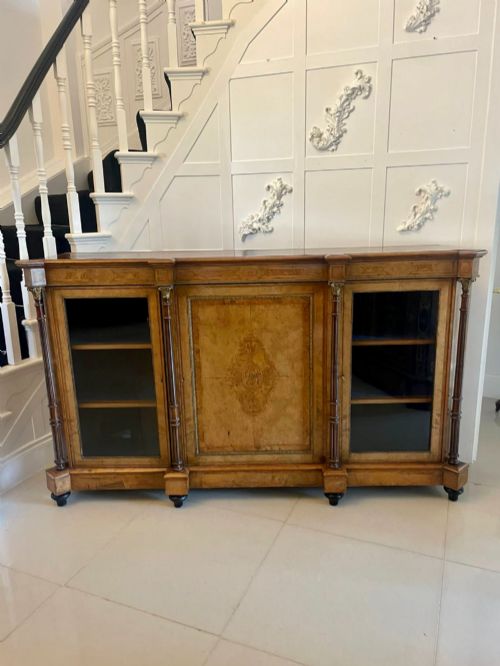
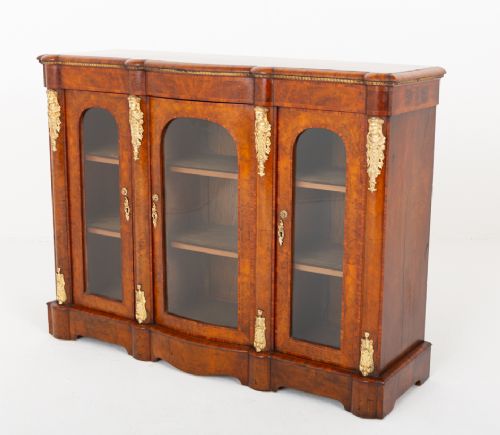
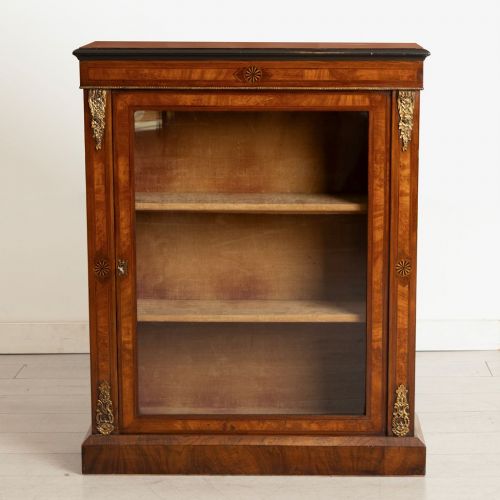
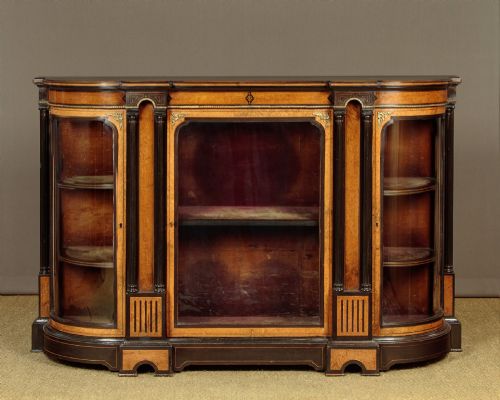
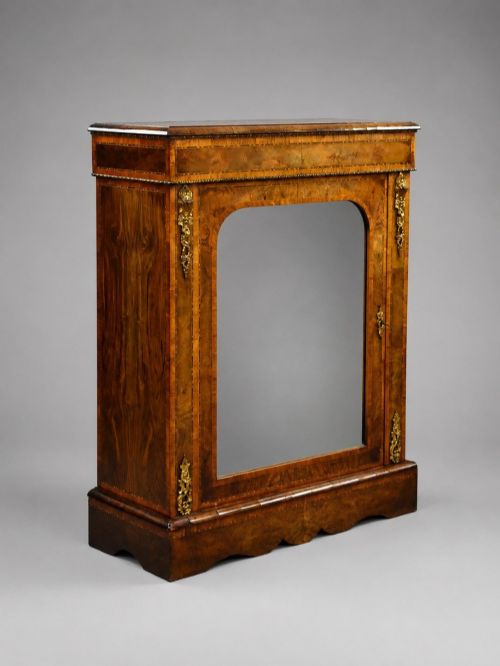
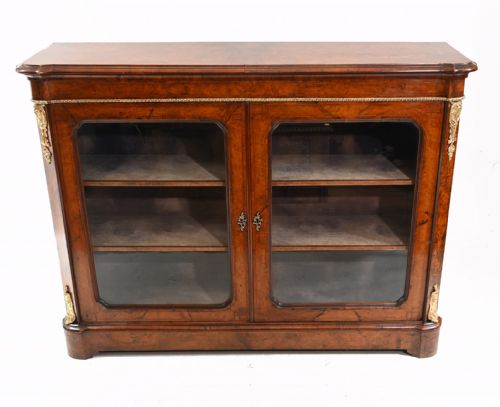
A walnut glazed sideboard encompasses credenzas, display cabinets, and side cabinets primarily originating from the Victorian period through to the early twentieth century. Buyers seeking a walnut glazed sideboard most frequently encounter nineteenth-century credenzas and pier cabinets featuring glass-fronted compartments for display.
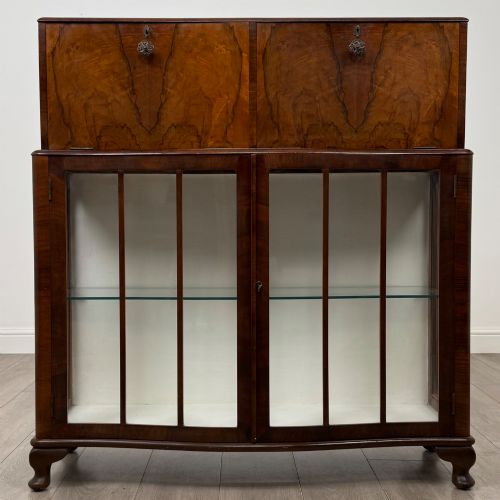
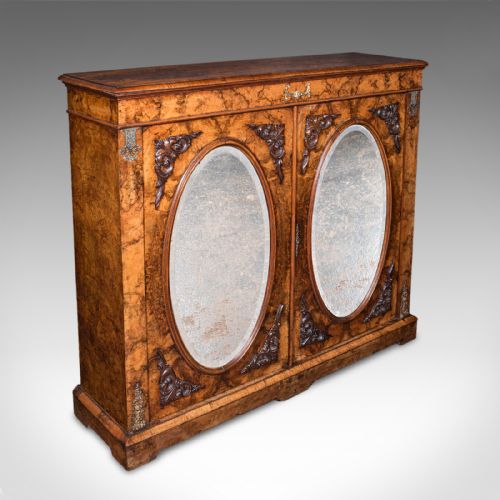
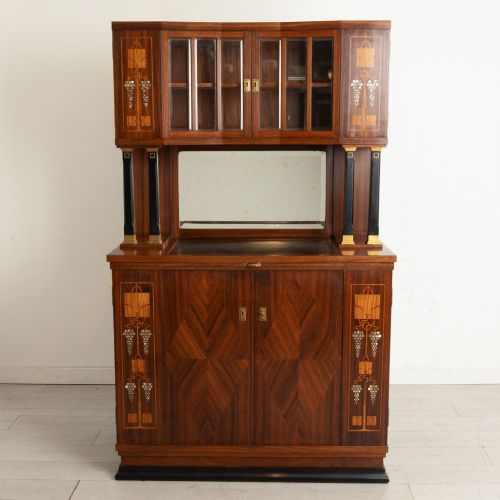
The selection ranges from mid-Victorian burr walnut credenzas with serpentine fronts to later Edwardian fitted cabinets and continental pieces in Art Deco or Viennese Secessionist styles. These items served traditional domestic roles in principal reception rooms, combining enclosed storage with prominent display space for porcelain and books.
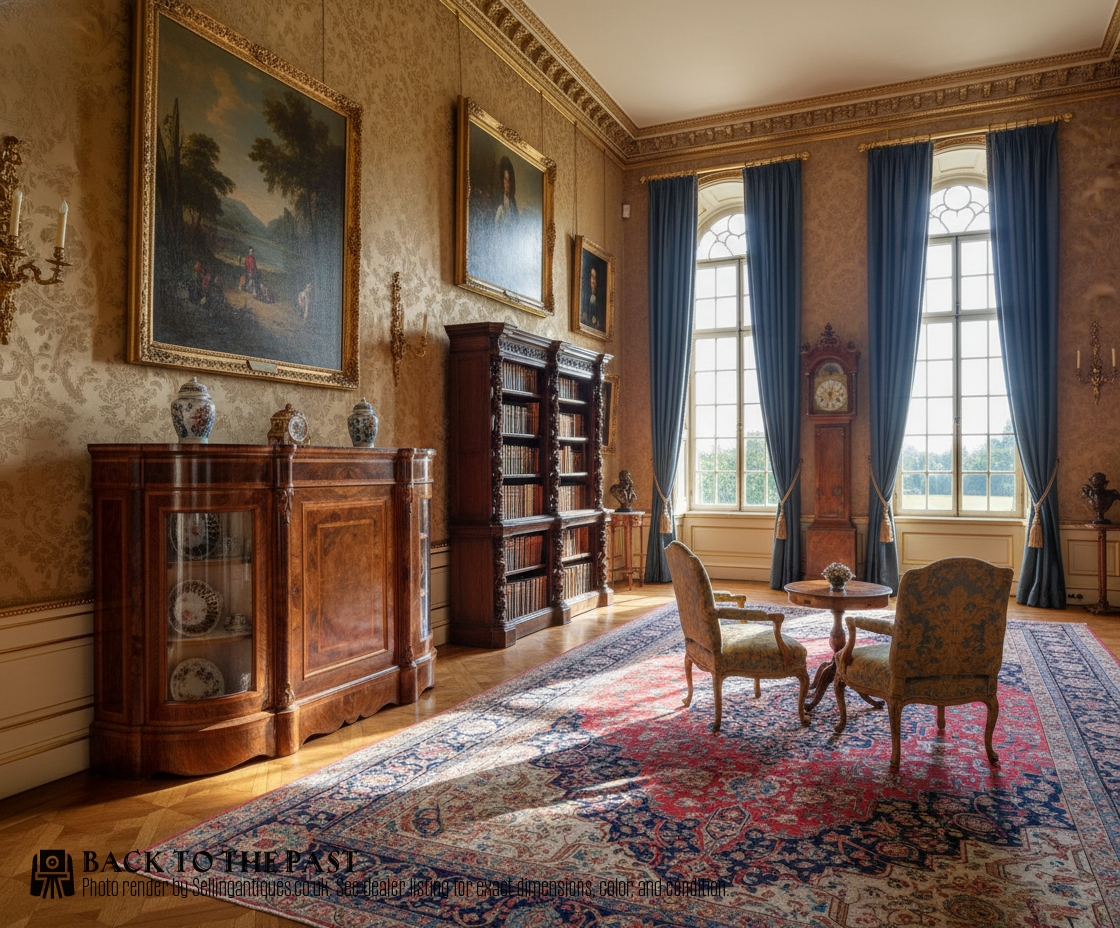
Materials and Technique
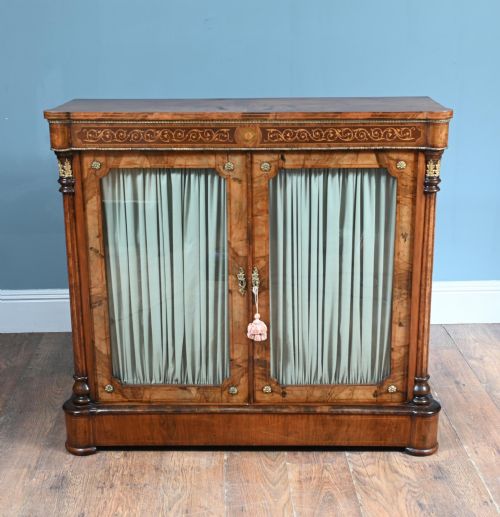
Cabinet makers utilised figured burr walnut and plain walnut veneers applied over solid secondary timbers, often accentuating the grain patterns across expansive flat surfaces and curved doors. Marquetry, boxwood inlay, and ebonised wood details provide sharp linear contrast against the warm brown tones of the primary timber.
Structural embellishments frequently include cast or chased ormolu mounts, brass details, and mirrored backs set behind glass doors. Glazing allows light to pass through the cabinet interior, whilst internal shelving provides structured storage for household collections.
Walnut Glazed Sideboard Retail Price Guide 2026
Typical asking prices for walnut glazed sideboard among the pieces listed under this phrase on Sellingantiques today, from the lower quarter to the upper quarter. They describe what is for sale here now, not the wider market.
Some nineteenth-century makers hid intricate Tunbridgeware micro-mosaics inside, turning a simple storage door into a hidden puzzle of coloured woods.
Craftsmanship and Proportion
Quality rests upon the selection and bookmatching of the burr walnut veneer, where symmetrical grain alignment across large doors signals superior cabinet work. The crispness of marquetry inlay and the weight and finish of ormolu mounts further distinguish standard production from exhibition pieces.
Structural integrity relies on the retention of original glass, flat timber movement control, and finely fitted doors that close flush within their frames. Proportion and the integration of secondary woods like satinwood reveal the original maker's investment of time and material.
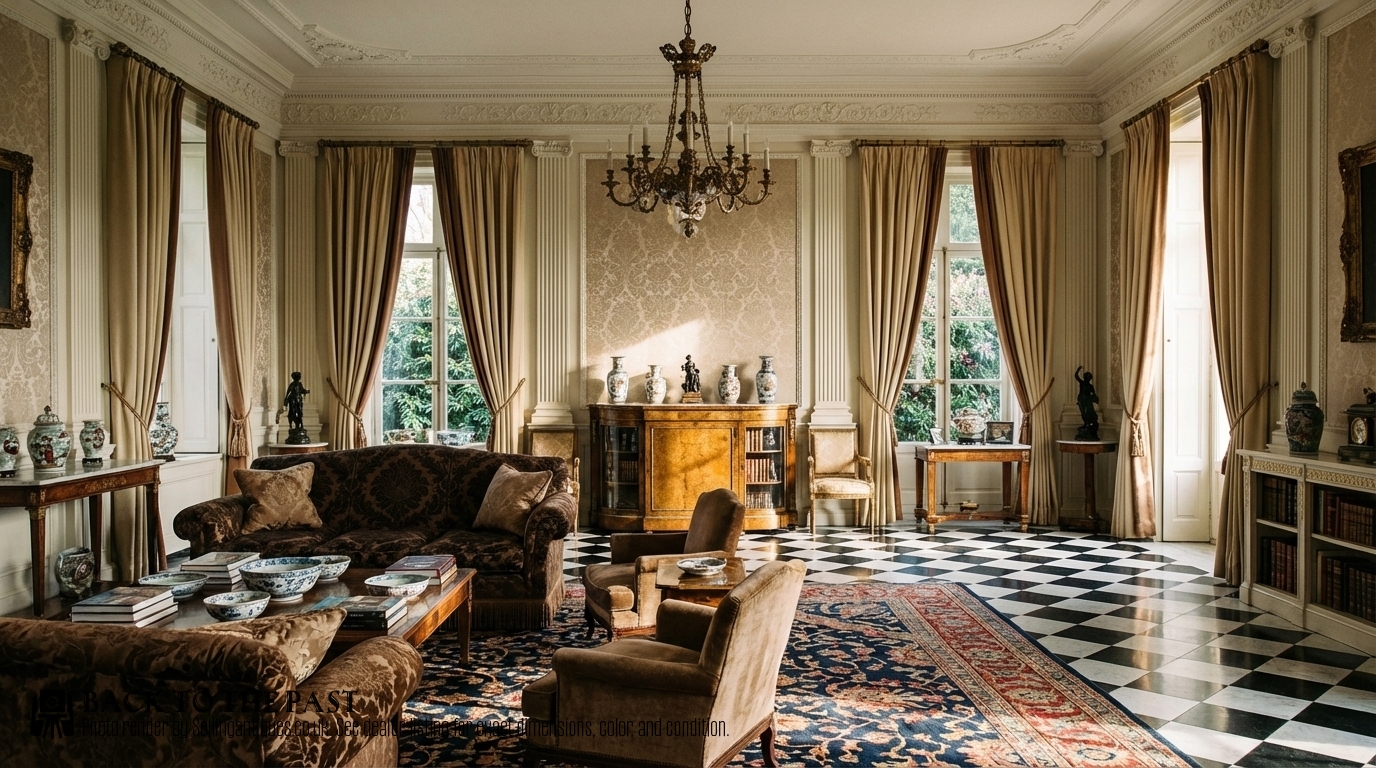
August Ungethüm·Gillow
The Walnut Glazed Sideboard Glossary
- Burr walnut
- A figured veneer obtained from walnut tree growths, prized for its swirling, highly decorative grain patterns. It creates a rich visual texture across cabinet doors.
- Ormolu
- Gilded bronze mounts applied to furniture edges and corners. This decorative brass-alloy technique adds metallic contrast to the timber.
- Credenza
- A low cabinet, frequently enclosed by glass or panelled doors, used for display and storage. Victorian examples often feature curved side compartments.
- Marquetry
- The art of applying decorative pieces of veneer to a structure to form intricate patterns. It integrates contrasting woods like boxwood into the walnut ground.
- Pier cabinet
- A tall, narrow display cabinet designed to fit wall spaces between windows. These pieces often incorporate glass doors and inlaid timber surfaces.
Walnut Glazed Sideboard: Frequently Asked Questions
What is a walnut glazed sideboard?
A walnut glazed sideboard is a storage and display piece combining walnut timber, veneers, and glass-fronted panels. These cabinets bring together enclosed storage space and visible shelving.
Such pieces predominantly date from the Victorian era, though Edwardian and continental examples also appear. They function as both furniture and display cases for decorative objects.
How do I date a walnut cabinet?
Dating relies on architectural styles, construction methods, and material combinations recorded in the piece. Victorian examples often display burr walnut veneers and ormolu mounts.
Later pieces from the twentieth century shift toward simpler lines or specific regional movements like Viennese Secessionist or Art Deco designs. Secondary timbers and backboards also offer clues to age.
Where were these cabinets used?
These cabinets were primarily placed in principal reception rooms, morning rooms, and formal dining spaces. Their glass doors allowed households to display fine porcelain and books safely.
Today, they serve similar decorative and functional roles in domestic interiors. They anchor a room while holding tableware or collections.
How do I care for walnut furniture?
Walnut furniture requires stable indoor humidity levels to prevent timber movement and veneer lifting. Direct sunlight should be avoided to preserve the natural warmth of the walnut grain.
Regular dusting with a dry cloth maintains the polish on the timber and glass. Avoid silicone-based sprays that can penetrate older French polished finishes.