







Walnut Games Box
A walnut games box offers both tactile entertainment and rich timber grain, bringing nineteenth-century parlour recreation directly into a modern room.
Walnut Games Box
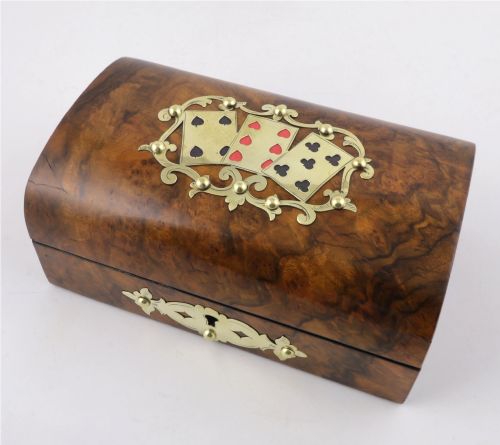
A walnut games box combines storage for pastimes with decorative cabinetry, appearing in forms ranging from tabletop caskets to larger multifunction tables. When searching for a walnut games box, buyers encounter pieces primarily from the nineteenth century, including the Victorian era and the Regency period.
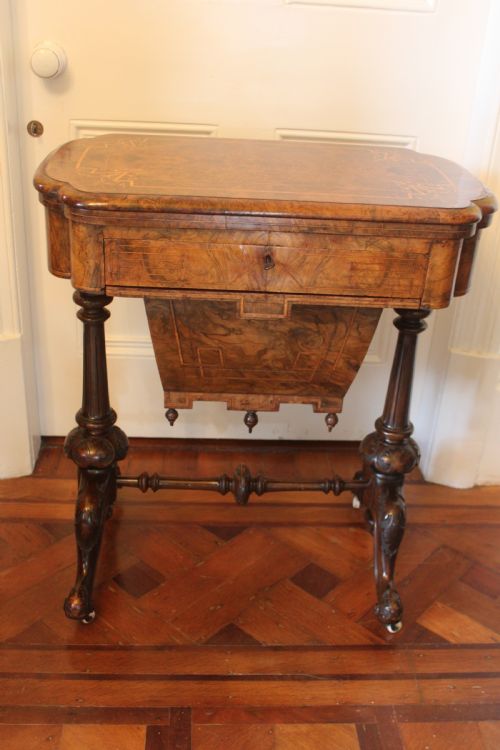
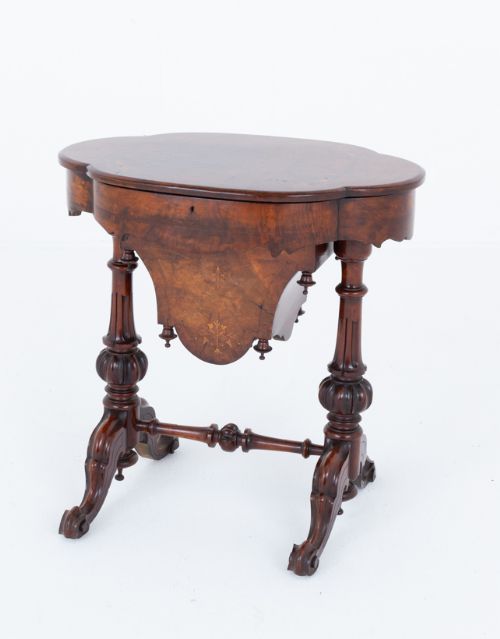
The objects span compact card boxes, folding compendiums containing chess and backgammon, and combined work tables that integrate sewing fittings with gaming boards. These versatile pieces reflect a Victorian appetite for domestic entertainment and orderly craft.
Most examples rely on the distinctive patterned grain of burr walnut, sometimes enhanced by marquetry, parquetry, or brass mounts. They serve equally as functional receptacles for playing cards and dice or as ornamental objects for a side table.
How they were made
Cabinetmakers utilised solid walnut and applied burr walnut veneers to achieve rich, swirling surface patterns across lids and panels. This timber was frequently contrasted with boxwood inlay, brass banding, or marquetry details.
Interiors often combine secondary woods with fitted compartments lined in fabric, silk, or velvet to house bone counters, cards, and cribbage boards. Structural hardware such as brass locks, hinges, and occasional malachite or agate mounts secure the heavy lids.
What varies in quality
The distinction between ordinary and superior pieces rests on the choice of veneer and the precision of the marquetry or parquetry work. Highly figured burr walnut with matching grain symmetry across the lid signals attentive cabinetmaking.
Internal complexity also divides the range, separating simple card receptacles from elaborate compendiums featuring multiple game boards, secret drawers, and fitted bone or ivory accessories. The integration of solid brass mounts and maker-signed hardware elevates certain boxes above standard production.
George Betjemann
The Walnut Games Box Glossary
- Burr walnut
- A prized timber harvested from walnut tree growths, known for its swirling, highly figured grain patterns that catch the light. It forms the primary decorative exterior for many nineteenth-century caskets and tables.
- Compendium
- A multi-use box designed to hold equipment for several different pastimes, such as chess, checkers, and backgammon, within a single fitted case. These containers often feature folding boards and partitioned interior trays.
- Marquetry
- The art of applying small pieces of veneer to a structure to form decorative pictures or geometric patterns. In these pieces, lighter woods like boxwood create contrast against the dark walnut background.
- Parquetry
- A geometric mosaic of wood pieces used for flooring or box lids, frequently forming checkerboards for chess and draughts. This technique displays precise woodworking skills across the top of gaming tables.
- Tantalus
- A locking beverage decanter stand occasionally incorporated into larger games boxes and compendiums. The framework displays the bottles while preventing unauthorised access.
Walnut Games Box: Frequently Asked Questions
What games do these boxes contain?
These boxes typically hold equipment for card games, chess, backgammon, draughts, and dice. Many include specialised counters, cribbage boards, and playing cards.
More elaborate compendiums combine multiple boards and gaming pieces in tiered trays beneath the main lid.
How do I date a walnut games box?
Dating relies on stylistic clues, construction methods, and materials associated with the Victorian and Regency periods. Brass banding, specific lock mechanisms, and the presence of marquetry help narrow the decade of manufacture.
Reference dates provided by nineteenth-century hallmarks or inscriptions occasionally confirm the exact year of origin.
Were these boxes used for sewing too?
Many nineteenth-century examples double as work tables or sewing boxes, featuring fabric-lined wells and compartments beneath the gaming surface. This dual purpose accommodated domestic pastimes and needlework in the Victorian parlour.
Such hybrid pieces often incorporate drop leaves or pedestal bases designed for daily sitting rooms.
How do I care for burr walnut?
Burr walnut requires stable indoor humidity away from direct sunlight and heat sources to prevent veneer warping or cracking. Gentle dusting with a dry cloth preserves the polished timber finish.
Occasional application of appropriate wax maintains the lustre of the historic wood grain without harming the surface.