





Walnut Dry Bar
A walnut dry bar brings serious glamour to an interior, offering dedicated storage for bottles and glassware in a striking twentieth-century form.
Walnut Dry Bar
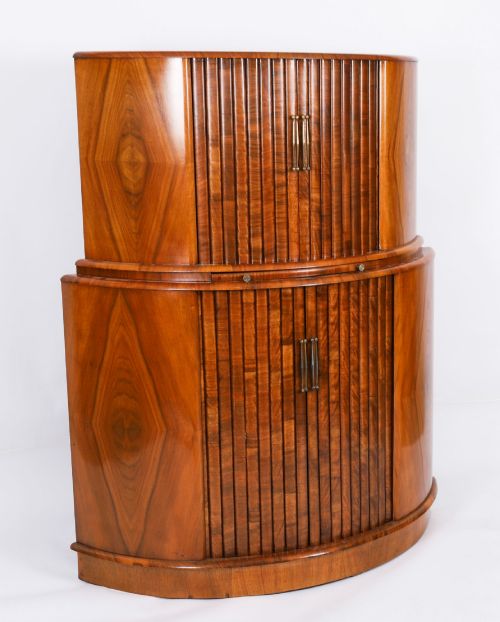
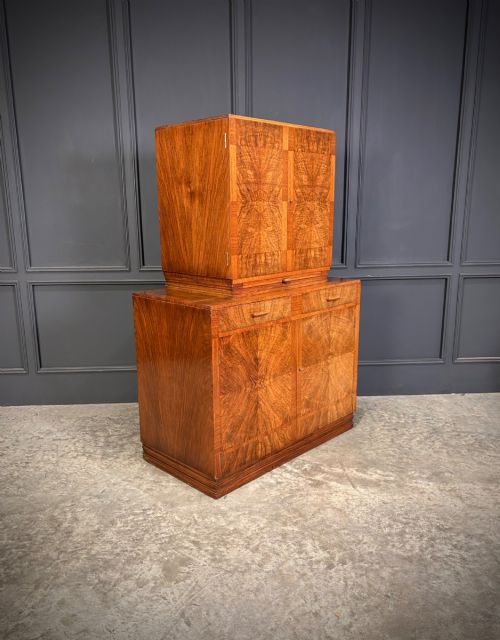
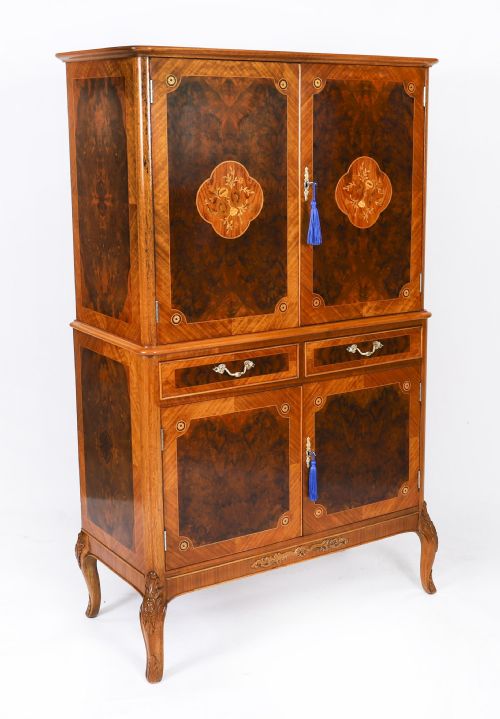
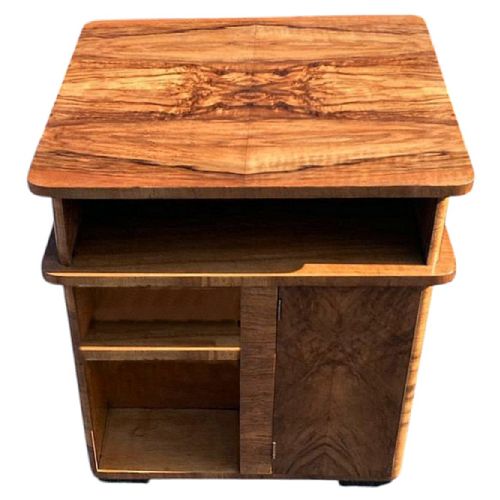
A walnut dry bar is fundamentally a cocktail cabinet, drinks cabinet, or cocktail table designed for entertaining. When searching for this phrase, buyers encounter pieces primarily originating from the 1920s and 1930s.
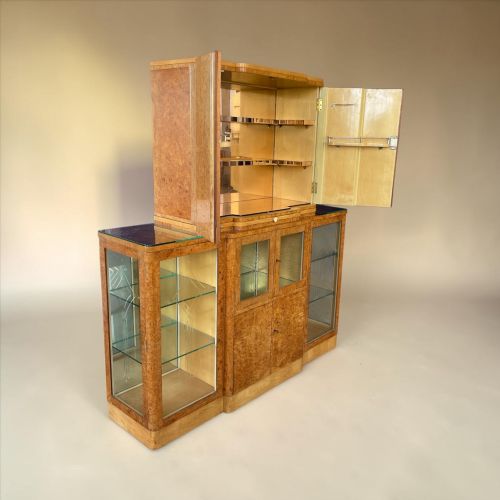
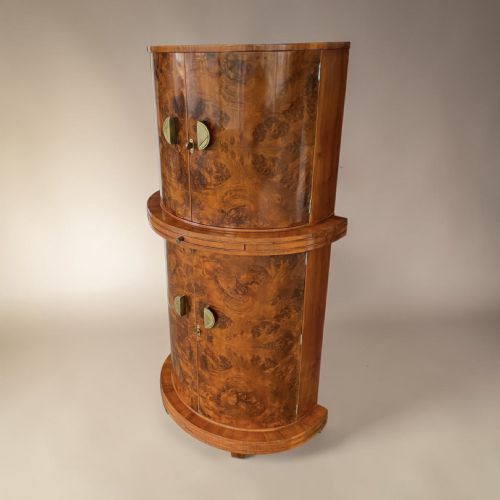
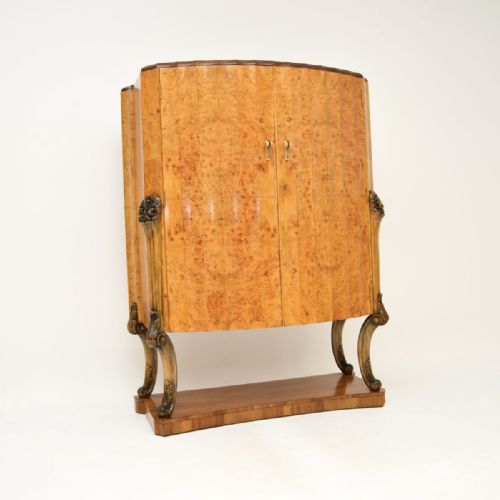
The most common iterations on this page are Art Deco cabinets and chests fashioned from figured or burr timber. These pieces often combine fitted interior storage with fold-down mixing surfaces and mirrored back panels.
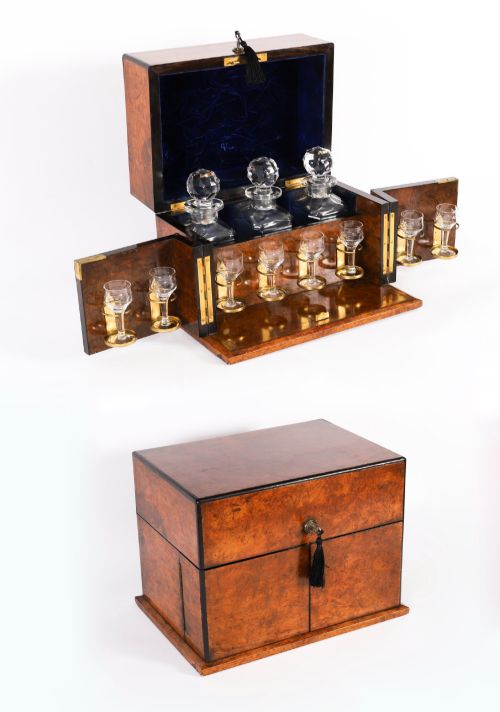
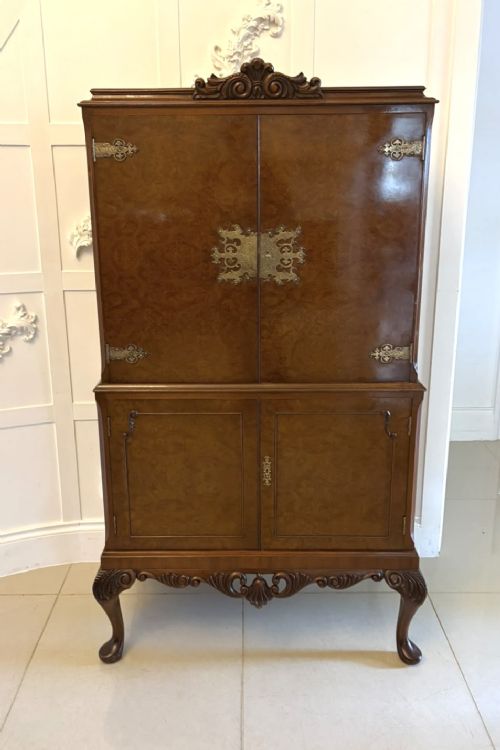
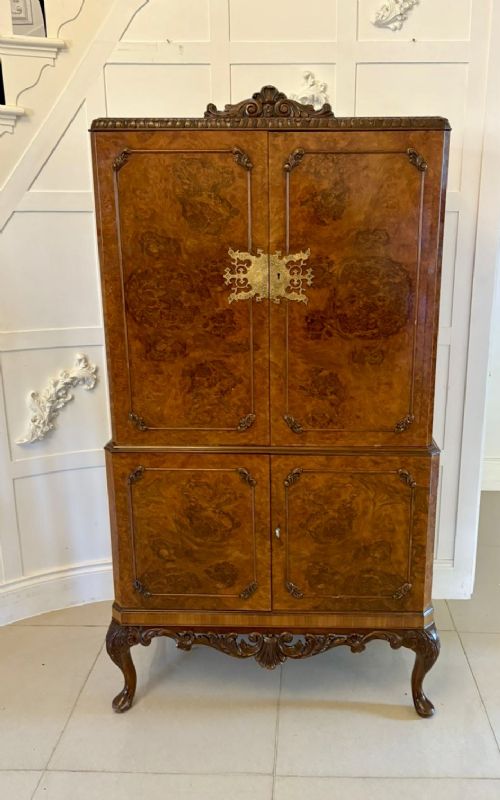
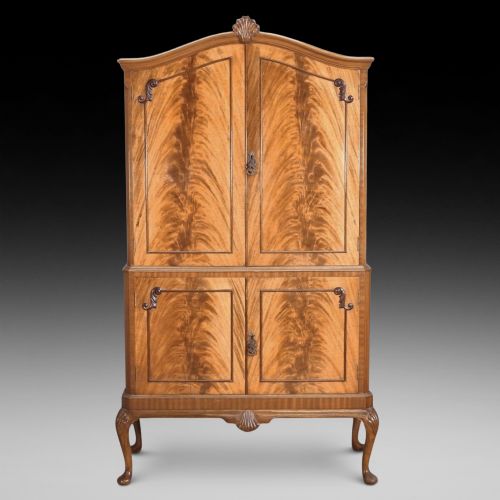
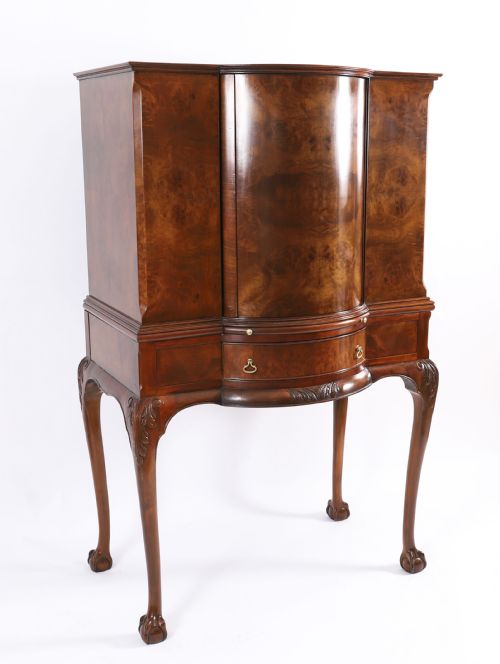
Earlier nineteenth-century examples also appear in the archive records, specifically as burr walnut crystal decanter tantalus dry bars. Alongside these, Queen Anne revival variants occasionally surface from the early twentieth century.
Materials and construction
Cabinet makers utilised solid woods as a structural carcass whilst applying walnut and burr walnut veneers to external surfaces to display swirling grain patterns. Marquetry work further ornamented select fronts, contrasting different timber tones.
Interiors integrated reflective glass and mirror panels alongside metal elements such as brass hinges, locks, and chrome trim. Some twentieth-century iterations incorporated electrical wiring for internal illumination.
Walnut Dry Bar Retail Price Guide 2026
Typical asking prices for walnut dry bar among the pieces listed under this phrase on Sellingantiques today, from the lower quarter to the upper quarter. They describe what is for sale here now, not the wider market.
Materials documented across the inventory include solid walnut, burr walnut veneer, brass, chrome, mirror, and glass.
Distinctions in quality
The echelon of a piece is determined by the selection of the burr walnut veneer and the symmetry of its grain matching across the doors. Master workshops invested heavily in harmonious figuring that wraps seamlessly around the cabinet body.
Attribution to prominent makers elevates a piece, as does the complexity of internal fitments such as specialised glassware holders, pull-out slides, and integrated lighting systems.
Epstein·Hille·Harry and Lou Epstein·Waring and Gillow
The Walnut Dry Bar Glossary
- Burr walnut
- A prized timber harvested from growth excrescences on walnut trees, yielding highly ornamental, swirling grain patterns. Cabinet makers prized this veneer for high-status furniture fronts.
- Cocktail cabinet
- A specialised piece of furniture designed for mixing and serving drinks, typically featuring a drop-front preparation surface. These units dominated entertaining spaces during the interwar period.
- Tantalus
- A locking wooden frame holding decanters that displays the contents while preventing unauthorized access to the liquor. Victorian versions frequently utilised burr walnut construction.
- Marquetry
- The art of applying pieces of veneer to a structure to form decorative patterns and pictures. This technique decorated select Art Deco dry bars.
- Queen Anne revival
- A style reviving eighteenth-century forms characterised by cabriole legs and restrained ornamentation. This aesthetic influenced certain 1930s drinks cabinets.
Walnut Dry Bar: Frequently Asked Questions
What is a walnut dry bar used for?
These cabinets served as dedicated home stations for storing spirits, liqueurs, and drinking vessels during the height of the cocktail era. They provided a centralized location for hosting guests and mixing drinks.
Today, they function similarly in modern interiors, keeping glassware and bottles neatly organised while acting as sculptural statement pieces in living or dining rooms.
How do I date a walnut dry bar?
Dating relies heavily on stylistic cues, with the majority of pieces on this market reflecting the geometric lines and streamlined forms of the 1920s and 1930s Art Deco movement. Earlier nineteenth-century examples are typically identified by traditional cabinet proportions and crystal decanter fittings.
Hardware, veneer selection, and construction techniques also provide clues, as does maker attribution when stamps or plaques are present on the chassis.
Where should I place a drinks cabinet?
These pieces suit principal reception rooms, dining areas, or home entertaining spaces where their decorative wood grain can be fully appreciated. Placement should account for the clearance needed when drop-down mixing flaps or cabinet doors are fully opened.
Positioning them away from direct sunlight preserves the rich tones of the walnut veneer and prevents the polished surfaces from fading over time.
Are these cabinets purely Art Deco?
While the vast majority of items stem from the Art Deco period of the 1920s and 1930s, the design history spans other aesthetics. Archive records show earlier Victorian iterations alongside Queen Anne revival styles.
Buyers exploring this category will encounter both modernist geometric forms and traditional revival shapes executed in burr walnut.