

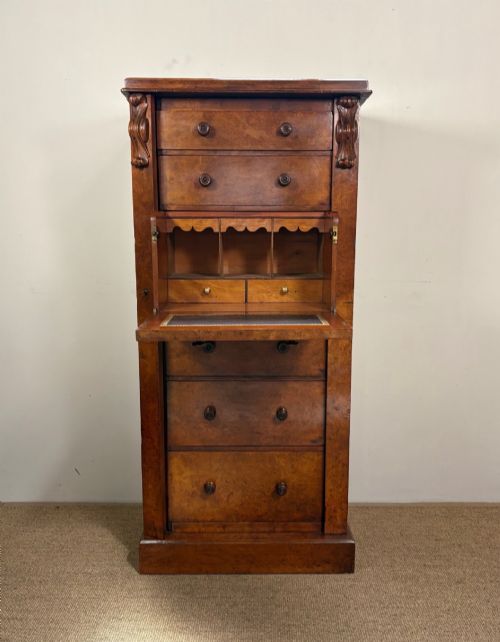
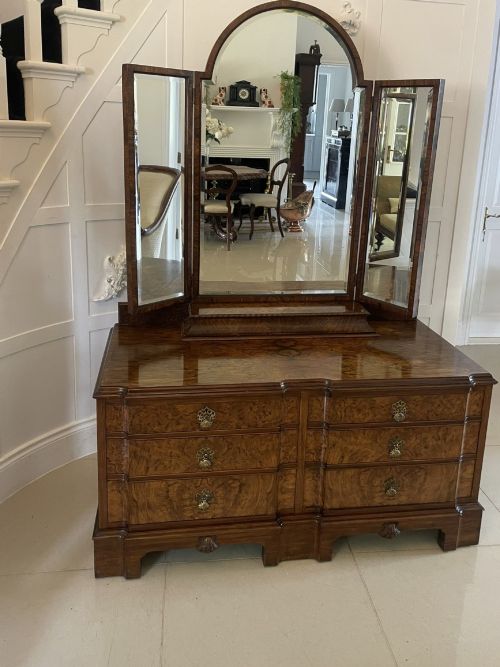
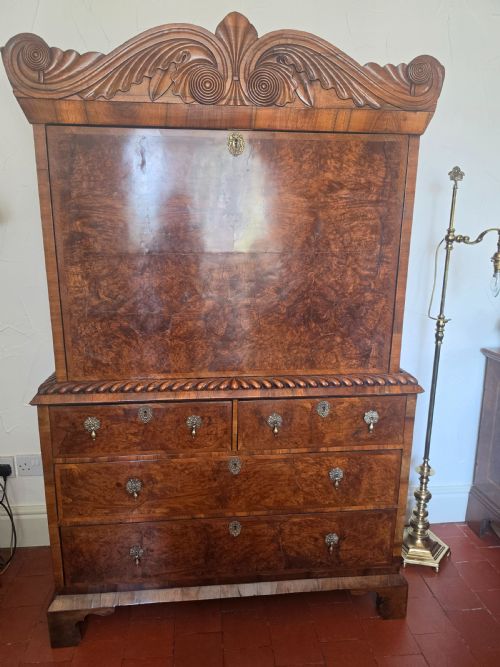
Walnut Desk on Chest
A walnut desk on chest combines a writing surface with deep drawer storage, offering a commanding presence and clever compartments for papers.
Walnut Desk on Chest
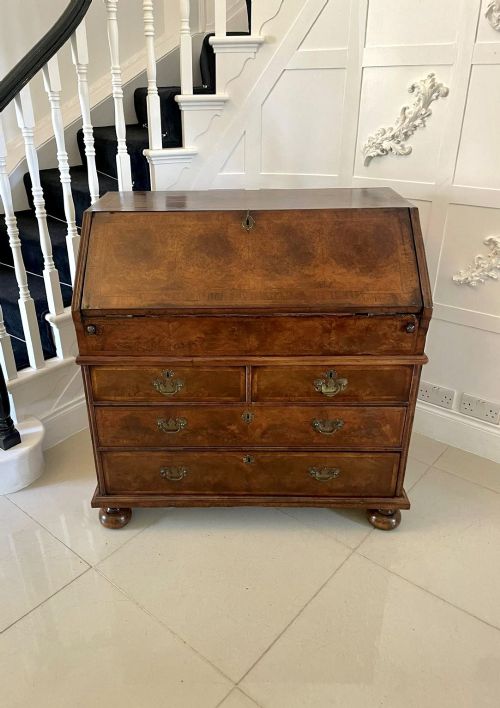
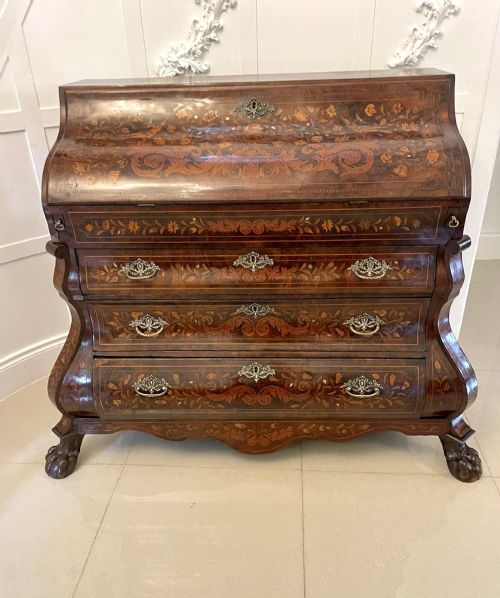
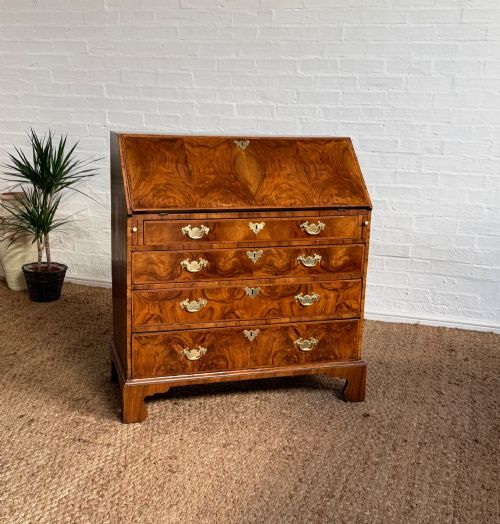
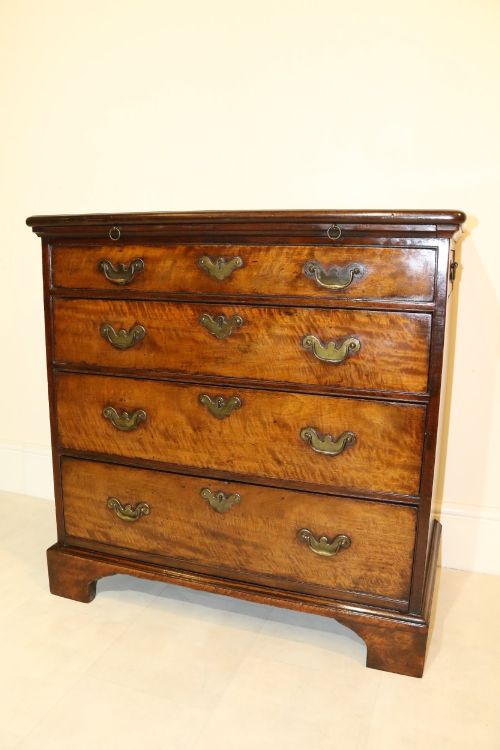
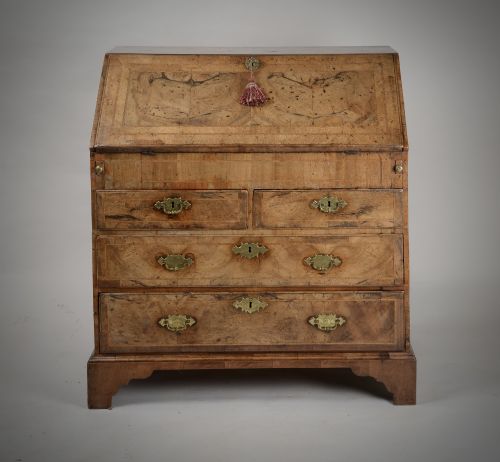
A walnut desk on chest brings together the functional writing space of a bureau or fall-front cabinet with the substantial drawer capacity of a chest below. These pieces emerge across the seventeenth, eighteenth, and nineteenth centuries, spanning distinct stylistic phases from Queen Anne and George I to later revivals.
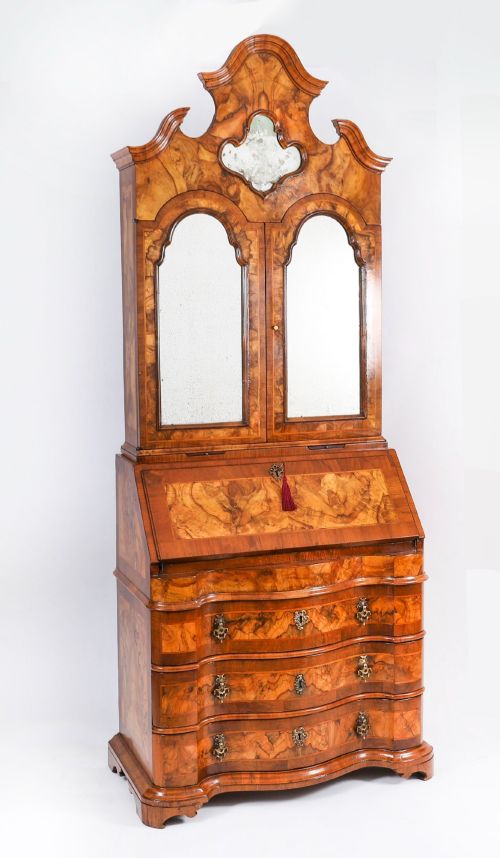
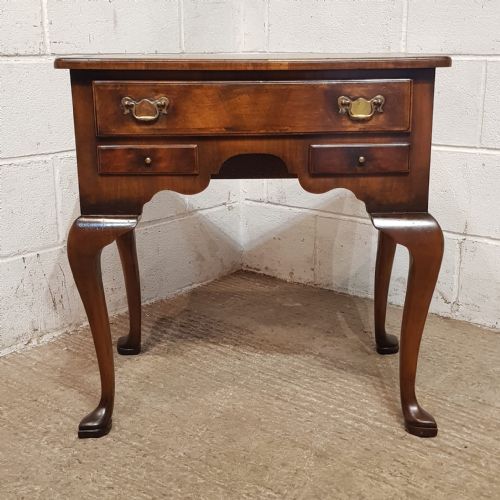
The buyer encounters various configurations on this page, including fall-front writing chests, taller escritoires, and bureau bookcases fitted with upper shelving. Many examples rely on two-part construction, separating the upper writing section from the lower chest of drawers for transport and placement.
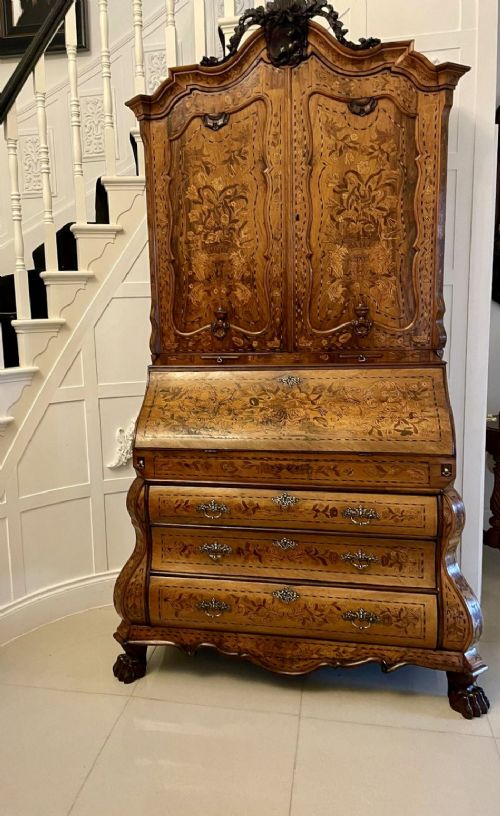
Origins stretch across English, Dutch, Continental, and American workshops, displaying local preferences in timber selection and decorative marquetry. Whether selecting a compact early eighteenth-century fall-front or a later Victorian interpretation, the user gains a dual-purpose item designed for both correspondence and storage.
Materials and Construction Methods
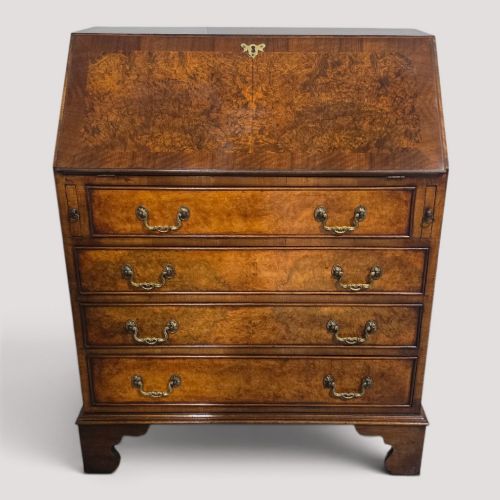
Cabinetmakers constructed these pieces primarily using solid oak or pine carcases finished with highly figured walnut veneers, burr walnut, and fruitwood crossbanding. The choice of burr timber provided striking organic grain patterns across the fall-fronts and drawer fronts.
Inlay and marquetry techniques incorporated contrasting woods, bone, and mother of pearl to create floral motifs, scrollwork, and geometric parquetry panels. Brass drop handles, escutcheons, and original ironwork secured the drawers and fall-fronts while adding functional metallic contrast to the timber.
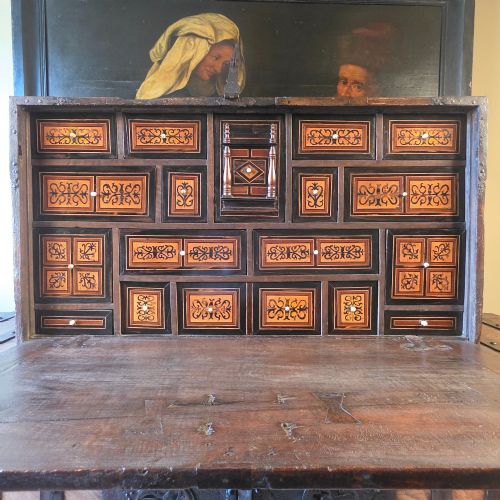
Interior fittings involved intricate arrangements of small drawers, pigeonholes, and secret compartments revealed behind sliding panels or central cupboards. Leather writing surfaces, often in red tones, were frequently inset into the fall-front writing flaps of Georgian and later examples.
Secret compartments hidden behind sliding pigeonholes remind us that past owners treated their correspondence with utmost secrecy.
Judging Quality in Walnut Desk on Chest
The visual strength of a walnut desk on chest rests in the continuity and matching of the veneer figures across the drawer fronts and fall-front flap. Superior examples display symmetrical grain patterns that wrap around the carcase corners without awkward interruptions.
The complexity and execution of interior joinery distinguish standard pieces from exceptional ones, particularly regarding secret compartments, dovetailed drawer construction, and pigeonhole layout. The presence of original hardware, such as brass drop handles and iron locks, maintains the integrity of the piece.
Age-related patination and the warmth of the polished timber surface indicate how well the wood has been treated over centuries. Finer items retain crisp marquetry details and tight joints without excessive timber replacement or unsympathetic restoration.
Shoolbred and Co·Austin, William
The Walnut Desk on Chest Glossary
- Bureau
- A sloping desk with a hinged flap that opens to reveal compartments and drawers for writing. It often sits upon a chest of drawers.
- Burr Walnut
- Timber taken from the gnarled growth of a walnut tree, producing swirling, knotty grain patterns prized for decorative veneering. It creates highly figured surfaces on eighteenth-century and later furniture.
- Escritoire
- A tall writing cabinet featuring a fall-front flap that drops down to form a desk. These pieces typically contain numerous internal drawers and pigeonholes.
- Marquetry
- The art of applying small pieces of veneer to a structure to form decorative patterns and pictures. Craftsmen utilised various woods alongside bone and metal details.
- Secretaire Chest
- A chest of drawers where the top drawer pulls out and drops down to serve as a writing desk. It conceals a fitted interior of small drawers and pigeonholes.
Walnut Desk on Chest: Frequently Asked Questions
How do I identify an 18th-century walnut desk on chest?
Eighteenth-century examples often display hand-cut dovetails, oak secondary timbers, and rich burr walnut veneers secured with subtle crossbanding. Look for original brass hardware and candle slides or support brackets beneath the fall-front flap.
Later Victorian and 1920s revivals tend to utilise heavier internal construction methods and different secondary woods like pine, distinguishing them from earlier work.
Where should I place a walnut desk on chest in my home?
These pieces suit studies, libraries, or drawing rooms where their deep drawers provide practical storage alongside a functional writing ledge. Ensure the room maintains stable humidity levels to protect the delicate walnut veneers from drying out.
Allow sufficient floor space in front of the piece for the fall-front flap to open completely and for a chair to slide underneath comfortably.
How do I care for antique walnut furniture?
Maintain the timber by dusting regularly with a dry, soft cloth and occasionally applying traditional beeswax to nourish the polished surface. Avoid placing the piece in direct sunlight or near heat sources to prevent the veneers from lifting or cracking.
Promptly wipe away any moisture that lands on the leather writing surface or the wooden top to protect the historic finish.