
Walnut Clothes Armoire
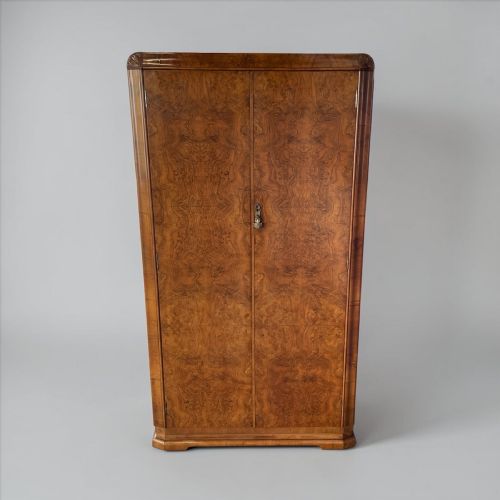
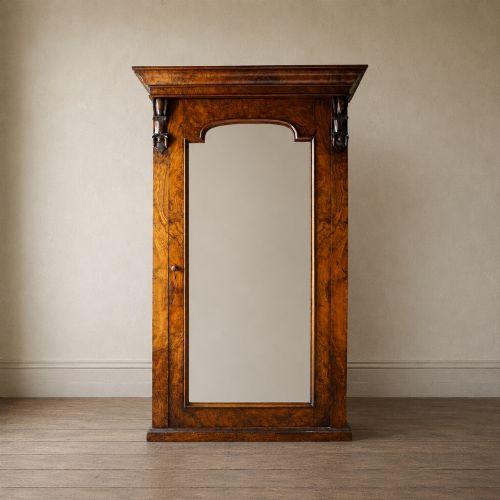
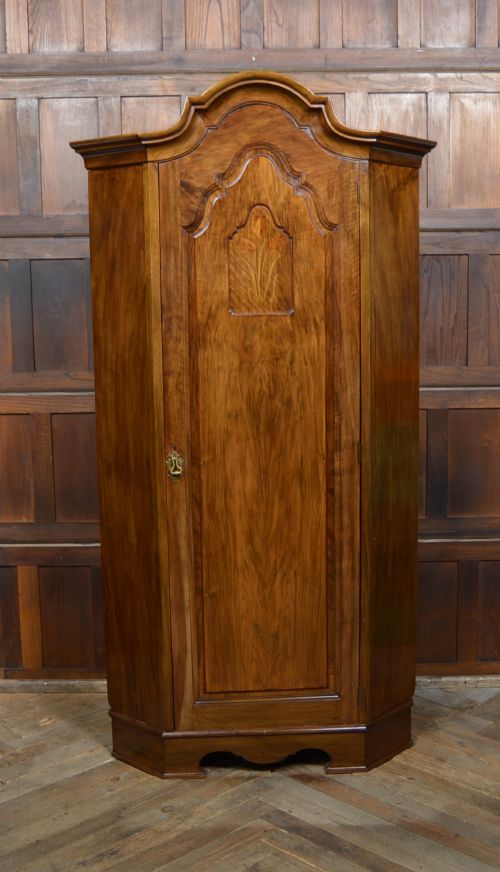
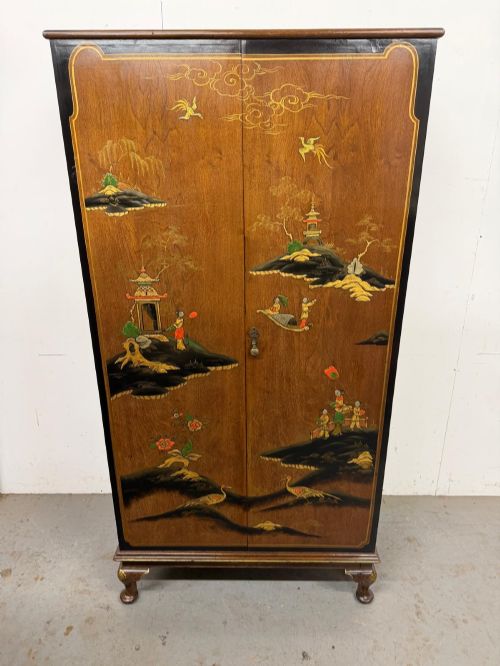
A walnut clothes armoire offers generous timber storage with the distinct grain patterns of burr and straight-grained walnut.
Walnut Clothes Armoire
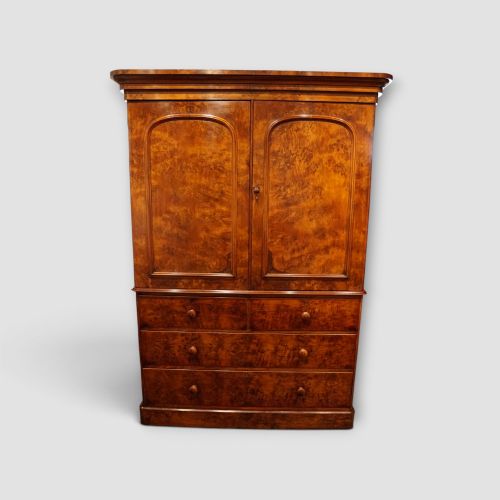
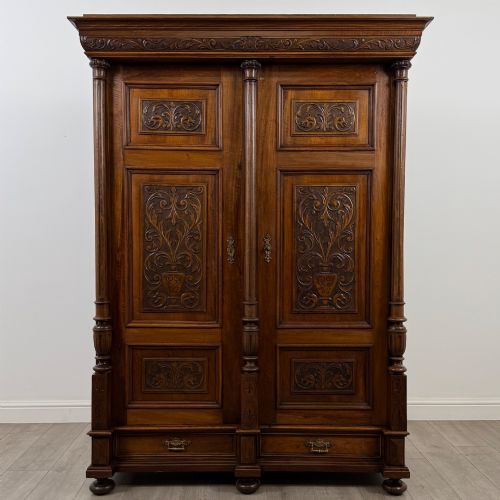
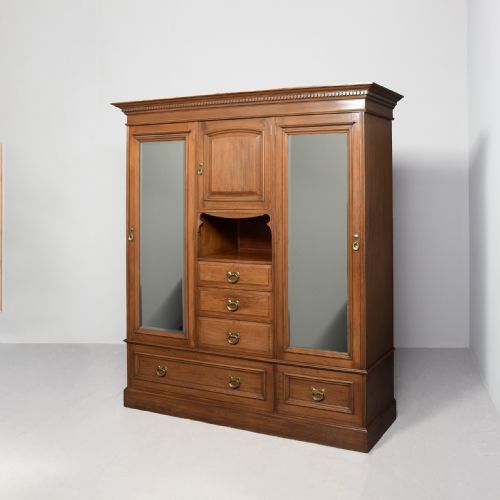
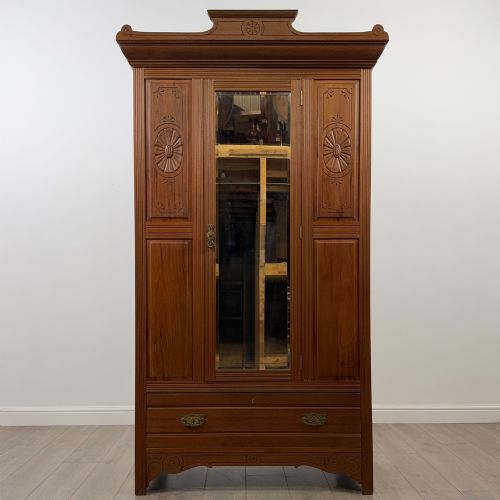
A walnut clothes armoire provides substantial bedroom storage through forms such as triple wardrobes, compactums, and linen presses. Pieces span from the eighteenth century through the Victorian, Edwardian, and Art Deco periods, encompassing English, French, and North European origins.
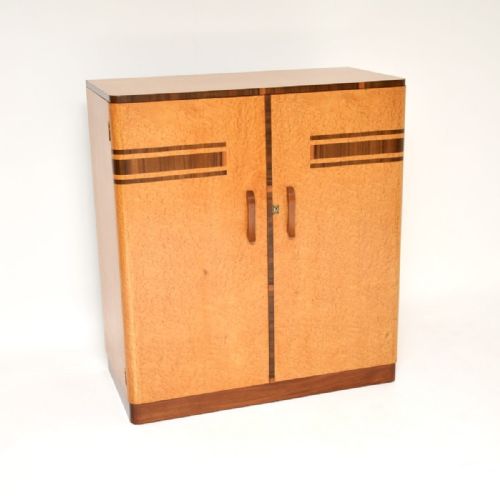
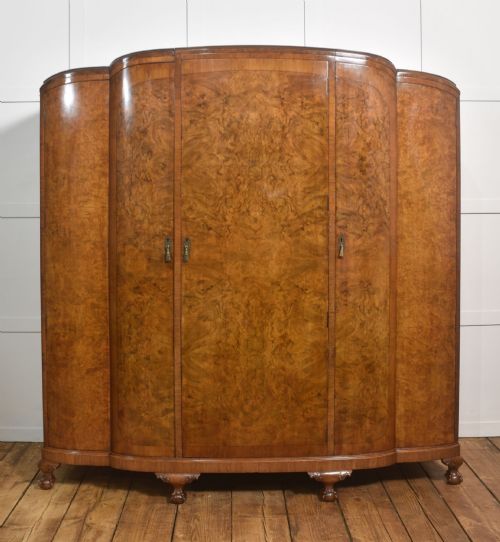
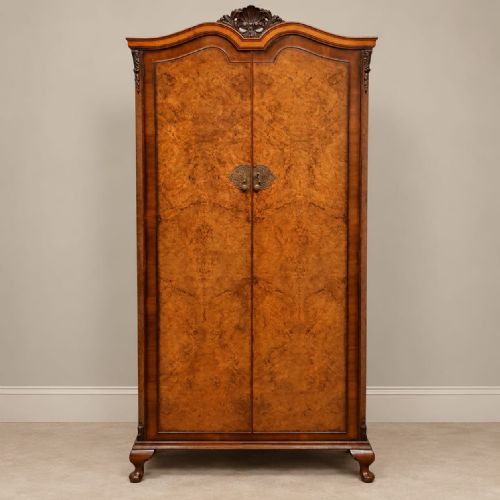
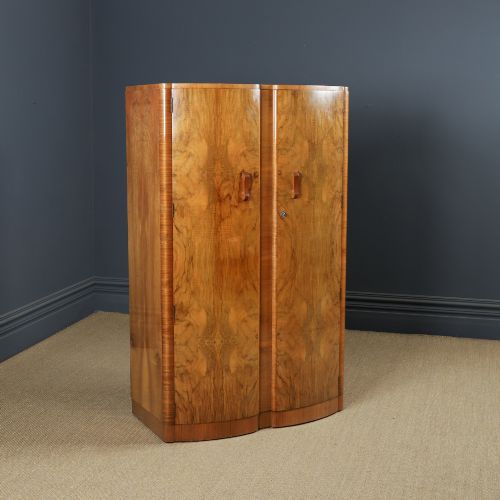
Buyers frequently encounter twentieth-century examples, particularly Art Deco burr walnut designs and nineteen-twenties fitted wardrobes. These pieces often feature bow-fronted or breakfront configurations designed for modern clothing organisation.
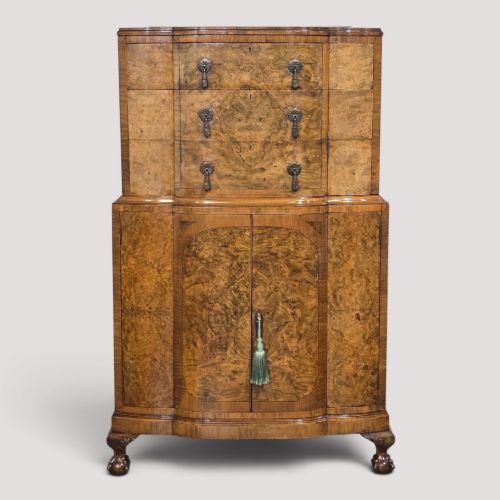
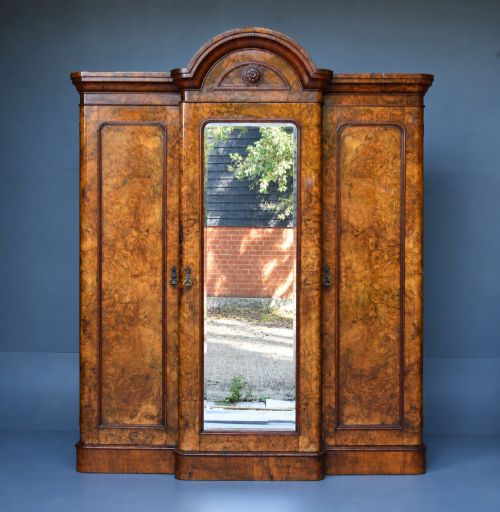
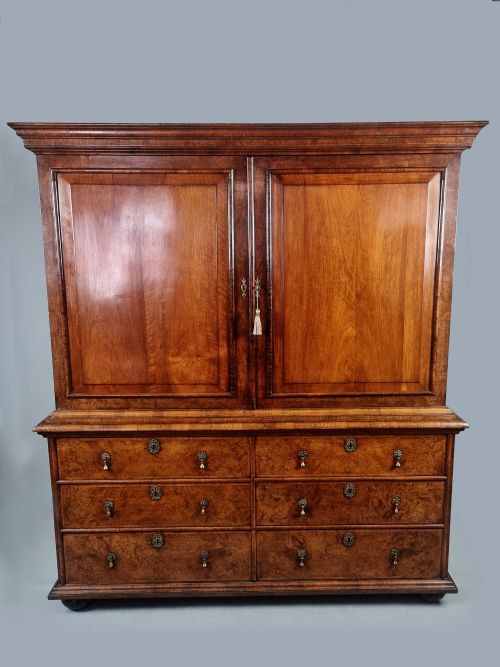
Earlier iterations include nineteenth-century Victorian triple wardrobes alongside eighteenth-century Queen Anne press cupboards. These older formats combine hanging space with linen drawers and enclosed shelving.
Quality and Craftsmanship
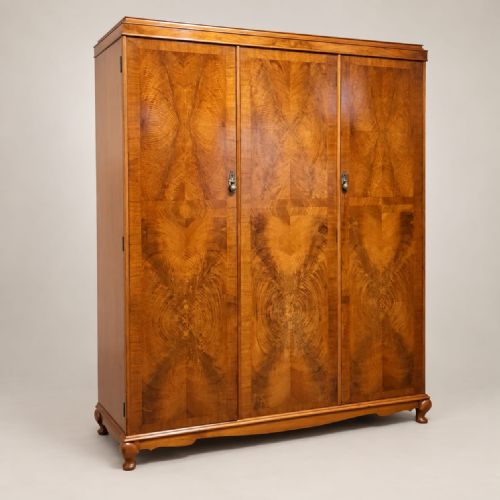
The sophistication of the timber figure and the selection of burr walnut veneers define the visual impact of a cabinet. Matched grain patterns across multiple doors indicate high standards of workshop execution.
Internal configuration alters utility and desirability, with fitted interiors, sliding linen trays, and original brass fittings marking superior production standards compared to basic hanging compartments.
Listings feature walnut wardrobes spanning the eighteenth century, Victorian era, Edwardian period, and Art Deco movement.
Lamb of Manchester·Jean Faure
The Walnut Clothes Armoire Glossary
- Burr walnut
- A figured wood grain derived from the growths on walnut trees, prized for its complex swirling patterns. It is sliced into thin veneers for decorative furniture surfaces.
- Compactum
- A multi-section wardrobe combining hanging space, drawers, and shelving within a single unified cabinet. This form maximises internal storage efficiency.
- Linen press
- A tall cupboard featuring upper shelving for textiles and lower drawer storage. Eighteenth-century examples often sit on bracket feet.
- Breakfront
- A piece of furniture where the central section projects forward from the flanking outer sections. This creates architectural depth on large wardrobes.
- Art Deco
- A design movement from the nineteen-twenties and nineteen-thirties favouring streamlined geometry, clean lines, and polished burr walnut surfaces.
Walnut Clothes Armoire: Frequently Asked Questions
How do I date a walnut wardrobe?
Dating relies on stylistic markers such as eighteenth-century cornices, Victorian carving, or Art Deco geometric symmetry. Construction methods and internal fittings also indicate the period of manufacture.
Secondary timbers inside drawers and the presence of hand-cut dovetails help distinguish nineteenth-century examples from later twentieth-century revivals.
What is the difference between an armoire and a wardrobe?
An armoire traditionally describes a large continental freestanding cupboard with doors enclosing shelves or hanging space. Wardrobes specifically designate British and American clothes storage furniture.
In marketplace terminology, the terms frequently overlap to describe large timber clothes cupboards from various European origins.
Will a triple wardrobe dismantle for moving?
Many large nineteenth and twentieth-century triple wardrobes and compactums are built to dismantle into modular sections. This includes separate cornices, base units, and individual door frames.
Checking construction details confirms whether a particular piece separates into manageable components for transport through doorways.
How should I care for walnut veneer?
Walnut veneer requires protection from direct sunlight and excessive humidity to prevent timber movement and fading. Regular dusting with a dry, soft cloth maintains the polished surface.
Occasional application of appropriate furniture wax preserves the moisture and natural lustre of the figured wood.