
Walnut Cabriole Legs
Walnut cabriole legs support everything from eighteenth-century chairs to twentieth-century cocktail cabinets with flowing, sinuous grace.
Walnut Cabriole Legs
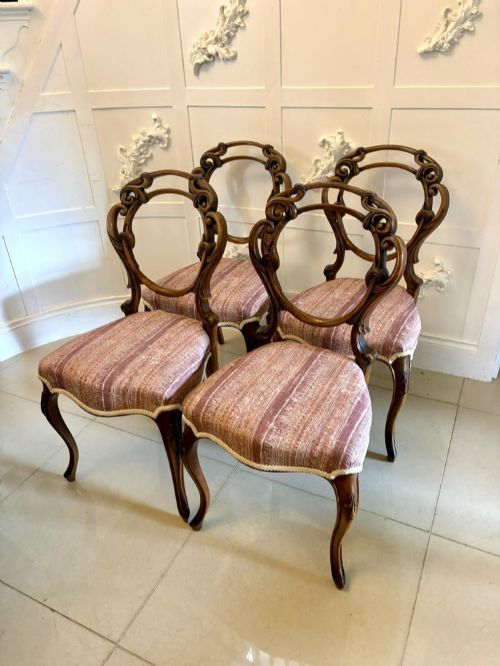
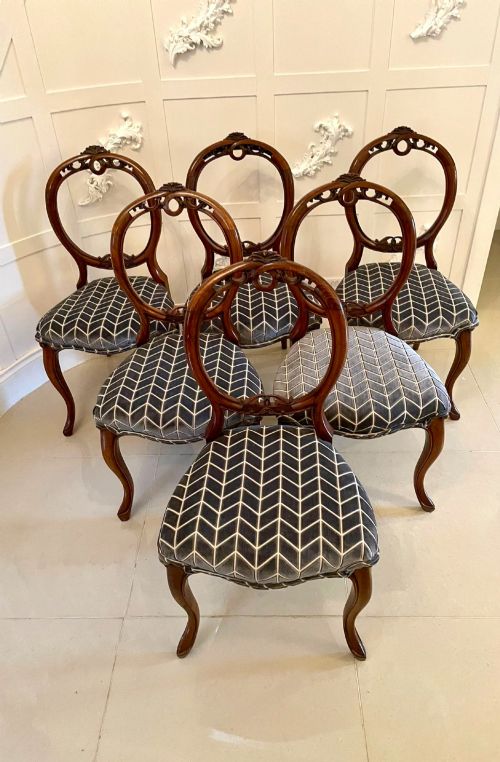
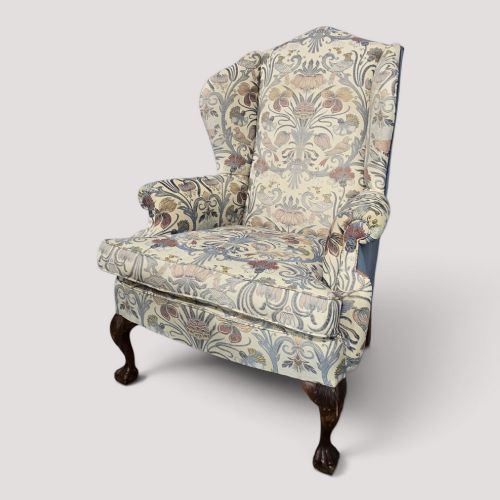
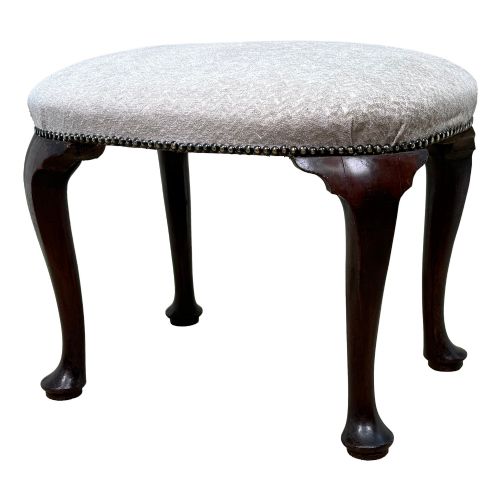
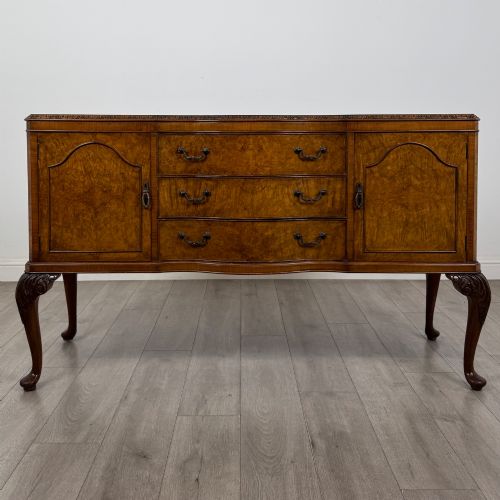
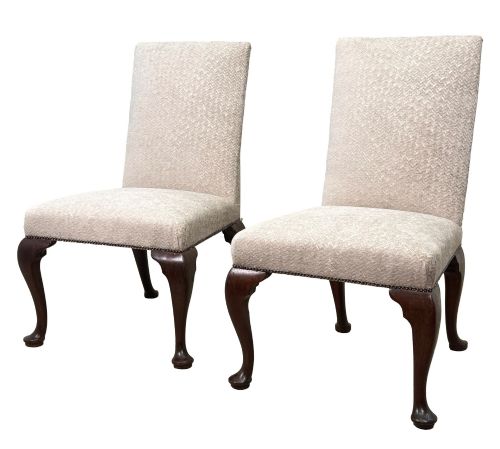
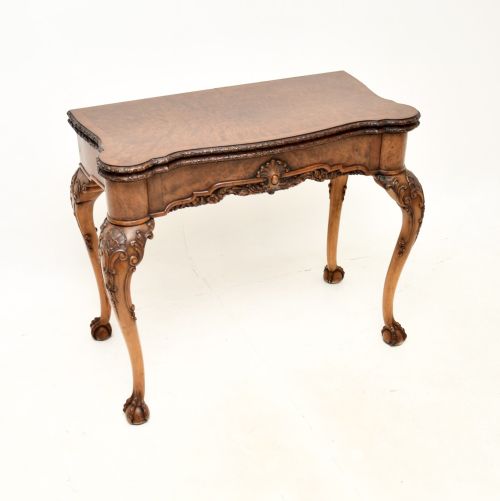
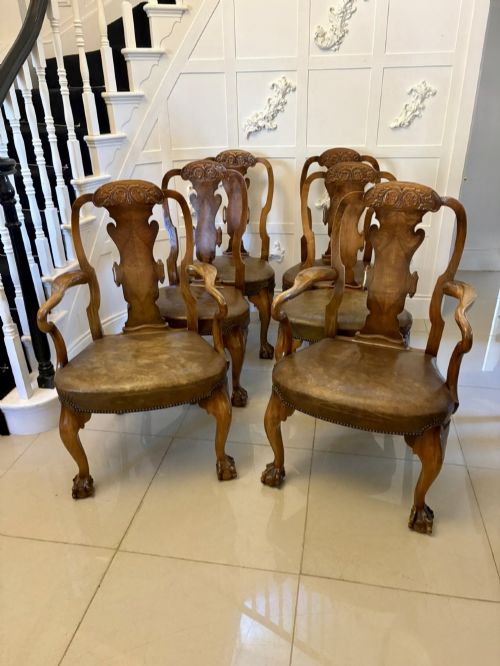
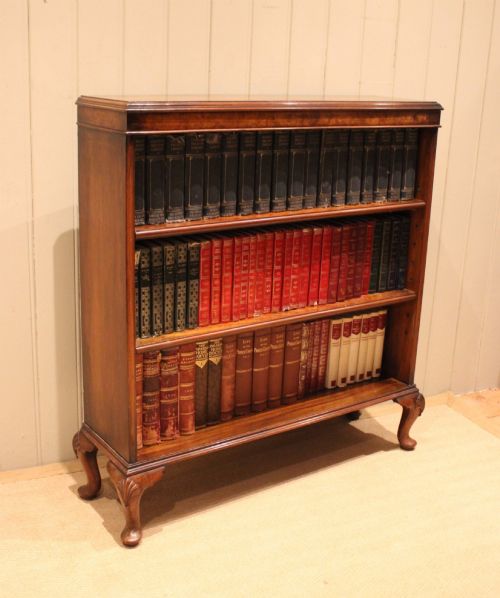
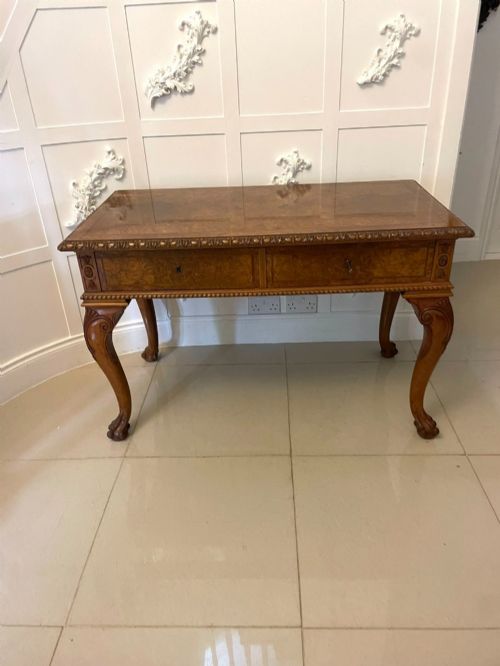
When searching for walnut cabriole legs, buyers encounter a diverse selection of furniture spanning the eighteenth century through to the 1930s. The listings encompass formal seating, dining chairs, and stools alongside larger case pieces such as writing desks, sideboards, and cabinets.
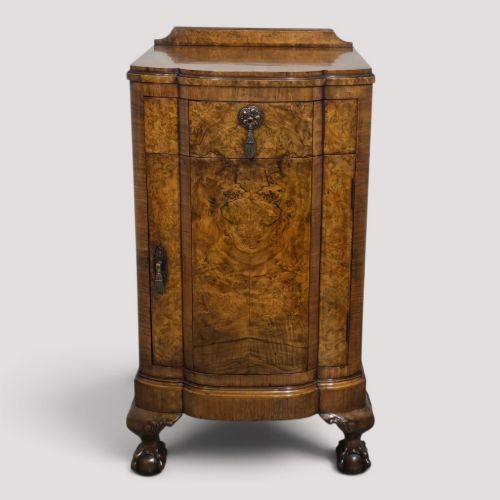
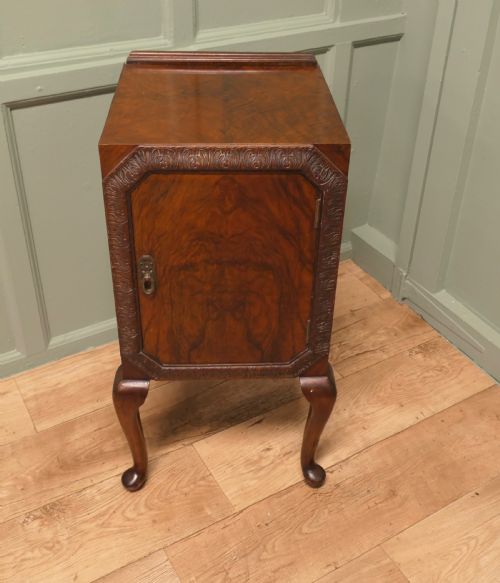
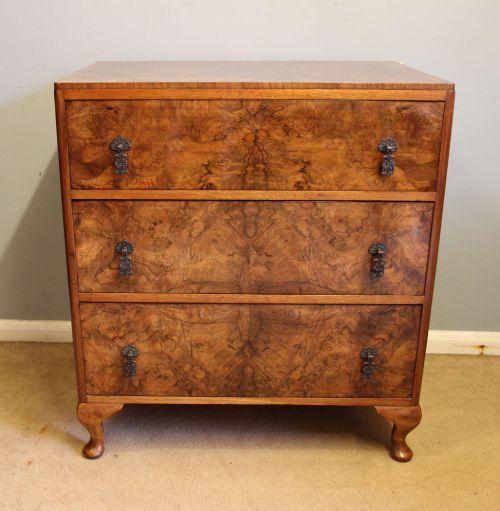
Victorian examples and Queen Anne revivals dominate the seating categories, particularly balloon back chairs and nursing seats raised on curved supports. Tables and cocktail cabinets from the 1920s and 1930s frequently employ burr walnut veneers above the characteristic knee of the leg.
How they were made
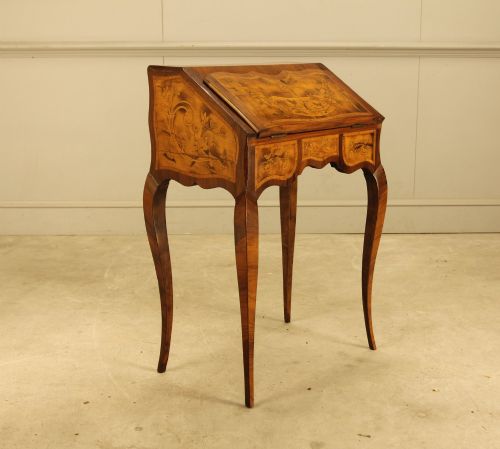
Cabinet makers utilised solid walnut and decorative veneers like burr walnut, often laid over secondary timbers to achieve rich figured surfaces. Ormolu mounts, brass hardware, and intricate floral marquetry supplied ornamental contrast on French and English pieces.
The defining cabriole leg shape was typically carved directly from the solid wood of the frame or stile, curving outward at the knee and tapering inward to a pad or claw foot.
Several stubborn dining chairs retain their original upholstery nails while adamantly refusing to reveal who sat on them last.
What varies in quality
Quality rests upon the crispness of the hand-carved detail on the knee and foot, and the visual harmony of the timber grain selected for the primary surfaces. Superior examples demonstrate fluid, continuous lines in the leg form and careful book-matching of burr walnut veneers.
Charles Tozer
The Walnut Cabriole Legs Glossary
- Cabriole leg
- A furniture support that curves outward at the knee and tapers inward toward the foot, imitating an animal's natural leg. This form became a defining feature of eighteenth-century and revival furniture.
- Burr walnut
- A veneer derived from the knotted growth of a walnut tree, prized for its swirling, highly figured patterns. Makers applied it to prominent surfaces like tabletop centres and cabinet doors.
- Marquetry
- The art of forming decorative patterns by fitting together small pieces of different coloured veneers. Dutch and French makers utilised this technique extensively on floral table tops and bureaus.
- Ormolu
- Gilded bronze mounts applied to the corners and feet of fine cabinets and tables. This decorative addition appears frequently on French Louis XV style pieces.
Walnut Cabriole Legs: Frequently Asked Questions
How do I identify a true Queen Anne piece?
Genuine eighteenth-century pieces display authentic timber oxidation and pegged frame construction beneath the upholstery. Revivals from later eras typically use machine-cut joints and modern adhesives.
Examining the underside of the seat frame often reveals the original construction methods and wood species used by the cabinet maker.
Are cabriole legs sturdy for daily dining chairs?
The curved design distributes weight effectively through the knee down to the foot, providing reliable structural support for regular seating. Solid walnut construction ensures these frames endure years of use.
Checking that the joint where the leg joins the seat rail remains tight guarantees long-term stability in dining sets.
What is the difference between Victorian and 18th century pieces?
Eighteenth-century originals possess hand-shaped frames and distinct patination acquired over centuries of domestic use. Victorian revivals adopt the earlier forms but utilise nineteenth-century machining techniques and darker finishes.
Secondary woods inside drawers and beneath seats usually distinguish the older originals from later revival work.
How should I care for burr walnut surfaces?
Keep walnut furniture away from direct sunlight and heat sources to prevent the delicate veneers from drying and lifting. Applying a quality beeswax polish periodically maintains the natural lustre of the wood.
Avoid using modern liquid cleaning sprays which can penetrate micro-fissures in aged veneer work.