


Walnut Bedroom Side Chair
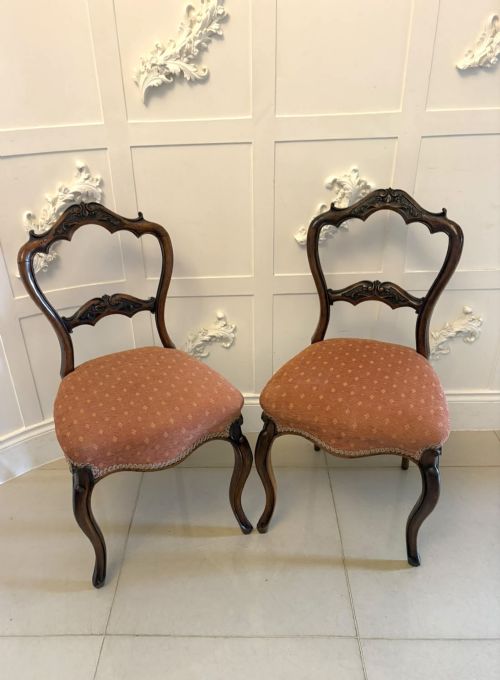
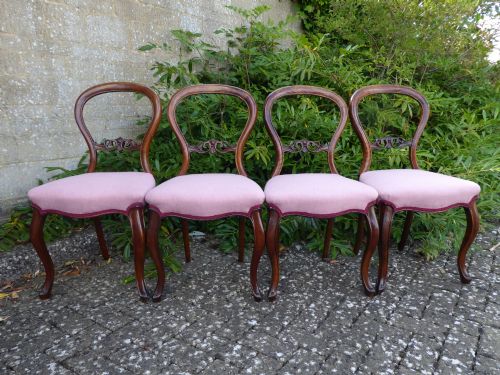
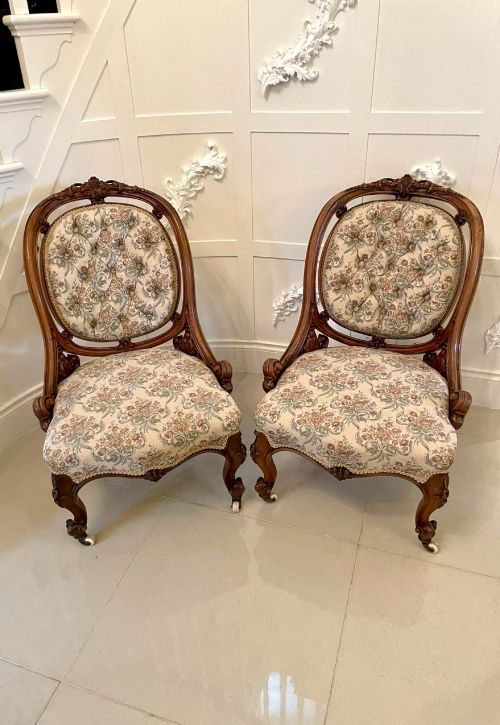
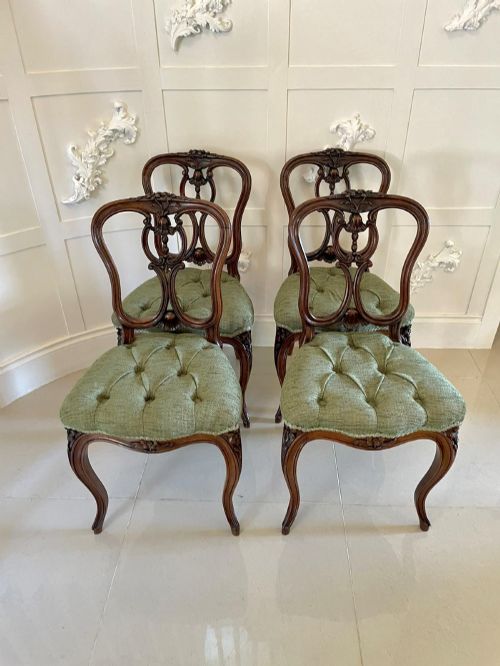
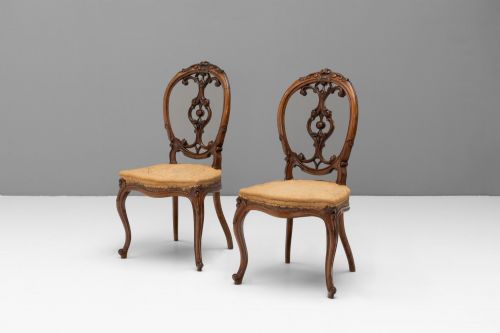
These walnut bedroom side chair pieces are compact occasional seats from the nineteenth and early twentieth centuries, prized for their figured timbers and carved frames.
Walnut Bedroom Side Chair
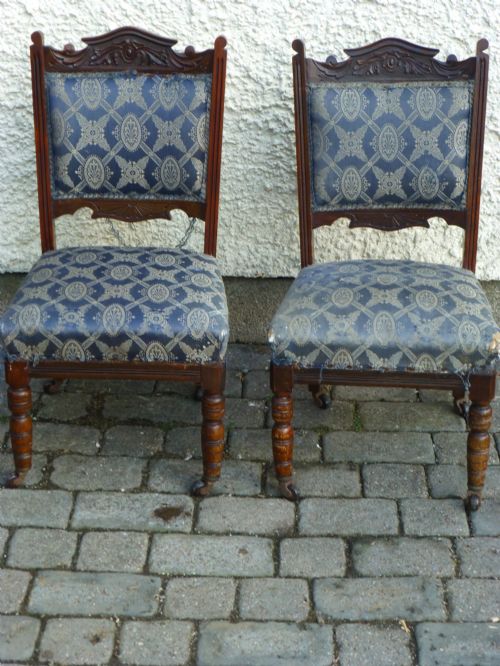
A walnut bedroom side chair sits quietly in a dressing room or parlour, serving as a low seat for quiet tasks or as a decorative accent against a wall. The walnut bedroom side chair forms seen here span Victorian, Edwardian, and Art Deco periods, drawing on French, Rococo Revival, and Aesthetic Movement design.
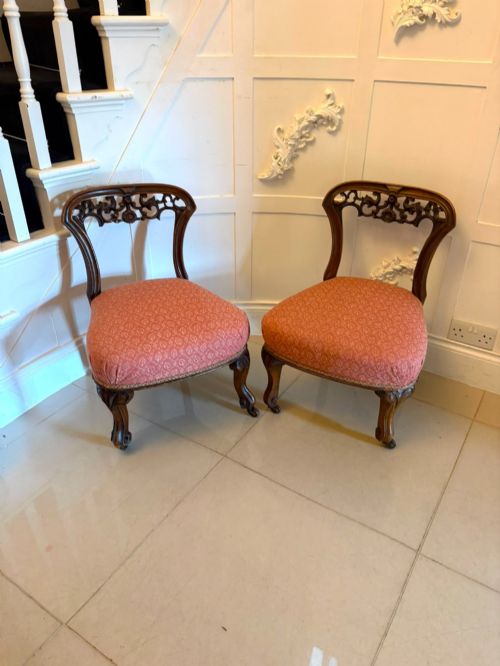
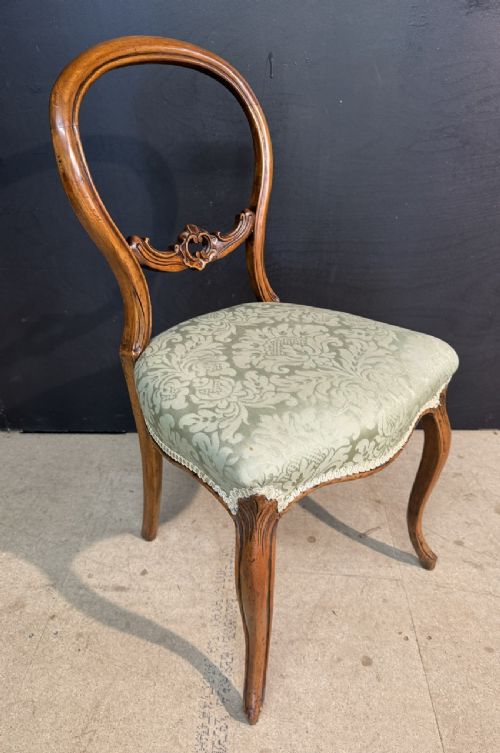
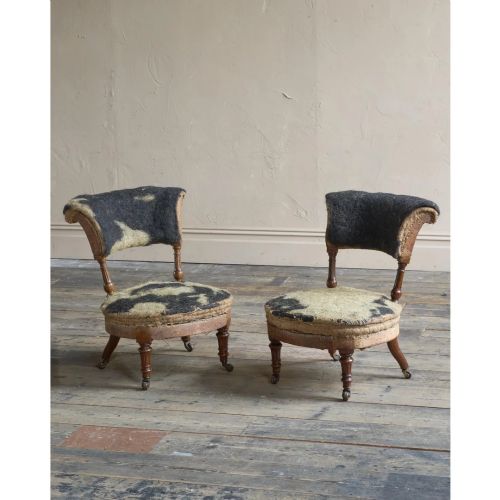
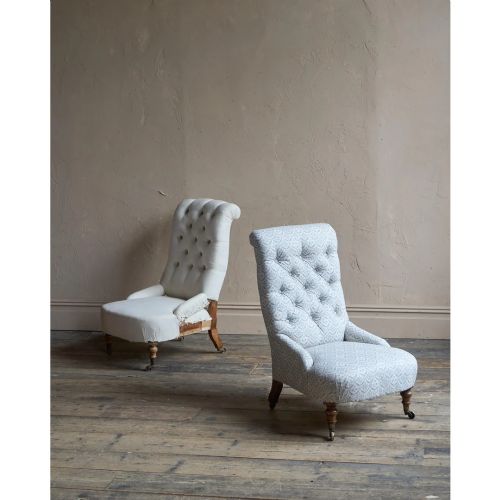
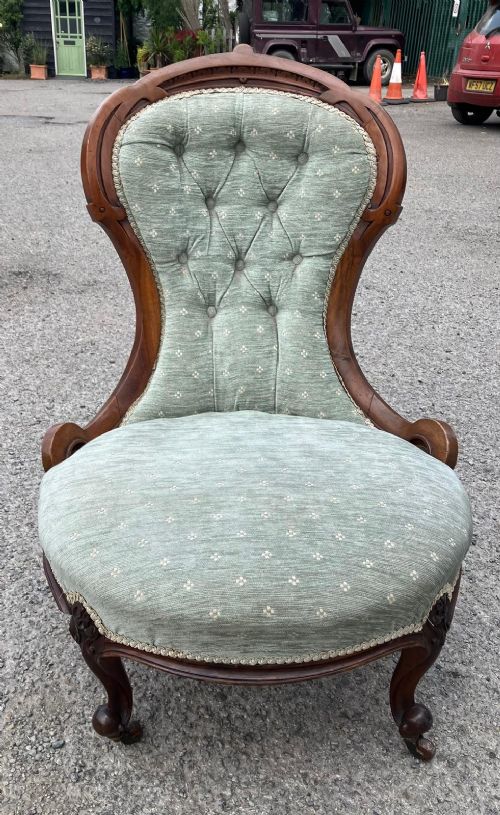
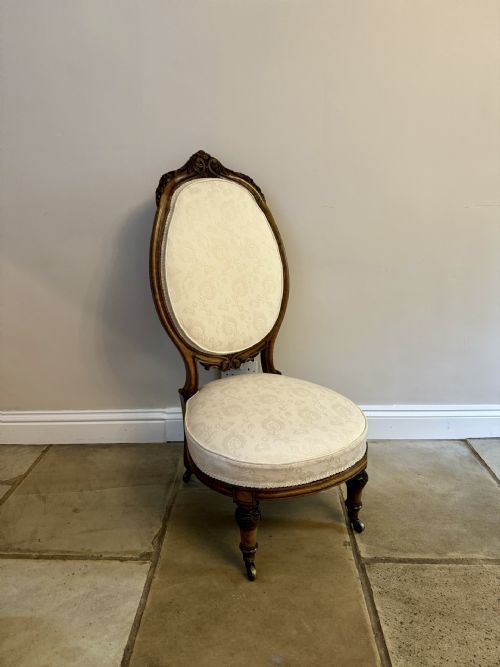
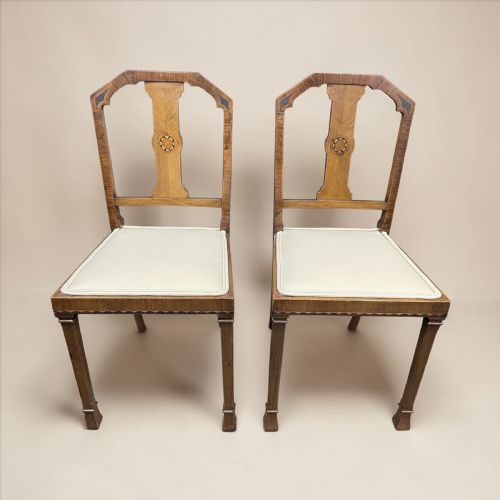
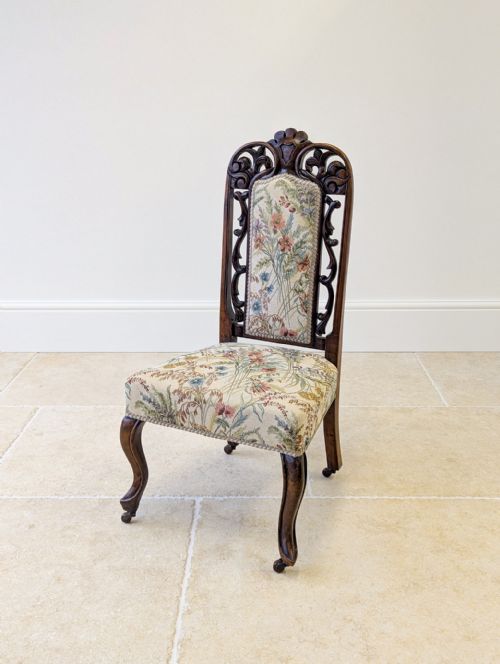
Most examples date from the nineteenth century, particularly the eighteen-fifties and sixties, with carved walnut frames and upholstered pads. Low nursing chairs with buttoned backs and balloon-shaped frames appear frequently alongside simpler pierced splat-back designs.
Makers shaped these walnut bedroom side chair examples for specific domestic spaces, from dressing tables to boudoirs and halls. Buyers encounter pairs and individual items finished with cabriole legs, carved details, and various textile coverings.
How They Were Made
Cabinetmakers utilised solid and veneered walnut for the structural frames, often selecting figured timber to highlight the grain on the crest rails and splats. Joinery relied on traditional mortise and tenon construction, reinforced with internal blocks where the seat rails meet the legs.
Carving was executed by hand, shaping the cabriole legs, scroll feet, and pierced backs characteristic of Victorian and revival styles. Upholstered elements involved webbing, horsehair stuffing, and springs secured beneath textile covers such as velvet, leather, and needlepoint.
Materials recorded include solid walnut, figured walnut, velvet, leather, and brass.
What Varies in Quality
The crispness of the hand-carved ornament on the walnut frame separates standard production from superior examples. Sharp, deep relief work on the crest rail and knee indicates a skilled hand, whereas softened edges suggest hurried output or excessive sanding during later restoration.
Timber selection governs the visual weight of the piece, with richly figured walnut grain commanding greater presence than plain stock. Frame rigidity also matters, as well-executed joinery prevents the wobbling common in lighter chairs subjected to decades of use.
Howard and Sons
The Walnut Bedroom Side Chair Glossary
- Balloon back
- An oval or curved wooden backrest resembling a balloon, popular on Victorian seating.
- Cabriole leg
- A furniture leg that curves outward and then tapers inward, ending in a pad or scroll foot.
- Nursing chair
- A low-seated chair designed for feeding infants or personal grooming in a bedroom.
- Prie Dieu
- A devotional chair featuring a low seat and an upper shelf for kneeling or resting arms.
- Splat
- The central vertical strip of wood down the middle of a chair back.
Walnut Bedroom Side Chair: Frequently Asked Questions
What is a walnut bedroom side chair used for?
These chairs served functional roles in private rooms, providing a low seat for dressing or reading near a fireplace. They were designed to be lightweight and easily moved around a bedroom or boudoir.
Today, they function well as accent seating in hallways, studies, or bedrooms where space is limited and decorative wood grain adds warmth.
How do I date a walnut side chair?
Dating relies on stylistic clues, timber choice, and construction methods. Mid-nineteenth-century examples often feature elaborate walnut carving and balloon backs, while later Victorian pieces introduce Aesthetic Movement linearity.
Twentieth-century versions shift toward Art Deco geometry, utilising leather or simpler upholstered panels alongside walnut frames.
Are these chairs comfortable for daily use?
Many nineteenth-century examples feature low seats and upright, supportive backs designed for specific dressing or nursing tasks rather than long lounging. The depth and height suit occasional sitting rather than hours of desk work.
Original padding often uses traditional stuffings like horsehair, which feels firmer than modern foam cushioning.
Can I reupholster a vintage walnut chair?
Reupholstering is common and often necessary to refresh worn textiles or damaged internal webbing. Many listings specifically note when a piece requires new fabric.
Working with traditional materials preserves the historical integrity of the frame while allowing personal choice in fabric colour and pattern.