
Wall Mounted Coat Hooks
Wall mounted coat hooks organise hallways with period charm, offering sturdy hanging space derived from nineteenth and early twentieth century domestic hardware.
Wall Mounted Coat Hooks
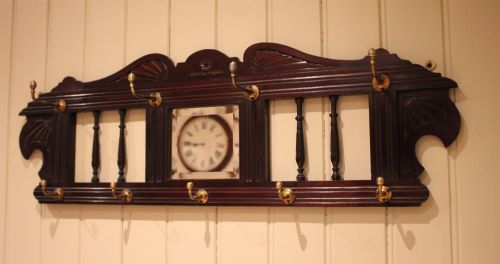
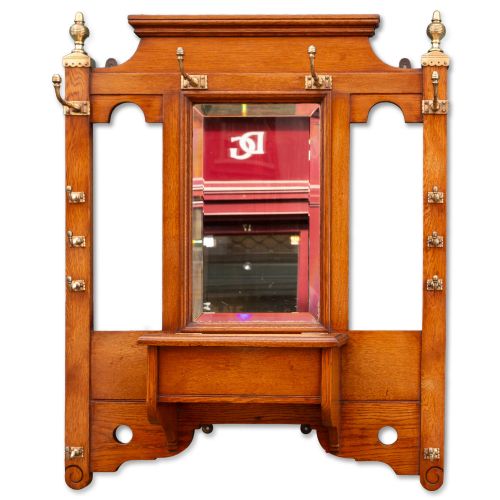
Wall mounted coat hooks combine functional hanging capacity with decorative backboards, ranging from simple timber rails to elaborate hall stands and mirror combinations. When exploring wall mounted coat hooks, buyers encounter domestic and commercial hardware designed for cloakrooms, hallways, and reception spaces.
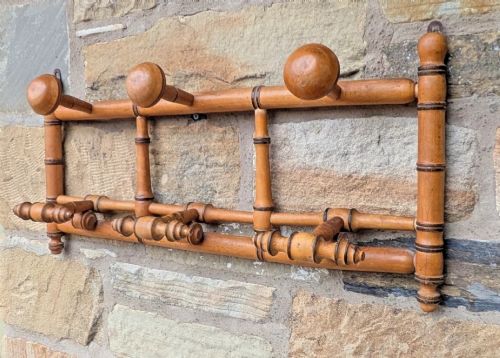
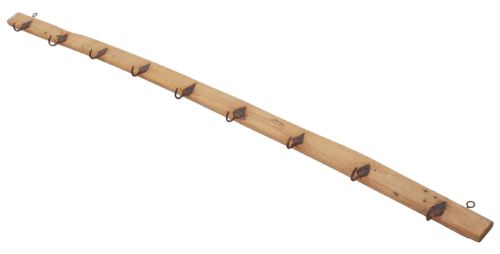
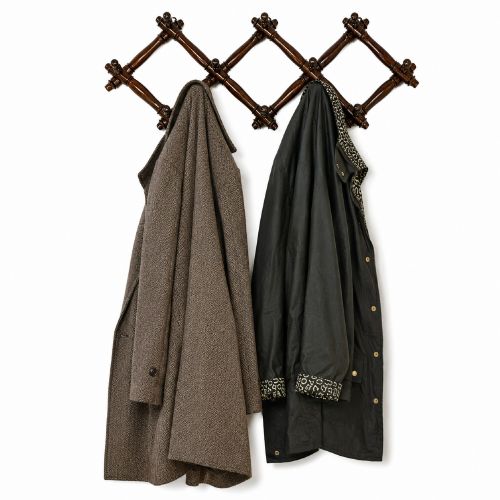
The selection spans multiple eras, with Victorian and Edwardian examples appearing alongside French regional styles and earlier nineteenth century pieces. Makers utilised various backboard configurations, mounting single hooks, double hooks, or extending frameworks upon timber bases.
Materials and Construction
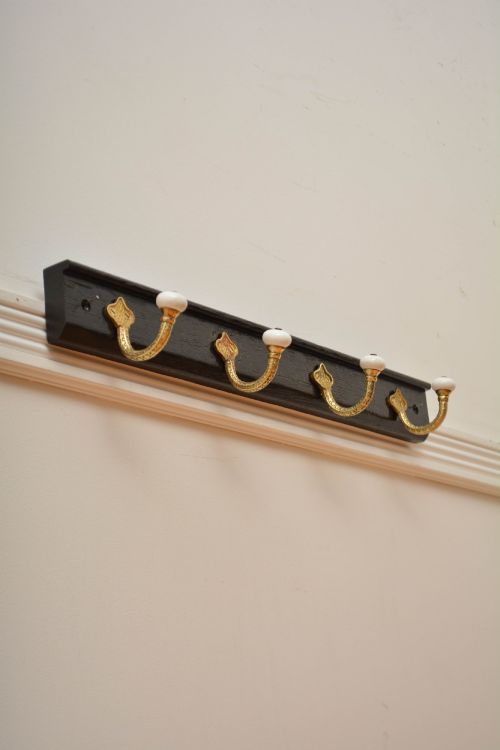
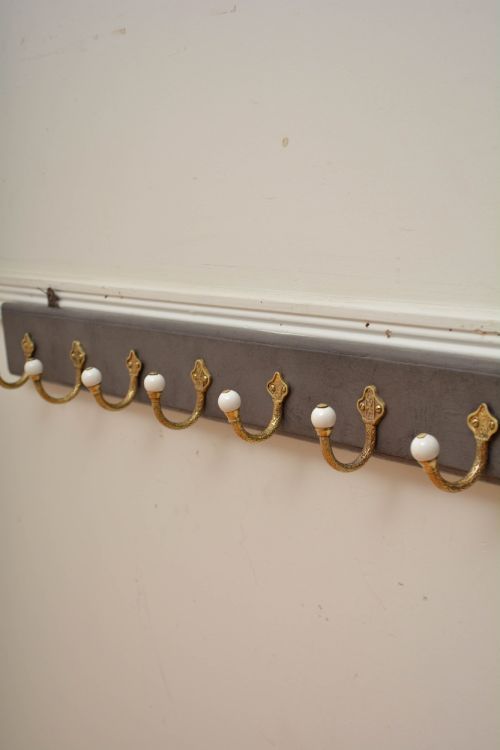
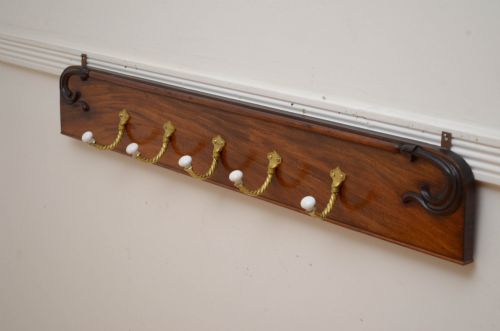
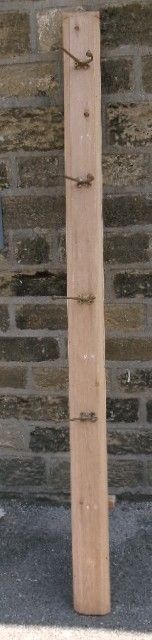
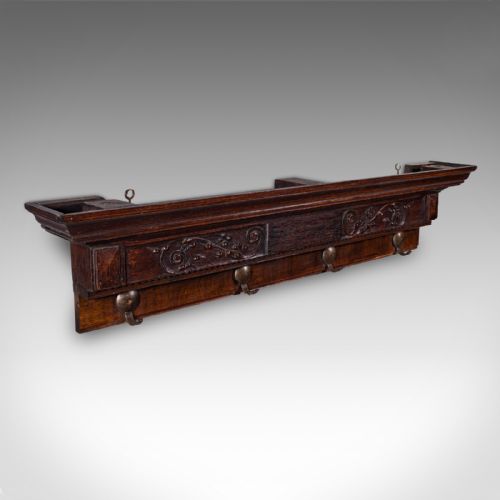
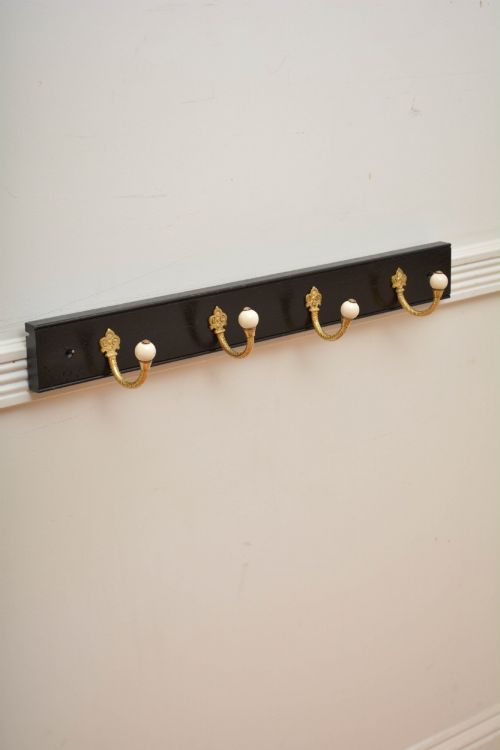
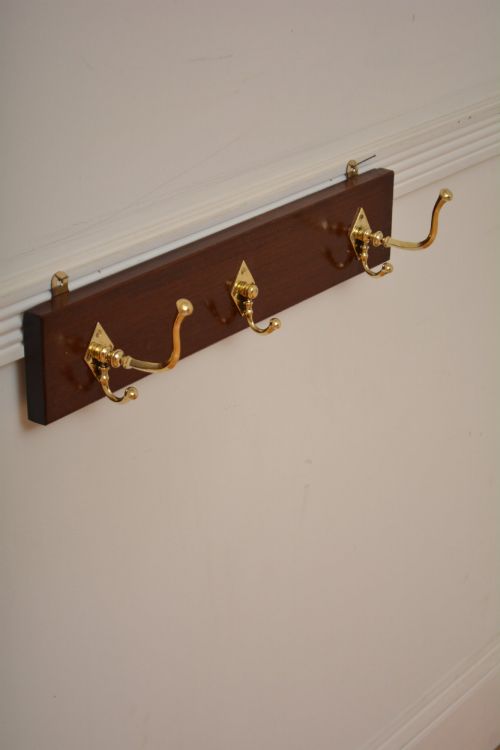
Craftsmen utilised hardwoods such as mahogany, oak, walnut, and pine for the backboards, frequently mounting them with cast brass, bronze, iron, or nickel-plated hooks. Ceramic inserts often decorate the hook terminals, combining metallic strength with glazed detail.
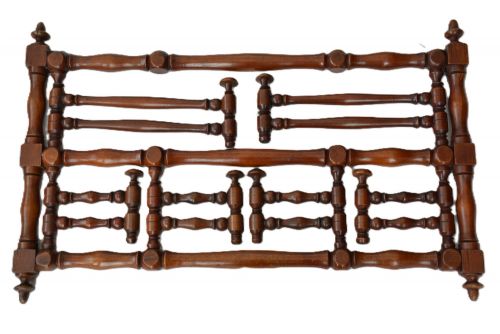
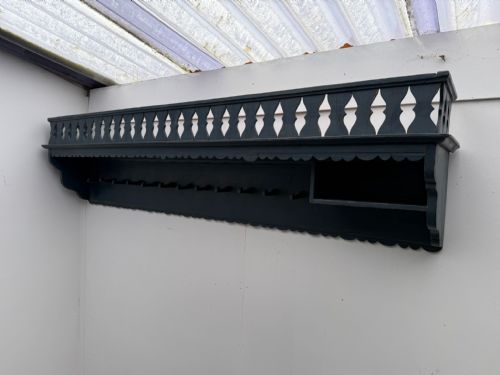
Assembly techniques involve securely fastening cast metal hooks directly to solid or ebonised timber planks, sometimes incorporating mirrors, shelves, or folding hat racks into the overarching design.
Wall Mounted Coat Hooks Retail Price Guide 2026
Typical asking prices for wall mounted coat hooks among the pieces listed under this phrase on Sellingantiques today, from the lower quarter to the upper quarter. They describe what is for sale here now, not the wider market.
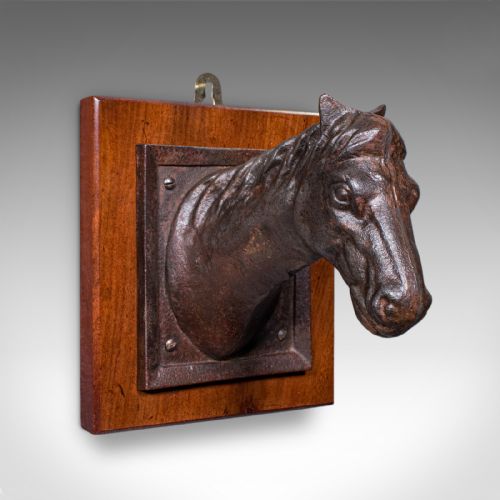
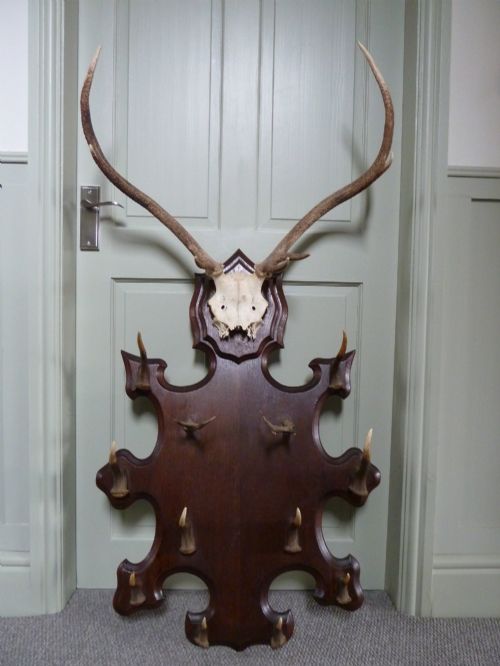
Some items incorporate real stags horns and horse busts, bringing nineteenth-century equestrian sport directly into the hallway.
Quality and Distinction
Superior examples display crisp casting work on the metal hooks, substantial timber backboards with rich patination, and robust structural integrity capable of supporting heavy garments. Lesser pieces show simpler stamped metal or replacement elements lacking period harmony.
The integration of complementary materials, such as ceramic cabochons or decorative mounting plates, separates standard utility hardware from higher status domestic accessories intended for prominent reception rooms.
The Wall Mounted Coat Hooks Glossary
- Ebonised
- Wood treated to imitate ebony, giving it a dark, polished finish. This technique appears frequently on Victorian and Edwardian backboards.
- Portmanteau
- A combination rack incorporating hooks for coats and hats alongside a mirror or shelf. These larger fixtures served entrance halls and reception areas.
- Stags Horn
- Natural antler material utilised for mounting points. Such organic hooks reflect rustic or country house aesthetics.
Wall Mounted Coat Hooks: Frequently Asked Questions
How do I mount a heavy coat rack?
Secure the backboard directly into wall studs or utilise appropriate masonry fixings corresponding to the weight of the timber and metal.
Ensure the mounting screws match the original or appropriate gauge holes to prevent splitting the backboard during installation.
What periods do these hooks cover?
The available selection spans from the eighteenth century through the Victorian and Edwardian eras up to the Art Deco period.
Earlier pieces often feature plain wood or iron, while Victorian and Edwardian examples frequently combine brass, ceramic, and polished hardwoods.
Are the hooks solid brass or plated?
Pieces feature a mix of solid cast brass, bronze, iron, and nickel-plated metalwork depending on the specific style and date.
Detailed inspection of the fixing points and reverse sides reveals the primary metal composition used by the maker.
How do I clean antique brass hooks?
Remove dust with a soft cloth and preserve the existing patination rather than applying harsh chemical polishes.
Gentle cleaning maintains the historical appearance accumulated over decades of domestic use.