


Victorian Coat Rail
A victorian coat rail organises an entrance hall with solid timber and heavy metal hooks that endure everyday use.
Victorian Coat Rail
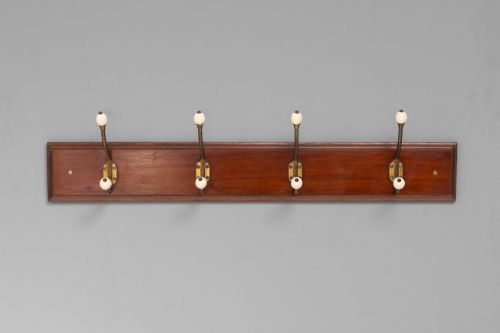
A victorian coat rail is a practical hall furnishing designed to hold coats, hats and cloaks in domestic entryways and reception rooms. These pieces appear as wall-mounted boards fitted with robust metal hooks or as standing hall tree furniture.
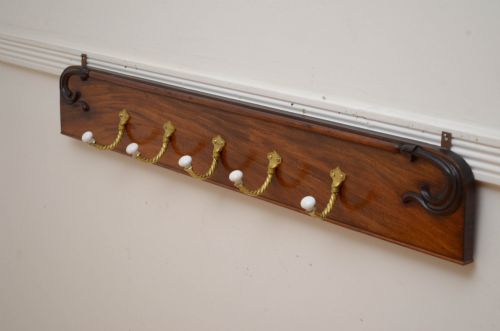
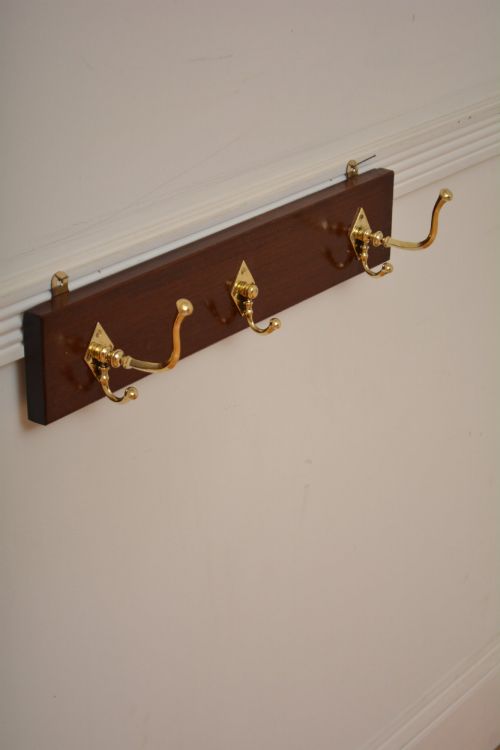
The versions most commonly met on this page span the nineteenth century, including pieces from the eighteen seventies, eighties and nineties. They combine timber backboards with cast brass, ceramic or iron hooks.
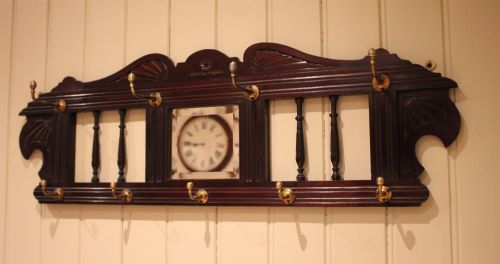
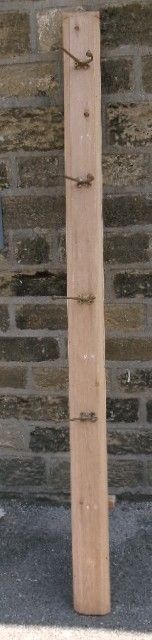
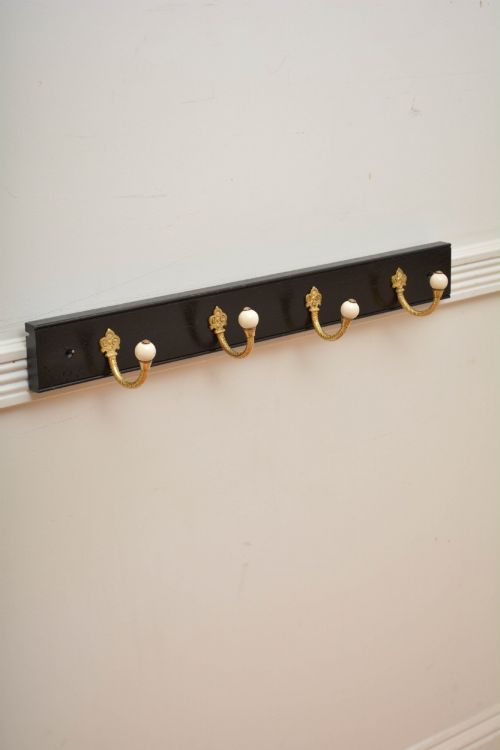
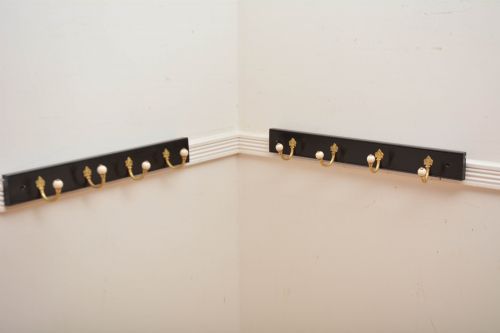
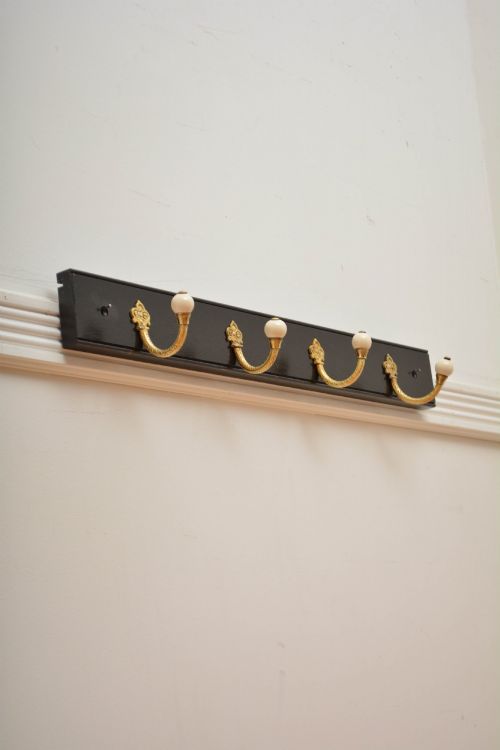
Origin variations include English and French examples, ranging from simple pine or mahogany boards to ebonised wood and decorative aesthetic movement designs. Each piece reflects the functional requirements of nineteenth century cloakrooms.
How they were made
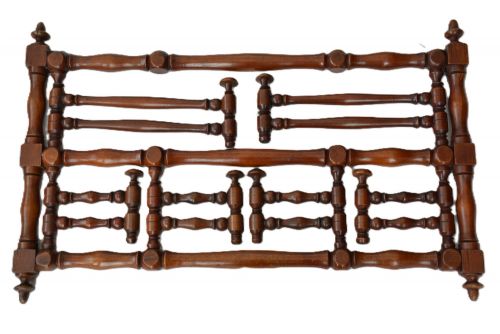
Makers constructed the backboards from timber such as mahogany, pine and ebonised wood, shaping them to be mounted securely to hallway walls. These backboards often feature turned edges or shaped mounting plates.
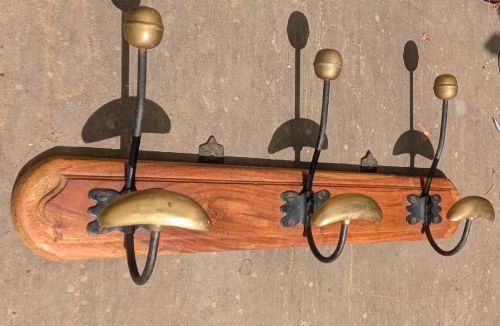
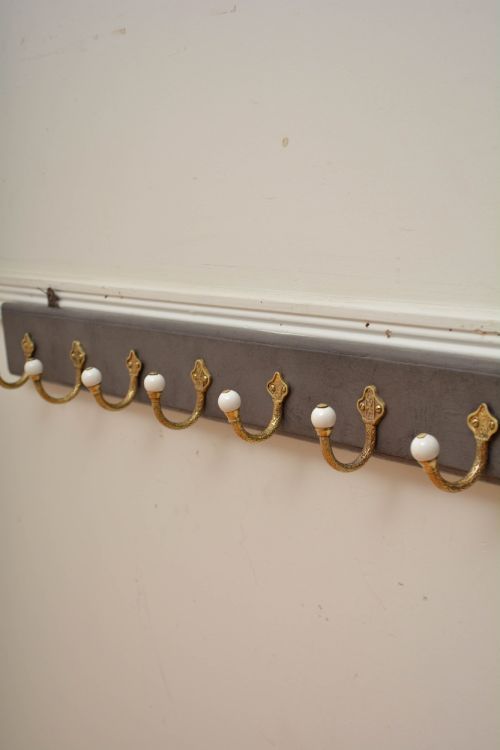
The hooks themselves utilise cast brass and iron, frequently paired with ceramic or glass elements for grip and visual contrast. Metalwork was cast with detailed mounting plates and screwed directly into the timber backing.
Some rails feature ceramic button details on the hooks, giving callers a polite place to hang delicate silk bonnets.
What varies in quality
Quality rests in the substance of the materials and the casting of the hardware, where thick brass mounts and substantial timber demonstrate greater durability. Lighter pieces rely on simpler pine boards and plain iron hooks.
The integration of decorative details, such as ceramic inserts, twisted rope woodwork or ebonised finishes, elevates the character of the piece. Superior examples show careful attention to the casting of mounting plates and the seating of each hook.
The Victorian Coat Rail Glossary
- Backboard
- The timber plank or mounting strip that supports the individual coat hooks and secures the rail to the wall.
- Hall tree
- A standing piece of hall furniture that combines coat hooks, a hat rack and sometimes umbrella storage or a mirror.
- Ebonised wood
- Timber treated with a dark stain or finish to imitate the appearance of dense ebony wood.
- Aesthetic movement
- A nineteenth century design style prioritising visual beauty and artistic expression over strict historical revival.
- Portmanteau
- A term used for French wall-mounted or standing luggage and coat storage fixtures.
Victorian Coat Rail: Frequently Asked Questions
How were these wall racks fixed?
These rails were screwed directly through pre-bored holes in the timber backboard into wall studs or masonry.
Buyers should ensure appropriate wall fixings are used to support the combined weight of the timber and heavy winter coats.
Can I hang heavy coats safely?
Most of these nineteenth century rails feature robust brass or iron hooks secured to solid wood backboards designed for heavy garments.
Checking the strength of the wall mounting is more critical than the capacity of the hooks themselves.
Where were they placed originally?
They hung in entrance halls, cloakrooms and reception rooms to receive hats, heavy coats and cloaks upon arrival.
Today they serve the same practical purpose in modern hallways and utility rooms.
How do I date a piece?
Dating relies on timber choices like mahogany or pine, alongside the style of the brass casting and ceramic elements.
Listings provide period attributions ranging across the nineteenth century based on these physical characteristics.