
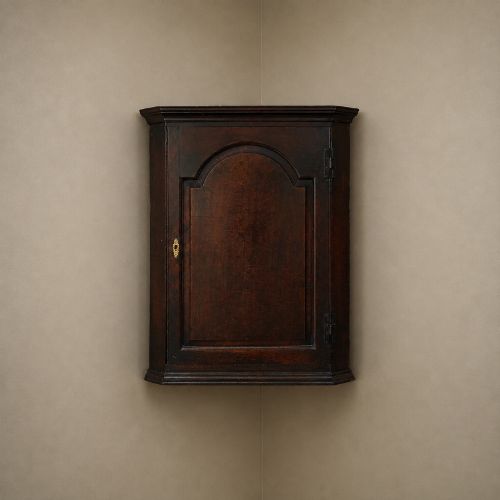
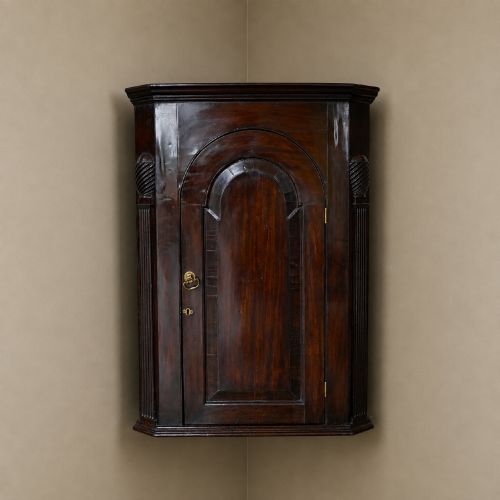
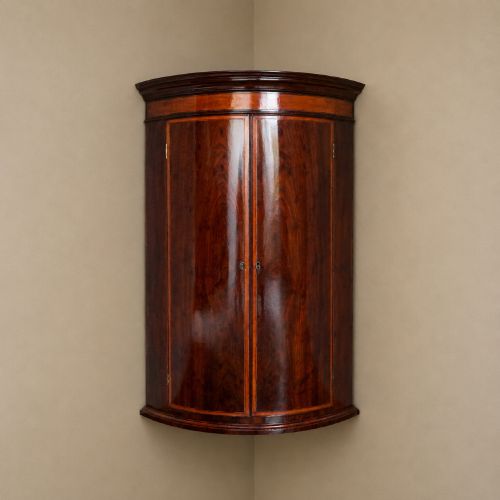
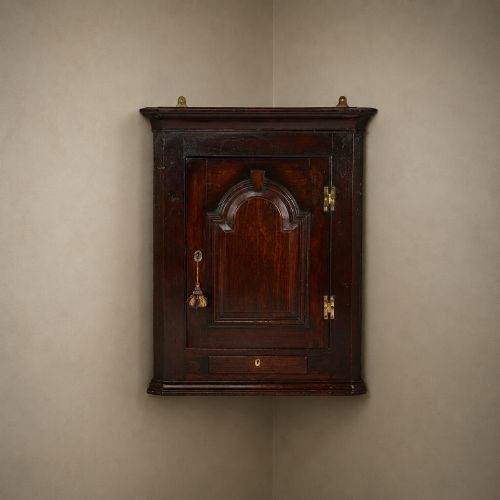
Wall Hanging Corner Cupboard
A wall hanging corner cupboard uses dead space to store tableware or spirits while bringing period timber into a room.
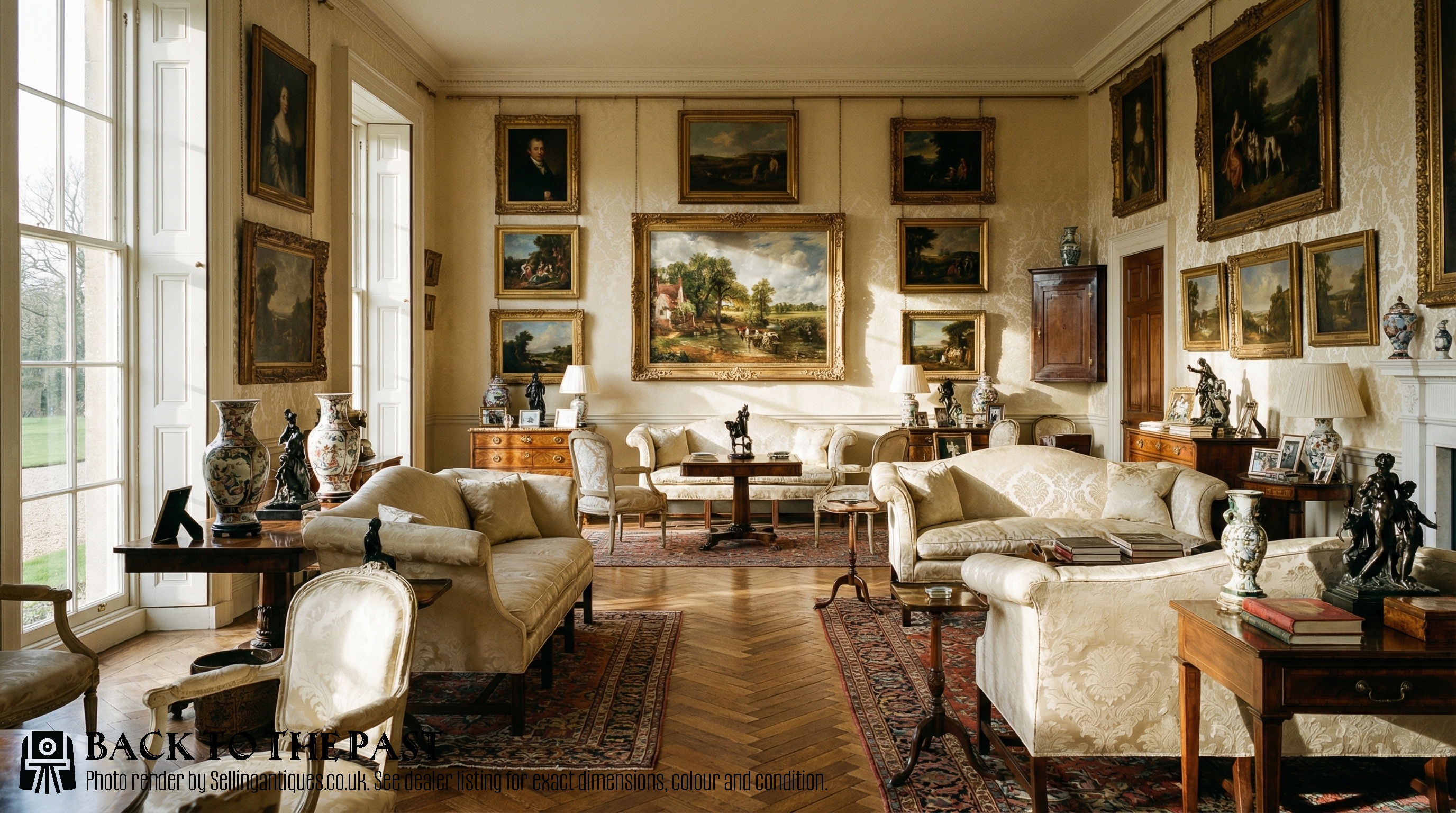
Wall Hanging Corner Cupboard
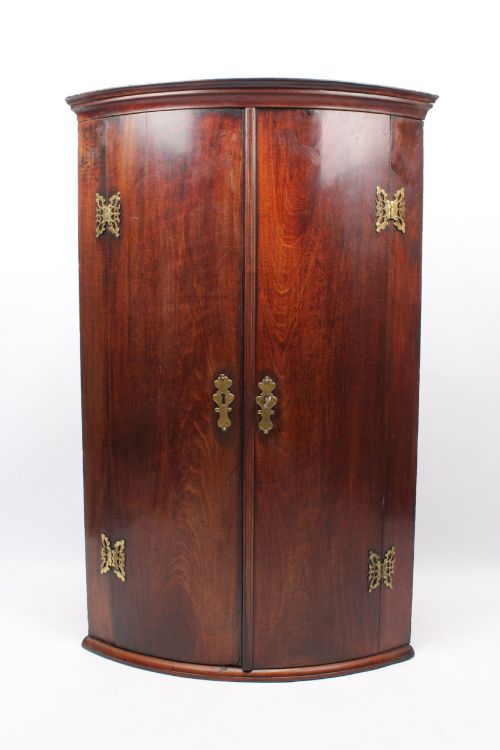
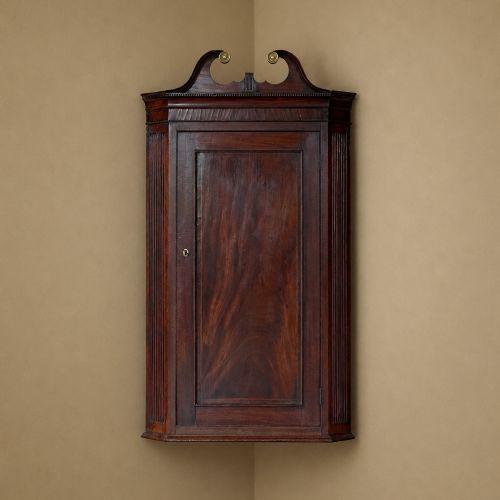
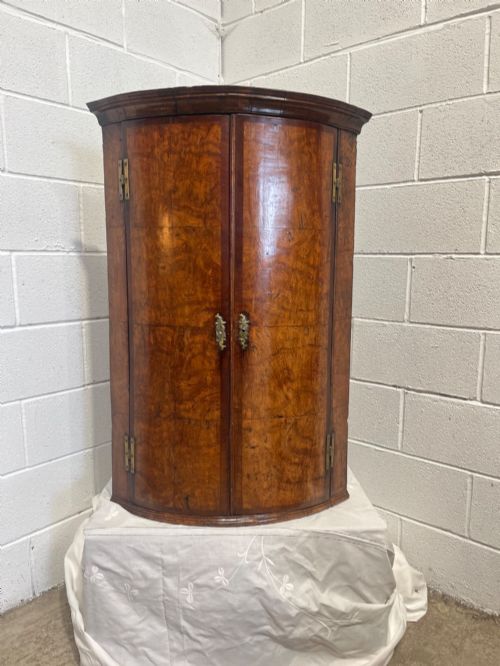
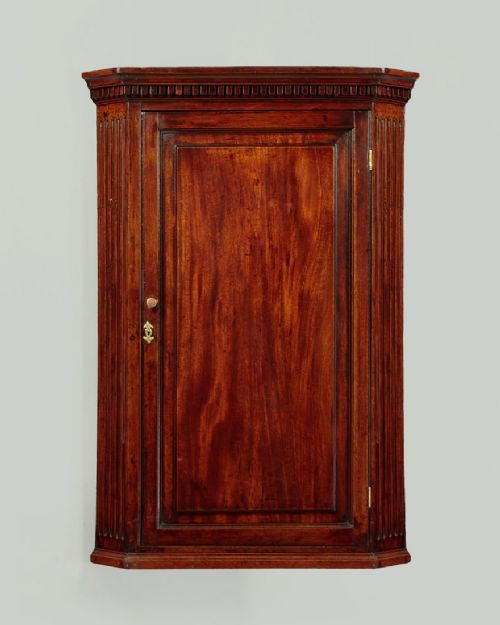
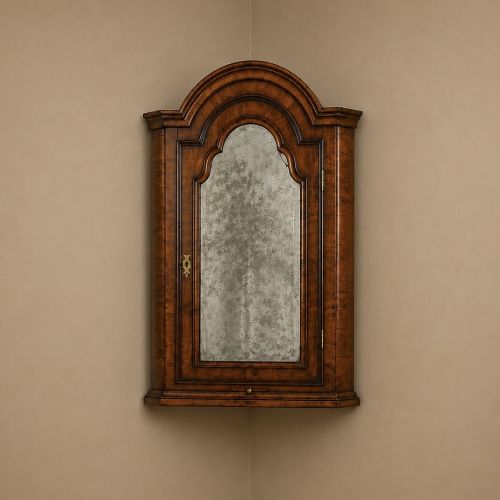
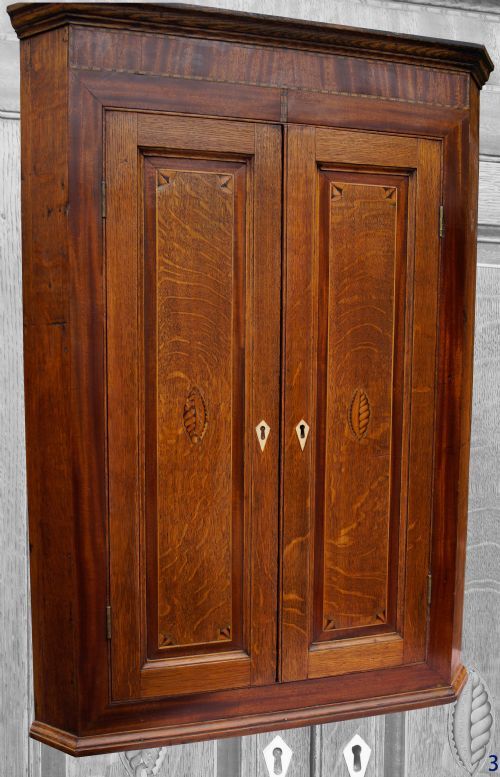
When searching for a wall hanging corner cupboard, buyers encounter compact storage units designed to mount tightly into room angles. The most frequent versions met here belong to the Georgian and 18th century periods, often framed in native oak or rich mahogany. These pieces served domestic interiors by keeping corners functional while displaying ceramics or holding bottles.
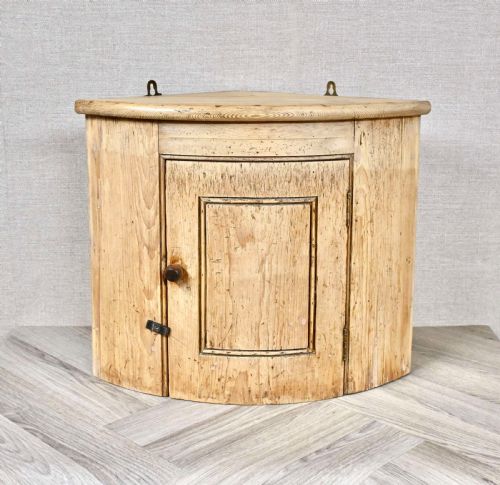
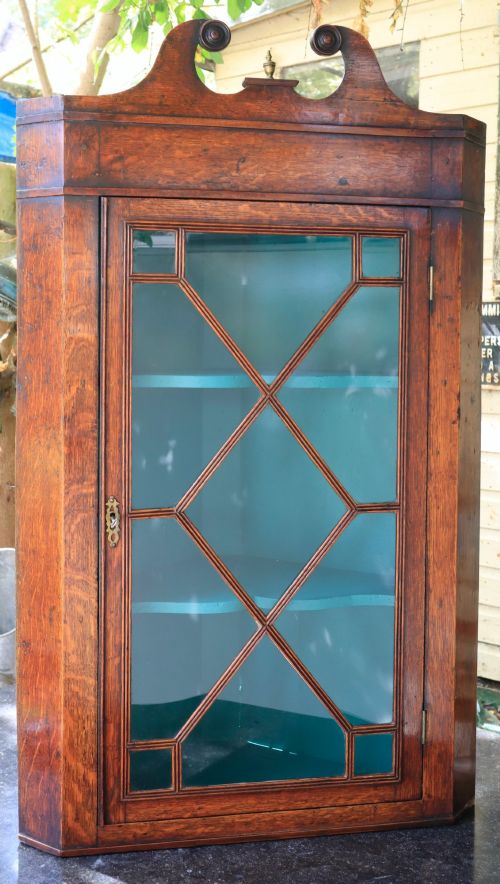
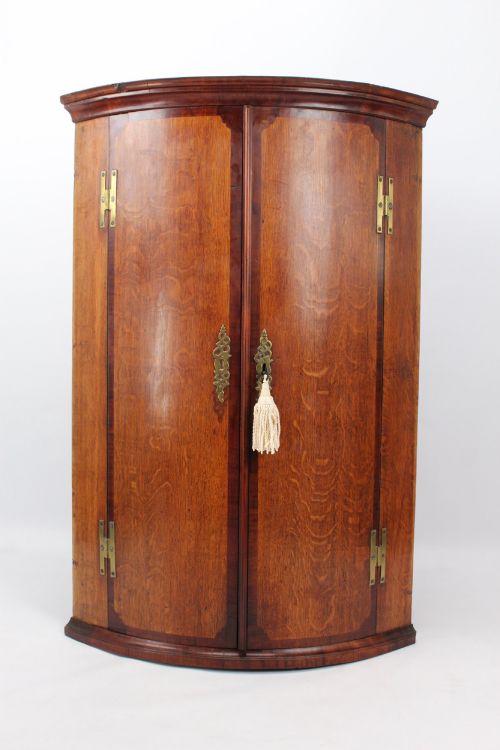
Forms vary from simple flat fronted pine boxes to elaborate bow front cabinets with inlaid veneers or glazed doors. Pieces emerge from diverse historical phases, stretching through Victorian and Edwardian revivals up to mid century interpretations. The overriding purpose remains space saving display and secure enclosed storage.
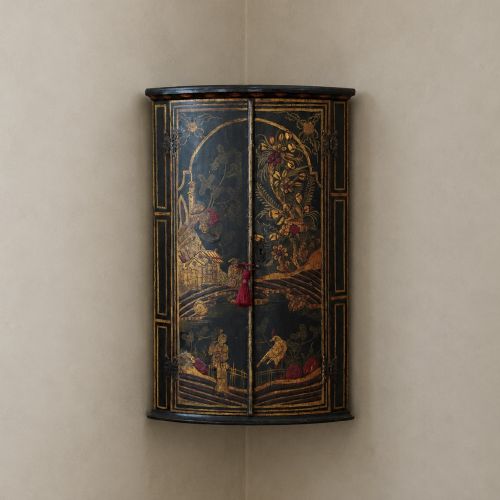
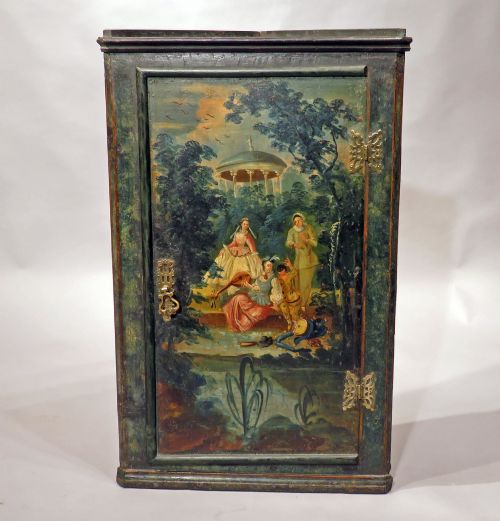
Originating primarily as utilitarian household fixtures, these cabinets evolved through various stylistic lenses including Chinoiserie lacquer and Arts and Crafts plainness. Buyers often select them to anchor awkwardly shaped dining rooms or hallways where floor standing furniture fails to fit. Their persistent utility stems from this clever adaptation to domestic architecture.
How they were made
Cabinet makers relied heavily on solid timbers like oak, mahogany, and walnut, frequently pairing them with secondary pine carcases. Construction often involved pegged mortise and tenon joints for structural stability, whilst doors featured shaped panels or brass H hinges. Finer examples integrated curved bow fronts requiring steam bent wood or segmented framing.
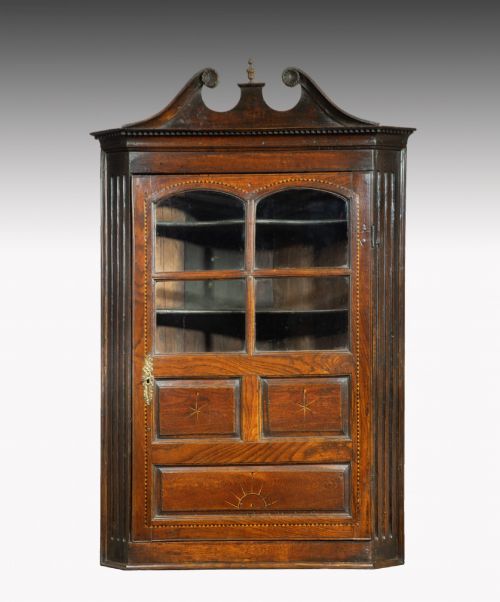
Surface decoration distinguished standard domestic cupboards from high status works, utilising cross banding, string inlay, or black lacquer with Chinoiserie gilt motifs. Glass doors on later pieces utilised astragal glazing bars to hold individual panes securely in position. Interior treatments ranged from simple painted finishes to shaped shelves designed for display.
Secret internal drawers tucked inside these cupboards often still contain the ghosts of long lost tavern receipts.
What varies in quality
Quality rests significantly on the choice of timber figure, such as flame mahogany or burr oak, which elevates a utilitarian box into an expressive focal point. Superior examples display meticulous attention to proportion, harmonising the cornice, door panels, and brass escutcheons without heavy handed restoration. The integrity of the original hinges, locks, and keys further separates high grade specimens from heavily altered pieces.
Construction methods also dictate standard, where hand cut dovetails and neatly fitted internal spice drawers reveal superior workshop practice. Painted and japanned surfaces require careful preservation of the original ground layers to retain historical value and visual depth. Ultimately, the successful integration of timber grain and structural restraint defines the upper tier of these cabinets.
The Wall Hanging Corner Cupboard Glossary
- Bow front
- A convex curved front profile that projects outward from the corner walls. This shape softens the angular geometry of the room.
- Astragal glazing
- Wooden bars dividing a glass door into smaller panes. They add delicate geometric detail to display cabinets.
- Japanned
- European decorative imitation of East Asian lacquer work, using raised metallic motifs on a dark ground. It brings an exotic sheen to period interiors.
- Cross banded
- A border of veneer laid with the grain running perpendicular to the surrounding wood. This technique creates a neat framing effect on door edges.
- Escutcheon
- A protective plate surrounding a keyhole, usually cast in brass. It prevents the timber from wearing around the lock.
Wall Hanging Corner Cupboard: Frequently Asked Questions
How were corner cupboards used historically?
These cabinets primarily housed prized ceramics, glassware, or bottled spirits away from household dust and accidental breakage. Their elevated mounting kept contents secure and out of the reach of children.
In dining rooms and parlours, they functioned as practical storage stations that made efficient use of unutilised room angles. This kept everyday dining implements close at hand while preserving valuable floor space.
Can these cupboards support heavy items?
Historic wall mounted cabinets were built to hold porcelain, glassware, and liquor bottles using sturdy internal shelving fixed securely into the carcase. The limiting factor is rarely the cabinet itself but rather the strength of the wall fixings used during installation.
Modern hanging requires appropriate fixings suited to the specific wall type to safely bear the combined weight of solid timber and stored contents. Distributing weight evenly across the fixed shelves ensures long term structural stability.
How do I date a wooden corner cupboard?
Dating relies on observing timber choices, construction techniques, and decorative styles aligned with documented historical periods. For instance, early pieces often feature heavy oak frames and simple fielded panels, whereas Georgian examples frequently showcase flame mahogany and delicate inlay.
Secondary woods inside the carcase and the style of hinges or lock mechanisms provide further chronological clues. Examining tool marks and timber shrinkage patterns helps confirm the approximate era of manufacture.
Are painted finishes period accurate?
Painted and japanned surfaces appear frequently on authentic 18th century examples, particularly those finished with Chinoiserie decoration or simple coloured interiors. Many pine and oak cupboards received decorative paint schemes to suit fashionable domestic interiors of the time.
Distinguishing between original historic paint and later overpainting requires careful inspection of surface crazing and wear patterns. Original painted interiors often retain soft patination accumulated over centuries of domestic use.