




Wall Hanging Barometer
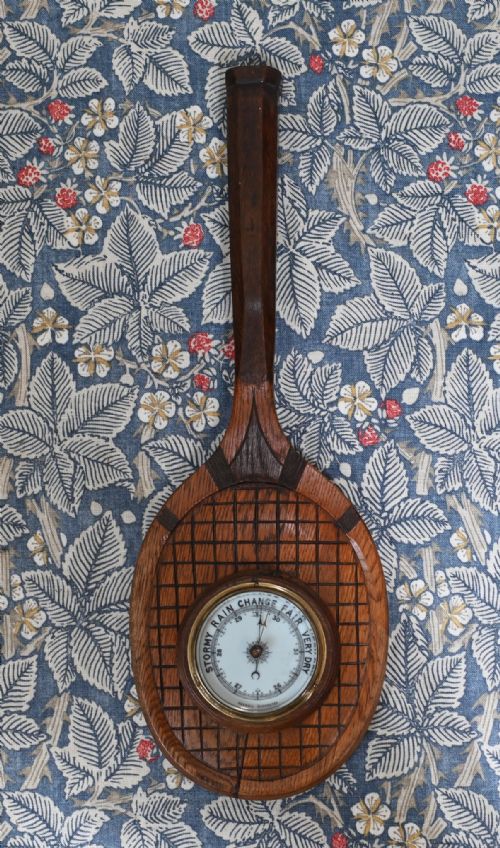
A wall hanging barometer is a practical instrument for measuring atmospheric pressure, housed in timber cases from the Georgian, Victorian, and Edwardian eras.
Wall Hanging Barometer
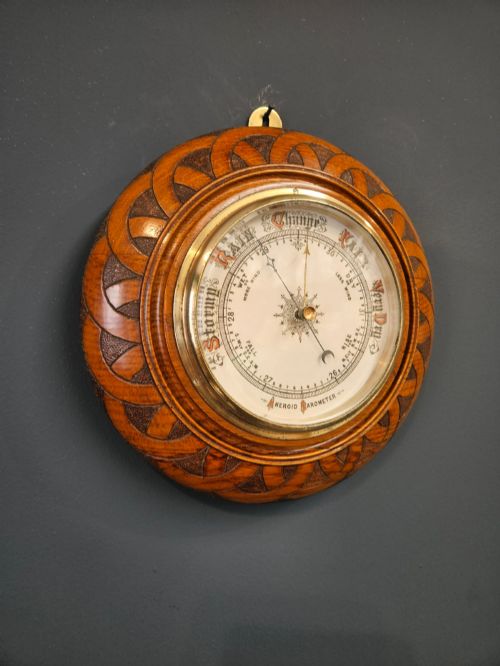
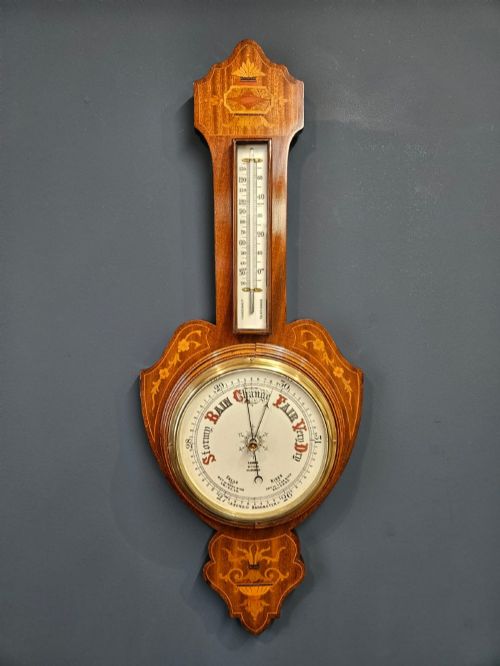
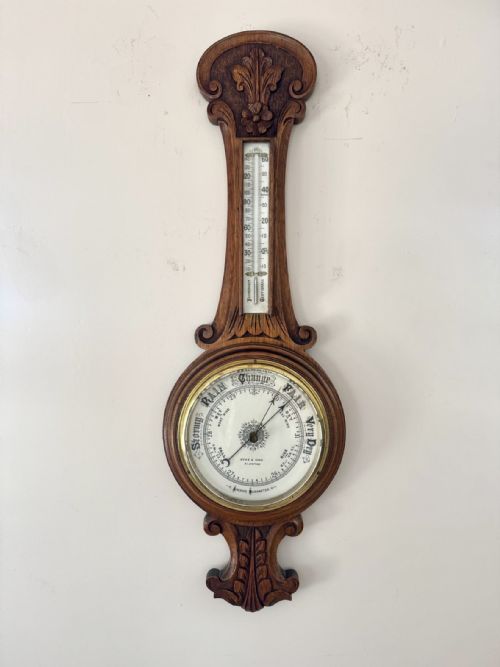
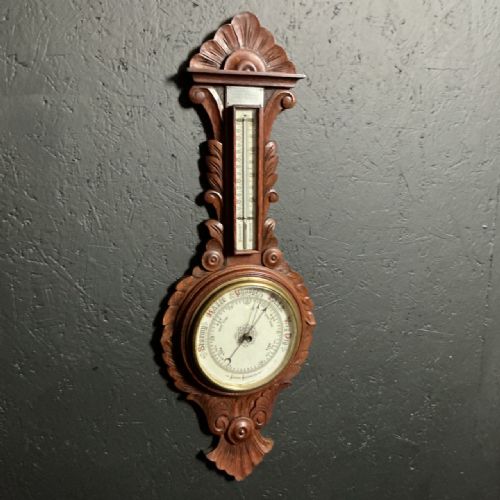
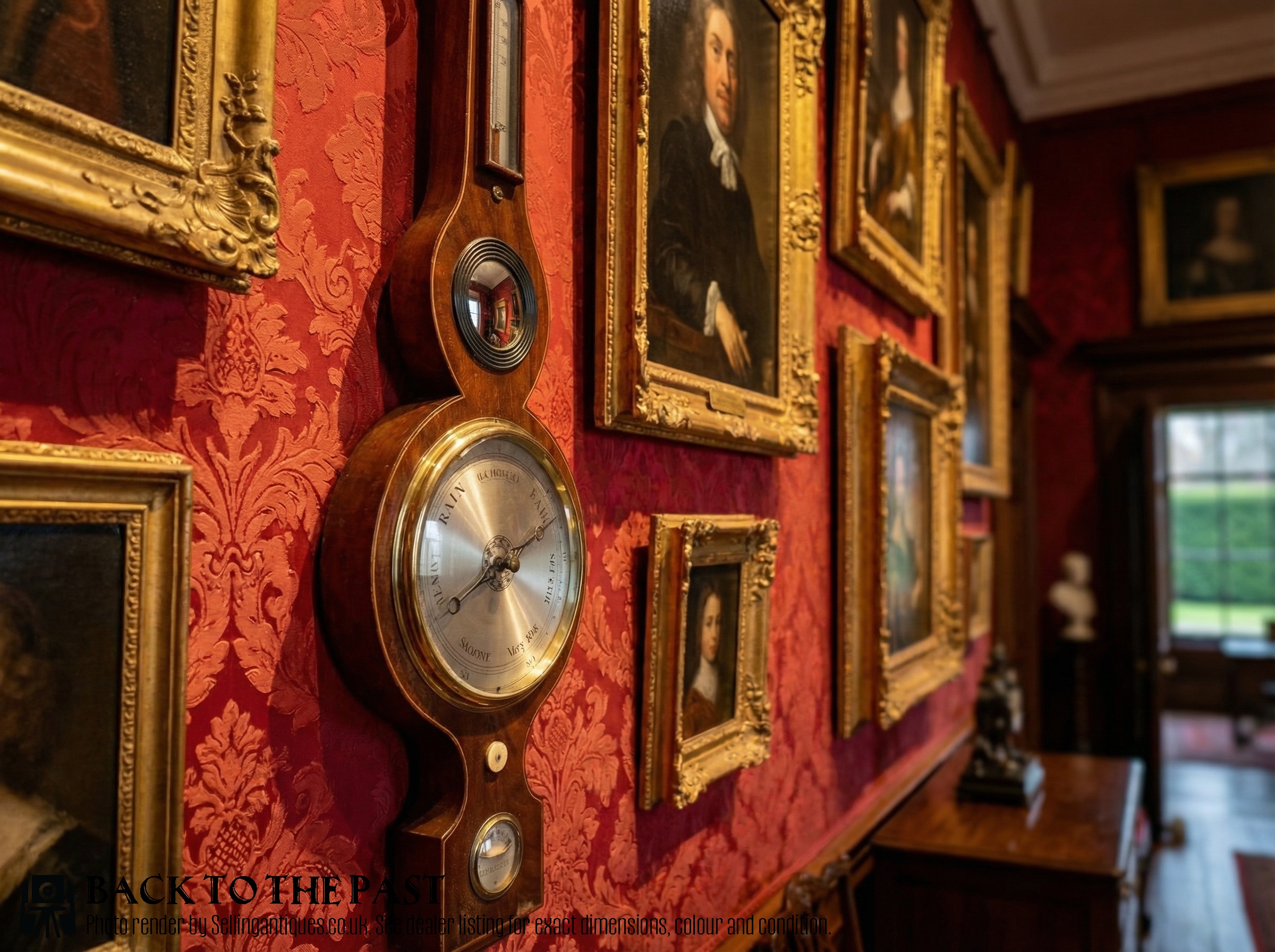
When you search for a wall hanging barometer, you encounter domestic weather instruments designed to hang in hallways and reception rooms. The selection ranges from slender Georgian stick barometers to curvaceous Victorian and Edwardian banjo formats.
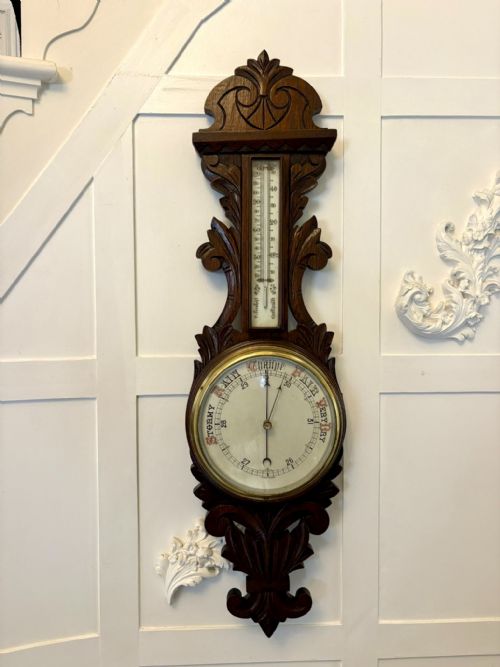
You are most likely to meet carved oak and polished mahogany banjo barometers carrying aneroid dials or mercury tubes. These pieces combine utilitarian function with cabinet-maker artistry from the nineteenth century onwards.
The materials and mechanisms vary according to the decade of manufacture, shifting from tall wooden trunks enclosing mercury columns to compact, dial-based instruments decorated with foliage and inlay.

How they were made
Cabinet makers utilised dense hardwoods such as mahogany, oak, walnut, and rosewood to house fragile internal movements and glass tubes. These timbers were often turned, carved with botanical motifs, or inlaid with lighter woods and mother-of-pearl.
Internal mechanisms relied on sensitive aneroid capsules or glass mercury columns backed by silvered metal scales. Makers mounted thermometers onto the wooden backplates alongside the main dial to record ambient temperature.
Wall Hanging Barometer Retail Price Guide 2026
Typical asking prices for wall hanging barometer among the pieces listed under this phrase on Sellingantiques today, from the lower quarter to the upper quarter. They describe what is for sale here now, not the wider market.
One extraordinary shop display barometer kept watch over a weatherproof clothing firm.
What varies in quality
The distinction between ordinary and superior pieces rests on the crispness of the timber carving and the reputation of the maker inscribed on the silvered dial. Workshop signatures from London and regional centres indicate higher standards of calibration and cabinetry.
Proportion and the retention of original glass and bezels dictate desirability. Instruments retaining their mercury columns intact or featuring elaborate Black Forest carved frames demonstrate greater craftsmanship.
Hyde & Sons Sleaford·JB Bergna Newcastle·Maple & Co·James Pitkin London·Aitchison for Zambrene·Negretti & Zambra·George Dollond of London
The Wall Hanging Barometer Glossary
- Aneroid barometer
- An instrument that measures atmospheric pressure using a flexible metal box without employing liquid mercury. It expands and contracts with pressure changes to move a pointer across a dial.
- Stick barometer
- A tall, slender instrument containing a vertical glass tube filled with mercury. This traditional format allows direct observation of barometric height.
- Banjo barometer
- A domestic weather glass housed in a case shaped like a banjo, featuring a circular dial at the top and a larger bulbous base. They often incorporate thermometers and hygrometers.
- Silvered metal
- A brass or copper dial plate treated to achieve a silvery finish, usually engraved with weather descriptors and graduations. The numbers and lettering are typically filled with black wax for legibility.
Wall Hanging Barometer: Frequently Asked Questions
How do I read a stick barometer?
A stick barometer displays atmospheric pressure through the height of a mercury column within a vertical glass tube. You observe the top of the mercury against a graduated scale to determine whether pressure is rising or falling.
Changes in the height indicate coming weather shifts, where higher readings suggest settled conditions and falling levels point towards rain.
Where should I hang a barometer?
Select an interior wall away from direct sunlight, radiators, and heavy draughts. Rapid temperature fluctuations can interfere with the internal calibration of both mercury and aneroid mechanisms.
Hallways and studies provide stable environments where the instrument remains safe from accidental knocks while staying easily readable.
Are aneroid barometers accurate?
Aneroid barometers offer reliable domestic readings when properly calibrated against local meteorological reports. They rely on internal metal bellows rather than columns of liquid.
While they provide useful daily weather indications, older instruments may require professional adjustment via the screw on the backplate to match current barometric pressure.