






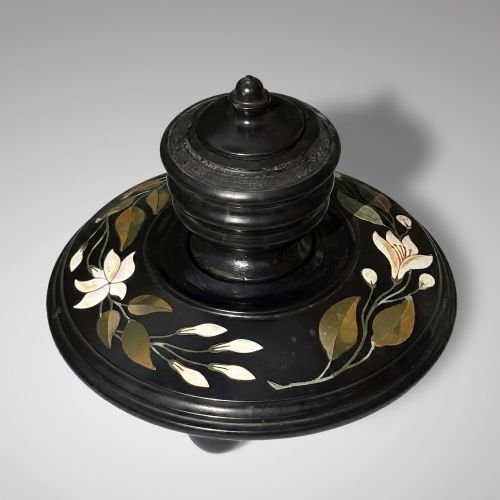


Vintage Writing Desk Set
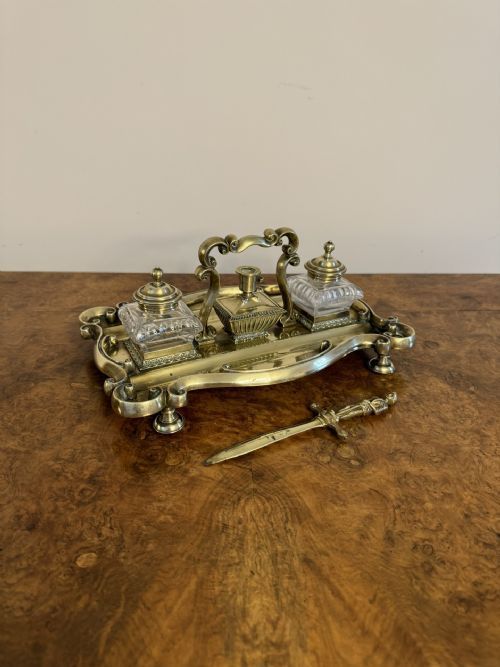
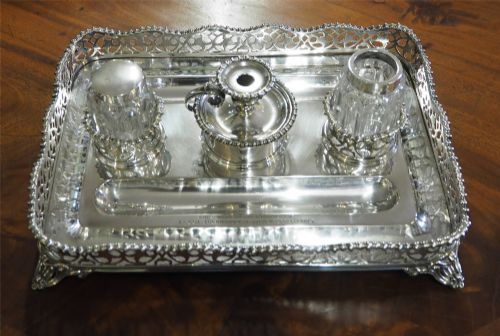
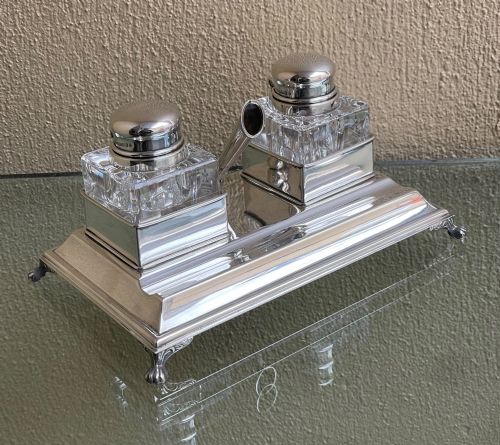
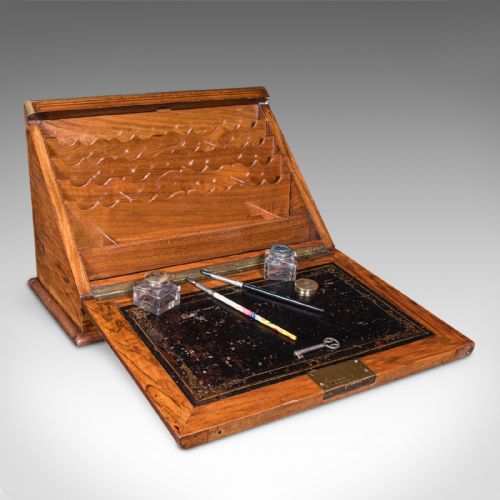
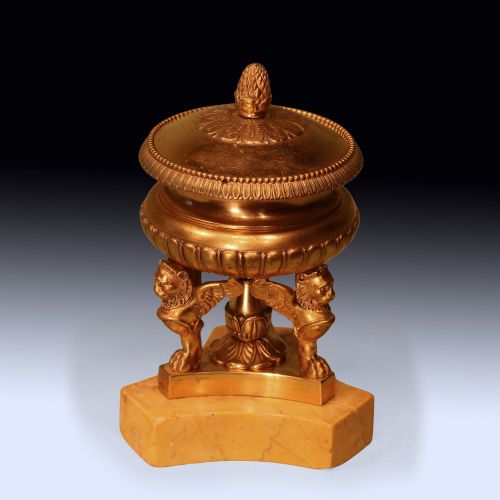
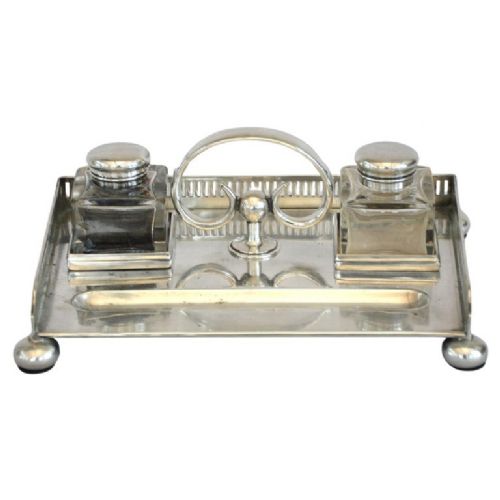
A vintage writing desk set organises correspondence with inkstands, cut glass wells, and pen trays gathered on timber, marble, or metal bases.
Vintage Writing Desk Set
A vintage writing desk set gathers inkwells, stamp boxes, and pen rests onto a unified tray or stand designed for correspondence. These pieces emerge primarily from the nineteenth and early twentieth centuries, spanning Victorian, Edwardian, Art Nouveau, and Art Deco periods.
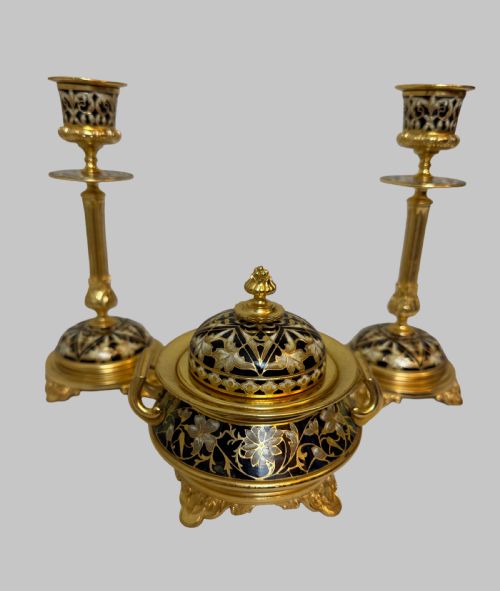
The configurations range from simple wooden desk tidies with integrated drawers to ornate double inkstands outfitted with cut glass bottles and matching candlesticks. Materials include brass, walnut, silver plate, and marble, originating from English workshops, French foundries, and Dutch potteries.
Materials and Construction
Metalwork forms the backbone of these pieces, utilising cast brass, gilt bronze, silver plate, and sterling silver for frames, mounts, and hinged lids. These elements combine with turned hardwoods like walnut, coromandel, and mahogany, or carved stone bases such as marble and onyx.
Vintage Writing Desk Set Retail Price Guide 2026
Typical asking prices for vintage writing desk set among the pieces listed under this phrase on Sellingantiques today, from the lower quarter to the upper quarter. They describe what is for sale here now, not the wider market.
Standards of Execution
The caliber of a vintage writing desk set rests on the weight of its materials and the precision of its assembly. Heavier metal castings, thick cut glass bottles with polished pontils, and dense timber bases indicate superior workshop standards.
Decorative detail dictates the upper tiers, seen in crisp champlevé enamel work, finely chased ormolu mounts, and hand-painted porcelain panels. Complete sets retain their original matching ink inserts, fitted velvet trays, and working locks on integrated stationery compartments.
Elkington·Walker And Hall·Marson And Jones·James Cartland And Sons·Minton·Meissen
The Vintage Writing Desk Set Glossary
- Inkstand
- A portable stand or tray holding one or more inkwells and frequently incorporating pen grooves or sanders. These pieces served as the central writing apparatus on a nineteenth-century desk.
- Vesta case
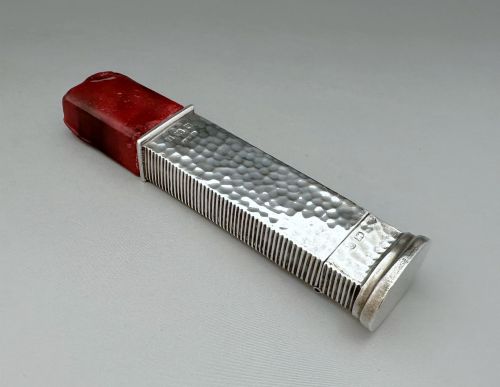
- A small match-safe, often integrated into desk sets or travelling stationery boxes, designed to hold safety matches. They typically feature hinged spring lids and textured panels for striking.
- Champlevé
- An enamelling technique where troughs or cells are hollowed out of a metal surface and filled with vitreous enamel powder before firing. This method creates colourful, patterned designs on brass and bronze desk frames.
- Ormolu
- Gilt bronze produced by applying a finely ground high-carat gold-mercury amalgam to a cast bronze object. The piece is then heated to vaporise the mercury, leaving a durable golden finish.
- Faience
- Tin-glazed earthenware, often associated with Dutch Delft production found in regional desk accessories. The white opaque glaze provides a smooth ground for hand-painted blue pigments.
Vintage Writing Desk Set: Frequently Asked Questions
What items belong in a complete vintage writing desk set?
A complete set typically centres on a heavy tray or stand holding one or two glass inkwells with matching lids. Additional fitted compartments often accommodate pens, sealing wax, vesta cases, and blotting paper.
Many examples also incorporate stationary racks, small drawers, or matching candlesticks to aid writing by evening light.
How do I clean tarnished brass and silver on a desk set?
Brass components benefit from gentle wiping with a soft, dry cloth to remove dust without disturbing patination. Silver-plated or sterling elements require a mild silver polish applied sparingly to avoid wearing through thin plating.
Glass ink inserts should be removed from their metal mounts entirely before washing in warm soapy water to protect surrounding wood or stone bases.
Are vintage inkwells still practical for daily use?
These inkwells function adequately for dip pens and fountain pens when fitted with intact glass inserts and properly sealed lids. Collectors often inspect the interior necks for chips that might compromise the seal against air and dust.
For regular writing, modern ink can be poured directly into the antique glass reservoirs without altering the outer stand.
How can I distinguish Victorian sets from Edwardian pieces?
Victorian desk sets tend toward heavier, more ornate designs featuring substantial brass castings, dark woods like walnut, and elaborate floral or classical motifs. Edwardian pieces often display lighter proportions, cleaner lines, and influences from Art Nouveau styles.
Assaying hallmarks on silver mounts or registration numbers stamped onto the metal frames provide precise manufacturing dates for many pieces.