






Antique Desk Standish
An antique desk standish is a fitted desktop tray for writing implements, prized for organising ink and quills with period elegance.
Antique Desk Standish
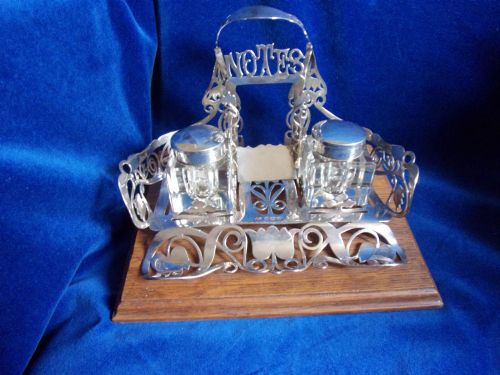
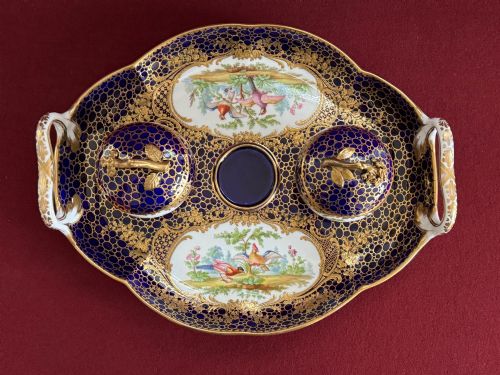
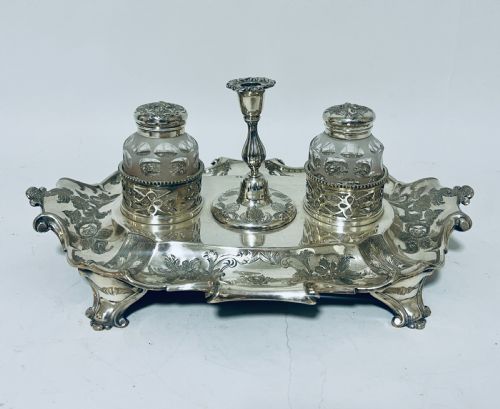
An antique desk standish is a dedicated desktop accessory designed to hold inkwells, pens and writing supplies within an organised tray. These pieces combine practicality with decorative flair, often incorporating compartments for stamps, wafers or sealing wax.
On this page, the pieces you encounter span the eighteenth century through the Edwardian era, reflecting Georgian restraint and Victorian elaboration. Forms range from simple brass trays to substantial coromandel-wood boxes fitted with glass or silver-plated inkwells.
Many examples draw on revivalist aesthetics, including Egyptian Revival and Rococo Revival designs executed in brass, silver plate and ormolu. They serve as functional history, offering a tangible connection to nineteenth-century and earlier correspondence habits.
How they were made
Makers utilised durable hardwoods such as oak and exotic coromandel-wood as foundations for substantial desk stands, often mounting them with cast brass or ormolu handles and galleries. These wooden bodies provided stable platforms for heavy glass inkwells.
Metalworking techniques involved casting, plating and silver-plating over base metals, alongside fine cutting and polishing of glass inkwells. Details were frequently chased or engraved by hand to achieve decorative depth.
Antique Desk Standish Retail Price Guide 2026
Typical asking prices for desk standish among the pieces listed under this phrase on Sellingantiques today, from the lower quarter to the upper quarter. They describe what is for sale here now, not the wider market.
A good standish often includes a tiny sand shaker, reminding us that writers once blotted ink with grit instead of blotting paper.
What varies in quality
Quality rests in the precision of the casting and the integration of fitted components, where superior examples maintain tight tolerances between the tray and its inkwells. Heavier gauges of metal and richer timber grains elevate a piece above utilitarian output.
The presence of fully hallmarked silver elements or branded maker signatures indicates higher workshop standards and superior material investment. Elaborate decorative programmes, such as Egyptian Revival motifs or intricate tortoiseshell inlay, demonstrate greater artisan labour.
Wilkinson and Co·Elkington
The Antique Desk Standish Glossary
- Standish
- A portable desk accessory or tray designed to hold inkwells, pens and related writing implements. It typically includes receptacles for ink and sand.
- Coromandel wood
- A dense, heavily figured dark timber from Southeast Asia featuring contrasting dark brown and yellowish stripes. It was favoured by nineteenth-century cabinet makers for luxury desk accessories.
- Ormolu
- Gilded bronze produced by applying a mixture of mercury and gold to a bronze object and heating it. This technique creates a durable golden finish seen on decorative mounts.
- Silver plate
- A thin layer of silver fused or electroplated onto a base metal such as copper or brass. It provided the appearance of solid silver at a lower production cost.
Antique Desk Standish: Frequently Asked Questions
What is a standish?
A standish is a traditional desk accessory designed to hold inkwells, pens and writing powders or sand. It keeps all necessary writing implements together on a desk or table.
These pieces range from simple metal trays to elaborate wooden boxes with multiple compartments and glass containers.
How were inkwells used?
Inkwells held liquid ink for dip pens and quill writing before the invention of the fountain pen. Users dipped their nibs directly into the glass or metal reservoir contained within the standish.
Many sets also included a shaker for sand or pounce, which was sprinkled over wet ink to speed up drying.
How do I date an antique desk standish?
Dating relies on stylistic clues, materials and any accompanying silver hallmarks or maker marks. Georgian pieces often display restrained lines, while Victorian examples embrace revival styles like Rococo or Egyptian Revival.
Woods such as coromandel and metals like silver plate also help narrow the period of manufacture based on prevailing production eras.
How do I care for a wooden standish?
Wooden and metal standishes require placement away from direct sunlight and steady humidity to protect timber and gilt surfaces. Gentle dusting with a dry, soft cloth preserves the finish without harming delicate brass mounts.
Glass inkwells can be removed and washed carefully with mild soap and water when necessary.