
Vintage Writing Bureau Cabinet
A vintage writing bureau cabinet brings together a drop-front writing surface and upper bookcase storage, offering practical workspace and display space in a single piece.
Vintage Writing Bureau Cabinet
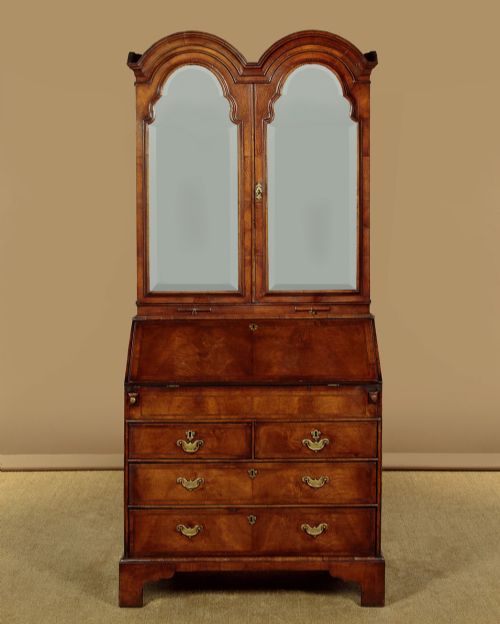
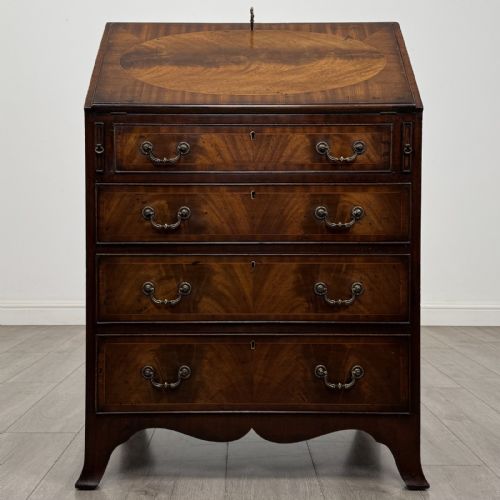
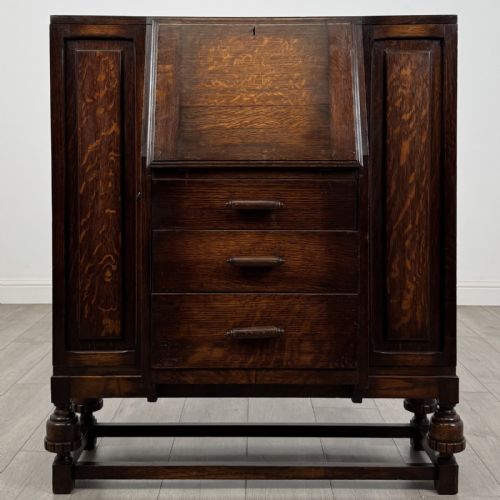
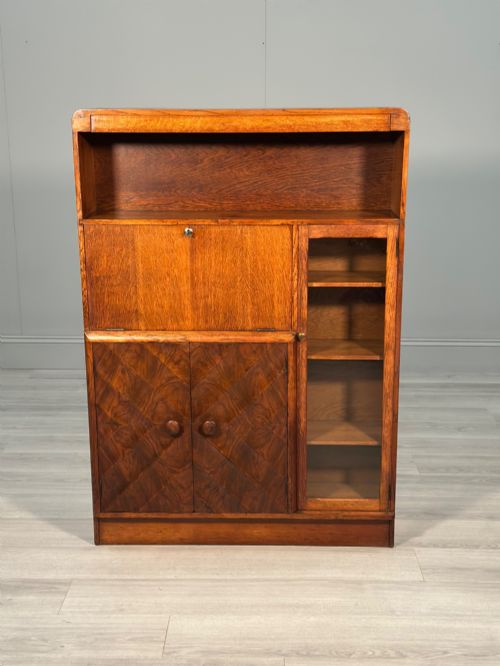
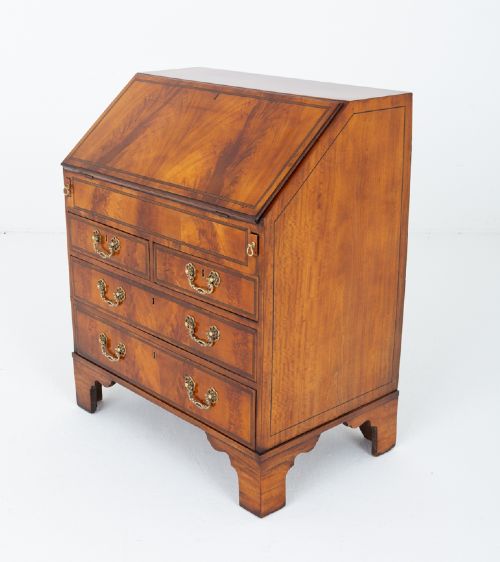
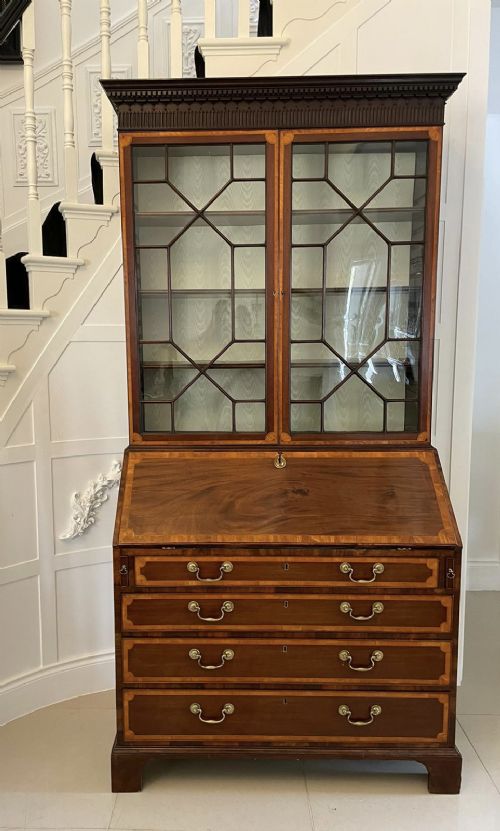
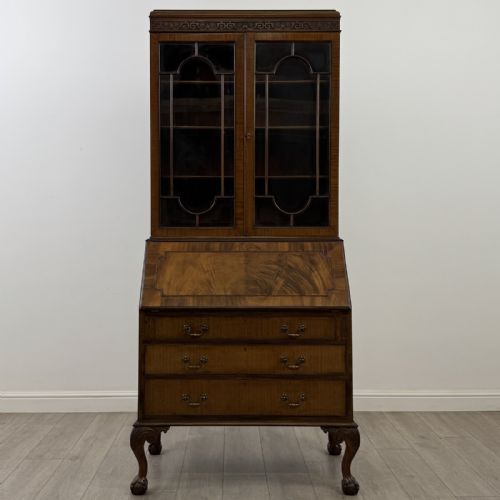
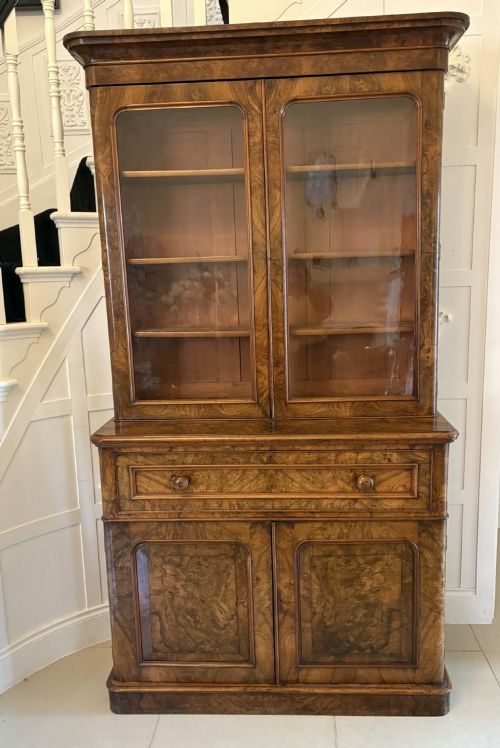
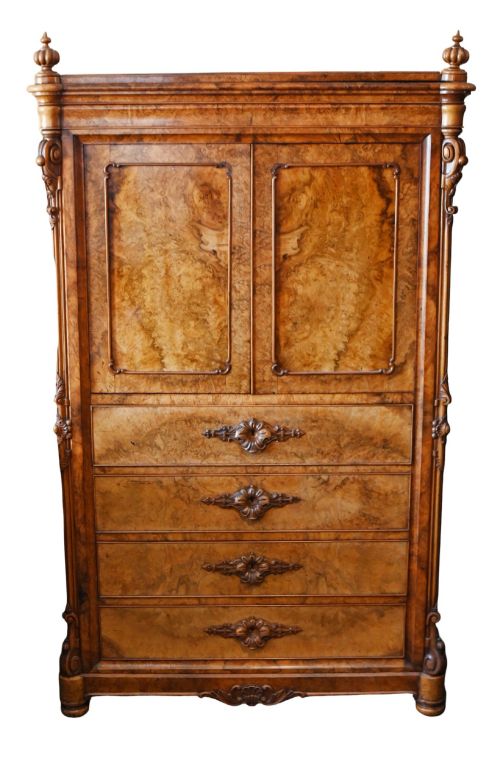
When you search for a vintage writing bureau cabinet, you encounter substantial dual-purpose furniture designed for domestic storage and correspondence. These pieces span centuries of cabinet-making, appearing in heavy oak, figured mahogany, and walnut across Georgian, Victorian, Edwardian, and later twentieth-century eras.
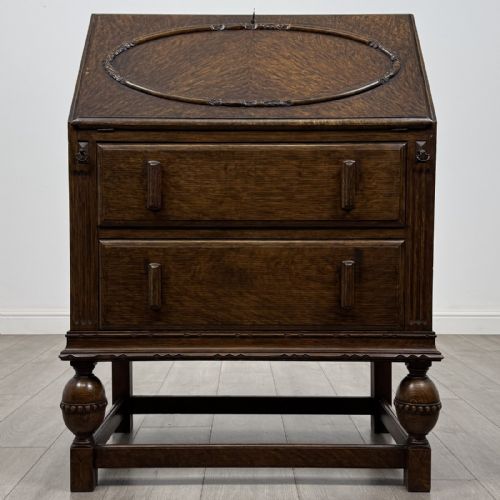
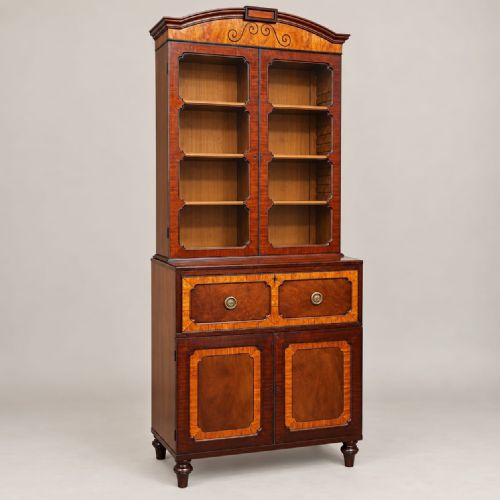
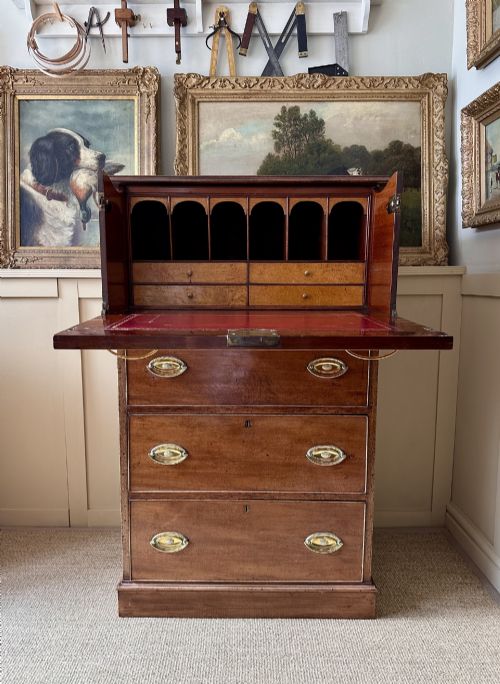
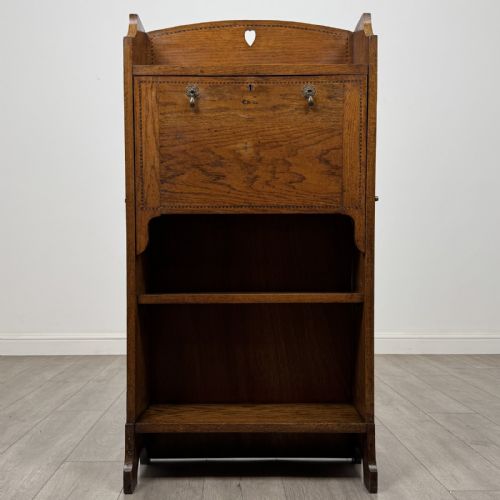
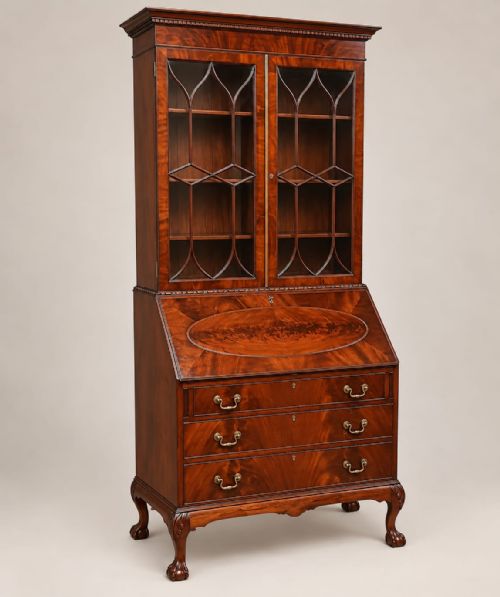
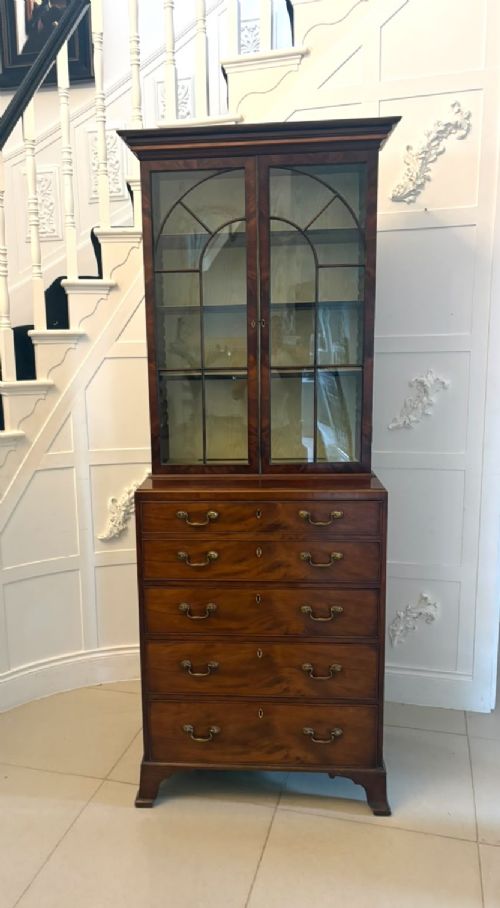
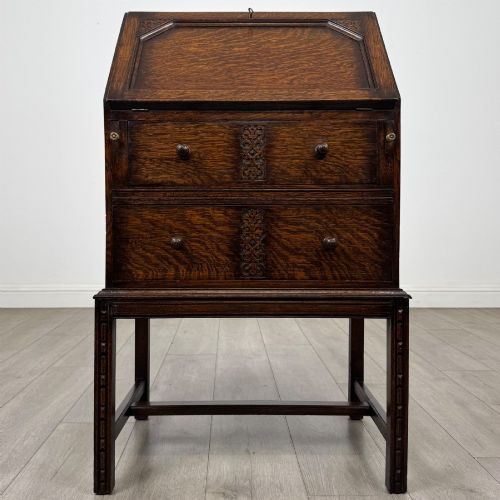
You meet variations ranging from compact Edwardian oak drop-front desks to grand Georgian and Regency secretaire bookcases topped with astragal-glazed doors. The form typically combines a fitted interior of small drawers and pigeonholes with shelving above and enclosed storage below.
The selection includes regional interpretations such as Arts and Crafts oak pieces from the Cotswold school alongside continental examples in satinwood and marquetry. These furniture forms reflect shifting domestic requirements for private writing spaces combined with library storage.
Materials and construction
Cabinet-makers constructed these bureau cabinets using dense timbers including oak, mahogany, and walnut, frequently applying burr walnut or satinwood veneers to prominent surfaces. Drawer linings and interior partitions often utilise secondary timbers like deal or pine, joined with traditional dovetail construction.
Upper bookcase sections incorporate glazed doors framed with timber astragals, while drop-front writing surfaces rely on supportive lopers or hinges to bear downward pressure. Decorative elements include brass handles, inlay, marquetry, and carved linenfold panels depending on the period and stylistic movement.
Listings feature vintage writing bureau cabinets spanning the eighteenth, nineteenth, and twentieth centuries, constructed primarily in oak, mahogany, and walnut.
Craftsmanship and proportion
Quality in a vintage writing bureau cabinet rests on timber selection and the precision of the cabinet-making. Superior pieces display continuous grain matching across drawer fronts, carefully chosen burr veneers, and tight dovetail joints that remain flush through seasonal humidity shifts.
The interior arrangement of the writing desk section reveals the maker's hand through shaped pigeonholes, secret compartments, and finely turned small drawers. Balanced proportions between the lower bureau base and the upper bookcase distinguish finer workshops from standard commercial production.
Edwards and Roberts·Gillows·Arthur Basil Reynolds·Larkin
The Vintage Writing Bureau Cabinet Glossary
- Secretaire
- A cabinet or desk with a disguised drop-front writing drawer that pulls out to reveal fitted compartments and pigeonholes.
- Astragal
- A small moulding profile used to divide panes of glass within the doors of upper bookcase sections.
- Loper
- A pull-out wooden arm or runner that extends from the cabinet frame to support a drop-front writing flap.
- Linenfold
- A carved wood panel motif resembling folded cloth, frequently found on early twentieth-century oak bureau doors.
- Escritoire
- A writing cabinet, often continental in origin, combining a fall-front desk surface with an enclosed upper section.
Vintage Writing Bureau Cabinet: Frequently Asked Questions
How do I use the drop-front desk?
Lower the fall-front flap until it rests horizontally upon the pull-out wooden lopers. This reveals an internal arrangement of small drawers and pigeonholes designed for stationery and correspondence.
Ensure the brass hinges and support arms bear the weight correctly before writing. Close and lock the flap when finished to conceal desk clutter.
Where should I place a bureau cabinet?
Position the piece against a stable interior wall away from direct sunlight and heat sources to protect timber veneers. Allow sufficient clearance in front of the cabinet for the fall-front flap to open fully.
Ensure the upper bookcase doors have adequate room to swing outward without striking surrounding furniture.
How do I tell Edwardian from Georgian pieces?
Examine the timber finish, hardware style, and interior construction details. Edwardian oak pieces frequently display lighter golden tones, machine-sawn backing boards, and Arts and Crafts or revival motifs.
Georgian examples typically utilise dense mahogany or walnut with hand-cut dovetails, secondary softwood linings, and simpler architectural proportions.
How do I care for the wood finish?
Dust the exterior timber regularly with a soft, dry cloth to prevent abrasive particle build-up. Apply a quality beeswax periodically to nourish the grain and maintain the surface sheen.
Avoid liquid polishes containing silicone, which can penetrate old finishes and damage timber surfaces over time.