
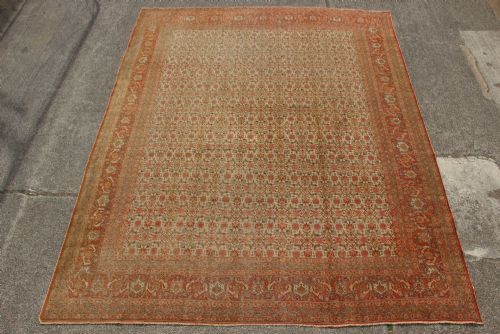




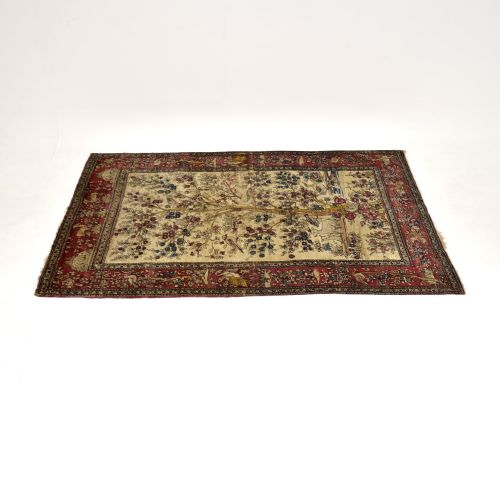

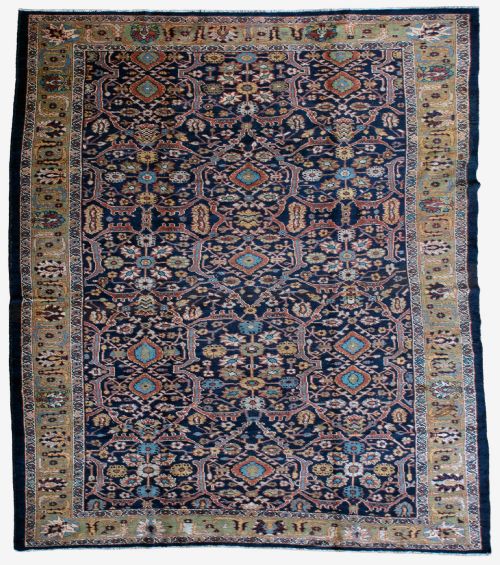
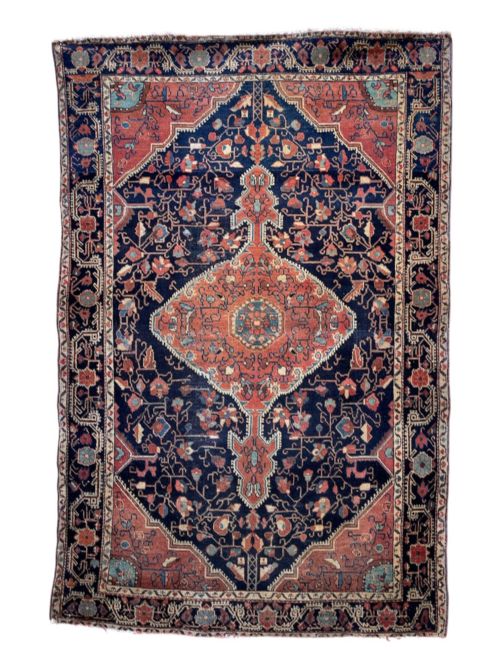
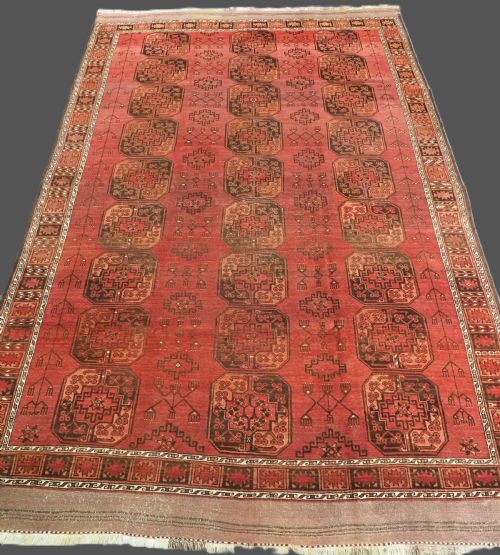
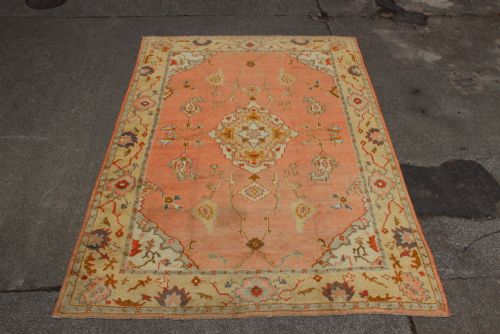
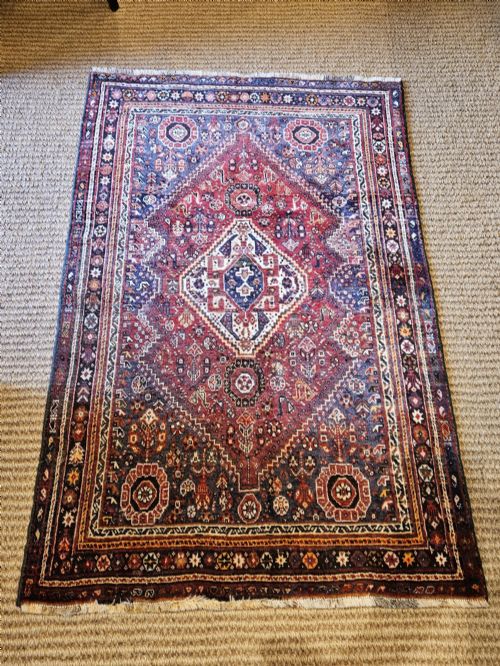
Vintage Woven Floor Rug
A vintage woven floor rug grounds a room with genuine history, bringing tactile warmth and enduring regional pattern to your interior.
Vintage Woven Floor Rug
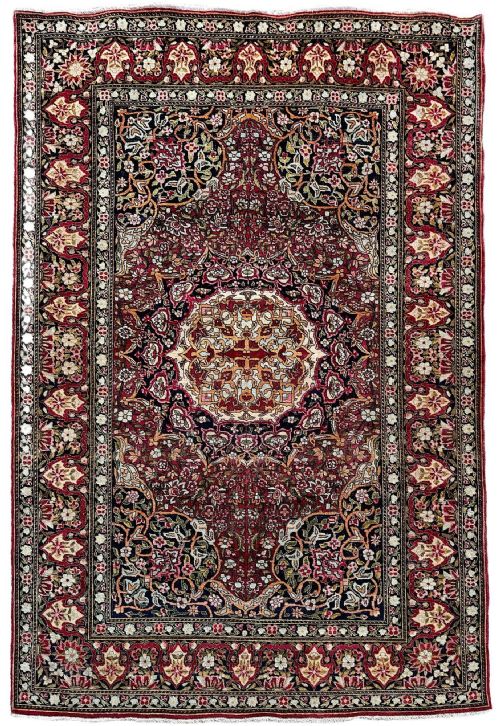
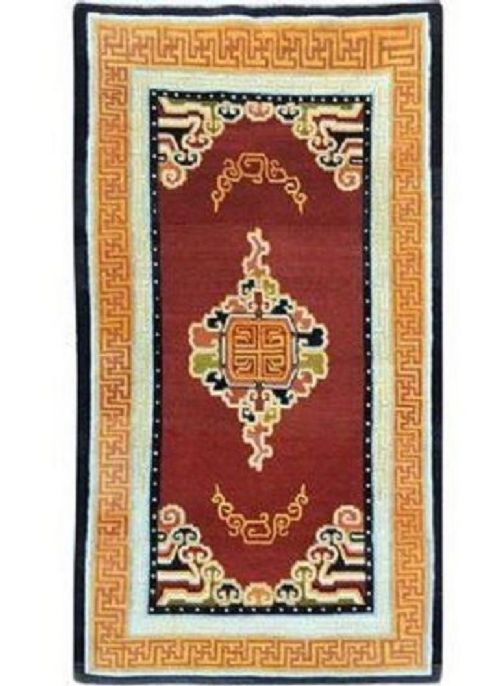
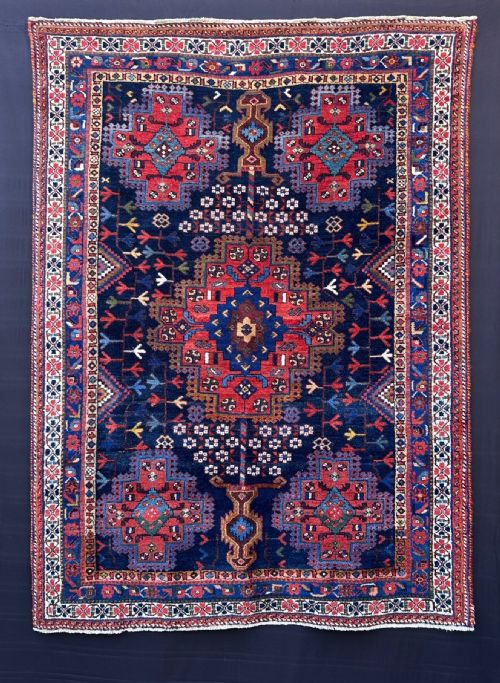
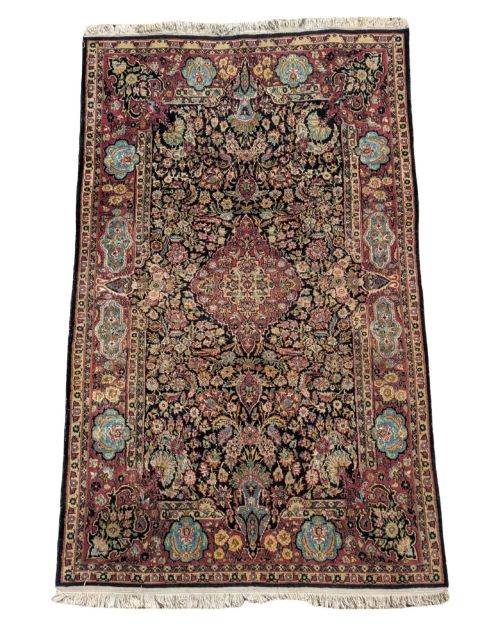
A vintage woven floor rug encompasses floor coverings fashioned from wool, cotton, and silk, spanning the nineteenth and twentieth centuries. These textiles originate from diverse regions, including Persian, Caucasian, Ottoman, and Tibetan weaving traditions, covering formats from small area pieces to large carpets and hallway runners.
The selections encountered here range from detailed tribal village weavings to expansive city workshop carpets. Buyers find specific regional types such as Heriz, Kazak, Afshar, and Ushak, each displaying distinct traditional motifs and proportions suitable for floor placement.
Materials and construction
These textiles rely primarily on natural wool, cotton, and occasionally silk for pile and foundation construction. Artisans interlace these fibres by hand, knotting or weaving them onto sturdy cotton or wool warp and weft threads to create dense, resilient floor surfaces.
Regional workshops and nomadic groups utilised traditional vegetable and mineral dyes to colour the yarn before weaving. This labour-intensive method produces deep, saturated hues that develop subtle tonal variations over decades of use.
Materials documented across the inventory consist strictly of wool, cotton, and silk.
Elements of distinction
Quality rests upon knot density, material purity, and the precision of the design execution. Tighter knot counts allow for sharper graphic clarity in complex tribal and classical motifs.
The handling of the pile and the integrity of the original foundation edges dictate how gracefully the textile ages under foot. Superior examples combine resilient wool with balanced proportions and harmonious dye palettes.
The Vintage Woven Floor Rug Glossary
- Warp
- The vertical foundation threads stretched tightly on a loom before weaving begins.
- Weft
- The horizontal threads passed alternately over and under the warp threads to lock the knots in place.
- Pile
- The cut or uncut surface loops of yarn that form the usable nap of the textile.
- Runner
- A long, narrow carpet format specifically proportioned for hallways and corridors.
Vintage Woven Floor Rug: Frequently Asked Questions
How do I choose the right size rug?
Consider the proportions of your furniture arrangement and the surrounding floor space. Allow sufficient border space between the edge of the textile and the walls of the room.
Measure doorways and pathways carefully to ensure runners or large carpets fit comfortably in your chosen hallway or living area without obstructing doors.
Where should I place a vintage runner?
Runners suit transitional spaces such as corridors, entryways, and galleys. They protect high-traffic floorboards while adding vertical pattern and texture.
Ensure the floor underneath is clean and flat, and utilise a suitable underlay to prevent slipping and reduce wear from friction.
How do I care for a wool rug?
Vacuum gently using suction attachment without a rotating brush roll to protect the pile fibres. Rotate the textile periodically to ensure even exposure to light and foot traffic.
Address spills immediately by blotting with a clean, dry cloth rather than rubbing. Professional cleaning is recommended for deep maintenance.
What defines a tribal rug?
Tribal rugs originate from nomadic or village weavers rather than urban workshops. They often feature geometric symbols, repeating motifs, and designs passed down through generations.
These pieces reflect the distinct regional aesthetics and local material resources of the makers, resulting in individual character and rustic charm.