

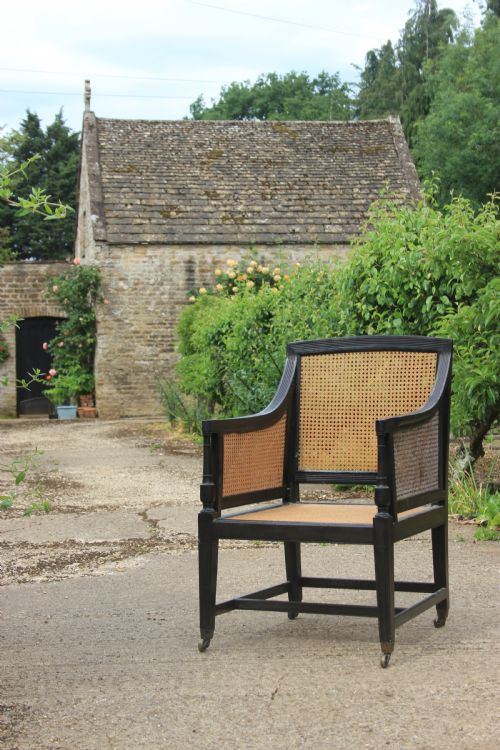


Vintage Woven Cane Seat
A vintage woven cane seat brings tactile warmth to a room, offering natural texture through tightly interlaced plant materials.
Vintage Woven Cane Seat
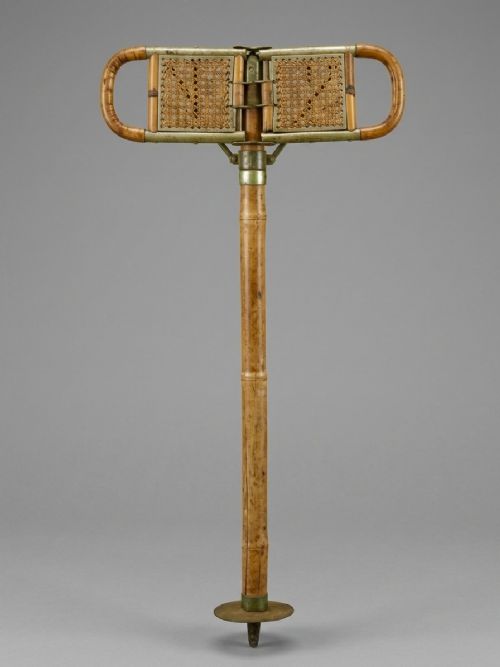
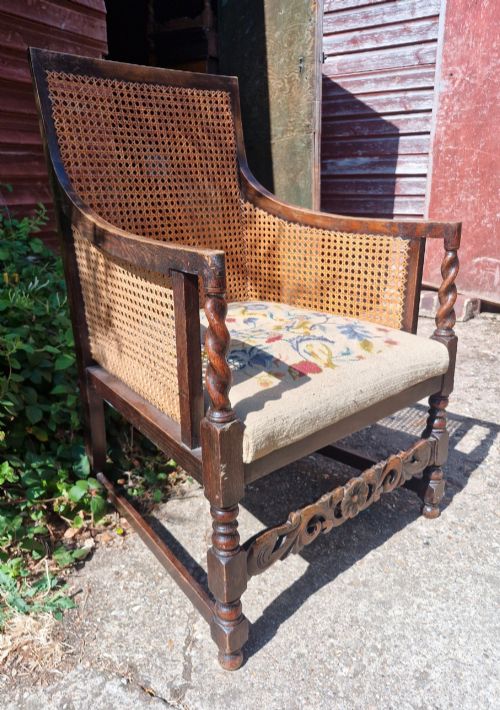
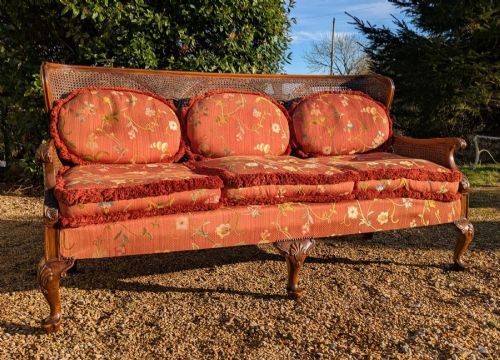
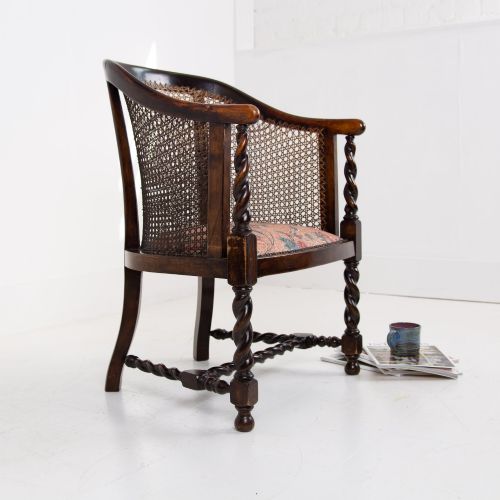
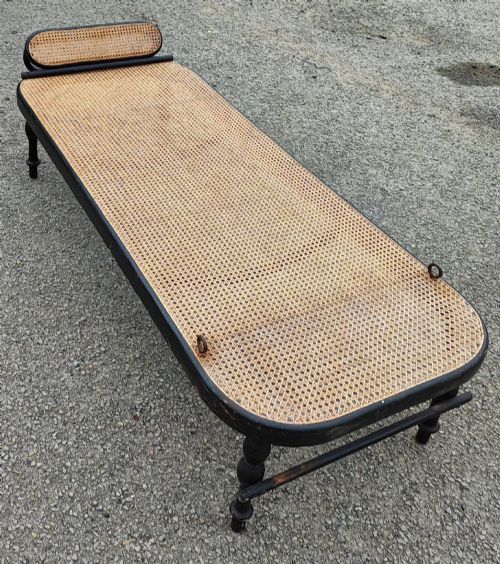
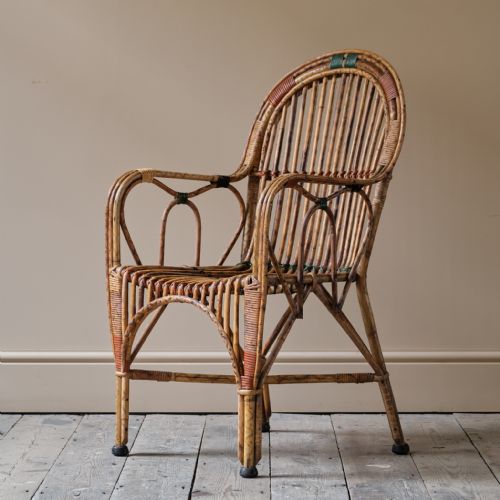
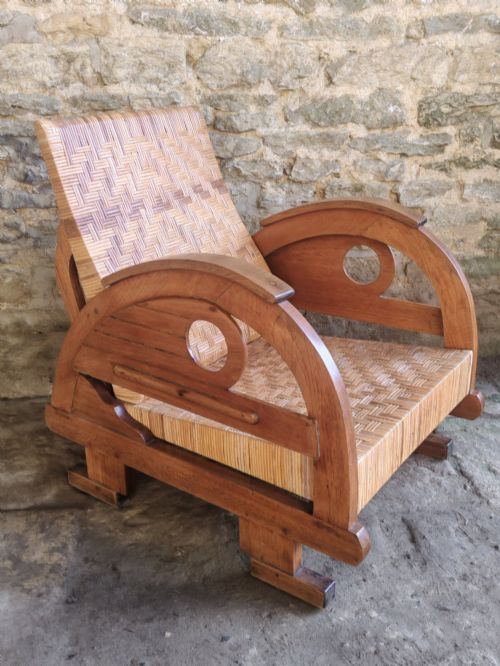
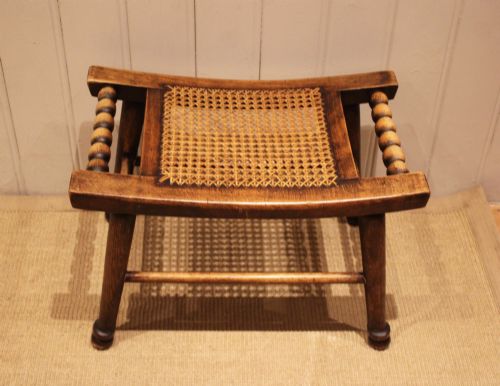
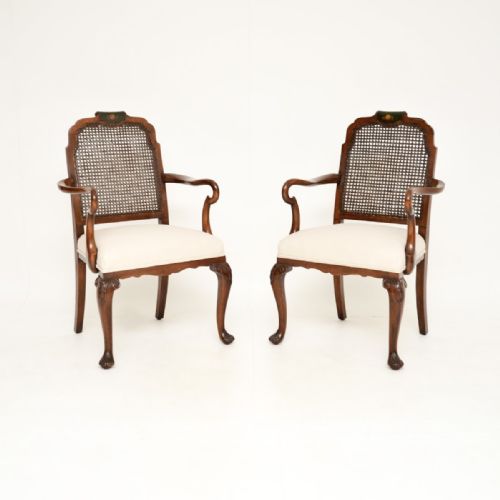
A vintage woven cane seat encompasses everything from comfortable armchairs and compact stools to dining chairs and daybeds. When searching for a vintage woven cane seat, buyers encounter a diverse range of forms spanning the nineteenth century through the Art Deco era.
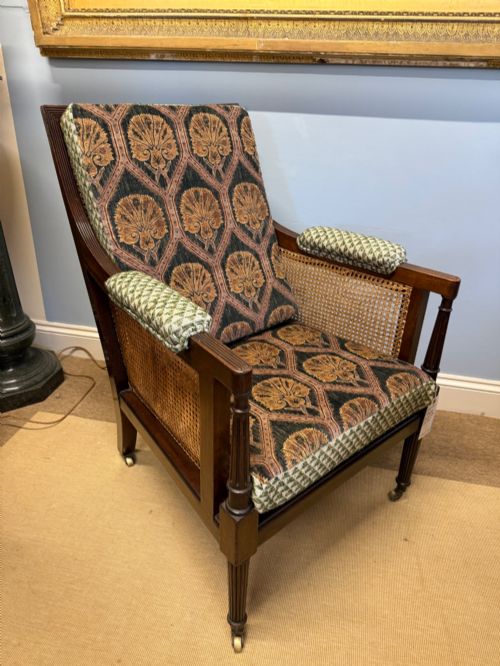
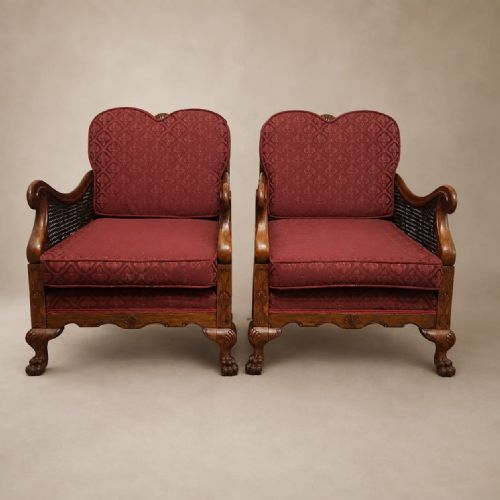
Seating options range from simple side chairs and rocking chairs to expansive bergere sofas and reclining plantation chairs. Pieces like Anglo-Indian colonial armchairs and Arts and Crafts creations demonstrate the widespread use of cane across different regions and traditions.
Materials and construction methods
Frames rely on sturdy timbers such as oak, mahogany, walnut, teak, and beech to support the open framework. Cabinetmakers shaped these woods using turning, carving, and bentwood techniques to form structural supports for arms, legs, and backs.
Interlaced cane, rattan, and wicker provide flexible seating surfaces that yield slightly to the body. Artisans wove these plant materials directly through pre-drilled holes in wooden frames or secured them within dedicated channels.
Listings feature oak, mahogany, walnut, beech, and teak frames paired with woven cane, rattan, and wicker across various periods from the nineteenth century onward.
Distinguishing quality in cane seating
Quality rests primarily on the tightness and regularity of the woven mesh, where uniform spacing indicates superior craftsmanship. Well-executed weaving distributes weight evenly and resists sagging over decades of use.
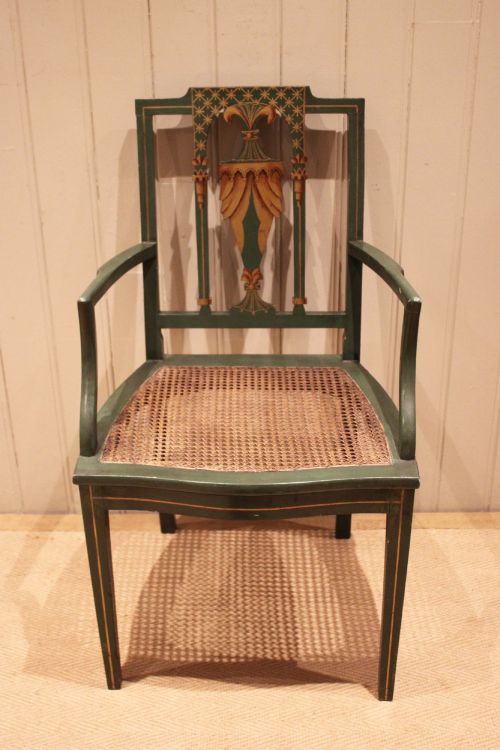
The sophistication of the timber frame significantly separates pieces, distinguishing simply turned beech from intricately carved mahogany or ebonised woodwork. Original painted finishes and integrated structural details like barley twist legs further elevate the character of a piece.
Dryad And Co·Dryad Of Leicester
The Vintage Woven Cane Seat Glossary
- Bergere
- An enclosed upholstered armchair with a wooden frame where the back and sides frequently incorporate cane work. This French seating form gained popularity in various British and colonial adaptations.
- Cane
- The peeled bark of the rattan palm, split and woven into a pliable mesh for chair seats and backs. It provides a breathable and supportive surface.
- Bentwood
- Wood softened by steam and bent into curved shapes, commonly utilised for chairs and rocking seats. This technique creates strong, lightweight frames without traditional joinery.
- Ebonised
- Timber treated with a dark stain or finish to imitate ebony. This process gives lighter woods like beech or fruitwood a dense, black appearance.
- Barley twist
- A woodworking turning technique resembling a spiralling rope. It appears frequently on the legs and stretchers of seating from the nineteenth and early twentieth centuries.
Vintage Woven Cane Seat: Frequently Asked Questions
How do I care for a vintage cane seat?
Keep the woven material lightly hydrated by wiping it with a damp cloth occasionally to prevent it from becoming brittle. Avoid placing the seating directly next to intense heat sources.
Ensure weight is distributed evenly across the mesh and avoid kneeling directly on the woven surface. Regular dusting helps maintain the natural flexibility of the plant fibres.
Are these seats comfortable for daily use?
The natural give of woven cane provides a flexible surface that contours gently to the body. Many designs also include loose cushions or upholstered elements for added support.
Larger easy chairs and bergere sofas offer deep seating proportions suitable for relaxed lounging. Sturdier dining chairs and side chairs provide upright support tailored for tables and desks.
Can damaged cane seats be repaired?
Traditional cane work can be replaced entirely by skilled artisans who re-thread new material through the existing frame holes. Minor breaks in individual strands can sometimes be secured without a full re-weave.
Repairing the surface preserves the structural integrity of the timber frame. Professional restoration ensures the tension matches the original specifications of the piece.
What periods do these cane seats cover?
The selection spans from the nineteenth century through the early twentieth century, taking in Victorian, Edwardian, and Regency eras. Arts and Crafts and Art Deco interpretations also feature strongly among the available forms.
Revival styles such as Jacobean and Hepplewhite point to earlier design influences reinterpreted by later makers. This chronological spread offers a wide variety of aesthetic choices for different interiors.