
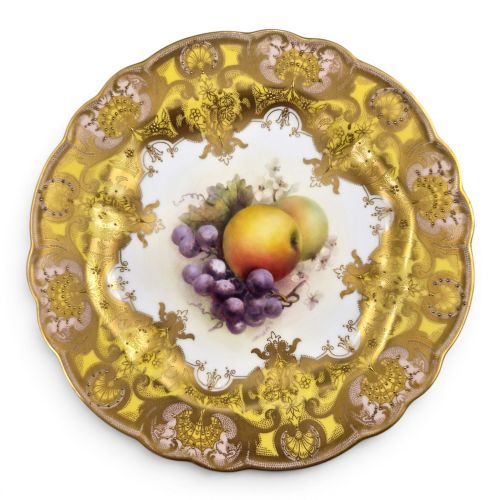
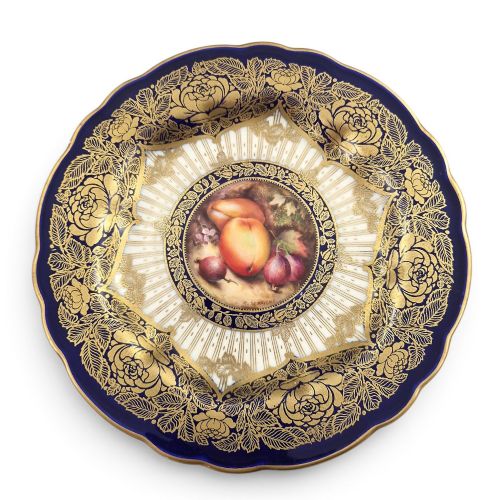
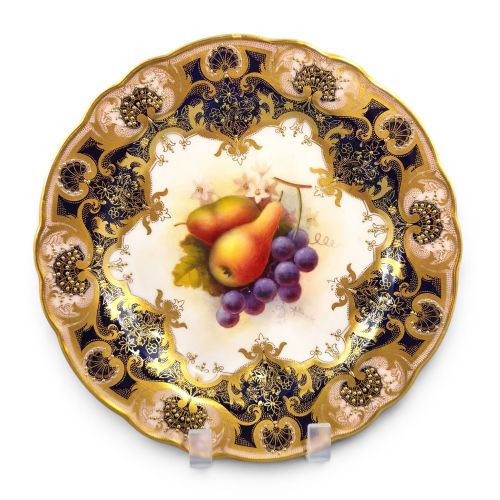
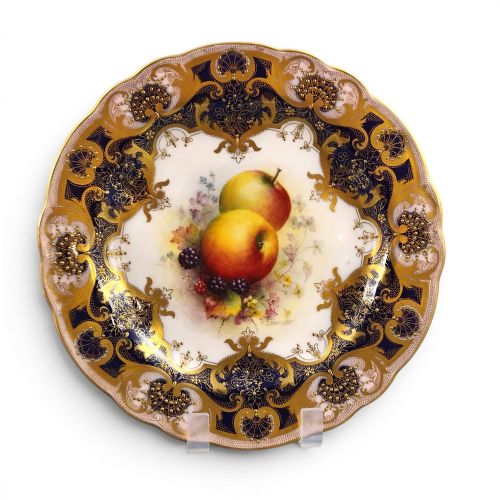


Vintage Worcester Cabinet Dish
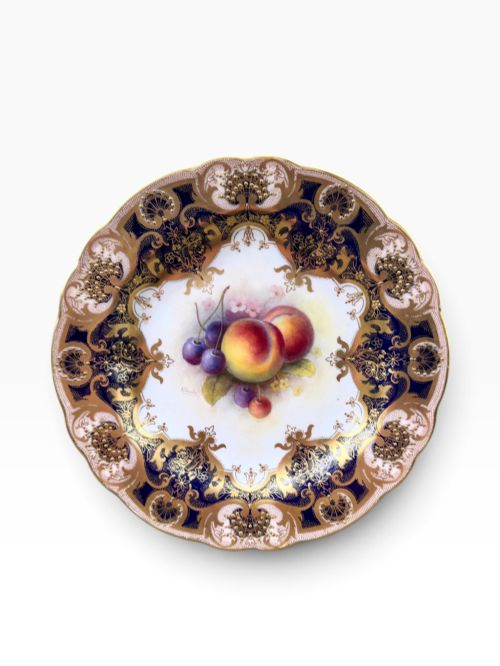
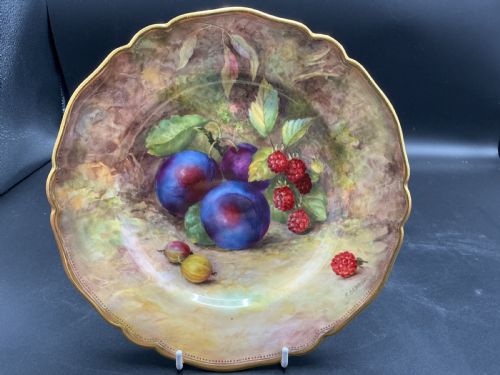
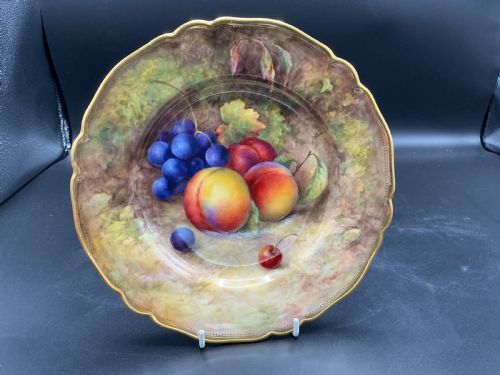
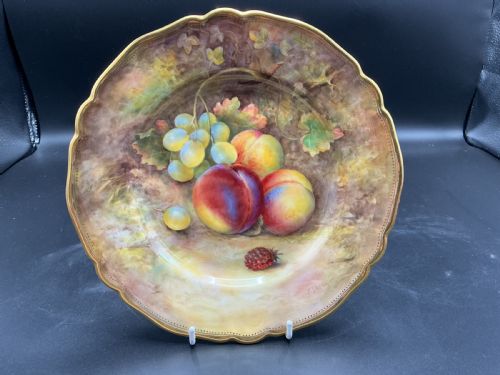
A vintage worcester cabinet dish is a decorative ceramic display piece that brings hand-painted fruit and fine porcelain craftsmanship into a room.
Vintage Worcester Cabinet Dish
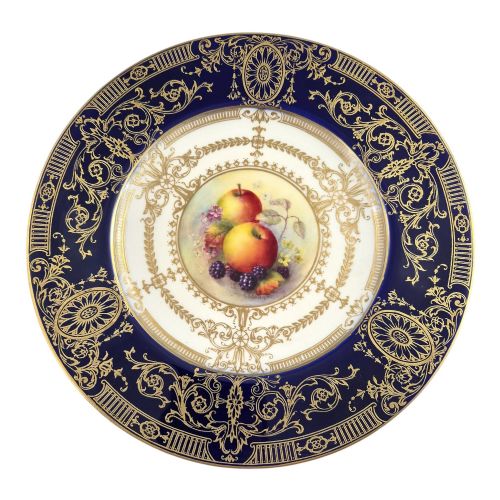
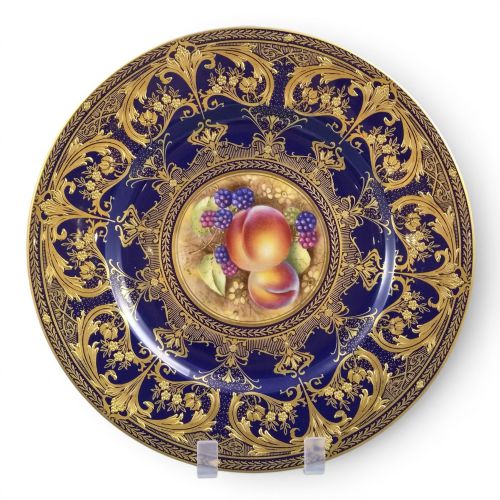
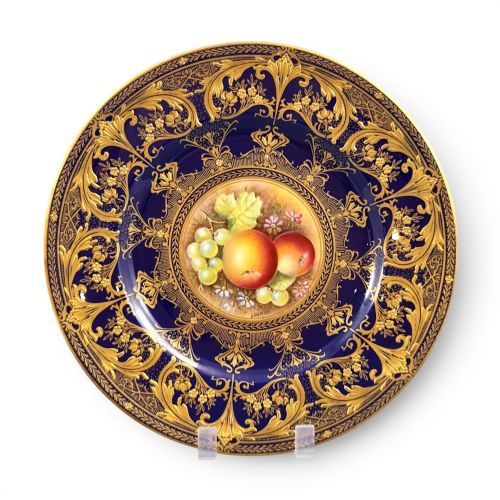
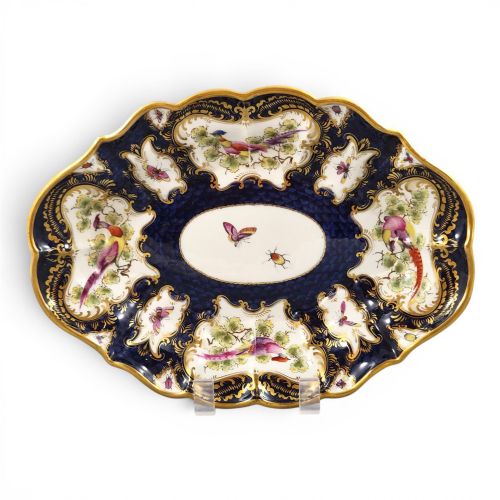
A vintage worcester cabinet dish comprises porcelain plates, dessert dishes, soup dishes and decorative trays produced across multiple centuries, including eighteenth-century pieces alongside twentieth-century examples. The selection encountered most frequently on this page centres on twentieth-century porcelain fruit plates, particularly those dated through the nineteen-twenties and nineteen-thirties.
These items were created primarily for display in cabinets rather than daily dining use, functioning as ornamental focal points within a room. Makers and artists applied meticulous painted fruit scenes, floral motifs and blue scale patterns across various periods such as the Edwardian era and the nineteen-sixties.
Materials and methods
Makers utilised fine porcelain and bone china as the primary base materials, shaping them into plates, saucers, trays and soup dishes. Artisans then applied enamel paint by hand to render detailed fruit subjects and floral patterns.
Gilding, gold leaf and gilt enamel frame the painted imagery, providing rich metallic borders and edge treatments. These decorative elements required repeated firings to bond the metallic and enamel colours securely to the ceramic body.
The listings span porcelain, bone china, enamel and gold leaf, featuring forms from cabinet plates to soup dishes across multiple centuries.
Evaluating craftsmanship
Quality rests significantly upon the identity of the painter and the precision of the hand-painted brushwork. Signed pieces by established artists such as Richard Sebright, Albert Shuck, Brian Leaman, Richard Budd and the Stinton family demonstrate superior artistic execution compared to unsigned output.
The complexity of the surrounding ornamentation also determines distinction. Rich application of gold leaf, intricate blue scale patterns and delicate rope edge moulding separate standard decorative items from exceptional cabinet pieces.
Royal Worcester·Grainger and Co·Richard Sebright·Albert Shuck·Brian Leaman
The Vintage Worcester Cabinet Dish Glossary
- Cabinet plate
- A decorative ceramic plate intended for display in a cabinet rather than everyday dining use. These pieces often feature elaborate painted scenes.
- Blue scale
- A patterned underglaze blue ground resembling fish scales, used on porcelain bodies. It creates a textured backdrop for painted reserves.
- Gilding
- The application of gold leaf or powdered gold onto porcelain surfaces. It highlights borders, rims and central motifs.
- Bone china
- A type of porcelain composed of bone ash, feldspar material and kaolin. It produces a strong, translucent white body suitable for fine painting.
- Enamel
- Opaque glass-like paint applied to fired porcelain and fixed through a subsequent firing. It provides the vibrant colour palette seen in fruit and floral studies.
Vintage Worcester Cabinet Dish: Frequently Asked Questions
What is a vintage worcester cabinet dish?
A vintage worcester cabinet dish is an ornamental porcelain plate or tray created for display rather than table service. These items frequently feature hand-painted fruit and floral studies.
Most examples date from the eighteenth century through the twentieth century, encompassing periods like the Edwardian era and the nineteen-thirties. They reflect the high standards of British ceramic production.
How do I identify the maker?
Makers are identified through factory backstamps and artist signatures marked on the reverse of the porcelain. Names like Royal Worcester and Grainger appear alongside artist signatures.
Signatures from painters such as Richard Sebright or Albert Shuck indicate specific studio execution. Date ciphers and pattern numbers on the base help narrow down the production period.
Were these dishes used for food?
Cabinet dishes were generally intended for display within glass-fronted furniture rather than practical dining use. Their delicate painted surfaces and heavy gilding made them ornamental objects.
Dessert dishes and soup dishes within the selection served functional dining roles originally, whereas cabinet plates remained purely decorative. Collectors today continue to display them on stands or walls.
How should I display them?
These pieces suit placement in secure wall brackets, plate racks or dedicated display cabinets. Proper support prevents accidental tipping and protects the delicate painted surfaces.
Keeping them away from direct sunlight preserves the vibrancy of the enamel colours and gold leaf. Proper lighting enhances the detailed brushwork of the painted fruit and floral motifs.
What styles are represented?
The pieces span traditional British styles, Edwardian ceramic art, Rococo Revival and Art Deco designs. Each era brought distinct border treatments and framing techniques to the porcelain.
Styles range from eighteenth-century green ground and spotted fruit saucers to mid-twentieth-century floral plates. This stylistic variety reflects changing tastes across generations of ceramic manufacturing.