


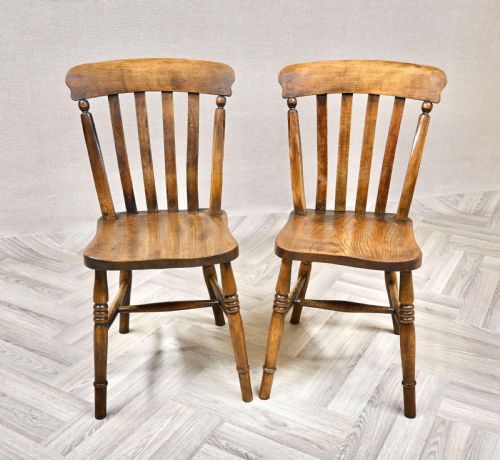
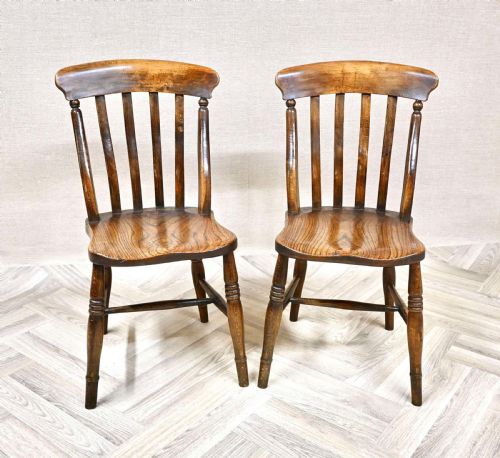
Vintage Wooden Windsor Chair
A vintage wooden windsor chair combines sturdy English country utility with sculptural turned spindles, offering a seating form built to last generations.
Vintage Wooden Windsor Chair
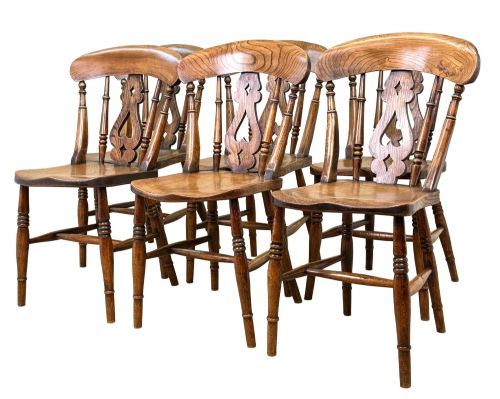
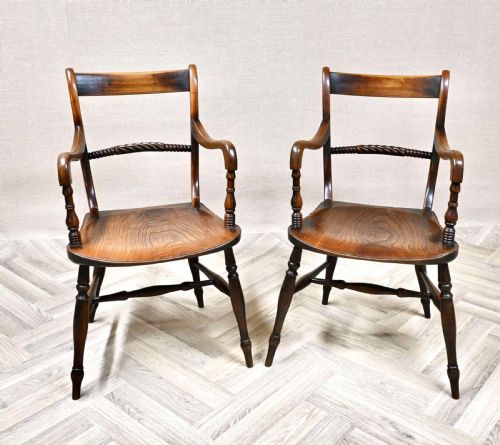
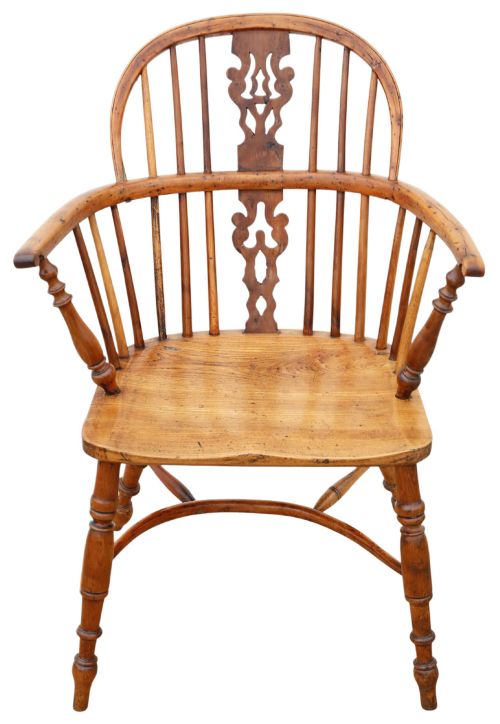
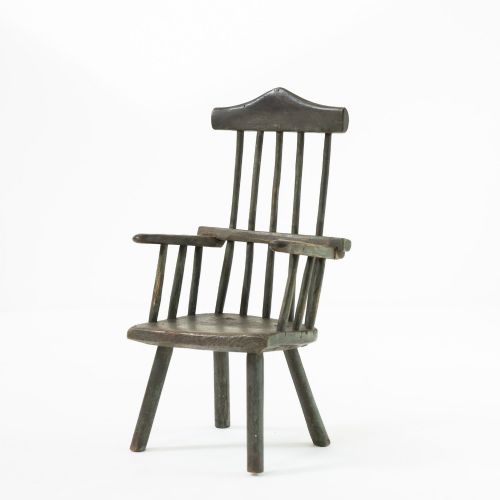
A vintage wooden windsor chair is a traditional seating form defined by a solid wooden seat into which the legs and back spindles are wedged directly. Buyers searching for a vintage wooden windsor chair will encounter numerous variations, from kitchen dining sets and low-backed captain chairs to grand high-comb and hoop-backed armchairs.
The material origins of these pieces span the 18th, 19th, and early 20th centuries, drawing heavily on regional English vernacular traditions. Examples frequently surface as single armchairs, pairs, or matched sets originating from rural workshops across the Thames Valley, Yorkshire, and the West Country.
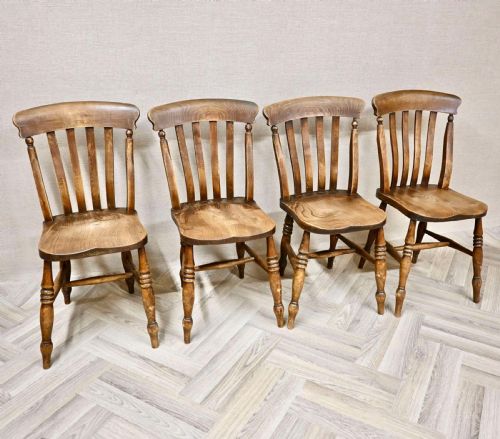
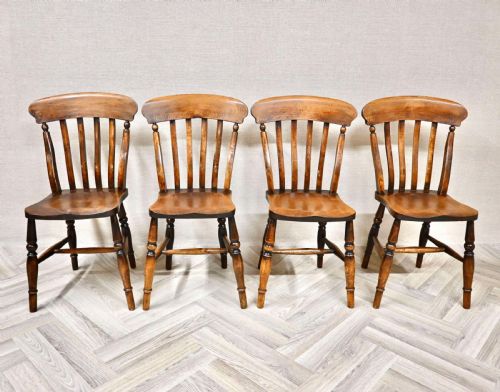
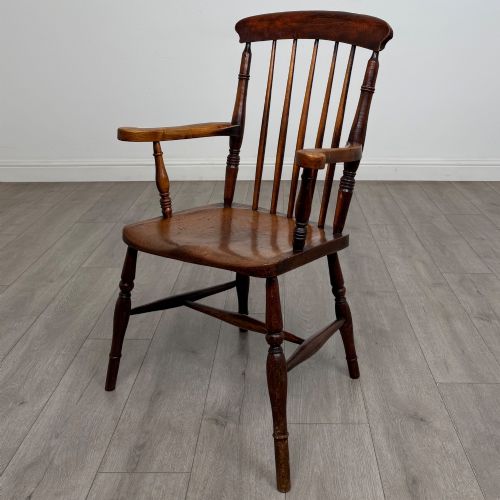
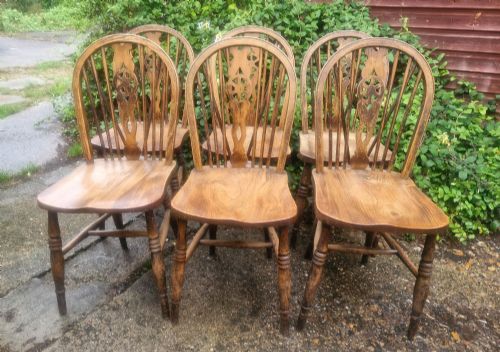
Makers utilised distinct regional patterns such as wheel backs, lath backs, and stick backs for everyday domestic use in farmhouses, cottages, and kitchens. Specialised forms like children's armchairs, rocking chairs, and desk chairs also appear within these traditional categories.
Materials and Construction
Makers constructed these chairs by combining contrasting timbers to maximise both strength and flexibility within a single frame. Elm provided a tough, split-resistant seat, whilst ash, beech, and oak formed rigid bows, legs, and spindles.
Selected examples incorporated prized yew wood, utilising its rich grain and natural oil content for high-status armchairs and low-back seats. Workers shaped components using traditional green woodworking techniques, steam-bending solid lengths of wood to form continuous hoops and comb backs.
Joints relied on mortise and tenon construction, securing spindles and legs firmly into the saddle-shaped wooden seat without relying on metal fixings.
Evaluating the Build
Quality in a vintage wooden windsor chair rests upon the balance of the timber selection and the retention of original structural integrity. Superior examples display deeply sculpted, thick elm seats paired with cleanly turned ash or beech undercarriages that remain tight and stable.
The refinement of the arm terminals, the grace of the bentwood hoop, and the slenderness of the turned spindles separate standard utility seating from finer workshop production. Uniformity within matched dining sets also dictates value, as does the preservation of honest patination built up through decades of domestic use.
J Spencer·Gabbitass Worksop
The Vintage Wooden Windsor Chair Glossary
- Comb back
- A Windsor chair style featuring a high rectangular or fan-shaped top rail supported by vertical spindles, resembling the teeth of a dressing comb. This design offers elevated back support for the sitter.
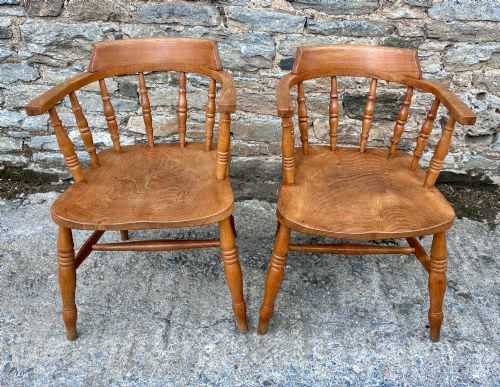
- Smoker's bow
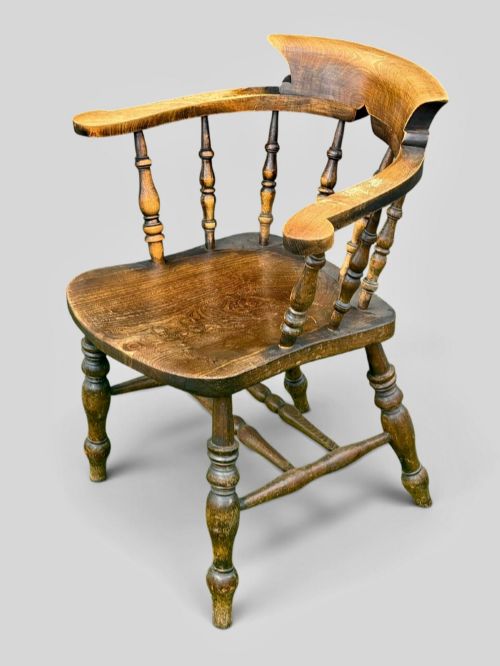
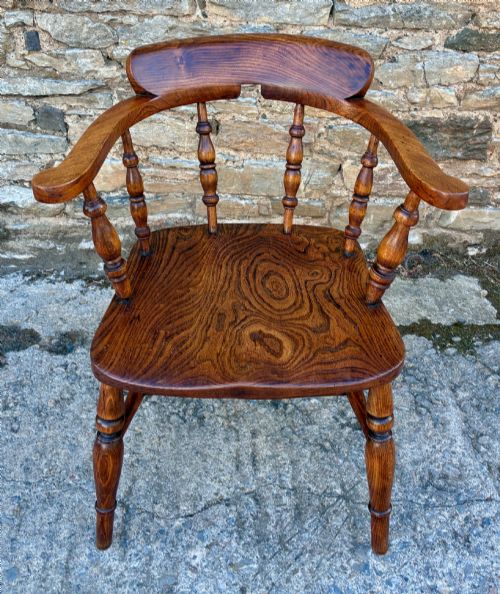
- A low-backed captain's chair with a continuous curved arm rail and short turned spindles, popular in 19th-century domestic and commercial interiors. These chairs provide a compact, robust seating option.
- Wheel back
- A Windsor chair back design incorporating a pierced central wooden splat carved in the shape of a spoked cartwheel. This decorative motif became common in regional kitchen and dining sets.
- Vernacular
- Objects designed and built by local craftsmen using traditional methods and regional materials without academic architectural pretension. These pieces reflect the practical needs of rural communities.
- Saddle seat
- A thick wooden seat base scooped and shaped by hand to resemble an equestrian saddle for ergonomic comfort. Makers typically utilised heavy elm for this central component.
Vintage Wooden Windsor Chair: Frequently Asked Questions
What is a Windsor chair?
A Windsor chair is a distinct seating construction where the legs and back spindles are fitted directly into a thick, solid wooden seat rather than a separate frame.
This method creates a robust, unified structure that has remained popular in British country interiors for centuries.
How do I identify the wood?
Makers deliberately combined different timbers to achieve specific structural goals within a single chair. Elm was standard for the heavy, figured seat, while ash, beech, or oak provided springy strength for the bentwood bows and turned spindles.
Examining the grain patterns reveals these contrasting woods, with premium examples occasionally utilising richly figured yew.
Were these chairs used at dining tables?
Kitchen and dining chairs formed a major part of regional production, often surviving today as pairs or larger harlequin sets. Lower captain's chairs and armchairs served functional roles around the hearth or at farmhouse tables.
Robust construction allowed these pieces to withstand heavy daily domestic use across generations.
How do I care for a wooden chair?
Keep wooden seating away from direct heat sources and drastic humidity changes to prevent the timber from drying out or splitting. Gentle cleaning with natural wax preserves the historic surface patination without stripping the finish.
Regularly checking the leg joints ensures the wedged construction remains secure over time.
What is a Thames Valley Windsor?
Thames Valley examples represent a distinct regional tradition known for exceptionally graceful proportions and refined craftsmanship. These chairs frequently incorporate yew wood and delicate spindle work that sets them apart from heavier provincial pieces.
Such regional variations help collectors date and localise specific styles.