


Vintage Wooden Toy Horse
A vintage wooden toy horse brings the distinct charm of a bygone playroom into a modern home.
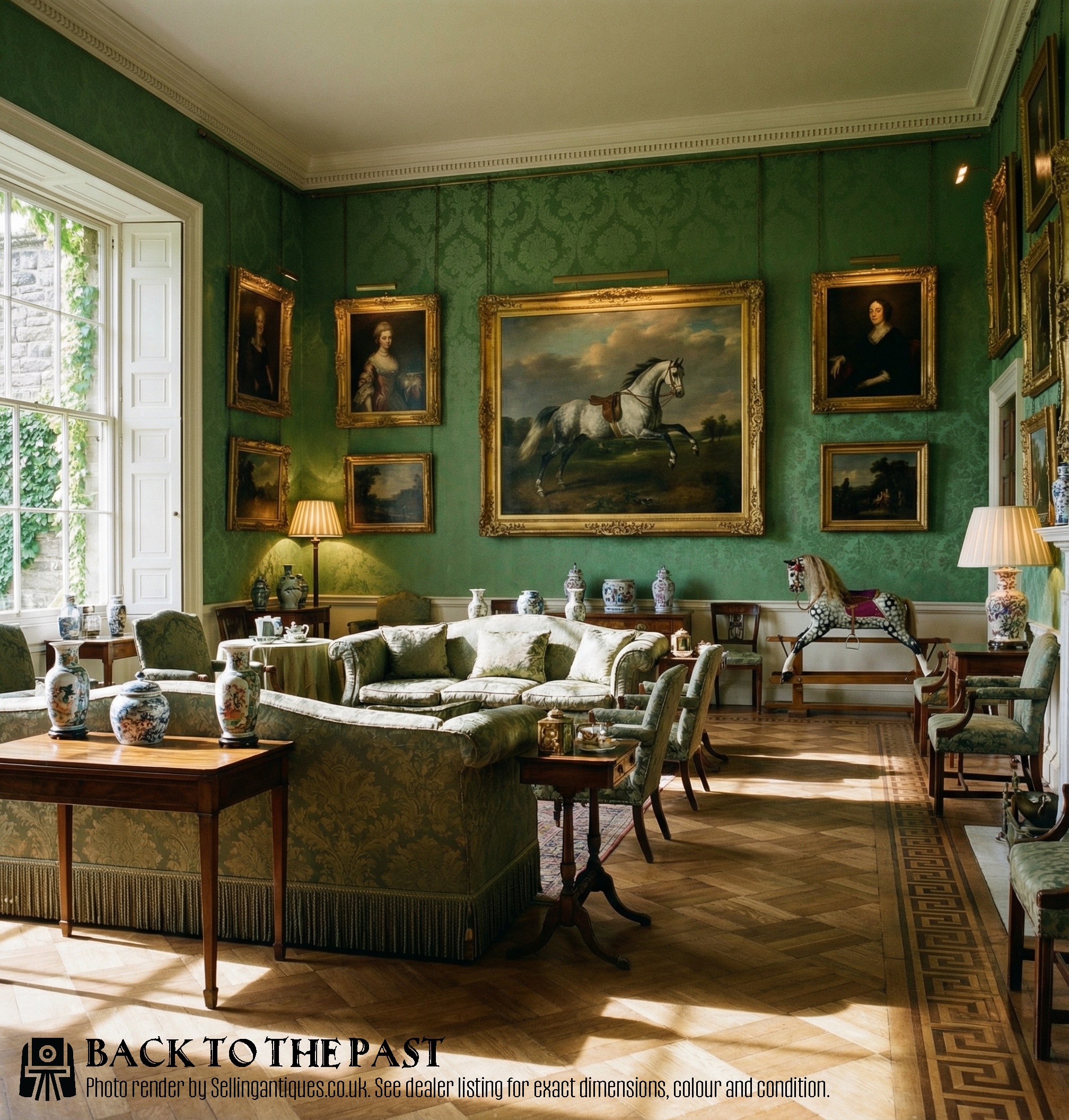
Vintage Wooden Toy Horse
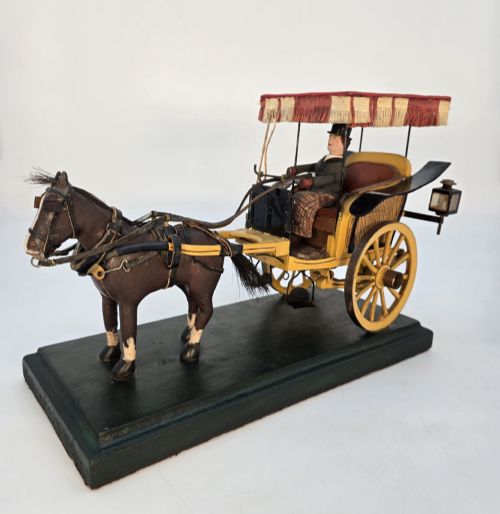
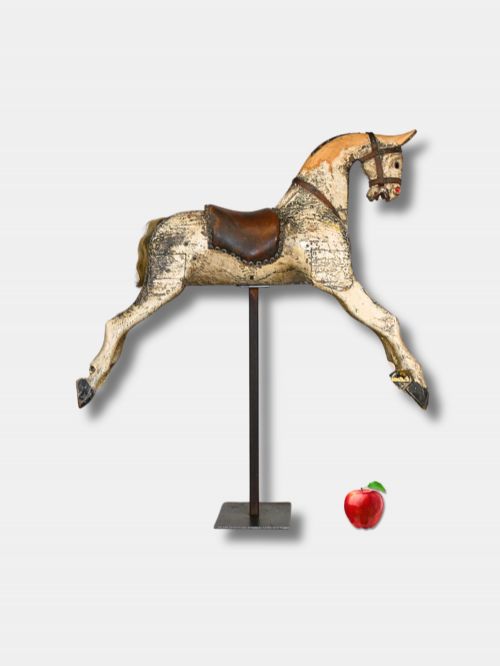
A vintage wooden toy horse primarily encompasses antique rocking horses, pull-along toys, and folk art sculptures from the nineteenth and early twentieth centuries. Buyers seeking this phrase encounter sturdy pine and carved wooden forms created for play or decorative appeal.
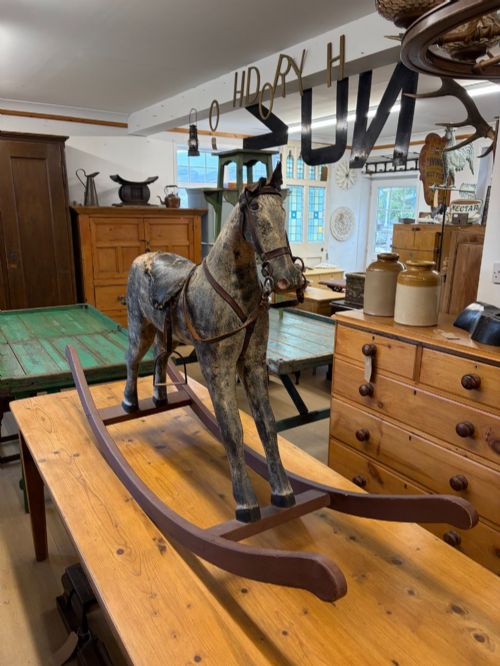
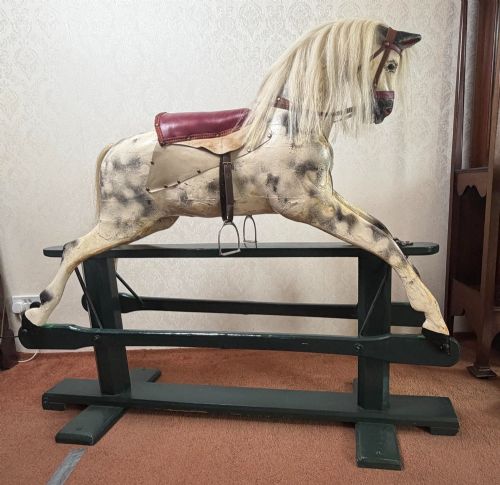
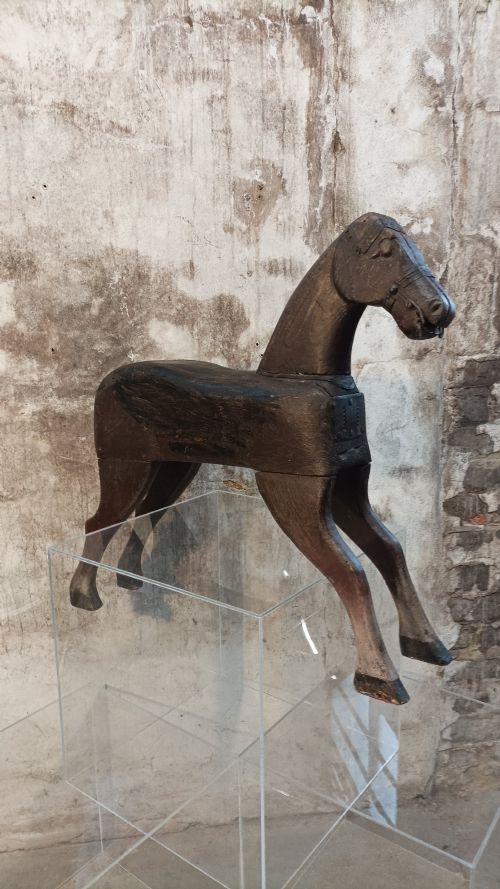
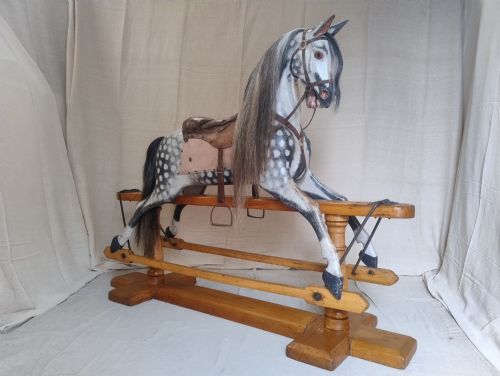
The selection ranges from large workshop-produced rocking horses on safety stands to naive, scratch-built folk art models and child-sized pull-along figures. Pieces appear across periods spanning the Victorian era through the interwar years.
Origin and maker attribution often shape the character of each piece, with English workshops producing many of the prominent rocking horses seen. Alongside these, Spanish and French examples introduce varied regional carving traditions and mechanical designs.
Materials and construction methods
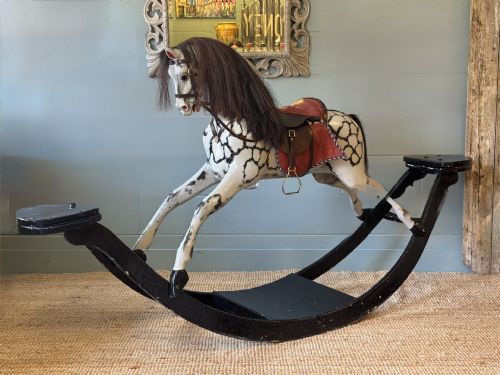
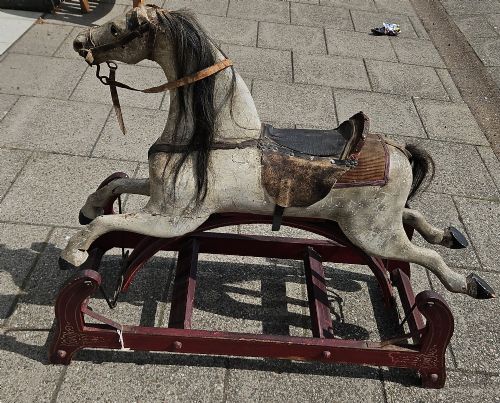
Craftsmen shaped these horses from carved wood and pine, frequently mounting them onto original wooden rockers or swinging stands. Iron and metal components reinforced structural joints, while leather tack and real horsehair formed the manes, tails, and bridles.
Surface decoration relied heavily on layers of paint, ranging from dappled finishes to primitive, naive brushwork. Scratch-built examples display direct hand-carving techniques that reflect the individual maker's skill without industrial standardisation.
Vintage Wooden Toy Horse Retail Price Guide 2026
Typical asking prices for vintage wooden toy horse among the pieces listed under this phrase on Sellingantiques today, from the lower quarter to the upper quarter. They describe what is for sale here now, not the wider market.
Some nineteenth-century makers stuffed the wooden hollow bodies with old straw and newspapers, leaving secret messages from the Victorian playroom inside.
Distinctions in quality
Quality rests upon the integrity of the original carved wooden form and the survival of early painted surfaces. Pieces retaining genuine dappled finishes or untouched folk art pigment stand apart from those subjected to later repainting.
Maker attribution elevates certain examples, particularly documented works from established nineteenth-century workshops. The presence of original rockers, leather elements, and horsehair manes further distinguishes superior survivals from heavily altered pieces.
G & J Lines·F.H. Ayres·Collinson·Lines Bros
The Vintage Wooden Toy Horse Glossary
- Rocking horse
- A toy equine mounted on curved wooden rockers or a static safety stand for mounted play. Larger nineteenth-century versions utilised hollow-carved bodies to reduce weight.
- Folk art
- Utilitarian or decorative objects made by self-taught artisans using traditional regional techniques. These pieces prioritise expressive, naive forms over academic proportion.
- Dappled
- A painted surface treatment mimicking the spotted coat pattern of grey horses. On antique toys, these spots were often built up in layered glazes.
- Pull-along
- A small child's toy fitted with wheels on a wooden platform, designed to be towed by a cord. They date frequently to the late nineteenth and early twentieth centuries.
- Safety stand
- A rigid wooden frame holding a rocking horse aloft via swinging iron irons. This design prevented the horse from tipping over during vigorous play.
Vintage Wooden Toy Horse: Frequently Asked Questions
How do I date a wooden toy horse?
Dating relies on observing construction methods, mounting styles, and material wear. Nineteenth-century examples often feature hand-carved pine bodies and distinct primitive paint layers.
Later pieces from the twentieth century frequently incorporate branded iron brackets, safety stands, and standardised hardware specific to established workshops.
What is a safety stand rocking horse?
A safety stand rocking horse hangs suspended within a rigid wooden frame using curved iron swing arms. This mechanism allows the horse to rock back and forth without moving across the floor.
Introduced in the nineteenth century, this design protected children from tipping over and became a hallmark of larger workshop production.
How should I care for original paint?
Preserving original paint requires keeping the wooden horse away from direct sunlight and fluctuating humidity. Dust the surface gently with a dry, soft cloth without applying cleaning agents or oils.
Moisture and modern solvents can easily lift fragile nineteenth-century pigments and alter the historic patina of the wood.