


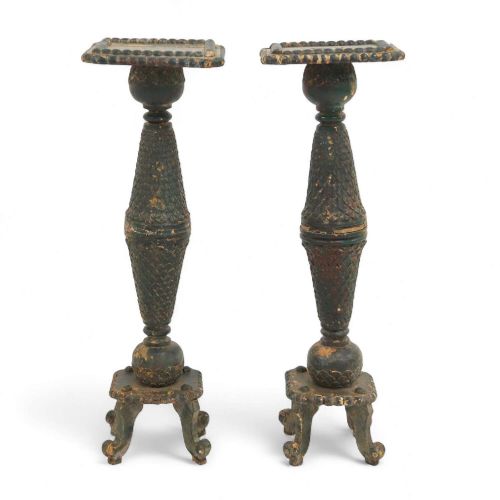

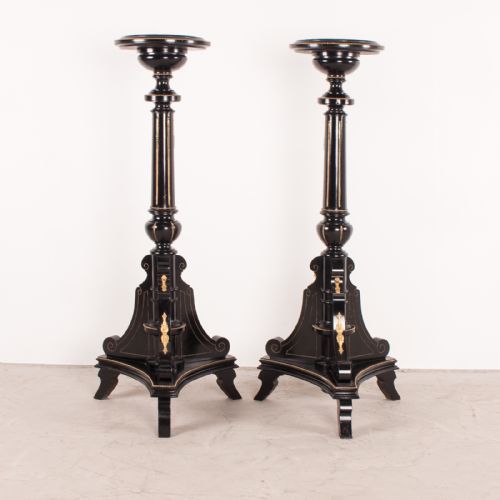
Vintage Wooden Torchere
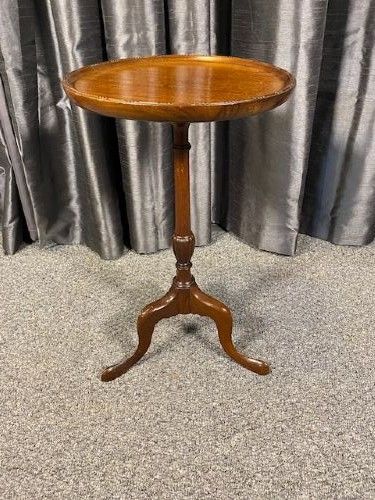
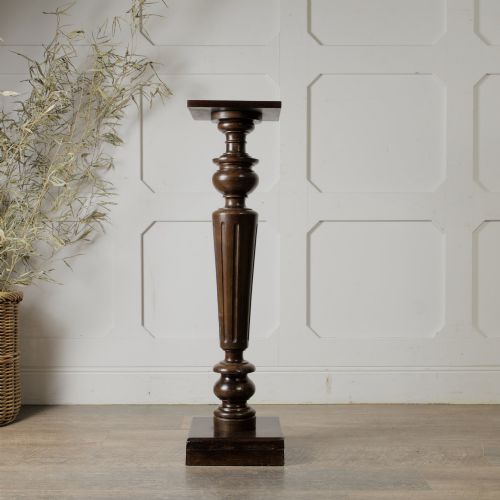
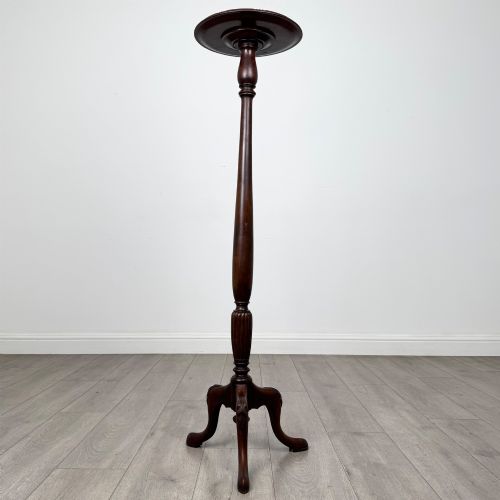
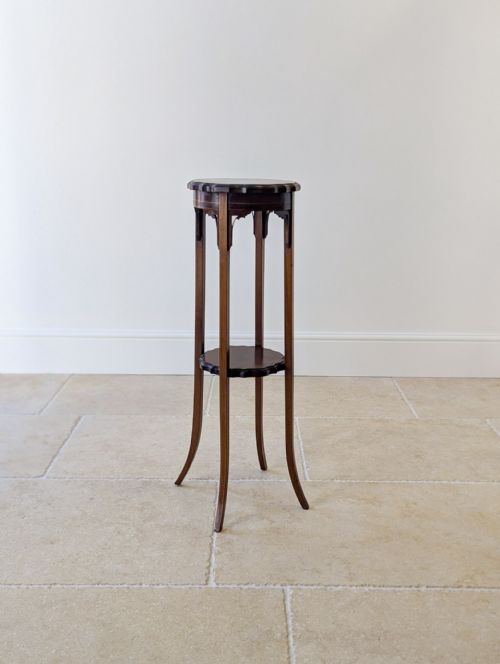
A vintage wooden torchere brings vertical elegance to a corner, lifting a plant or lamp on a slender column.
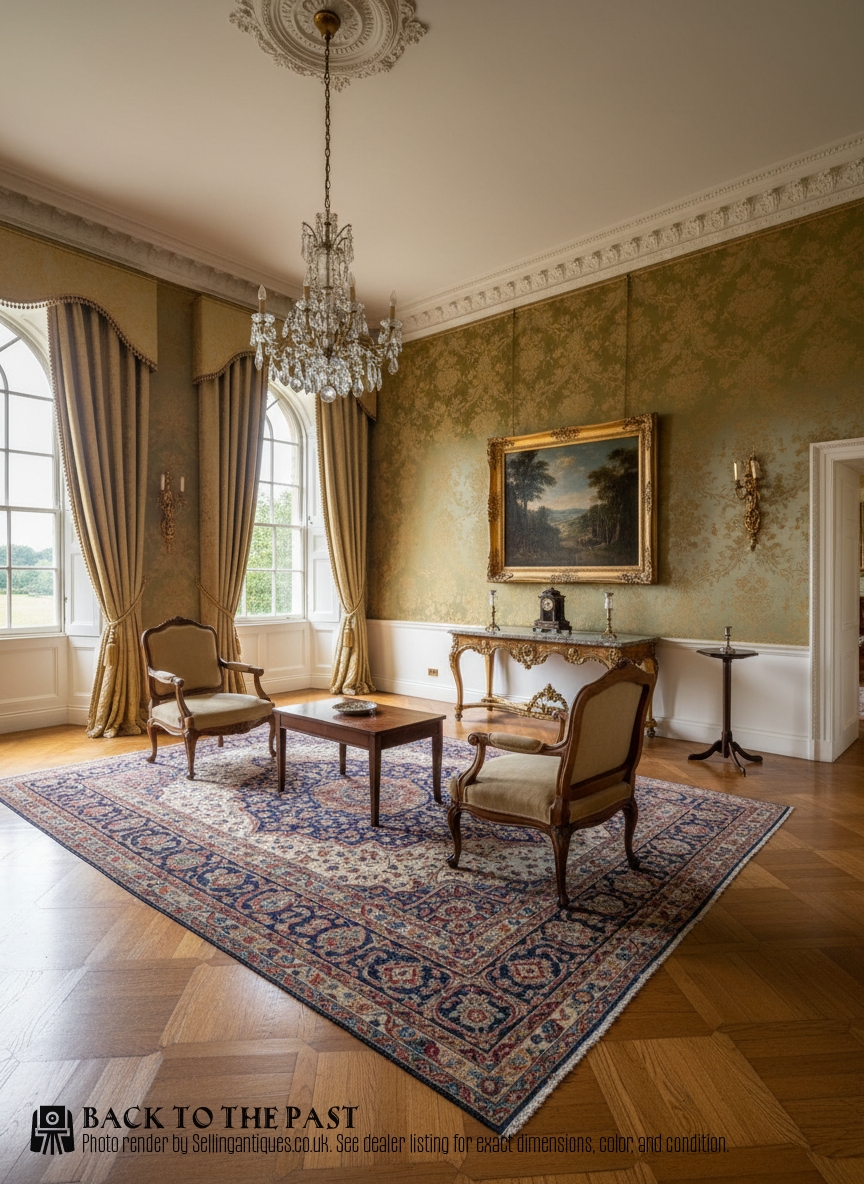
Vintage Wooden Torchere
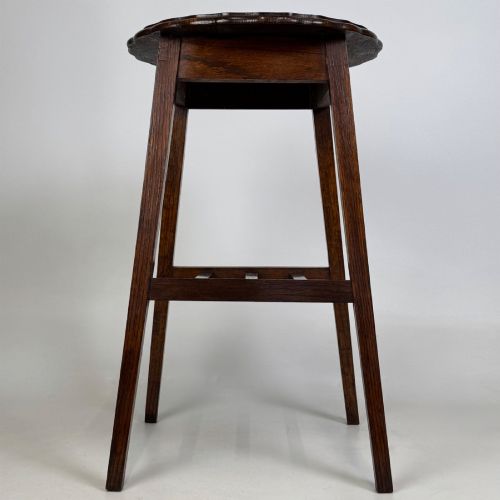
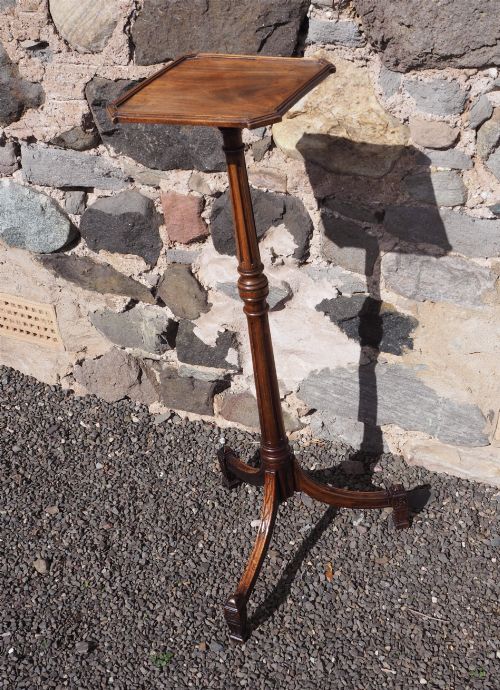
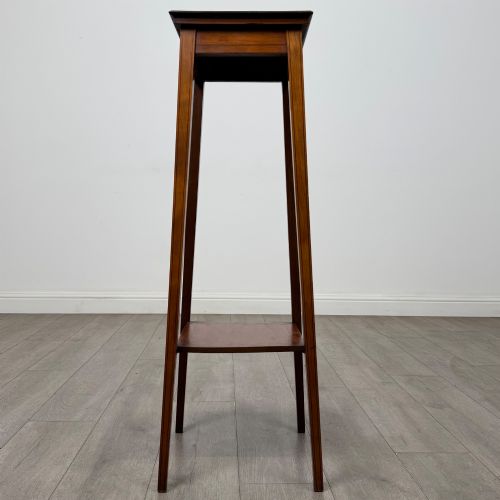
When searching for a vintage wooden torchere, buyers find tall, slender stands designed to hold lamps, plants, or decorative objects. These pieces function primarily to elevate items within a room, adding height and architectural interest to empty corners.
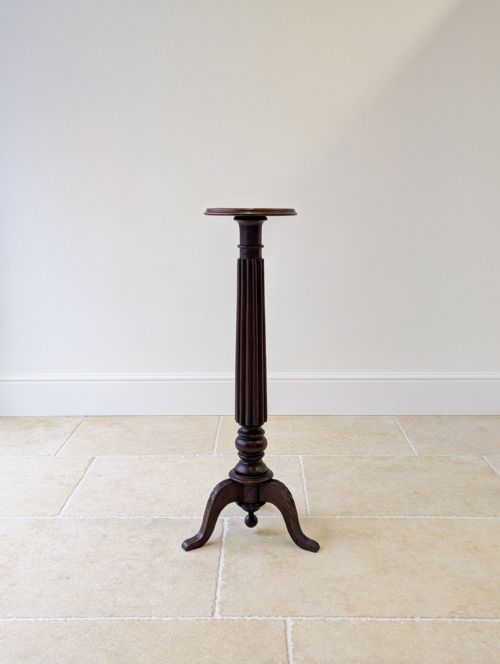
The selections on this page span several centuries and styles, ranging from Georgian and William IV examples to Edwardian satinwood and later ebonised versions. Mahogany and walnut appear frequently, often taking the form of fluted columns or turned pedestals.
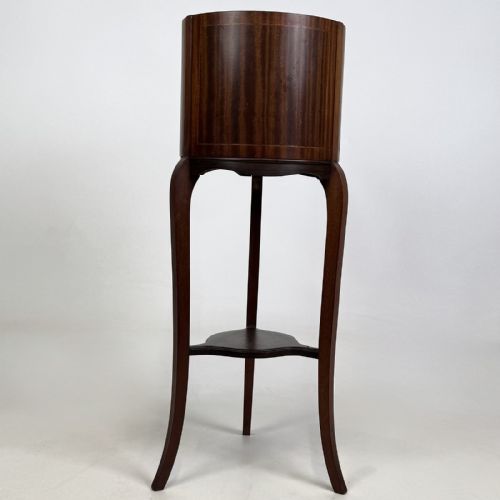
Makers and craftsmen adapted these stands into plant stands, jardiniere holders, and candle stands. Many pieces show the influence of classical design, utilising slender shafts supported by tripod or circular bases.
How they were made
Cabinet makers utilised dense hardwoods such as mahogany, walnut, and oak to construct the slender columns and heavy bases required for stability. Turning on a lathe created the reeded and fluted shafts seen across the Victorian and Edwardian periods.
Surface treatments range from clear polish that highlights the grain of satinwood and mahogany to polychrome paint, ebonising, and gold leaf. Inlaid details in contrasting timbers appear on Edwardian and Georgian revival pieces.
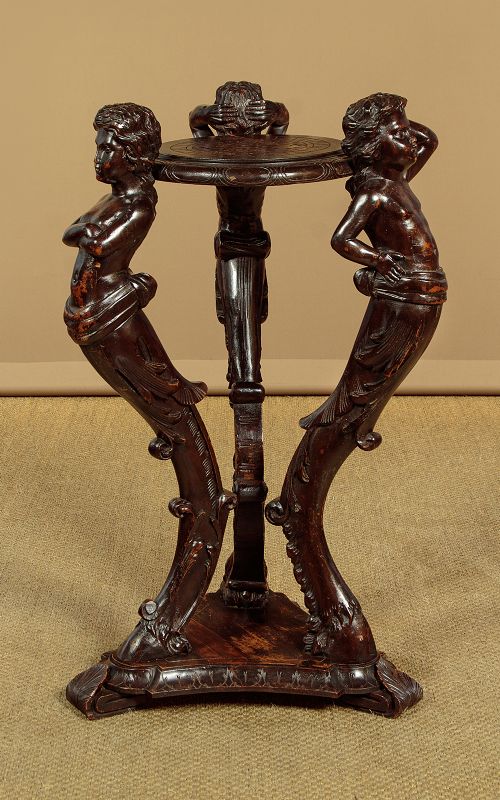
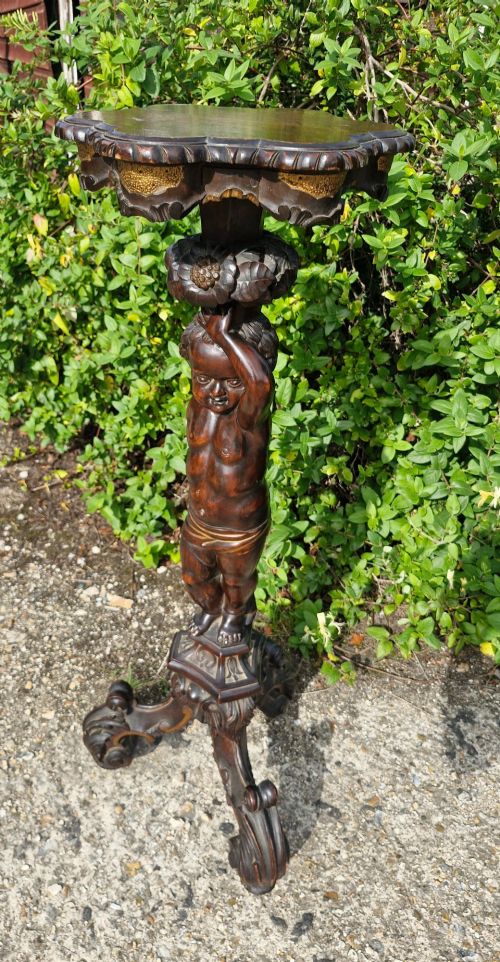
Brass fittings and marble inserts occasionally accent the wooden structures, particularly on William IV and later plant stands. Carved wooden figures sometimes form the central column, notably in Venetian and figural pieces.
Vintage Wooden Torchere Retail Price Guide 2026
Typical asking prices for vintage wooden torchere among the pieces listed under this phrase on Sellingantiques today, from the lower quarter to the upper quarter. They describe what is for sale here now, not the wider market.
Several stands double as plinths for carved wooden figures, including Venetian characters and painted blackamoor sculptures.
What varies in quality
The balance between the height of the column and the weight of the base determines the stability of the piece. Superior examples maintain a solid stance despite their narrow profiles, often through weighted or wide-spreading feet.
The crispness of the carving on the capitals and bases separates standard production from finer workshop output. Hand-turned reeding and sharply defined acanthus leaves demonstrate greater skill than simplified machine work.
The choice of timber and the preservation of original surfaces dictate desirability. Well-figured mahogany and untouched original paint finishes hold more character than later refinished surfaces.
Shoolbred·WMF
The Vintage Wooden Torchere Glossary
- Torchere
- A tall stand originally intended to hold a torch or candle, now used for lamps, vases, or plants. The form dates back centuries but remains popular in period interiors.
- Jardiniere
- A decorative pot or stand for holding plants and flowers. These often feature waterproof liners or elevated baskets.
- Plinth
- A heavy base or square block supporting a column, statue, or vase. It provides a stable foundation for taller display stands.
- Ebonisation
- A chemical or paint process applied to timber to imitate ebony. This dark, uniform finish appears on various 19th-century display stands.
- Polychrome
- Decoration employing several colours on a single piece. This technique is often found on Venetian figures and decorative stands.
Vintage Wooden Torchere: Frequently Asked Questions
What is the difference between a torchere and a plant stand?
A torchere traditionally holds a light source or single decorative object on a slender column, while a plant stand often possesses a wider top designed to accommodate a pot or jardiniere.
In practice, makers and sellers frequently use the terms interchangeably for tall display furniture.
How do I keep a tall torchere stable?
Place the stand on a flat surface away from heavy foot traffic where it might be easily nudged. Positioning heavier items or plants on the lowest possible tier helps maintain balance.
Most antique stands rely on a weighted or tripod base to counteract their height.
Are these stands suitable for modern electric lamps?
Many buyers use them to support table lamps or uplighters, routing the cord discreetly down the back of the column. Standard lamps with wide bases also sit securely on flat-topped pedestals.
Ensure the top surface area matches the base dimensions of the lamp.
How can I tell an Edwardian stand from a Victorian one?
Victorian stands often feature darker, heavier carved mahogany with prominent mouldings and robust turned columns. Edwardian examples frequently introduce lighter timbers like satinwood, inlay, and more slender proportions.
Construction methods and secondary woods inside the joints help confirm the period.